Author interview: Exploring the complicated reality of female friendship
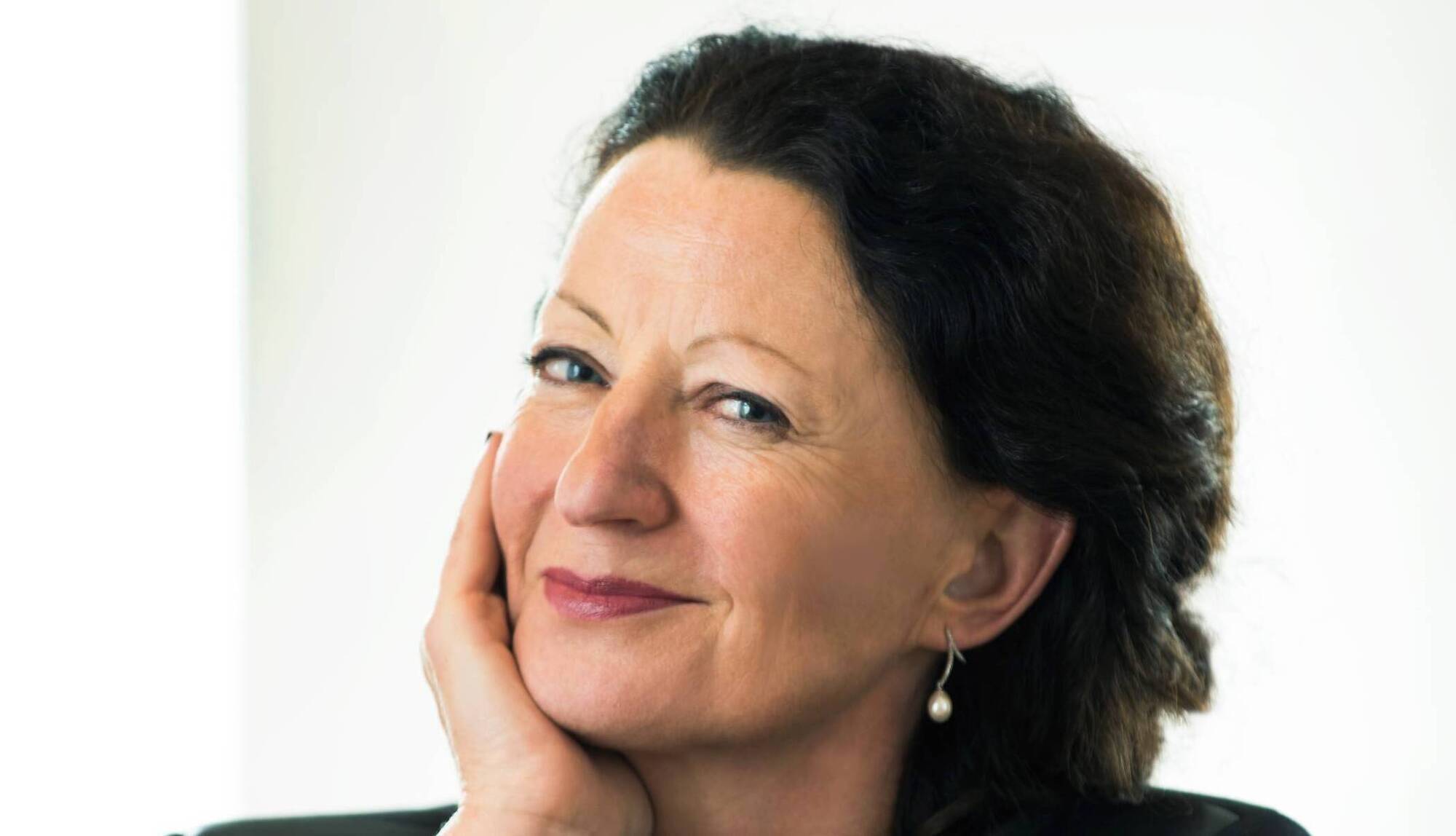
Kathleen MacMahon: ‘This has been fifteen years of writing novels. I do think there are more novels in me, but there are other things I would like to do as well.’ Picture: Neil MacDougald
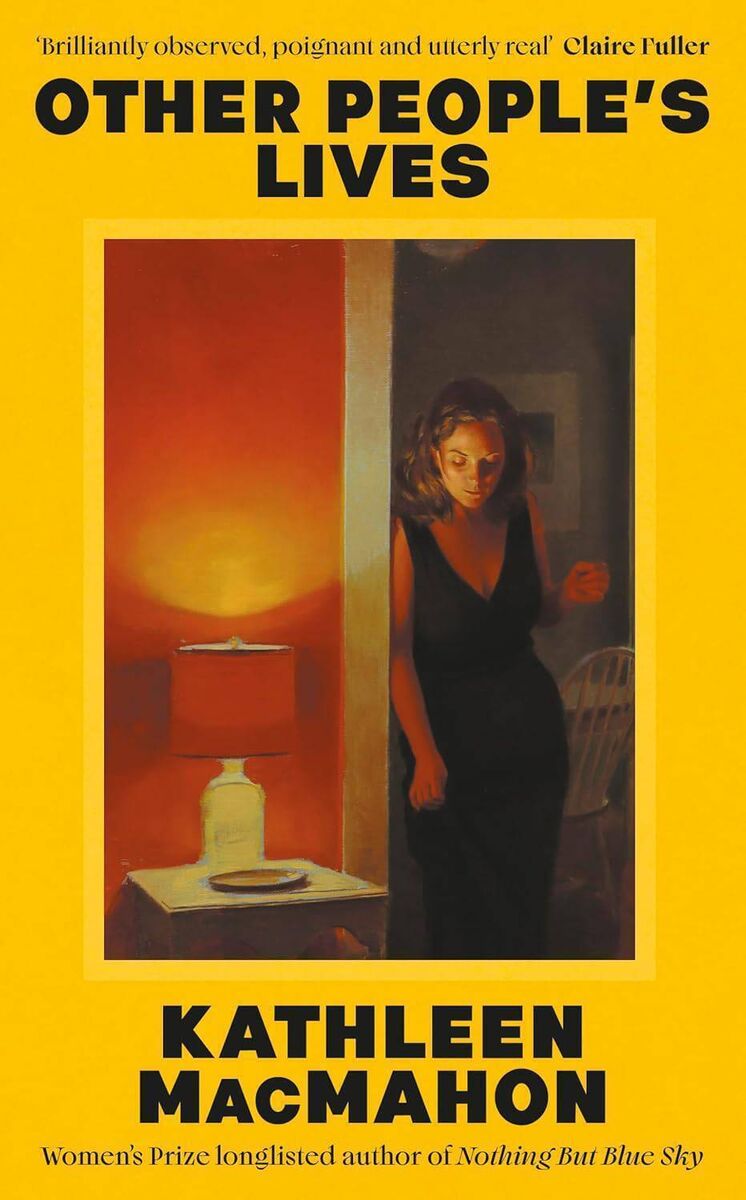
- Other People’s Lives
- Kathleen MacMahon
- Penguin Sandycove, €16.99
‘It’s a universal fact that women’s lives conformed to other people’s needs, while the lives of men ploughed straight through them, like a motorway tunnel.’
Read More
Kathleen started thinking about the things women don’t share when her mother died in 2010.
“My mother used to talk all the time,” she says. “She was very gregarious and would talk to anybody.
“It was only after she died that I realised that she had never talked to us about anything important that had happened to her.
“I was discussing Eleanor Ferrante’s novels of friendship with two slightly older women at an event, and they said that in a friendship between two Irish women there would be a lot of things they had never said to each other.
“One said, ‘my best friend growing up didn’t ask me to her wedding. We’re still best friends, but we’ve never discussed it, and I don’t know why’.”
This novel, her most complex yet, took Kathleen almost five years to complete.
“There aren’t many of the same characters, but the two are loosely connected. This one is about women and family and the sixth about women and work.
“It’s about a woman in the same class as Justine who made a choice not to have children because she saw her mother, an opera singer on the cusp of an international career, decide to give it up for her children.
“I suppose, on a general level, I was questioning the notion that you can have it all. And I don’t think you can, or not at the same time, and not easily.”
“I did some reporting from Spain, and I went to Nicaragua on a lovely trip with my dad and reported from there.
“This has been fifteen years of writing novels. I do think there are more novels in me, but there are other things I would like to do as well.”
She’s worried, too, about the world her 24-year-old twin girls are inheriting.
“I studied history at UCD then Cambridge, and became a journalist in the early nineties. And for the first forty years of my life I had the sense that life was getting better.
“Bad things still happened, but international institutions were getting stronger. We had learned some lessons.
“But now… that evil perpetrated on a grand scale and the international community wouldn’t step in to prevent it? Genocide in Gaza; occupancy of the West Bank.
“I am so upset and ashamed at what is happening. I am horrified. I really feel like I’m writing in the middle of a hurricane. And I do wonder about writing about ordinary middle-class lives and their problems.
“One of my daughters and I went to Miami for the election last time. We thought, wow, we’ll be there to see America elect its first woman president.
“The result was devastating. One of the most unbelievable things that have happened in the past 15 years.”
On a happier note, ends with a wedding. Justine and John’s daughter Ruth is marrying a newish boyfriend, Gav, in a wedding she’s planned to perfection.
Justine goes through the day with trepidation, worrying that Ruth is on the rebound.
“I’m happily married,” she says, “but I’m really interested in what a mad thing it is to do.
“For a young person to throw in your lot with somebody else; your financial future, the genetic material of your children, to sleep in the same bed as someone else for the rest of your life — it’s a miracle anyone does it. It’s mad.”