Holy Holy: Tony Visconti and Woody Woodmansey recall their days with David Bowie
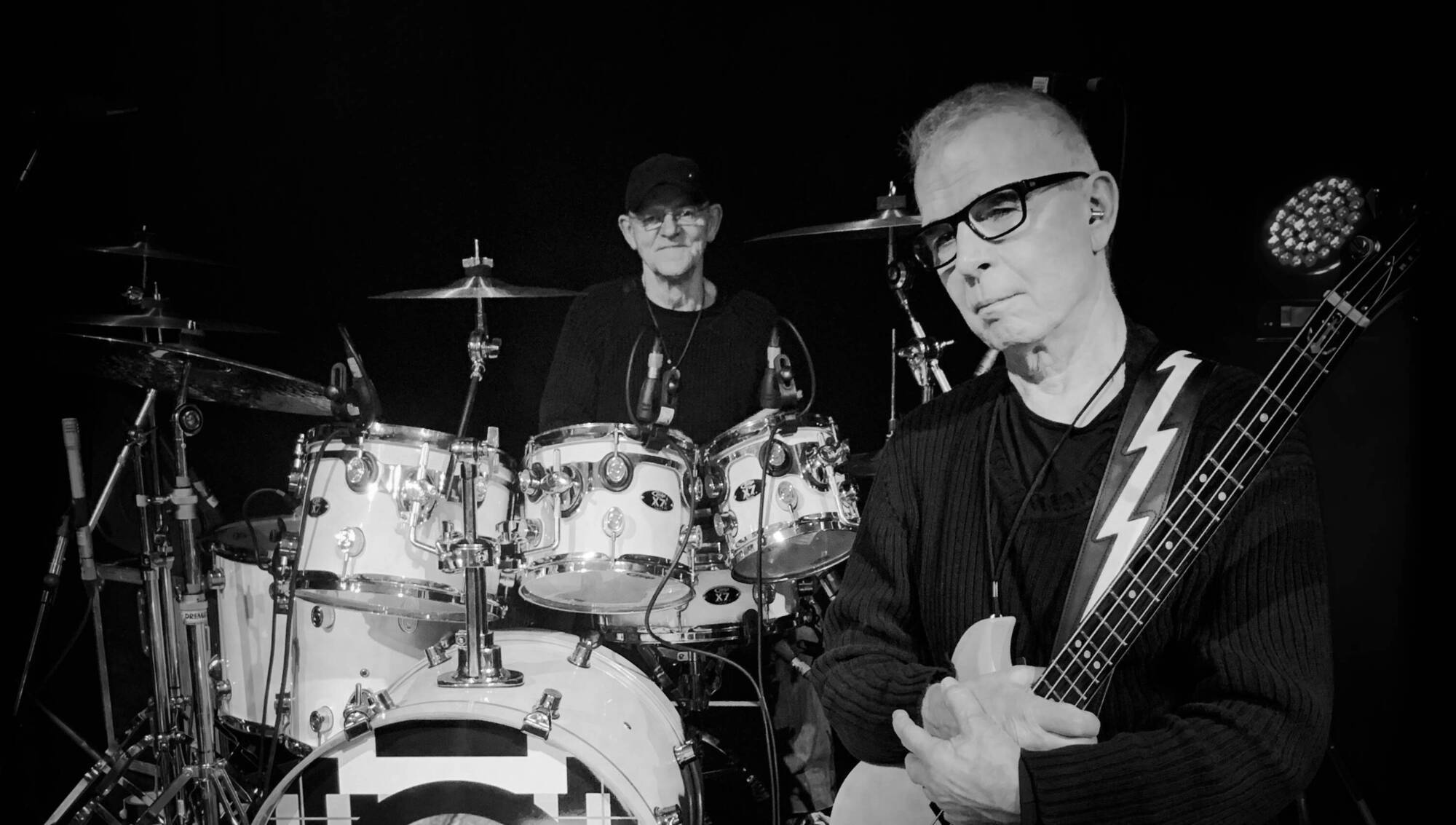
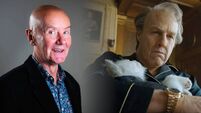
Woody Woodmansey and Tony Visconti. Picture: Marc Wiles Management
For Bowie fans, the group Holy Holy have offered something no tribute act could: the chance to hear the music performed by the musicians who helped create it. This September, Tony Visconti and Woody Woodmansey return to Dublin for the first time since 2020 as Holy Holy bring their farewell tour to Ireland.
Visconti's friendship and creative partnership with Bowie spanned almost half a century, from their first meeting in 1967 to his final album, Alongside him is Woodmansey, the last surviving member of the Spiders From Mars and the drummer who helped shape Bowie's transformation from cult singer into Ziggy Stardust.
While Bowie never played in Ireland as Ziggy, his old pals did go along to see him play at the Point in Dublin in 2003. Woodmansey explains: "We got tickets through the office. It was myself, Trevor Bolder [Spiders From Mars bass player], along with Joe Elliott and Phil Collen from Def Leppard.
"We didn't know where the seats were until we got there and realised we were in the ‘royal box’. We were hanging over the balcony, really close to the stage. When David looked up at us, we were like the characters out of ."
When was released in June 1972, the Troubles had entered one of their most deadly phases. In writing about the bleakness of post-war Britain and contrasting it with Ziggy's other-worldly alien glamour, Bowie would draw upon the conflict in for the line "Tony went to fight in Belfast".
It remains one of Woodmansey's favourite songs from the album. "I think that line was used to really set the atmosphere of what it was like in the country at that time. It was a reminder that things weren't all fucking flowers; there was a bit of meat in the lyrics.
"David wasn’t afraid to look at things like that, even if it might rub people the wrong way; he didn't really give a shit about that."
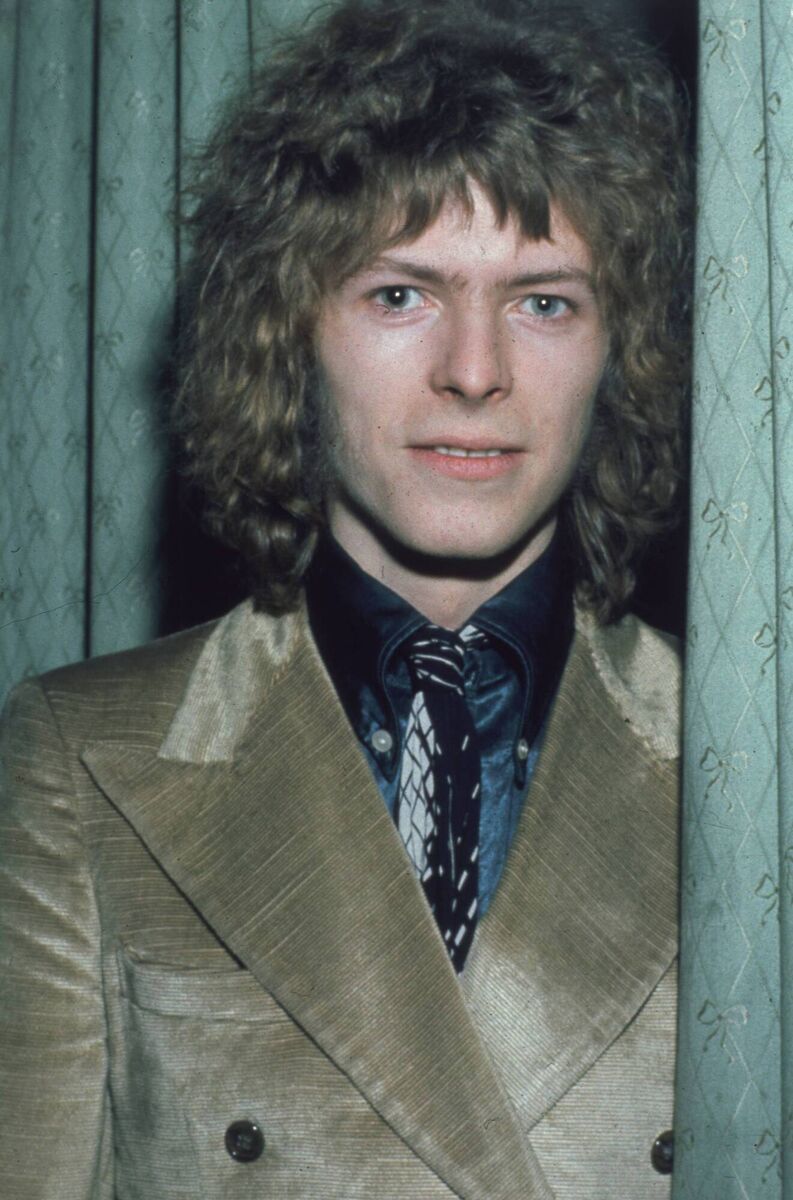
Holy Holy haven't performed in Dublin since their appearance at the Bowie Festival in January 2020.
"I’m very glad we’ve got Dublin on the itinerary this time," says Woodmansey, 76. "There is a massive fan base over there, especially with the Dublin Bowie Festival. It should be a great couple of nights."
Woodmansey briefly stepped away from Holy Holy in 2022 following a disagreement over covid-19 vaccination requirements for touring, before later rejoining the group in 2025. "The disagreement was heated at the time, and the band even did a tour without me.
"Eventually, I decided to be a grown-up and went around to everyone individually to iron out the issues. We agreed that if another pandemic happened, we would sit down and have a proper debate rather than handling it the way we did."
Tony Visconti, 82, speaking from New York, recalls his first encounter with Bowie in 1967, shortly after moving to London from New York. They made an immediate connection, but Visconti was unsure about where Bowie was going musically.
"I was called into my publisher's office. I worked at Essex Music on Oxford Street in London. He played me a few tracks from the Deram [label that released Bowie’s debut] album. I said to him, 'I think he's really cool, but he's all over the place. It's all different styles,' which I thought was out of character for any pop artist at the time.”
In those days, Visconti says that artists usually had a clearer identity. “You could hear a few seconds of a song and go, 'Oh, okay, that's so-and-so.' But he was all over the place.
"My publisher asked what I would do. I said, 'I would lasso him in, to the one thing he does best.' He asked, 'Would you like to meet him?' I said, 'Of course I would.' He goes, 'He's in the next room.' So it was all a set-up."
Both musicians suggest Bowie was often absent from sessions when recording third album "David got a royalty cheque from and for the first time in his life had a decent amount of money in the bank," remembers Visconti.
"Angie [Bowie’s wife] went right along with that, and they used to spend their days visiting antique shops all over London, mainly in the East End, where you could find real treasures."
Woodmansey was hired in March 1970 at the suggestion of Mick Ronson. He initially saw Bowie as a one-hit wonder and was no fan of his folkier leanings up to that point.
"I hated folk music, to be honest. From my perspective as a drummer, the main problem was that those records never had any good drums. Since David often wrote on a 12-string guitar, his early material started out with that folky feel, especially in the early days.
“It became our game to turn those into rock because he wanted it to be a rock’n’roll band. Mick Ronson was really good at refusing to play what he called 'pansy chords'. He would say, 'Fuck that... I'll play this, and I'll play it straight. It needs to be more straight ahead, on the beat.'
"We knew how each of us played, and we put that instinctive knowledge of arrangements and dynamics into his songs to make them work. We were set up as a band at Advision Studios.
"David would just bring us chords and say, 'Oh, there's this bit...' When we asked what a track was called, he'd say, 'I don't know, Cyclops or whatever.' We would just jam it and piece it together into what sounded like an intro, verse, chorus, middle eight and solo section until we had a backing track that sounded like a song."
Visconti, both bassist and producer, felt under pressure during the sessions, recalls Woodmansey. "Tony used to say, 'I'm panicking a bit,' because he would ask David and realise he 'hasn't got any melody or lyrics worked out for these tracks.'
"Tony would go out to him and say, 'I need them in 20 minutes. I need the lyrics, David.' David would go off, come back with a notepad where he'd just written it, and then go out and sing it. You’d listen to it and think, 'fucking hell, that's good.'"
Just two days before Bowie's death, Visconti was with Woodmansey on stage with Holy Holy in New York and called his old friend on his 69th birthday. The audience joined in a rendition of .
"When Tony played him the recordings of what we were doing with Holy Holy, David was grinning from ear to ear all the way through it," says the drummer.
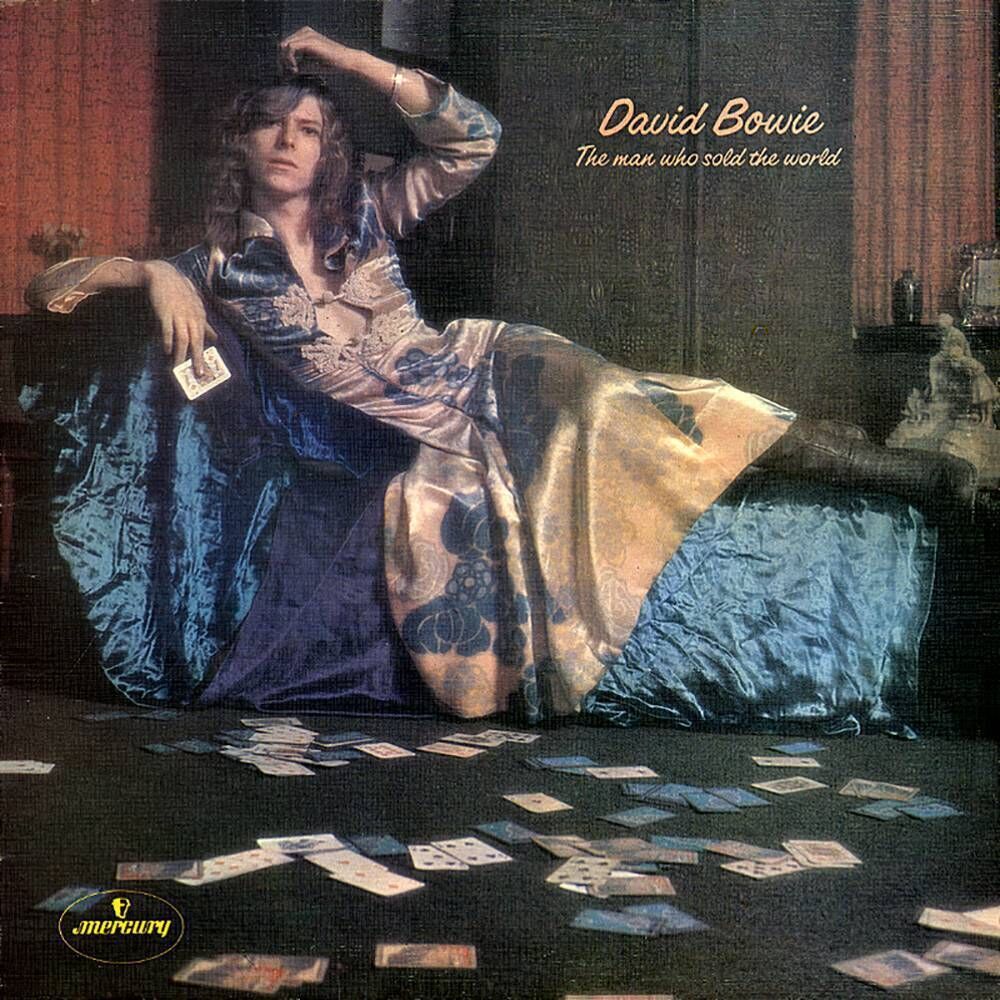
Despite the band not getting a chance to take the material from on the road, it remained part of Bowie's recording ritual.
"Tony told me something he never told anyone else," says Woodmansey. "Before David started any new album, he would always play before he started recording."
Visconti was there for Bowie's creative evolution, from early breakthroughs to defining later moments. Fittingly, he helped complete his final statement. Working on he says, felt magical.
"He was thrilled to work with a different band instead of getting rock musicians to play jazz,” says Visconti. “He got jazz musicians; he went straight to the source and finally made what he thought was going to be a jazz album. It’s jazzy in moments, but that was a dream that was fulfilled. Even though he was ill, he was ecstatic.”
- Holy Holy, The Final Tour: A Celebration of Bowie, comes to The Academy, Dublin, on Sunday 27 and Monday, 28 September, 2026