Celtic Exodus: Brian Warfield of The Wolfe Tones on his new stage musical
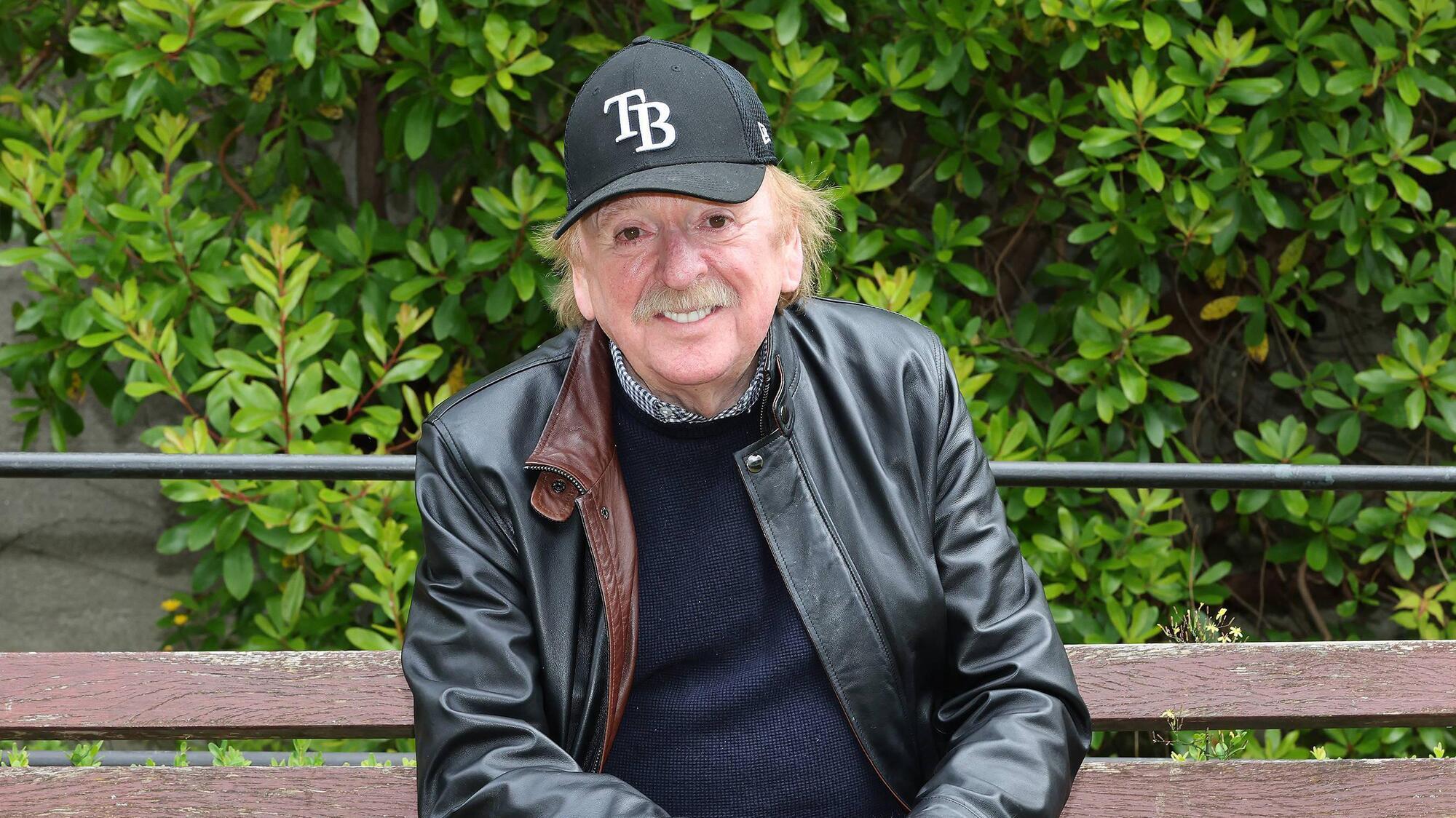
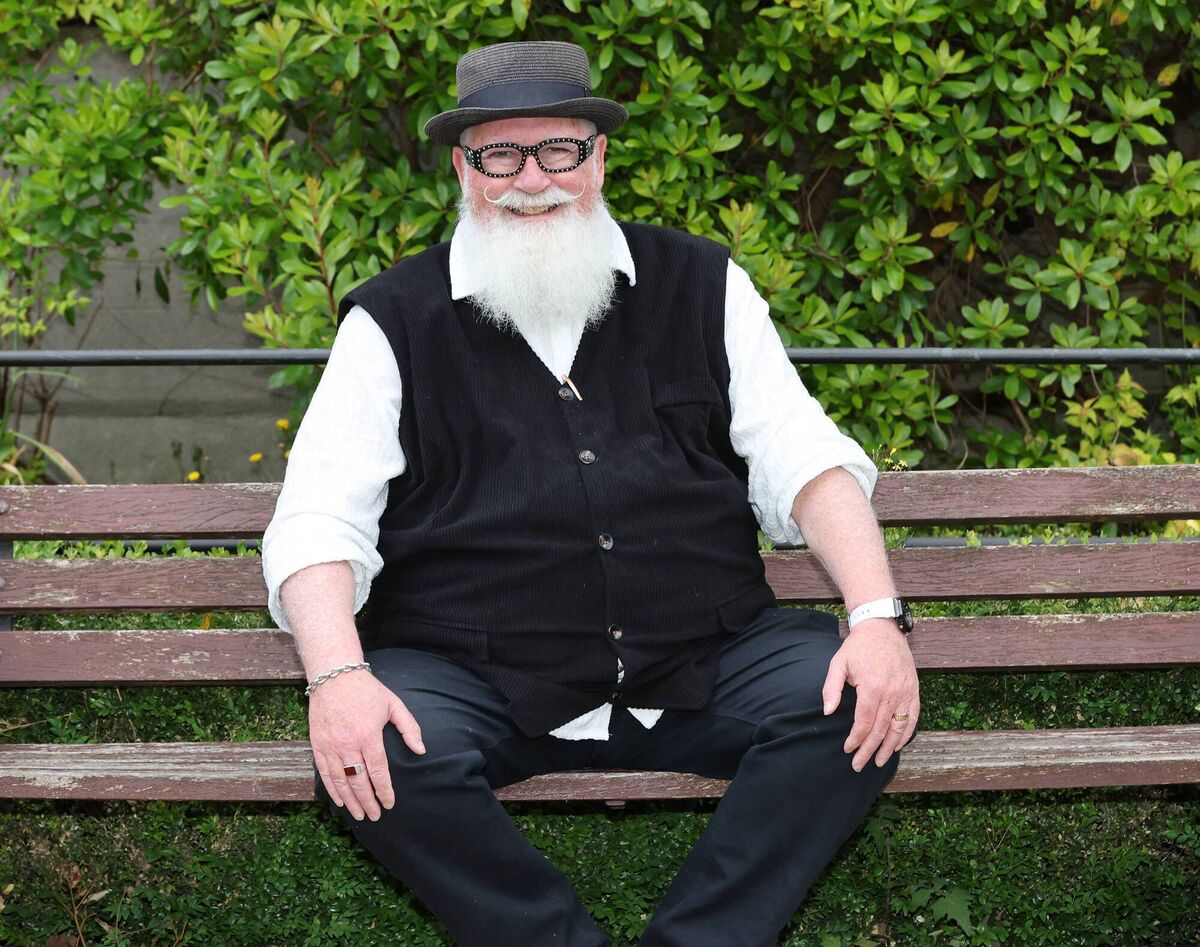
Brian Warfield has created Celtic Exodus-The Musical, which has just opened for a four-week run in Dublin. Picture: Brian McEvoy
Brian Warfield turned 80 in the spring, but his ambition burns as fiercely as ever. He’s still got stories he wants to tell. In a bravura act, the Wolfe Tones singer has created and written a musical, , which opens this week in Dublin’s Mansion House, and is being described as “the Irish Les Misérables for a new generation”.
Set around the time of Ireland’s Great Famine in the 1840s, is a sprawling family saga. The musical features 20 original songs and a cast of 23, starring Leah Barniville, Riverdance performer Colm Quinn and Phelim Drew as well as a cameo from Warfield as a reporter.
“We have wonderful performers and great arrangements to the songs,” says Warfield. The plot hinges on young lovers fighting for their love amidst starvation, evictions, the spectre of emigration, family feuds, and the threat of an arranged marriage.
“Arranged marriages were all about land and money, about people in survival situations,” says Warfield. “Especially during the Famine – if you could get your daughter married to somebody with money, they had a chance of survival. As it says in one of the songs, ‘Love is all just vanity, abstract and illusionary / And as time goes by, it flitters out and dies.’”
Real love is a teenage thing. It’s like jazz, he adds. “Jazz, by the way, is an Irish word. That’s how jazz got its name. The Irish word ‘teas’ means ‘passion’. I have that stuff in the musical; it's there for people to really delve into. It's the beginning of a history lesson on the Famine, but through the story of real people.
“I'm very proud of the work. I put a lot of work and a hell of a lot of money into it. I don't care about the money, but I do care that we get the story of the Irish Gorta Mór to the world and get people talking about it because it’s been hidden away for too long. I'm still fighting to get the Irish story out.
"I hope that we’ll be heading to Broadway with it so all the Irish Americans can see the story of Ireland instead of looking at Hamilton.” Warfield has bet the house, literally, on the project, selling a holiday home to part fund the musical, which was mostly written back in the 1990s.
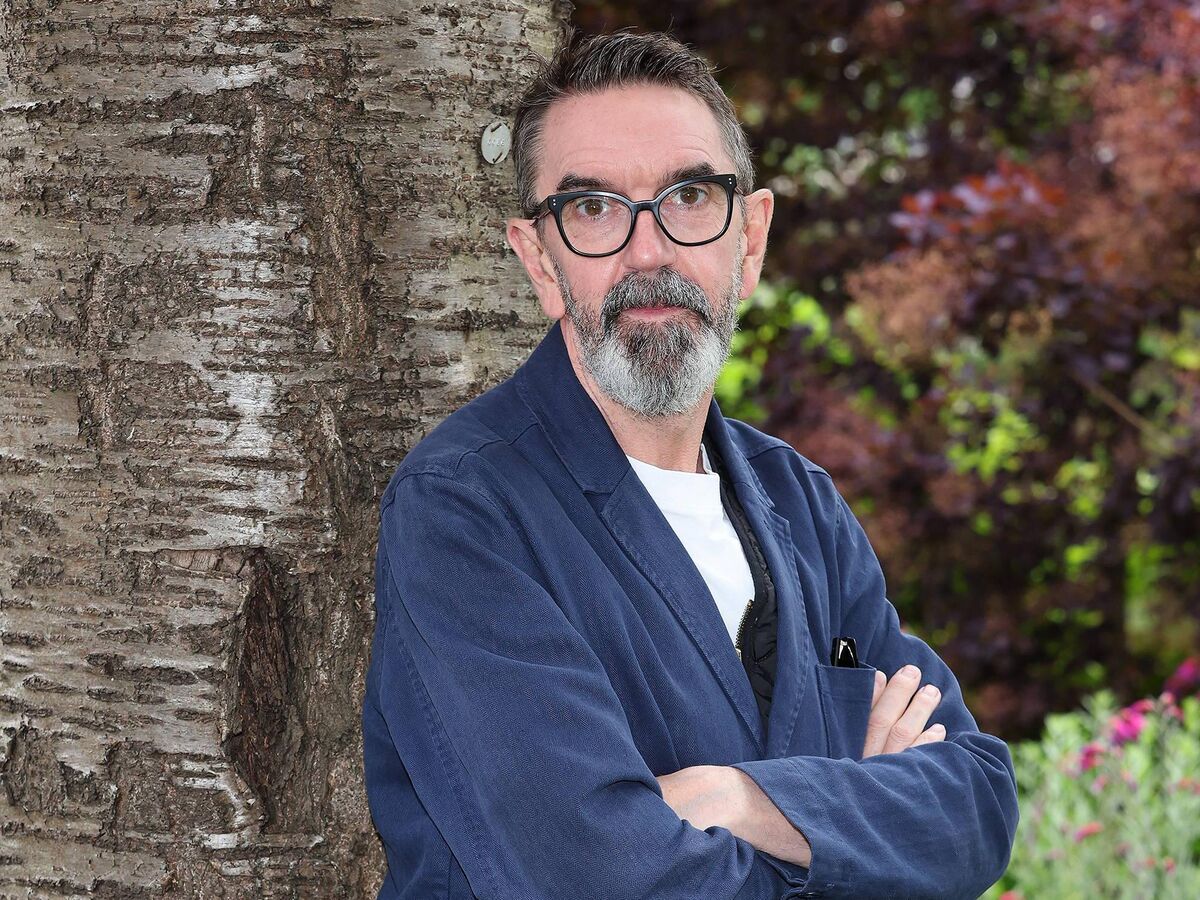
“The money has come from my savings,” says Warfield. “I sold a holiday home. I used that as well. It's going to cost up to €400,000 to €500,000 to put on. Nobody wanted to invest, I'm the only investor. So, it's ‘Brian Warfield supporting the arts!’.”
Warfield has endured extraordinary ups and downs — in life and professionally. He was misdiagnosed with Parkinson’s Disease in 2019. He had to wait two years for a revolutionary medicine to help unravel his case, establishing instead that he’d an essential tremor, which causes involuntary shaking, mainly in the hands.
“I went into the Mater hospital in Dublin,” he says. “They had to get a ‘nuclear’ medicine sent from Germany. It couldn't be picked up by a courier. It had to be handled all the way by medical people. They administered it to me. I had to walk around the city for about two hours. I wasn't to go near children or pregnant women or anyone like that. I had to come back; then they gave me a scan on my brain to see if I was making dopamine.
“Seemingly, with Parkinson's if you're not making dopamine, and your brain is not functioning properly, it degenerates. But with me, they found out that I was still making dopamine in my brain.
It was a great relief to hear that I don’t have Parkinson’s, even though the tremor I have is very annoying. At times, it's terrible, but I don't care — it's something I can live with. I'm happy with the outcome. I'm going forward. I'm still fighting for Ireland.”
Warfield is enjoying an Indian summer with the Wolfe Tones, one of Ireland’s hippest live music acts over the last few years, still killing it 62 years after signing their first record deal. Only Kneecap can rival them for a Sunday show at Electric Picnic. Wolfe Tones and the Belfast hip hop act were in the news last month, a story which generated some moral outrage headlines, following unruly behaviour at a Wolfe Tones gig in Glasgow.
“It was a very, very small incident, but something I had to control,” explains Warfield. “There were four lads in the centre of the audience. They'd made a big hole in the middle of the audience, and they were aggressively throwing bottles at people. I had to identify them to security to get them out. Unfortunately, they were wearing these Kneecap balaclavas. I love Kneecap. I've nothing against Kneecap. I don't put them in any way of blame for this incident at all.
“I said, ‘Those four guys in the centre with Kneecap-type balaclavas, I want them out of the place now. They're causing trouble.’ Security came over, got them out immediately, and the incident was over. I wasn't going to let it happen that they’d spoil the show for everybody else. It needed to be stopped immediately, and it did.”
Warfield accuses sections of the media of trying to inflame the situation. “I think that was picked up by the Unionist press around Belfast, and other people took it up, because they loved it – two good Republican groups in a fight. There’s no fight at all between us. We love one another. We're grand,” he says, laughing.
- is at Dublin’s Mansion House until Thursday, August 20. See: celticexodusmusical.com
A beautiful love song that tells a story of tragedy. You have all these tragic love stories like Romeo and Juliet, but this is real history. This is not a fable. This is realistic. It did happen – that story in Kilmainham Gaol chapel. The O’Meara brothers put it perfectly in this song. It's a wonderful song.
The anger in that song. Dominic Behan adapted an old Irish tune, which goes back centuries. People said to me, “Dominic Behan claimed to write a lot of songs he didn't write.” Anyhow, it's not me to be the judge. He changed it, and that's the way it is. It’s a great song. I don’t care who wrote it. If Dominic wrote it, I would hail him for it.
It’s unbelievable – people had this song in the nineteenth century. I've clippings from papers going back to the 1850s, telling a story of a young boy playing the accordion in Tipperary. He was asked to play O’Donnell Abú. A crowd marched behind him singing the song. He was arrested. He was given two days in prison and a fine of £2, an enormous sum at the time, for singing O’Donnell Abú. Irish songs have been under pressure from the establishment going back to Cromwell.