Jim's Gems 1966: The 10 best albums marking their 60th anniversary
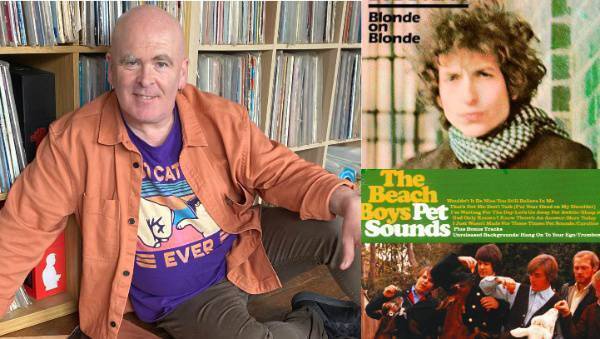
Jim Comet has included Blonde On Blonde and Pet Sounds in his selections for the best albums of 1966.
What a year for music. By mid-decade the 1960s had well and truly kicked in.
The counter-culture, inspired by Dylan and other radical artists was in full swing and making its presence felt within the civil rights movement and the growing opposition to the war in Vietnam.
Closer to home, our neighbours won the World Cup in a manner that VAR would have certainly disagreed with, while here at home we celebrated the 50th anniversary of the 1916 rising by blowing up Nelson’s Pillar in Dublin.
Here are my picks for the best albums of 1966.
Having gone electric the previous year, the eyes (and ears) of the world were on Dylan to see where he’d take his music. He certainly didn’t disappoint with this album. The anger and intensity from the previous record had subsided and the subject matter had changed. The songs were deeper, longer, more introspective and a lot of them dealt with relationships and personal issues. Many of the songs such as and were inspired by Warhol starlet Edie Sedgwick, almost like his muse for the record. A double album, this is correctly regarded by many as one of the finest records ever made. Dylan would go on to make many great albums but this has never been surpassed.
By 1966, Brian Wilson was quite happy to allow the Beach Boys tour without him while he remained at home in the studio writing and recording. However he wasn’t just recording hits. He had an artistic vision where he would create an album as a pop symphony. To make his dream a reality, Wilson recruited top session musicians the Wrecking Crew to play on the record. From the sometimes chaotic studio sessions emerged one of the greatest and most influential records in pop music history. It directly inspired The Beatles to make and earned Wilson the genius moniker which he reluctantly carried till the end.
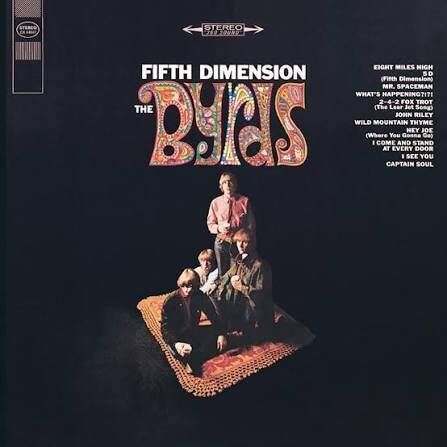
I firmly believe The Byrds went from being a band to a collective of individual artists, sometimes pulling in different directions following Gene Clark’s departure in early 1966. It’s very evident on this, the first post-Clark LP. While it’s a great album, it sometimes feels a bit disjointed. The inclusion of four cover versions, despite having three talented songwriters in the group, caused friction. It’s not all negative though. Both McGuinn and Crosby stepped up with some fine contributions, notably Crosbys However, the group had clearly moved into a new phase, something that would continue to happen with every new record.
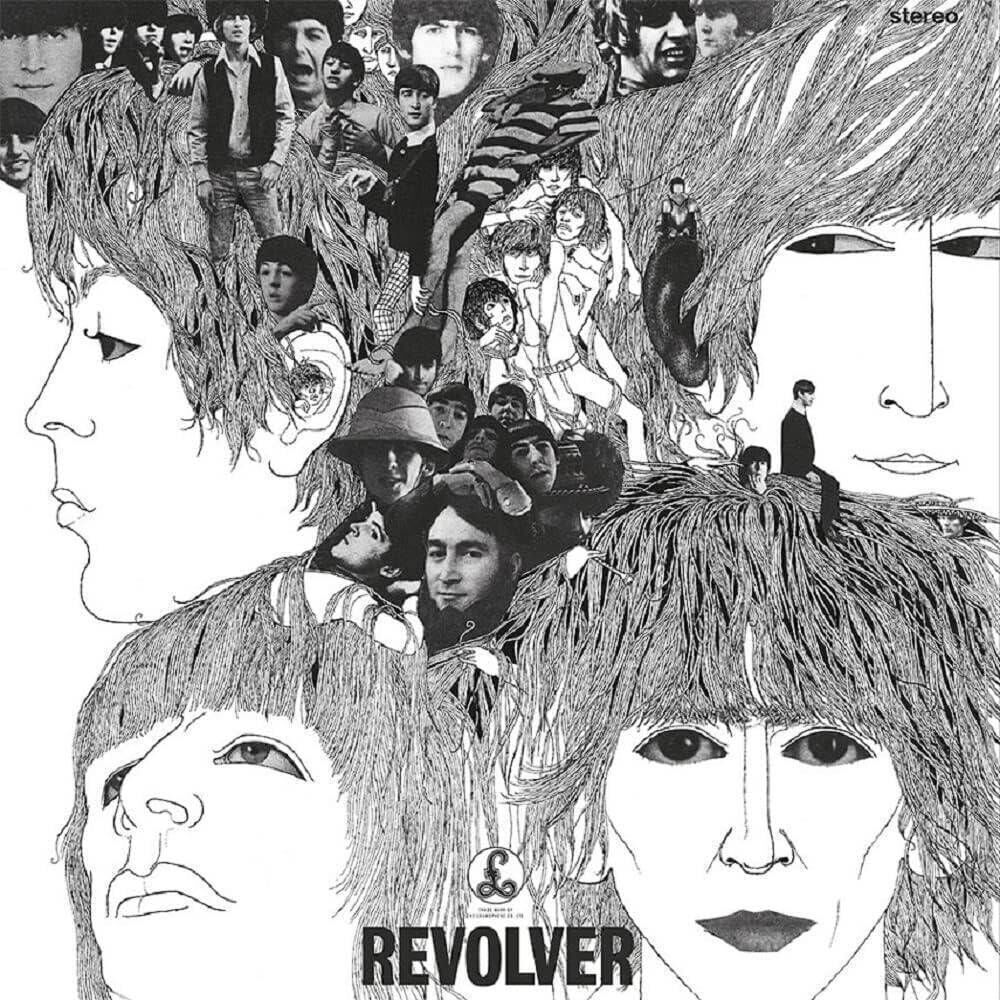
In the summer of 1966 with Beatlemania at its height, the band decided to give up touring. Burnt out from constant gigging, and tired of not being able to hear themselves above the screams, they wanted to concentrate on the studio work and continue the musical experimentation that began with a year previously. Just before the big announcement they released probably their most daring and experimental album yet. and were clearly never meant for playing live. Regarded by many, but not by me, as their greatest album, it continues to top best of polls to this day.
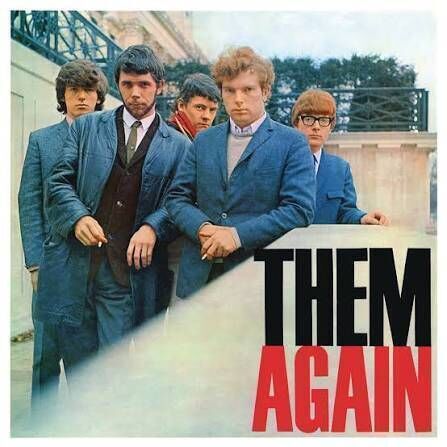
A lot of people go on about Van Morrison’s band’s debut album, because it has the big tunes, but for me its always been about the second record. The band sound better, the songwriting is stronger, and Van’s voice is showing hints of that rasp and unique delivery that would emerge on The way he moves between the first and second line by raising his voice on is breathtaking, as is the way he crams the words in as you can see the genius emerging. The cover of is the greatest Dylan cover ever… better than the original. And don’t even get me started on the reverb on the sax on
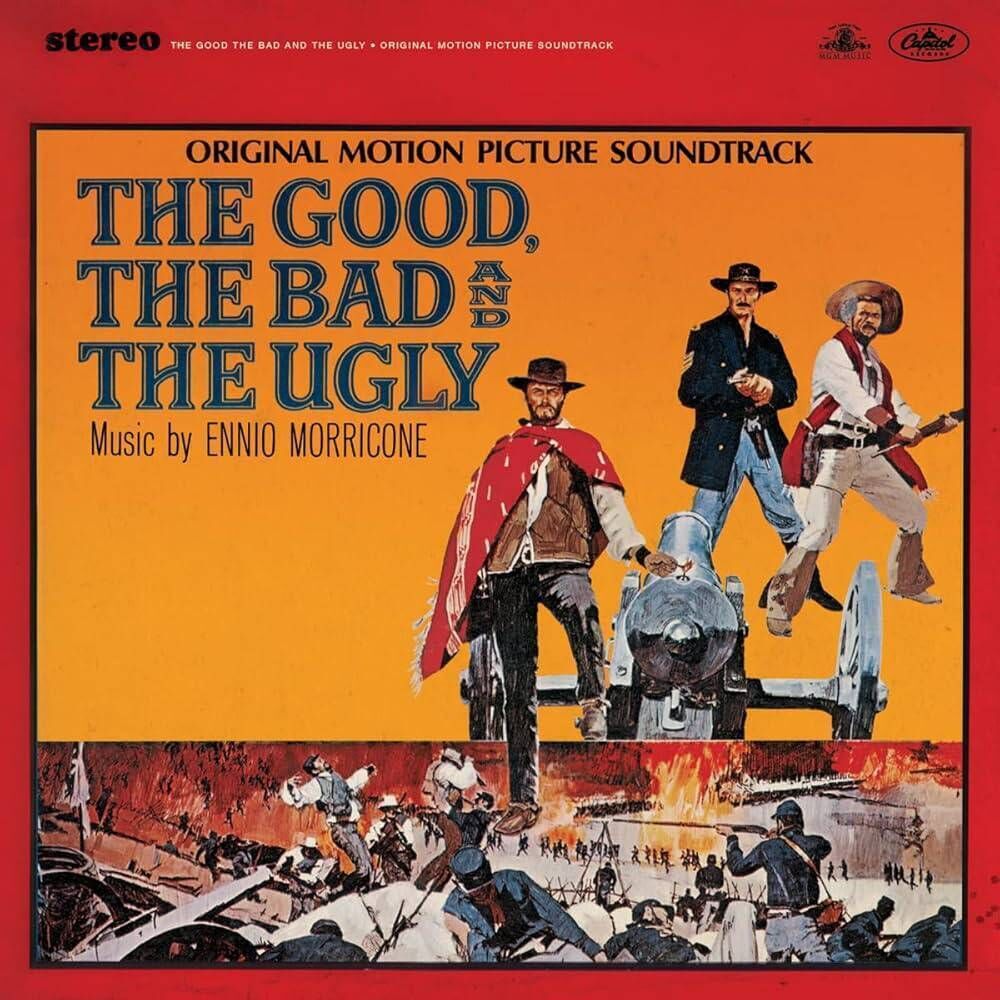
Morricone didn’t just compose soundtracks. He dug deep into the heart and soul of the film and created music that was almost a character in itself. Every scene, every look, every sound and sideways glance, he would accentuate them sonically. In the most iconic of westerns he instils drama and passion in key scenes that are so vital to the storyline. The visuals and soundtrack are inseparable for such scenes as the duel in the cemetery ( ), and of course the infamous finale with my ringtone for many years. No movie he worked on would have been the same without his contribution.
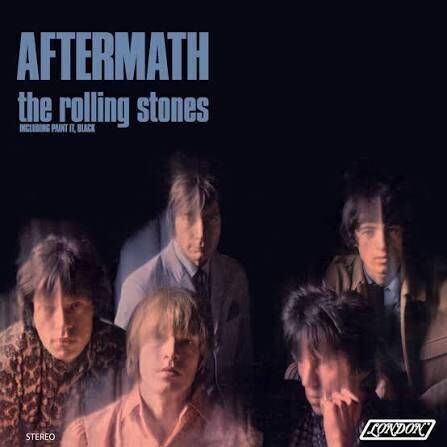
I never really got the whole Beatles v Stones thing. The Beatles were always way ahead. However, it was on this their fourth album that the Stones began to emerge as serious contenders. The first album to feature all original Jagger & Richards compositions, all exquisitely coloured by marimbas, dulcimers and sitars courtesy of Brian Jones. and provided the perfect soundtrack to Swinging London at the time. Different versions of the album were released in the UK and US, with added to the American version.
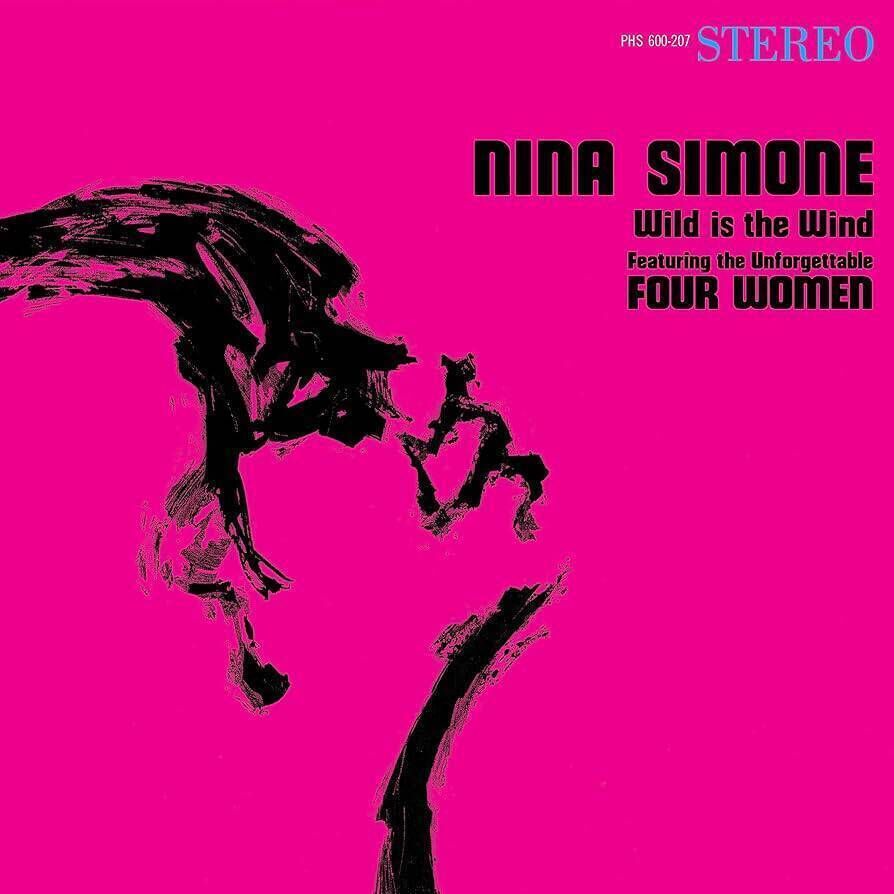
Hard though it is, if one were to pick the quintessential Nina album, this would probably be it. She’d been working on some of the songs throughout 1964 and ’65 and wanted to take a very organic approach to the recording, letting the songs speak for themselves. (later covered by Jeff Buckley), and (covered by Bowie) are all recognised classics, but for me it’s the closing Van McCoy-penned which really does it. Best thing she’s ever done.
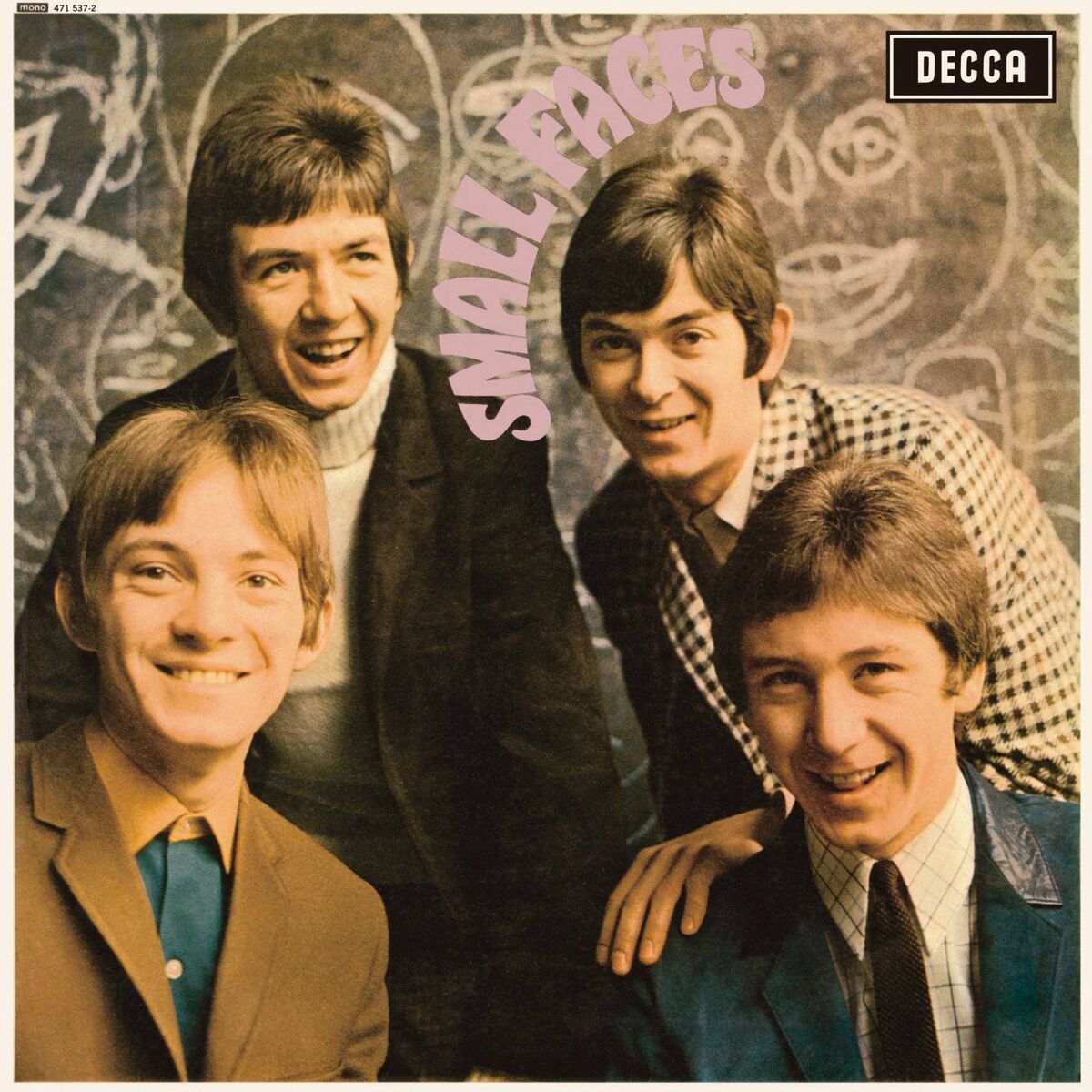
Small Faces are often looked upon as The Who’s little brothers, a status which takes from their musical significance. While the group may have been diminutive in stature, they more than made up for it in musical prowess. Their sound was a mixture of raw R&B and soul with heavy rock overtones, a lot of it driven by Ian McLagan’s Hammond organ. Alongside The Who, they were an integral part of the early mod scene. Steve Marriot’s songwriting and unique vocal style set the Londoners apart from many of their peers. The debut is them at their rawest and purest and it really shows why they were so impactful.
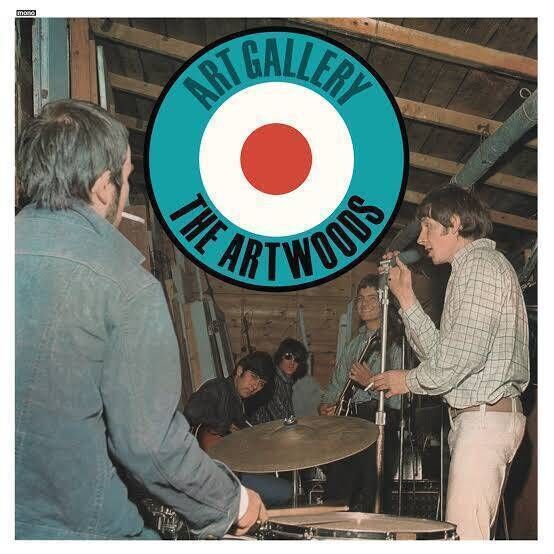
In the summer of 1980, I asked Finbarr Prendergast — the senior mod on the Cork scene — to make me a tape of 1960s’ music he was listening to. Finbarr duly obliged and that tape changed my musical tastes forever. The standout band on the tape were The Artwoods. A standard R&B five-piece, like The Animals or Them, but something about them stood out. Tunes like and became embedded in my head. I had to find the album and only one man could help. Another Cork mod hero, ‘Irish’ Jack Lyons found a copy of the record in London that summer. It remains among my prize possessions to this day.
The power of the group’s voices and they way they blend is stunning. Featuring the ultimate west coast anthem, written on the east coast.
Getting closer and closer to genius with each record and he covered Dylan impeccably.
California garage band with Sean Byrne from Dublin on guitar.