Spider Stacy of The Pogues on getting the band back on the road again
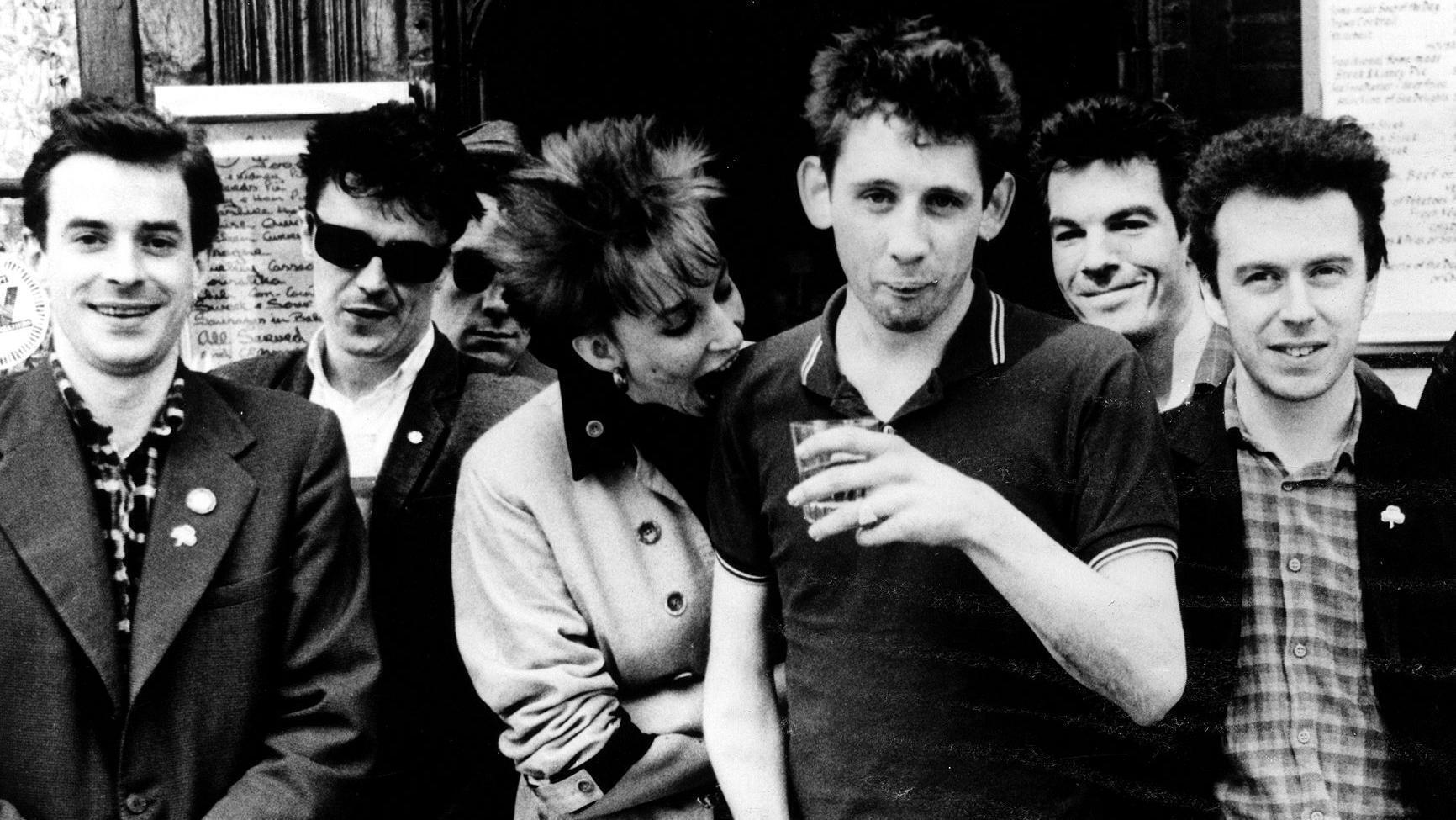
Spider Stacy, second from left, with the other members of The Pogues in 1986.
What began as a modest anniversary celebration of The Pogues' debut in 2024 provided a connection between the band's history and a new generation of Irish folk musicians carrying the tradition forward. Lead singer Shane MacGowan’s death a year previously had already reignited interest in the group, and Spider Stacy was among the original members who agreed to take their music back into a live setting.
"One thing we always wanted to stay away from was anything mawkish or maudlin," explains Spider Stacy down the line from London. "When this started with the first show at the Hackney Empire, it wasn't really conceived as a tribute to Shane as such.”
The tin-whistle player and vocalist had been approached by Fontaines DC drummer Tom Coll and Campbell Baum, who runs Broadside Hacks, a folk collective and label. “They were putting on a weekend of Irish music at the Moth Club in Hackney and realised it was 40 years since came out.
"They asked if I'd be interested in doing a Friday night devoted to the album using musicians already playing the festival. It felt like a nice, low-key way of acknowledging Shane while also saying: 'Happy birthday, .'"
Released in 1984, that debut had arrived like a dispatch from another world during an era of shiny production and polished pop. While synth-driven acts, smooth R&B and radio-friendly rock dominated the charts, The Pogues came charging like a gang of alienated street urchins from the margins.
Formed two years earlier, the band emerged from a potent stew of punk, Irish subculture and the creative chaos of London's underground pubs and clubs. There were drinking songs, rebel songs, tender ballads and tales of exile. Yet there was something darker and stranger at work too.
While and connected with traditional music, songs such as possessed a banshee-driven quality. MacGowan's world was populated by ghosts, rogues and characters who lurched on the edges of society. More than four decades later, it still sounds startlingly fresh.
Not surprisingly, the first Red Roses gig sold out quickly, and momentum has been building around efforts to breathe new life into The Pogues’ music. This has coincided with the emergence of a new generation of Irish artists who regard MacGowan and co as major influences.
Daragh Lynch of Lankum is even joining The Pogues for their forthcoming tour. "We've been aware of people like Lankum for a long time," says Stacy. "My wife and I were living in New Orleans when they came through there, back when they were still called Lynched.
"A friend told us they were playing at Siberia on St Claude Avenue and, churlishly, we thought: 'We don't really want to go see Pogues fans'; which was absolutely our loss.”
Stacy finally got to see the Dublin band at MacGowan’s 60th birthday concert at the National Concert Hall in Dublin in 2018. “They did almost completely a cappella, with just this lone drone underneath it. That was staggering," he recalls.
Just as The Pogues once found common ground with their heroes in The Dubliners, Stacy now sees echoes of that relationship in the band's friendship with younger artists. It’s a reminder that traditional music is sustained not by rigid boundaries but by constant renewal.
"Traditional music in Ireland has obviously never gone away. There have always been sessions and people carrying it forward, but a younger generation simply picked up the baton and ran with it. Ireland is producing artists now of astonishing calibre, people like Lisa O'Neill, John Francis Flynn and Lankum.
“Then there are associated projects like Oxn and Poor Creature. Every time I turn around there's somebody new, people like Junior Brother. A lot of them are doing really innovative things with traditional music and they're phenomenally talented."
Lisa O'Neill has also become a staple of the live shows since the band reformed, her intimate interpretations of some of MacGowan's most romantic songs have become a highlight of the set. "Lisa O'Neill is an astonishing generational talent," says Stacy.
"To have people like that touring with us is fantastic and when they turn around and say The Pogues were an inspiration, it's enormously flattering. It also gives us this incredible pool of talent to work with."
That admiration extends well beyond Ireland. The forthcoming tribute album, features contributions from The Pogues, Bruce Springsteen and Tom Waits, among others.
"It's very flattering when you hear people like Bob Dylan talking positively about the band. Dylan's been on record as a Pogues fan for years. We opened for him twice back in the 1980s, although Shane didn't turn up for those shows, which is another story.
“I think it was Dylan's son Jesse who first turned him on to The Pogues. The same goes for Bruce Springsteen, who was actually backstage at one of those Dylan shows. Because Shane wasn't there, I suddenly had to sing.
"Bruce Springsteen came up to me backstage at what I think was the Greek Theatre, Los Angeles, asking if he could use the bathroom in the green room. Afterwards he said: 'By the way, I really like your songs.'"
Stacy refers back to London's punk underground and his adventures with the young MacGowan with whom he would forge one of music's most enduring partnerships. "There's actually about a two-year gap between first seeing him at the Ramones show at the Roundhouse in 1977 and really getting to know him.
"That happened after I moved into Burton Street in Bloomsbury at the beginning of 1979. Shane was already living there. Half the street was squatting, and Jem [Finer] and James [Fearnley] were living next door to each other." Both of the latter figures are also involved in the reunion.
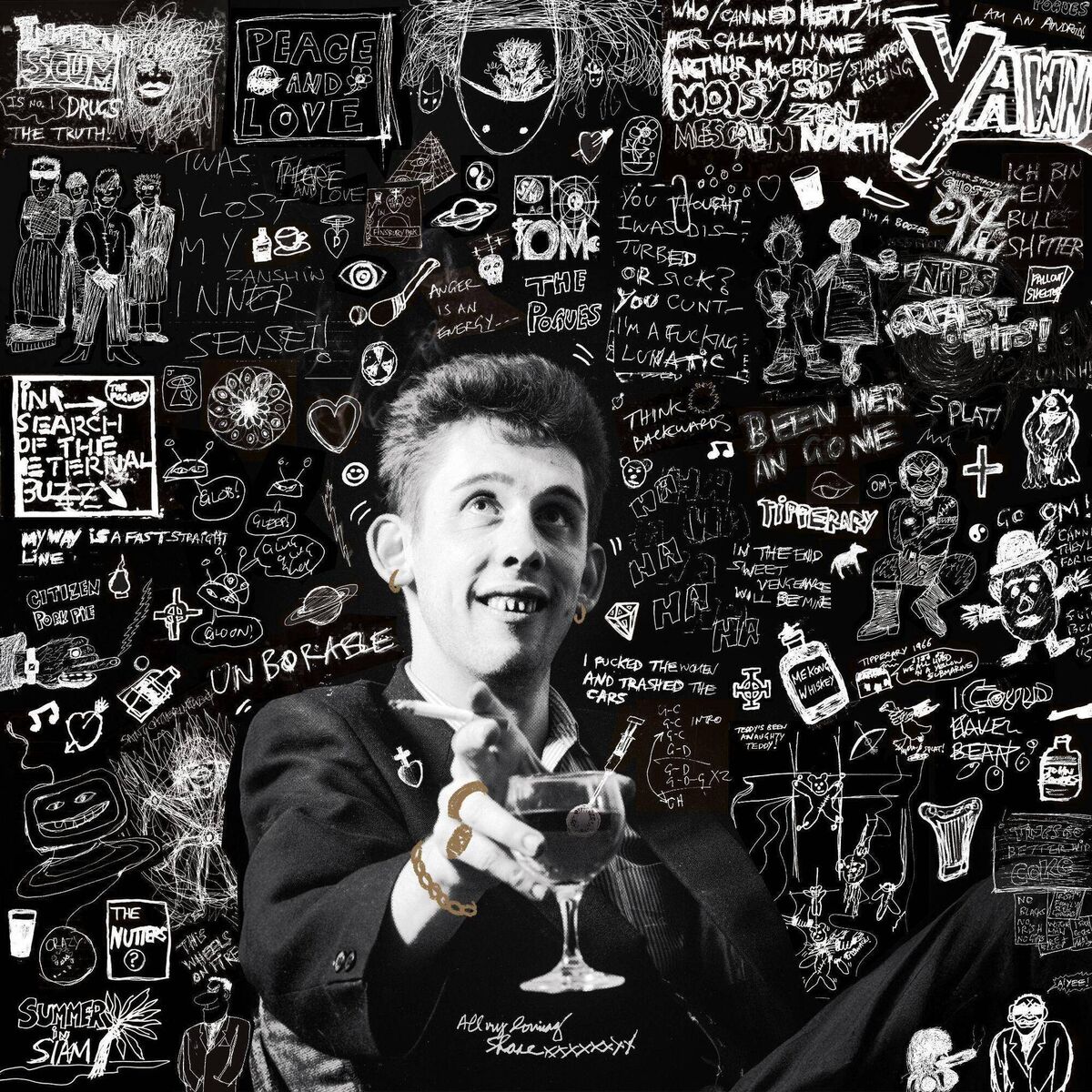
The image of The Pogues as a quintessentially Irish band has endured for decades. Their songs were steeped in emigration, exile and sentiment, themes that resonated deeply with Irish communities around the world. Yet Stacy believes the group's identity was shaped by something altogether more cosmopolitan.
"Ireland's always been great, but in the past I sometimes felt a kind of imposter syndrome on stage there. I'm not Irish and I don't have Irish family. In fact, when the band started, about half of us weren't Irish at all.
"Shane and Cait O'Riordan were Irish-born, though Shane was actually born in Kent while his parents were visiting relatives. Cait was born in Lagos because her father was working there as an engineer. Andrew Ranken's father was Irish but had lived in England most of his life.
"Until Terry [Woods] and Philip [Chevron] joined, there weren't many Irish-born members in the band. The songs definitely focused to a large extent on the diaspora, but there's more to them than that. Really, I think The Pogues were a London band.
“I love the idea that we're a Glasgow band too [as Eamon McCann described them in after a gig at the Barrowlands]. That ticks a lot of boxes, but what fuelled the DNA of The Pogues was London. That's probably the best way to think about us: like The Clash or The Kinks, a London band."
For Stacy, The Pogues may have been born in the streets and squats of London but the songs have always belonged to anyone who recognised something of their own story in them.
- The Pogues play Dublin, 3Arena, December 9; Belfast, The Telegraph Building, December 10; and Killarney, Gleneagle Arena, December 12
- is released November 13