Mike Pickering: The Manchester house marvel who helped inspire the sound of Sir Henrys

As he publishes his memoir, the celebrated DJ tells Des O'Driscoll about the Hacienda, M-People, and his visits to Cork
Mike Pickering: The Manchester house marvel who helped inspire the sound of Sir Henrys

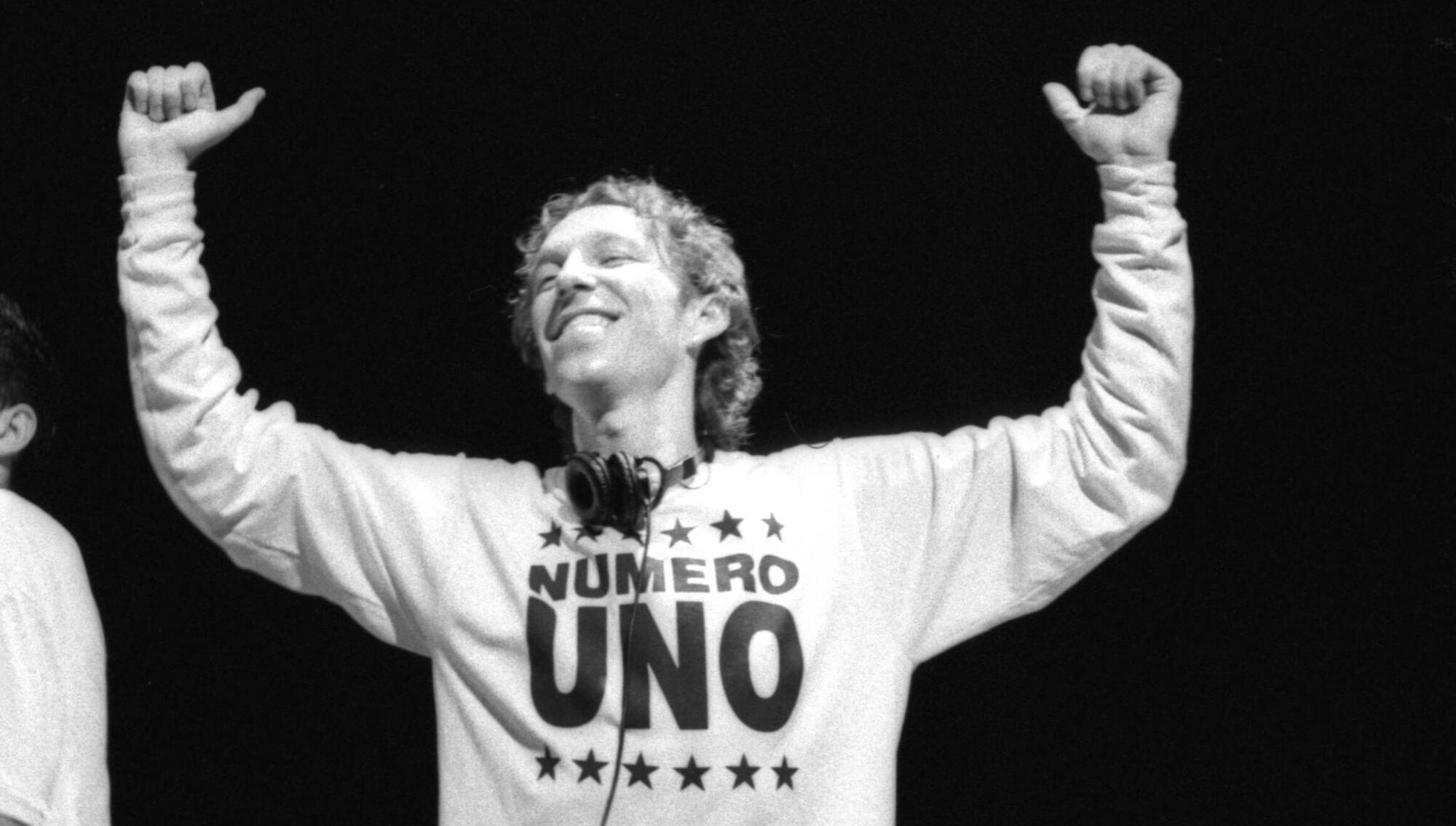
Mike Pickering  at one of the Manchester parties in 1988. Picture: Peter J Walsh/PYMCA/Avalon/Getty

There might be more famous figures to emerge from the Manchester music world but few have had their fingers in as many musical pies as Mike Pickering. 

Best known as a mainstay of the legendary Hacienda club at the height of the 'Madchester' era, and creator of chart-topping band M People, the now 72-year-old has had an incredible life in music. He’s finally detailed his escapades in a hugely enjoyable new memoir.

Take your pick of popular music movements — Pickering manages to pop up Zelig-like in many of them. A childhood trip with his mother to see The Beatles in the 1960s kicked off his gig-going adventures, which led to formative concert experiences witnessing everyone from Stevie Wonder and David Bowie, to that seminal Sex Pistols appearance at the Lesser Free Trade Hall in 1976.

He sampled New York’s thriving club culture in the 1980s, organised gigs for emerging hometown bands such as The Smiths and New Order, and was hands-on to help guide the Happy Mondays through their journey from mad lads up to no good in the dark corner of the club to being mad lads up to no good in the bright glare of international pop stardom. 

And that’s just a taster. One aspect of his musical life not detailed in the memoir is Pickering’s contribution to the Cork music scene. 

The Hacienda DJ visited Leeside for the first time around 1988, just as house music was really taking off in Manchester. He played a set at Sir Henrys that would be a huge influence on Sweat club residents Greg Dowling and Shane Johnson. It helped establish the quality house style that Sir Henrys would become renowned for.

The Hacienda stalwart also acted as a conduit to an emerging movement that would join the likes of Cork and Manchester to the underground music cultures of cities such as New York, Chicago and Toronto. A reciprocal visit had Dowling visiting Manchester, staying with the Manc DJ in his flat above the Arndale Centre, and attending the Hacienda.

While there, Pickering introduced him to Russ Marland of the Spinn Inn record store in Manchester. One of that blessed breed of record-store worker/music curator, Marland was soon forwarding batches of rare American imports and other gems to Dowling and Johnson, both for their own use and to sell a couple at their stall in the city’s English Market.

Pickering has fond memories of his several visits to Cork. As well as Sir Henrys, he recalls the novel ‘Sráidbhaile’ mock-up of a traditional Irish village that owner Jerry Lucey had created within the same complex, as part of the Grand Parade Hotel. 
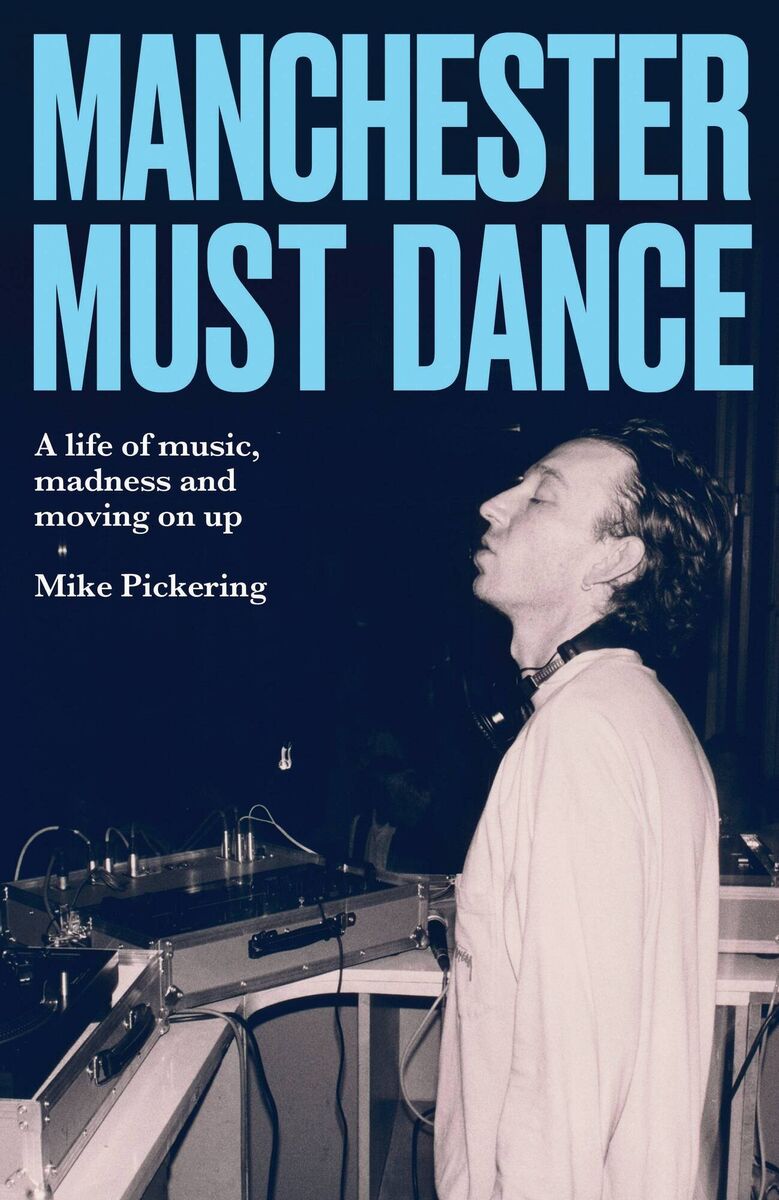
Manchester Must Dance, by Mike Pickering

“What a character Jerry was,” recalls Pickering. “I used to love Sir Henrys. I remember how sweaty it was, and you’d be up in that DJ box above the crowd. They were a very open-minded crowd who really went for it, and Greg and Shane had great taste, which really suited mine.”

Second-city syndrome might also have been a factor in his bond with Cork. As he quotes Anthony Burgess on the differences between Manchester and London, Pickering could easily pass for a Leesider extolling the virtues of their homeplace over Dublin. But he isn’t sentimental about a city he’s long had a mixed relationship with.

“It was still a shit-hole, the dust and grime were thick on the walls,” he recalls of his formative years in his hometown. “But we did have a great musical heritage, almost despite the city. It was still steeped in the old working-class thing of 'work hard all week and let your hair down at the weekend'.”

Just like so many Manchester music pioneers — including his old raving pal Noel Gallagher, and Johnny Marr, who both provide forewords to the memoir — Pickering is of Irish stock. His mother’s family (Harris) were from near Dundalk and had branches near Dún Laoghaire. 

“As Catholics, even in school in Manchester it was all very Irish, with brothers and nuns doing the teaching,” says Pickering.

While his home city had a long appreciation of dance music in various forms, punters at the Hacienda became early adopters of the drug ecstasy, before it proliferated as a party drug throughout the UK and Ireland in the late 1980s and early 1990s. This was partly thanks to the enterprise of Happy Mondays’ singer Shaun Ryder and others associated with the band.

“It changed everything. It was like a Mexican wave from the front door to the bar,” Pickering recalls of the atmosphere created by the newly-revved-up punters who now pushed him towards playing pure house sets.

In the book, he details how that late-1980s heyday was a special time in Manchester club culture. “It was amazing for two years. It was like a secret society, and you could get lost in the music. And a lot of those records, you realised what was great about them and why they were made.” 

By 1990, it wasn’t all so smiley. Sixteen-year-old Clare Leighton had been the Hacienda’s first ecstasy-related death, and the few scallies in the corner had been replaced by a much heavier criminal element eager to make money as the dance culture took off.

Pickering had been prone to an occasional pill himself in that period but, by the time his girlfriend became pregnant with their first child, he had already decided to knock it in the head. Instead, he turned to a legal alternative. “I thought that vodka and orange was a lot less harmful, which, of course, is absolutely ridiculous. So then I stopped that too,” he recalls.

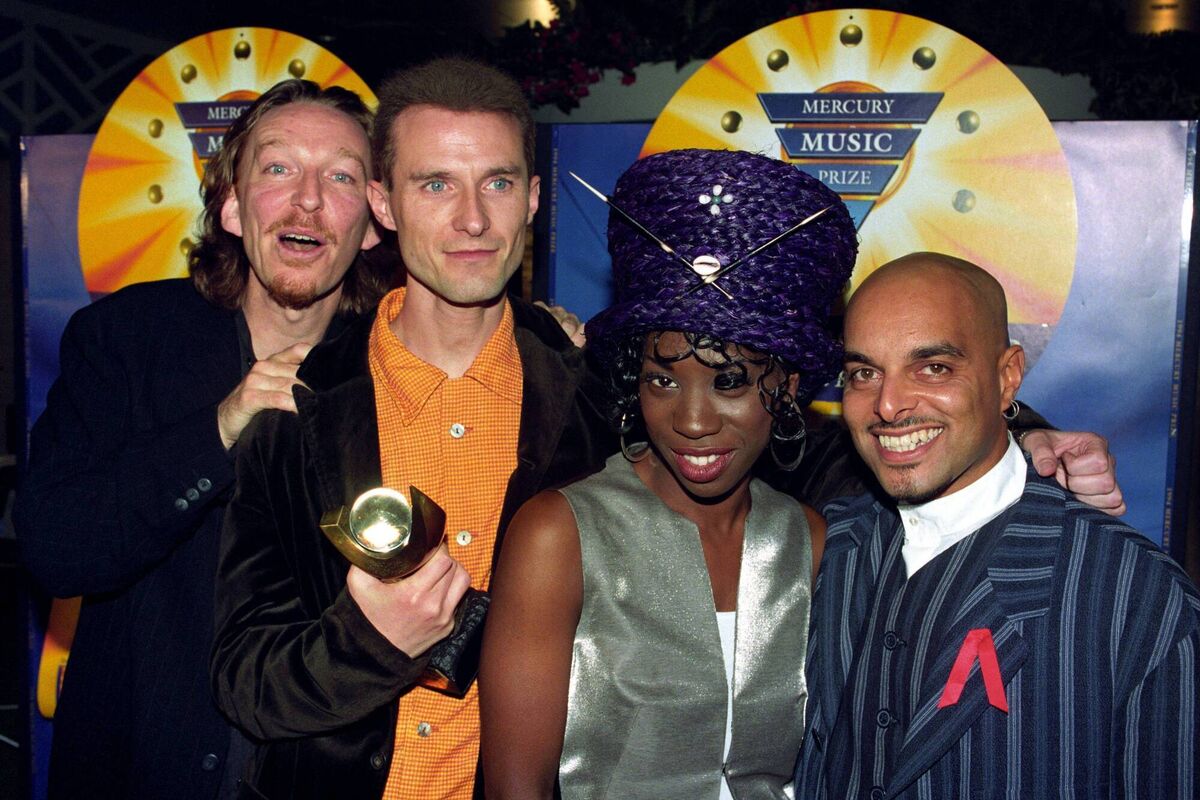
Mike Pickering with the other members of M-People

As he moved away from the Hacienda, Pickering stayed involved in music, primarily with the formation of M-People, a band that brought him back to Cork to play at Feile 95, and that went on to sell over 11 million records. In later years, he became involved behind the scenes with the success of artists such as Calvin Harris and Kasabian.

Pickering still DJs for such events as the Manchester Warehouse Project and is an advocate for the importance of club culture in uniting people around music and creativity. While not one to wallow in nostalgia, he isn’t a fan of the current penchant for multi-DJ nights where people might only get two hours behind the decks.

“I just think they’re missing out on something. A young guy asked for advice recently and I said to try to find a space or venue, and build your own night. Build your own people who come to listen to you because they like your taste.” 

And given the miles he’s clocked in so many aspects of the business, does he still get pleasure from music?

“I absolutely love it. Even now, I still get a buzz off finding a new record that people go mad to. That’s the buzz with a DJ… always looking for something new.”

  • Manchester Must Dance: A Life of Music, Madness and Moving On Up, by Mike Pickering (with Paul Morley), is published in April by Manchester University Press

Moving on up: A question of taste with Mike Pickering

Current listening?

The last album that I really buzzed off was Lux, by Rosalia. I think she’s just groundbreaking — there’s nothing else like it. And there was a thing that came up where you can listen to the music and read the lyrics, because obviously she sings in Spanish. And they were just really inspiring, especially for Catholics!

Besides the Hacienda and Sir Henry’s, where did you have your favourite club experiences?

Danceteria was obviously a massive one [Pickering was a regular at the seminal New York club in the early 1980s]. Also in New York, I used to love Paradise Garage [pioneering club where Larry Levan was resident DJ]. And Cream in Liverpool. That was just a really well-run club with great rooms and a great crowd.

All-time favourite Manchester City moment?

Mike Pickering celebrating a Manchester City trophy with Manchester Must Dance Noel Gallagher, Pep Guardiola with trophy cup

There’s two for me, and I was there for both of them. Sergio Aguero’s goal against QPR [the 2012 injury-time winner that clinched the club’s first league title since 1968]. And winning the Champions League in Istanbul in 2023.

Your bedroom is on fire. Which five house-music records would you save?

No Way Back, by Adonis: That was the record that kind of I stood back and thought, wow, this is a new form of music. But I also thought it was really punk, because it was just a drum machine and a bass line and a guy speaking.

Voodoo Ray, by A Guy Called Gerald: Again, it was just a totally different, weird record. Just totally, totally different from anything else that was around. And it’s become an anthem, really. The fact that it’s from Manchester also made it special. I always say it’s the Mancunian national anthem.

Someday, by CeCe Rogers: This was a record that I used to play towards the end of the night. It was just a beautiful soul house record with really deep lyrics.

Strings of Life, by Derek May: I thought that was an incredible record. It’s almost like a cinematic, orchestral masterpiece, really.

Promised Land, by Joe Smooth: Again, the lyrical content. But overall it’s a very difficult choice to make because there are so many modern records that I love too.

x

More in this section

Scene & Heard

Newsletter

Music, film art, culture, books and more from Munster and beyond.......curated weekly by the Irish Examiner Arts Editor.

Cookie Policy Privacy Policy Brand Safety FAQ Help Contact Us Terms and Conditions

© Examiner Echo Group Limited