Tom Dunne: An attic discovery reminded of the glory of long-lost CD compilations
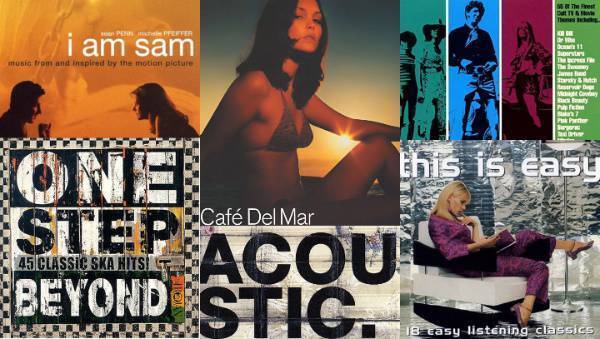
Tom Dunne recently discovered a treasure trove of CDs in his attic.

Okay, how do I put this: remember that advice I may have given you about your CD collection? The advice that included words like landfill, glorified WAV storage and worthless? Great. Now, the hard question: you didn’t listen to me, did you?
If you did, I can but hope you got some money for them and invested it wisely. Because — sit down, breathe — you may need it to buy some of them back. Turns out streaming services can’t do everything after all. They certainly can’t do compilations.
Anyone who has ever made a mixtape or a playlist for a friend will know there is an art to it. It’s as much about what you don’t put on it as what you do. The tracks should take you on an emotional journey, segueing, twisting and surprising. It takes time, love, knowledge.
Occasionally, on my old radio show , the CD-era version of the show I do now, a compilation would come in that would floor me. You’d look at the track listing and think: “Someone somewhere knows what they are doing.” The good news? Of the 800 CDs I kept (from 6,000), these were the main ones.
They are in the attic but last week I had a look: untouched since September 2023 — an absolute treasure trove.
My eye was drawn to a Virgin/EMI compilation from 2004. “Refreshingly different, quite fascinating and thoroughly enjoyable from start to finish,” says the sleeve — and they’re right, it absolutely is.
CD 1, side, segues Percy Faith and Sandie Shaw with Herb Alpert’s version of CD 2, , is more traditional, but tracks from Dionne Warwick, Bobby Gentry and Burt Bacharach are elevated by the inclusion of Isaac Hayes and Peggy Lee.
In the same series is . CD 1, , combines the themes from and with and CD 2 does the same with film: there’s a lot of Tarantino and a lot of Ennio Morricone. It’s stunning.
In 2002, the Echo label, via V2, put out a series of CDs called , beautifully sleeved in matching wallpaper. I suspect they were an attempt to manufacture a “scene” by simply lumping acts that sounded alike together — again, what can I say? It worked.
Newer acoustic tracks by the likes of Badly Drawn Boy, Radiohead, Ryan Adams, and Doves nestled beside equally gentle classic offerings from Nick Drake, Eva Cassidy, The Byrds and John Martyn. Not much Irish, apart from Damien Rice, but I have a sneaking suspicion it was his success that inspired the entire series.
There was also the Mercury Records series that ran from about 2000: dreamy, spaced-out remixes from Lux and Moby that set new standards in 'come-down' music. I had never attended the legendary Ibiza club physically but, like many who bought this, I was there in spirit.
There were others: the series on 4AD, on which the Kazan Cathedral version of Depeche Mode’s first made its way to these ears. Equally, themed compilations — (ska classics) and Deram’s — were often the work of people who adored these genres.
But what about the film soundtracks? 2001’s was notable for many reasons: Sean Penn was Oscar-nominated; it introduced the world to Elle Fanning (aged three) and Dakota Fanning, seven. But it was the soundtrack that most amazed.
Director Jessie Nelson had the idea to get various artists to cover Beatles tracks. Nick Cave does , Paul Westerberg Aimee Mann and Michael Penn cover and Ben Folds’ version of is almost definitive.
Then there is (Macca does the title track), the Dylan biopic (Cat Power’s version of ), or the superlative where various people (Jeff Tweedy, Ivy) cover the songs of Steely Dan.
The problem streaming services have with these soundtracks is licensing: the tracks are only licensed for temporary use. Pull up now and you’ll find only two of the original 16 tracks. It’s worse with compilations.
But the real problem is this: Spotify can store music. It just can’t love it. Never take my advice again.