'Nobody is guaranteed to have democracy for ever': Raoul Peck on his new George Orwell film
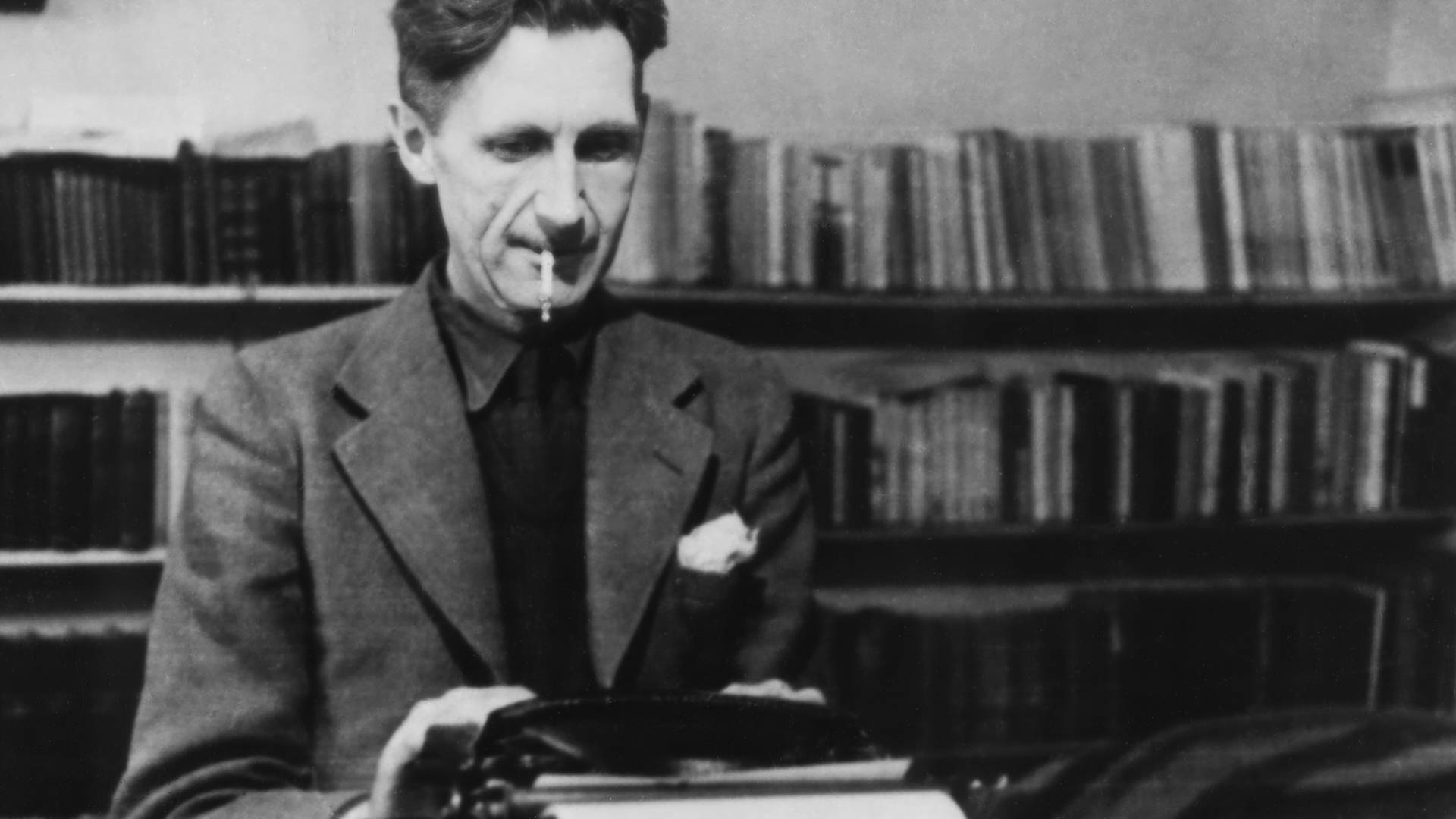
Orwell: 2+2=5 opens in selected Irish cinemas on Friday.
Raoul Peck has good reasons to tackle the life of George Orwell and the lessons to be learned from Orwell’s political writings.
Peck knows more than most about authoritarian regimes. He was born in Haiti in 1953. As an eight-year-old child, his family fled the François 'Papa Doc' Duvalier dictatorship. As a teenager in the late 1960s, he lived under the Congo’s military dictatorship.
Peck has since devoted a chunk of his life to studying figures such as Karl Marx and the slain Congolese impendence leader Patrice Lumumba as well as exploring the United States’ history of racism in his BAFTA Award-winning film, Now he has turned his gaze on Orwell.
“I knew enough about Orwell to know he would make a great film. What I did not expect is how close Orwell would become to me. I discovered somebody that had almost come from the Third World,” says Peck.
George Orwell was the pen name of Eric Arthur Blair, who was born in Motihari, a city in India, in 1903. A decade of his childhood was endured at English boarding schools, including Eton College.
In a formative experience, he then spent five years in Burma with the Indian Imperial Police, a brutalising episode that marked him, tormenting him with memories of bullying subordinates, of servants and “coolies” he had hit with his fists in moments of rage.
“Going to Burma as a British person in his 20s was a turning point for him,” says Peck. “He discovered colonialism. He understood the absurdity of colonialism, the racism, the abuse, the killings. He was part of it.
"In order to respect himself, he had to come clean about it. So, he wrote about it in a time when it was easier to be just a Eurocentric writer, to brush it away. But no, he wrote about his own personal responsibility."
He points out how, later, Orwell volunteered to go to the Spanish Civil War. "Again, he confronted reality and not in an intellectual way. He put his body in danger. That trajectory is important.
"It's not some British intellectual at his desk writing about the world. That's what gave his work credibility – street cred. That was a deep connection for me because I felt he came to my world. He understood my world. He spoke to me not as an extravagant European thinker, giving lessons to the rest of the world. No, he went to the rest of the world and understood it.”
One of the things Orwell understood about the world is that one does not have to live in a totalitarian country “to be corrupted by totalitarianism”. It’s not only despots such as General Min Aung Hlaing (Myanmar), Ferdinand Marcos (Philippines) or General Augusto Pinochet (Chile) that can wreak havoc. So-called democracies can too.
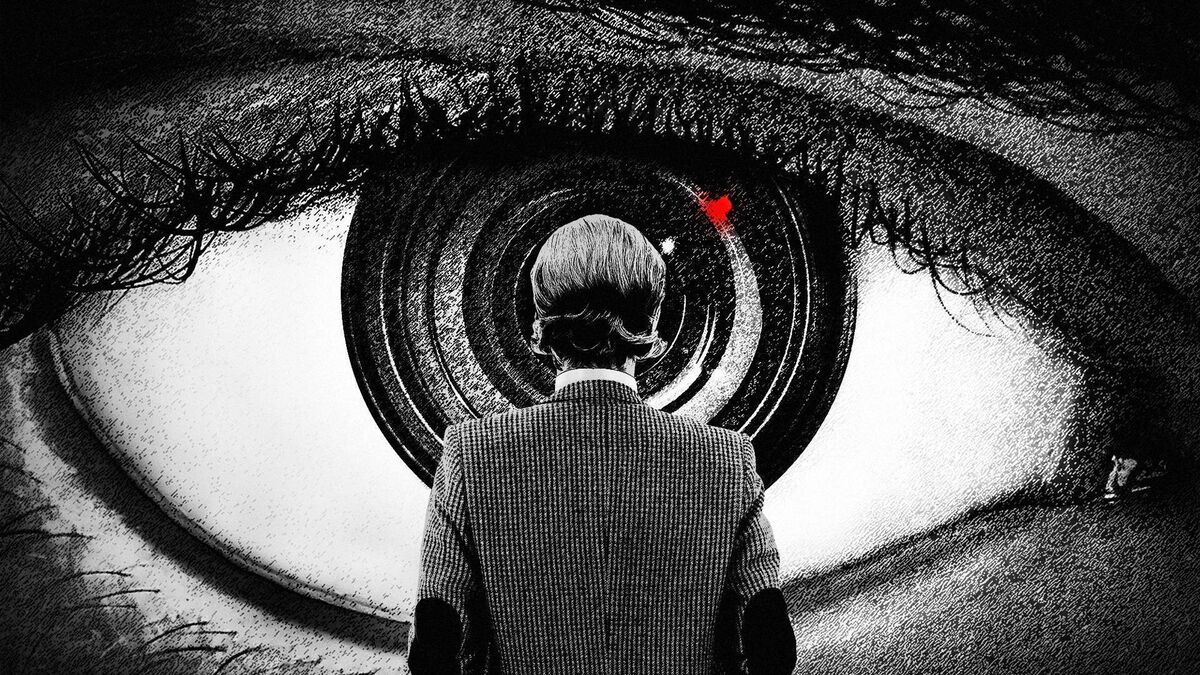
Peck’s film, cites the 2003 invasion of Iraq as an example, quoting US president George W Bush, busy laying the groundwork, in a speech a year beforehand: “Tonight, I want to discuss a grave threat to peace. The threat comes from Iraq. It arises directly from the Iraqi regime’s own actions. Its history of aggression and its drive towards an arsenal of terror.”
is shot through with dreamlike sequences from unexpected movies such as David Lean’s and Sydney Pollack’s satirical John Cleese sketches; classic film versions of Orwell’s , starring Edmond O’Brien (1956) and John Hurt (1984); and Ralph Steadman’s illustrations of
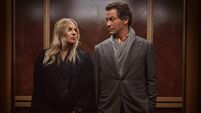
The decision to choose Damian Lewis — known for many film roles and such TV shows role as and — as the voice of Orwell, reading from his diaries and papers, was inspired.
He captures Orwell’s sense of humour (dismissing Jean-Paul Sartre as “a bag of wind”) and his foreboding outlook, as the writer battled — and ultimately succumbed to — tuberculosis while finishing the manuscript for which was published six months before Orwell died in January 1950.
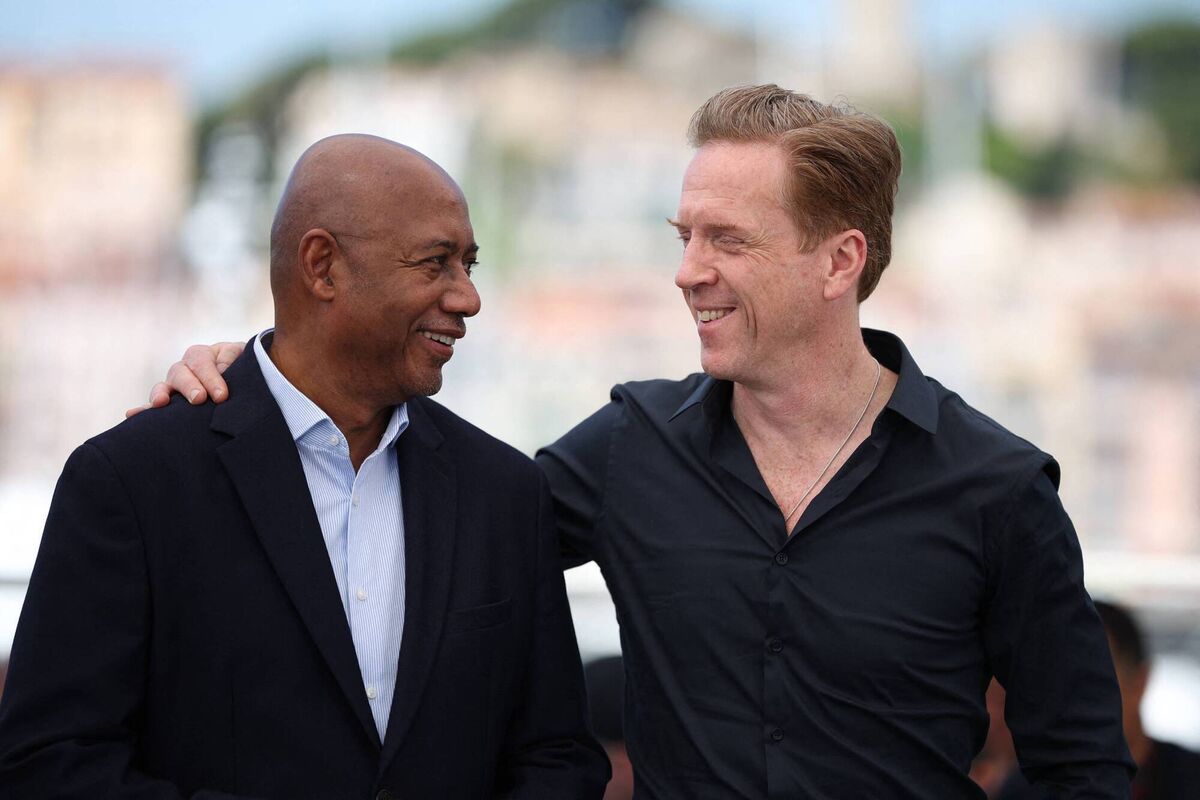
“It’s a performance — Damian had to be Orwell,” says Peck. “He studied for that role. It's like he was going on stage alone talking. I knew Damian is a great actor. He has done Shakespeare. I knew he would get it — what I wanted.
"That's why it becomes very personal. It's not somebody who's reading a text. It's a text that goes through a body with emotions. He's totally in it. You can feel it, the way he breathes, his humour, his irony. It’s sincere. You have to feel it as an audience.”
Inevitably, US president Donald Trump — a master purveyor of fake news — looms large in At one stage, the documentary scrolls down through an infamous page from December 2017, which catalogued a list of Trump’s lies from that year. I ask Peck what would Orwell — if he was alive today — make of Trump?
“Orwell would say, ‘Bloody hell, I warned you! Which words didn’t you understand?’ You could ask the same question about what he would make about the current government in Britain.
"It’s all there to read in Orwell’s articles, book critiques, not only his books. He said, ‘I put the story of in Britain because I wanted to make sure that Britain understands that it can happen as well here.’ It can happen in an anglophone country.
"Nobody is guaranteed to have democracy forever. Democracy is something you fight for every day. It's not a consumer good that you buy and you put it on your shelf and it’s there. It's a fight. People who have grown up in a dictatorship know that.”
- will be released in select Irish cinemas on Friday, March 27
When George Orwell set about writing a novel — for example, his timeless works, and — his driving motivation was to expose lies. He despised lies and treachery in language — how totalitarian regimes can manipulate meaning, brainwashing people into submissiveness.
As Orwell once wrote: “Political language is designed to make lies sound truthful and murder respectable.”
In the film, there is footage of the Israeli prime minister, Binyamin Netanyahu, delivering a speech, banging his hand on a lectern, proclaiming: “Here’s the truth. Israel seeks peace. Israel yearns for peace. Israel has made peace and will make peace again.”
He may as well have been repeating the Orwellian catchphrase from : “War is Peace”.
Then, juxtaposed against a background of gentle classical music, examples of how political and military language is distorted flash up on screen, including “special military operation” (invasion of Ukraine); “vocational training centre” (concentration camp); “legal use of force” (police brutality); “illegals” (refugees); “antisemitism” (weaponised term to silence critics of Israeli military action).
“Without knowing it, I was learning about Newspeak growing up in Haiti [in the 1950s] and the Congo [in the 1960s],” says Peck.
“I was learning about the contradiction of Western world politics towards countries like the Congo or elsewhere, saying they supported democracy and progress while they supported dictatorships in our countries. Orwell’s slogan, ‘War is Peace’ — I grew up with that lie, that double language. ‘Ignorance is truth.’ It's nothing new.”