Tom Dunne: From Horslips to CMAT — the six albums that shaped modern Irish music
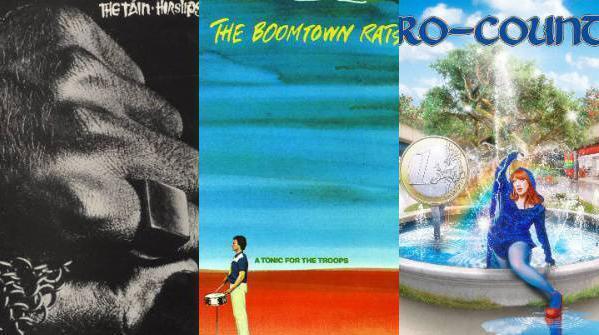
Horslips, the Boomtown Rats, and Cmat feature in Tom Dunne's alternative history of Ireland.

With the winning of Oscars becoming quite commonplace in Cork and Kerry these days and Saint Patrick’s Day as usual giving us an opportunity to marvel at ourselves, I thought it might be useful to point out something: It was not always thus. Trust me, baby, we’ve come a long way.
And whilst the road to this new reality was a complex one and involved education, improved economics and the support and guidance of parents, educators and myriad other talented selfless people, I, as usual, want to highlight one thing. Music, the gateway drug and catalyst to so much.
It is no accident Jessie Buckley’s and Cillian Murphy’s initial steps into the arts world were via music. It’s the easiest thing to try your hand at and it surrounds you from day one. But the Irish music universe as it exists was driven by some prime movers. This be they.
Prior to their arrival: 650 showbands and only three International standard original artists, Van, Rory and Gilbert. By the time Horslips spilt, it is a parallel universe with a sea of original bands, one of whom will become the biggest group in the world. It wasn’t St Patrick that drove the snakes out of Ireland, it was Horslips.
How did they do this? Simple. They played regularly in every venue in Ireland. People who had never before seen an original Irish band got to see one. The effect was transformative. People at the gigs went into writing (Pat McCabe) or formed bands (U2). They ignited a flame of creativity.
While post-Horslips Ireland was now generating numerous brilliant original bands and Thin Lizzy were becoming ascendent, nothing had quite the same transformative effect as The Rats. No one had ever seen an arrogant Irish man before, a man apoplectic with anger at what he called the “banana republic”.
But seeing Geldof shape that anger into songs like and was another thing entirely. The Rats at No 1 on Top of the Pops ripping up a picture of John Travolta and Olivia Newton John was our Beatles/ Ed Sullivan moment, and would later inspire Sinead to rip up a picture of the Pope on
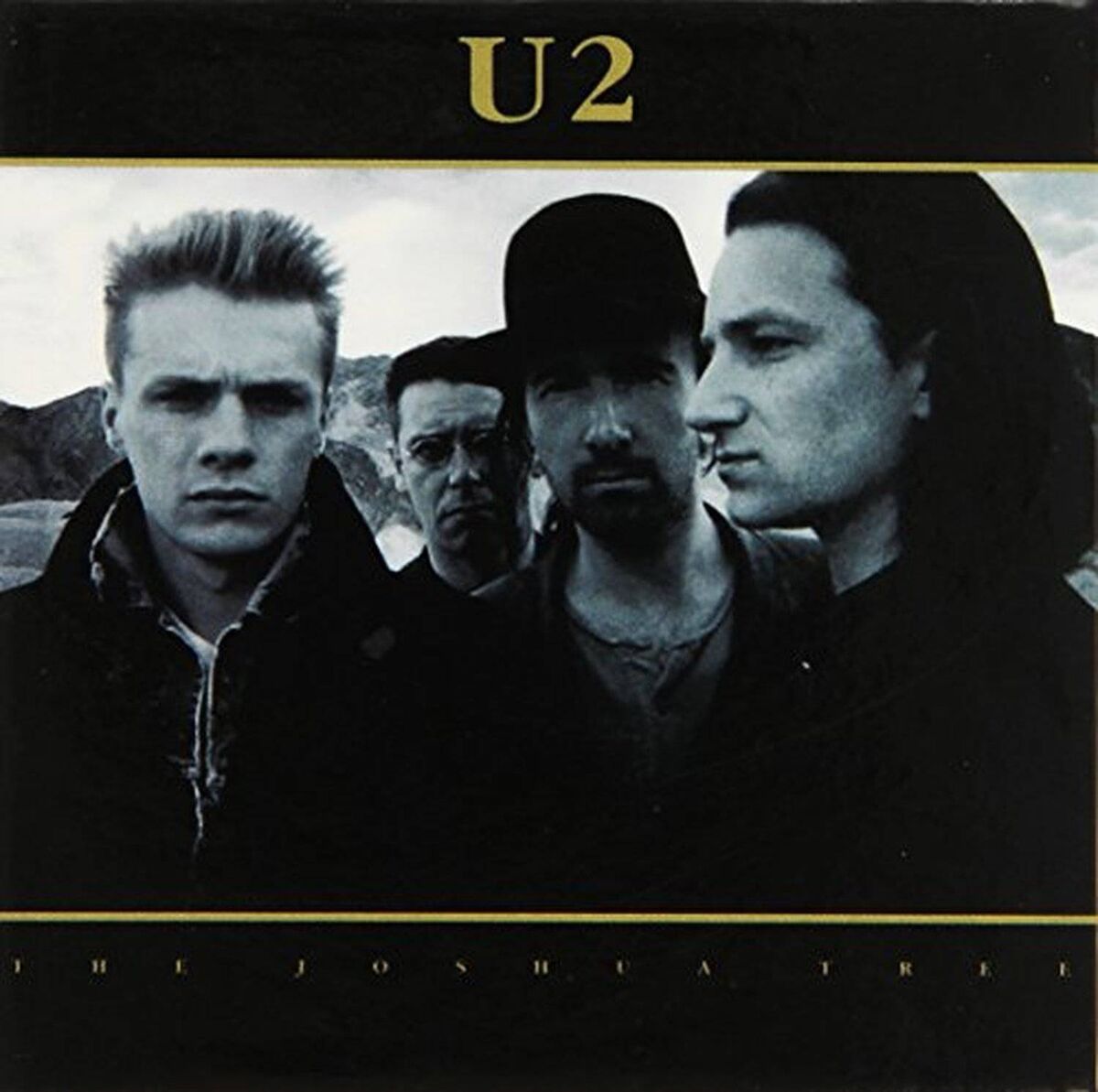
I may never be able to explain adequately what it was like for people in bands in Ireland to see U2 on the cover of Time magazine. The band we’d seen in McGonagle’s, the band whose singles we had collected paraded as “Rock’s Hottest Ticket”. Blimey.
Rehearsal rooms were rebooked, lesser committed band members sidelined, demo tapes recorded and potential managers interviewed. A career in music suddenly looked like a possibility, a real possibility, something the CAO should think about. It wasn’t that crazy after all.
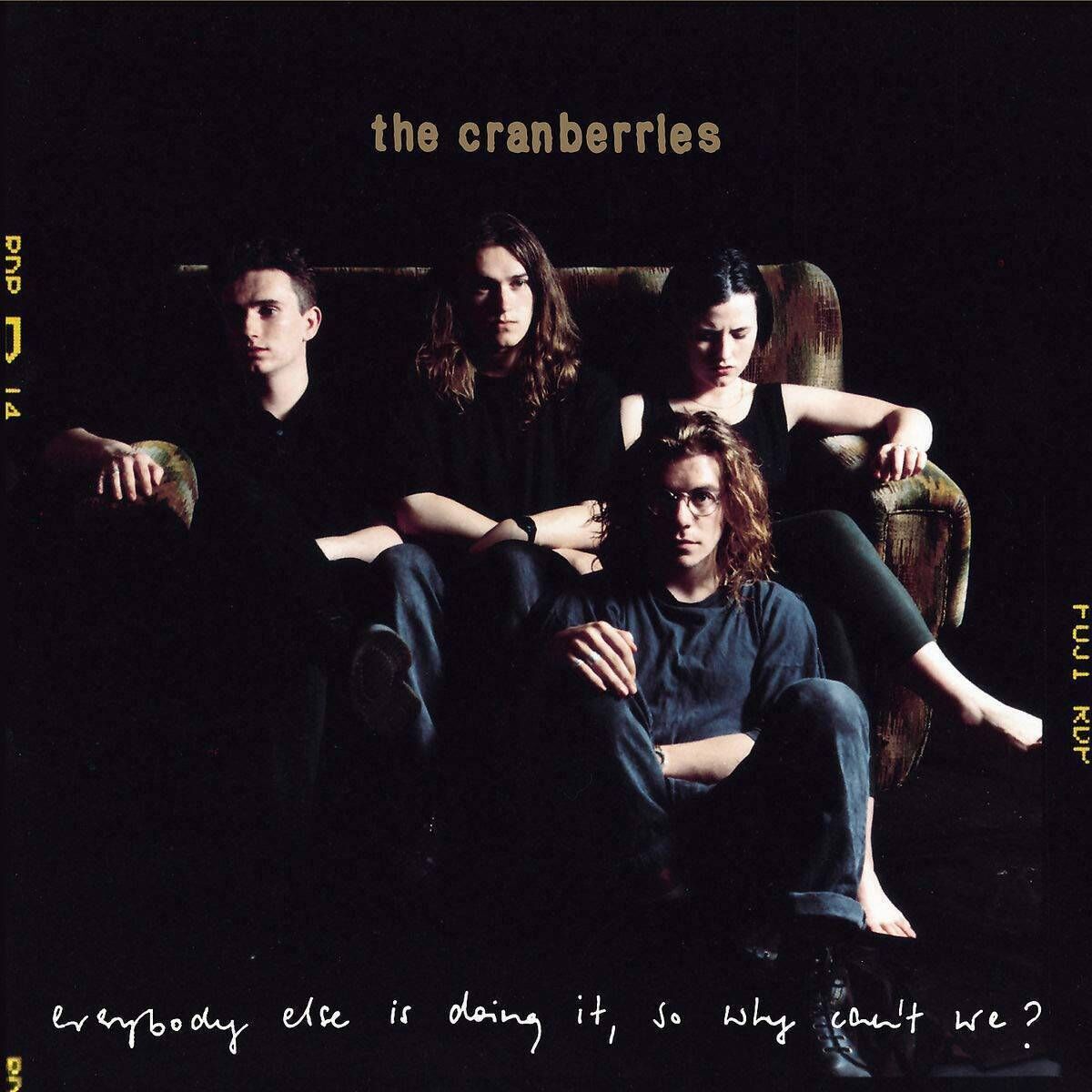
The title said a lot. It came just after the explosion of the Féile gigs. The idea the U2 weren’t a one-off and others now had a blueprint with which to take on that world – real talent, your own voice, the right producer, tour support – suddenly took hold. And it wasn’t just Dublin; it was Cork, Limerick or anywhere. Why not us indeed?
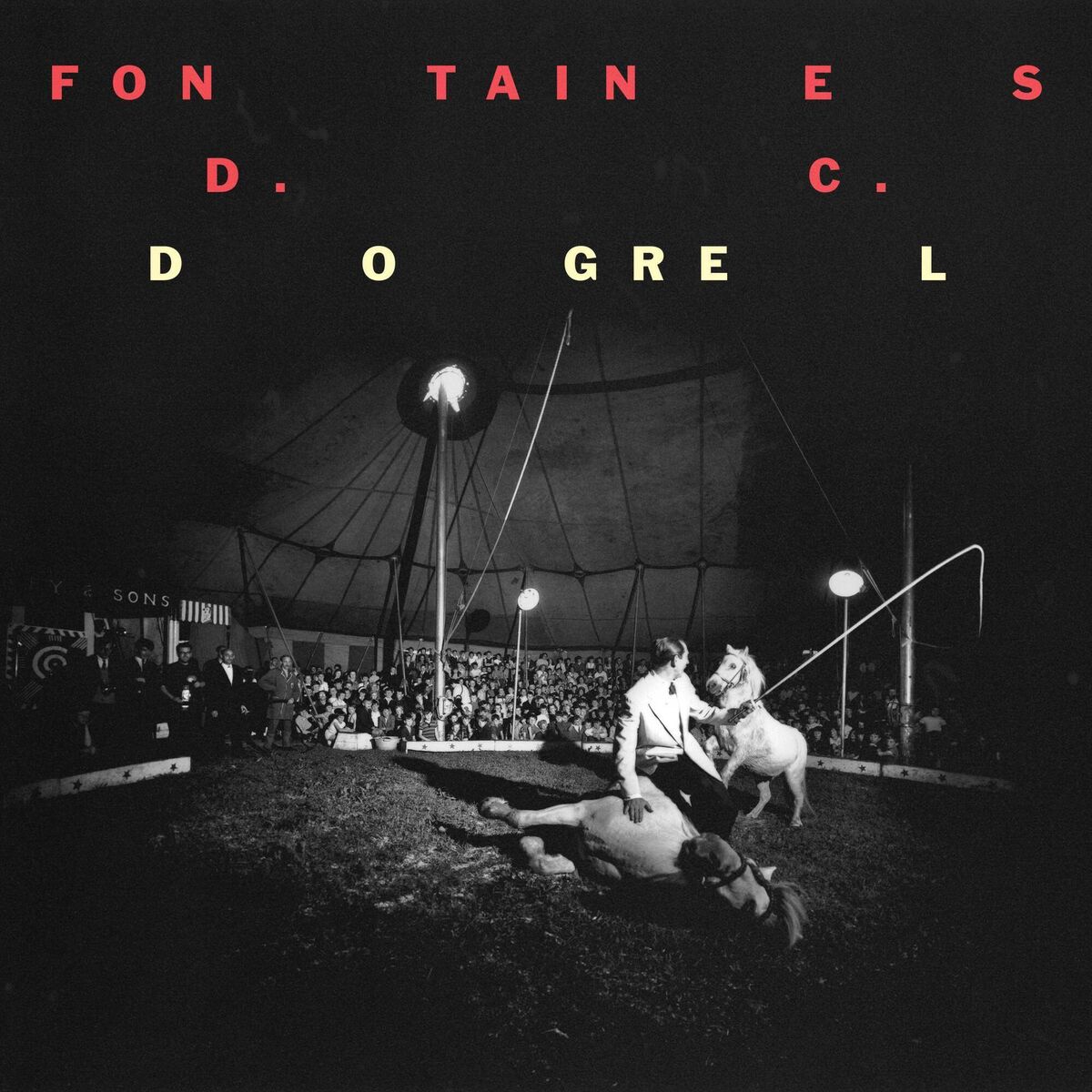
This is quite a jump in time. I’ve gone past albums by people like Damien Rice because the story after 1995 became more complicated. We had more commercial success than ever, but bands inspired to form because of Take That didn’t tick quite as many boxes in the original material stakes.
But behind those record sales the “credible” the music scene was deepening its roots, with brilliant albums from people like The Frames and Bell X1. There were new specialist music shows, new venues and the opening of BIMM Music Institute.
A college specializing in modern music education that focuses on industry connections, performance, and a creative career would have seemed weird to Horslips fans. You no longer had to stand around the indie section in your local record shop and hope for the best!
I can’t help but suspect that all roads were leading to this place. If you were only allowed one album to represent Ireland Today it would be this. This is why Horslips donned the green alligator suits. It’s the sound of freedom. Long may it live.