Still rearing its head: Godzilla and our enduring love of the Japanese monster
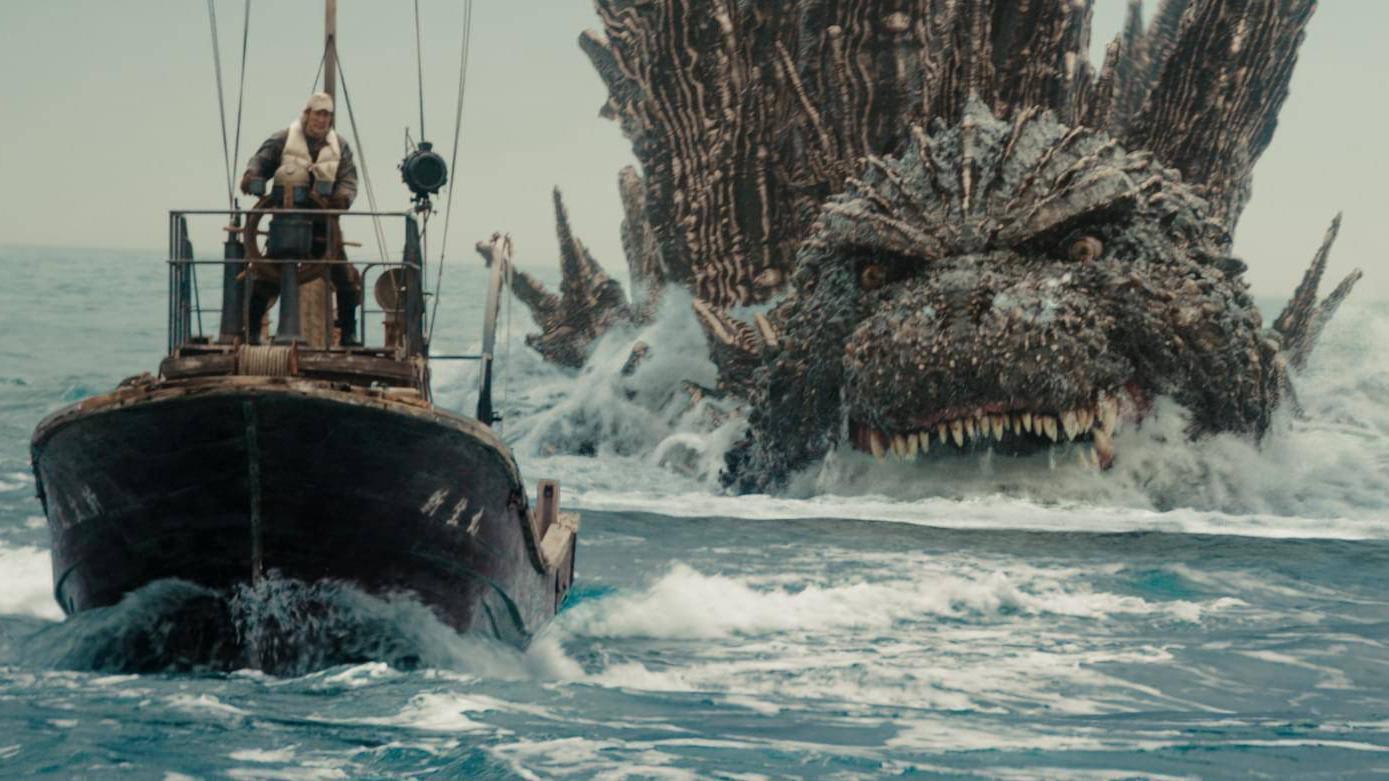
Godzilla Minus One gave the Godzilla series its first Oscar.
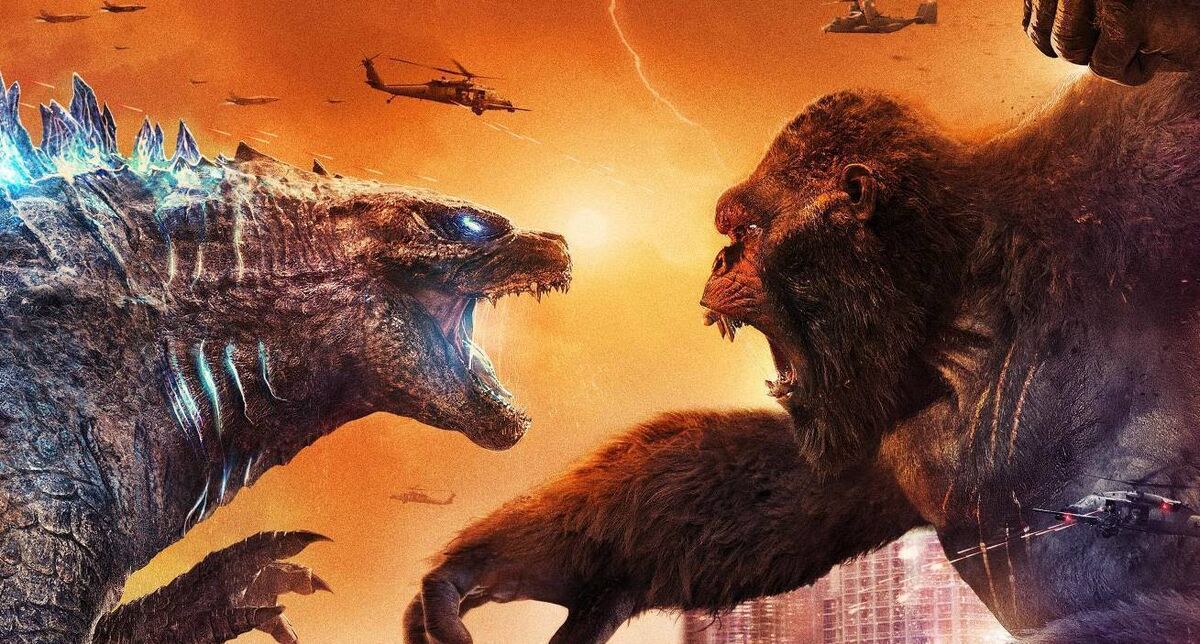
Giant monsters have been doing a roaring trade on the big screen for decades — but recently their popularity has undergone a huge growth spurt. In 2021, Hollywood enjoyed one of its first post-pandemic smashes with the two-hour smackdown that was — the heartwarming story of a giant lizard tangling with a huge gorilla on land, sea and across some of Hong Kong’s most expensive real estate.
Then in 2024, Godzilla — the marauding big boss of monster movies since the 1950s — won its first-ever Oscar for the acclaimed where the metaphor of a giant lizard was a stand-in for Japan’s post-war trauma. As if to remind us that you can’t keep a big thing down, Godzilla then punched its way to another success with the English-language hit
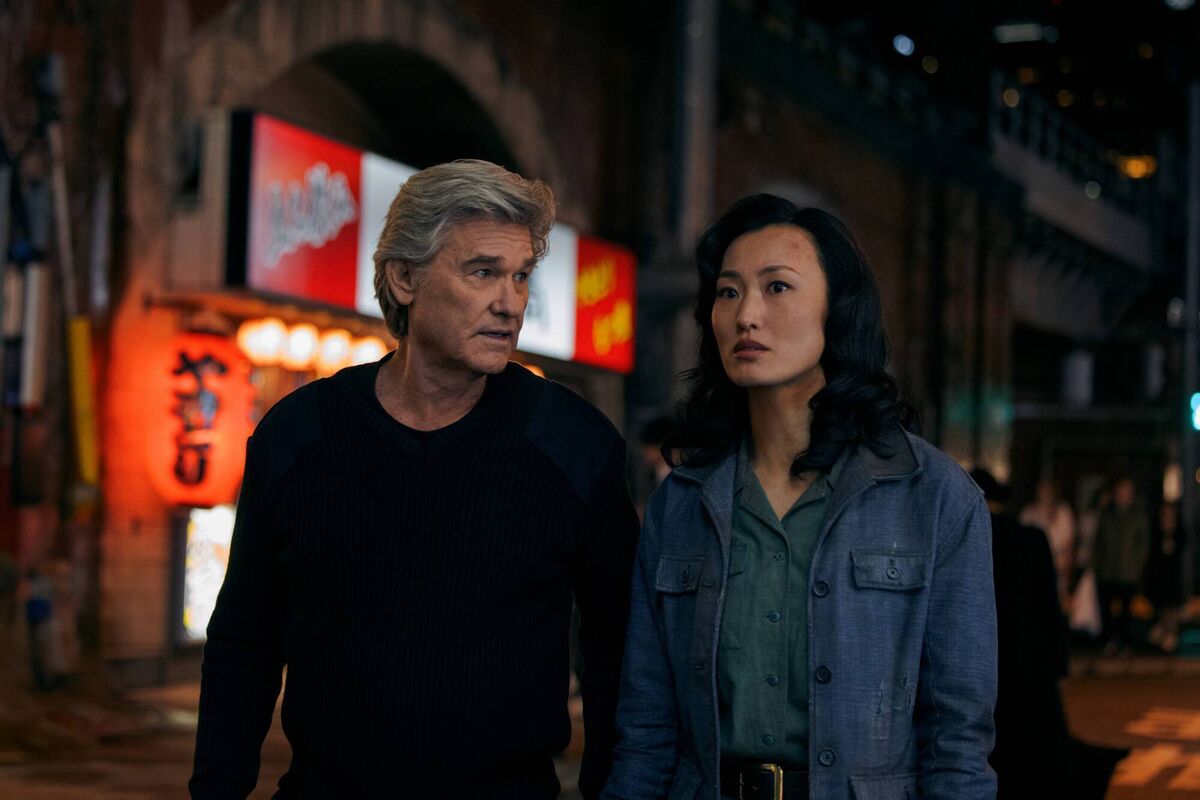
The saga of Godzilla, Kong, and their monstrous foes and friends now reaches a new chapter with the second season of — the Apple TV+ show in which Kurt Russell plays a veteran US soldier who has tangled with Godzilla and lived to tell the tale. It’s a magnificent monster mash — and one of Apple’s biggest shows, with ratings that stomp all over the more feted or
Godzilla turned 70 in 2024 — the original Ishirō Honda movie was released in 1954 by Tokyo’s Toho Studios — and yet the big brute has never been in better health. That is true in both English and Japanese. While the Godzilla vs Kong films are part of Legendary Pictures’ “MonsterVerse” of films (distributed by Warner Bros.) that extends back to 2014’s.
Toho then went one step further with which riffed on the 1954 original’s depiction of the giant monster as a marauding force of nature — indifferent to the suffering it inflicted as it wrecked everything in its path. A follow-up, arrives in November, while Legendary’s is due in March 2027. The destruction will continue until morale improves.
But why are giant monsters enjoying a resurgence in 2024, when big franchises such as Marvel are going through a slump? How is it that we have gone cold on men and women in spandex costumes, while we embrace kaiju laying waste to our cities?
“Kaiju have become the new superheroes. Much like anime, after years of blossoming in its niche fandom here in the West, kaiju have expanded into mainstream popularity,” says Nathan Marchand, host of podcast.
The reasons behind the boom run from the obvious to the more nuanced. At a surface level, it will never not be fun watching huge monsters biff each other and crash into skyscrapers. It’s just fun — we don’t need to over think it. But for Nathan Marchand, part of the thrill of kaiju cinema lies in its earnestness — there’s no joking around or reliance on self-referential humour. These films believe sincerely a proper monster mash is absolutely peak cinema.
“Audiences are looking for something genuine and unironic. As silly as the last two MonsterVerse movies have been, they never wink at the camera. They're unabashedly themselves. burst onto the scene when audiences were disappointed with Hollywood's expensive slop. The kaiju genre offered horror and heroics,” says Marchand.
On the other hand, kaiju were never just about spectacle. The story of the original Godzilla — that vengeful atomic force rising from the deep — drew both on Japan’s experience of the Hiroshima and Nagasaki bombings and the case of the Lucky Dragon No 5, a Japanese fishing boat contaminated by fallout from American nuclear testing in Bikini Atoll, just eight months before roared into cinemas.
The sailors limped back to Japan suffering the effects of the blast — much as Godzilla staggers, confused, into Tokyo, having endured the mutated aftereffects of a nuclear explosion.
“Some of the more common themes of kaiju cinema — environmental devastation, mankind's hubris, misuse of science — are, sadly, more relevant than ever,” says Steven Sloss, kaiju expert and author of the forthcoming book . “If we look at any major headline hitting news outlets these days, it's easy to see why a genre that explores the arrogance of mankind is more relevant and popular than ever.”
Godzilla also benefits from the fact that different filmmakers have always had their own take on the character. That’s especially true nowadays — with the more serious Toho Godzilla offering a satisfying counterweight to his cartoonish MonsterVerse.
“Toho's homegrown Godzilla features and the US-produced MonsterVerse franchise exist in a nice harmony, both informing each other. Gareth Edwards’s Godzilla from 2014 was the first feature in a decade, and it paved the way for Toho to revive their own series with in 2016, which in turn helped ignite interest in further sequels to Edwards’ film,” says Sloss. “There's a lovely synergy to it all, and it feels like, with the vast array of Godzilla projects on offer at the moment, there's something for everyone.”
The big change, of course, is that nowadays Godzilla is a fully CGI affair, whereas for decades the character was depicted by a man in a rubber suit — starting with Haruo Nakajima in the Honda original. Much has been gained in this transition — but has something been lost? After all, for long-standing Godzilla fans, the cheesy rubber-suit component was part of the fun.
“I do miss the practical effects the Godzilla series was built on, with and having pivoted entirely to CGI,” agrees Sloss. “These two productions, however, utilise their digital effects much more sensibly and reservedly than any Hollywood contemporary, achieving heightened senses of reality and terror.”
In the Godzilla movies, the eponymous monster displays a remarkable ability to come back from near-certain death. He’s been shot at, nuked, and bashed to bits by other monsters. Nothing can stop him — and that quality has carried over into the real world.
“The MonsterVerse is arguably the last cinematic universe left standing as the MCU crumbles and the new DC Universe seems DOA,” enthuses Nathan Marchand. “The excitement surrounding whatever comes next for Godzilla shows that the Japanese continue to make media that isn't just wanted in their homeland — it’s desperately needed in the Western world.”
- Series two of is on Apple TV + now.
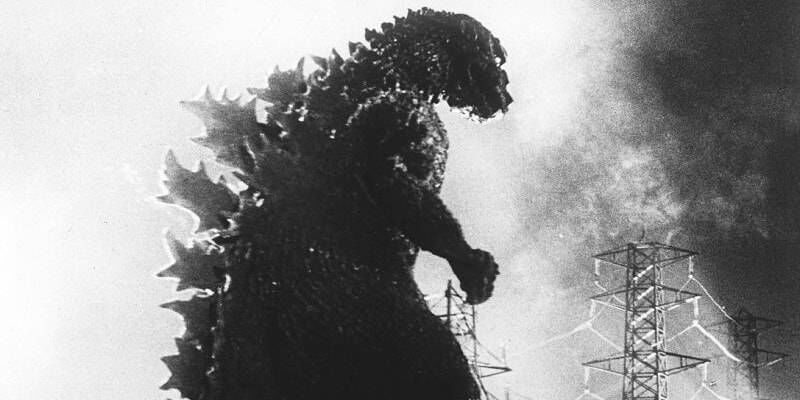
1. Godzilla (1954): In the Toho original, Godzilla is a terrifying force of atomic retribution, emerging from the deep and laying waste to Tokyo with chilling enthusiasm.
: State-of-the-art special effects bring the original post-War Godzilla terrifyingly to life as his arrival is interwoven with the story of a kamikaze pilot wracked with guilt after surviving the conflict.
Considered a failure at the time, this darker Godzilla film sees the big lizard tangling with a giant killer plant - one of the most terrifying kaiju to ever make it to the screen.
In many ways a silly, disposable Godzilla entry, but this mid-1960s' film will forever claim a stake in movie history for introducing the Godzilla “victory pose” — a triumphant dance following his defeat of King Ghidorah on Planet X. “The greatest nine seconds in cinema history,” as one YouTube commentary correctly observes.
Billed as a direct sequel to the 1954 OG, this mid-1990s' classic features some of the best-ever Godzilla suit effects, a terrifying opponent in the unstoppable Destroyah, and a heartbreaking finale in which Godzilla sacrifices himself to save his scion, Godzilla Jr.