Book review: Thematic scope to why Mesopotamia matters
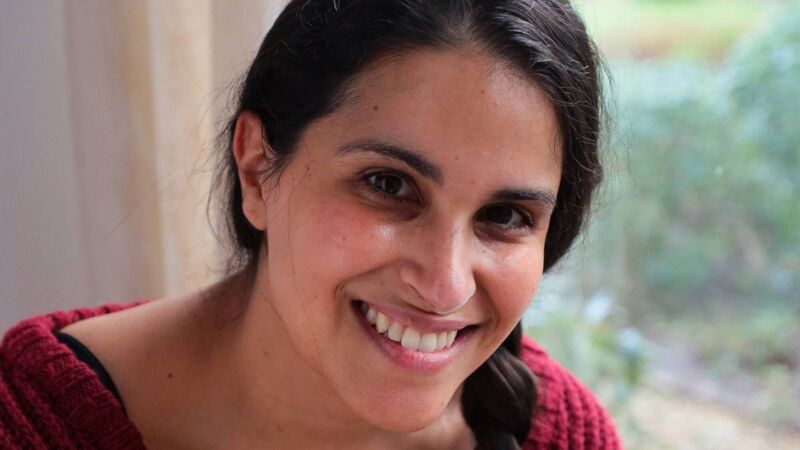
Anyone wishing to dip their toes in the wonders of Mesopotamia for the first time would do well to start with 'Between Two Rivers'
Book review: Thematic scope to why Mesopotamia matters

Moudhy Al-Rashid's enduring sense of wonder shines out from every page of 'Between Two Rivers'. 

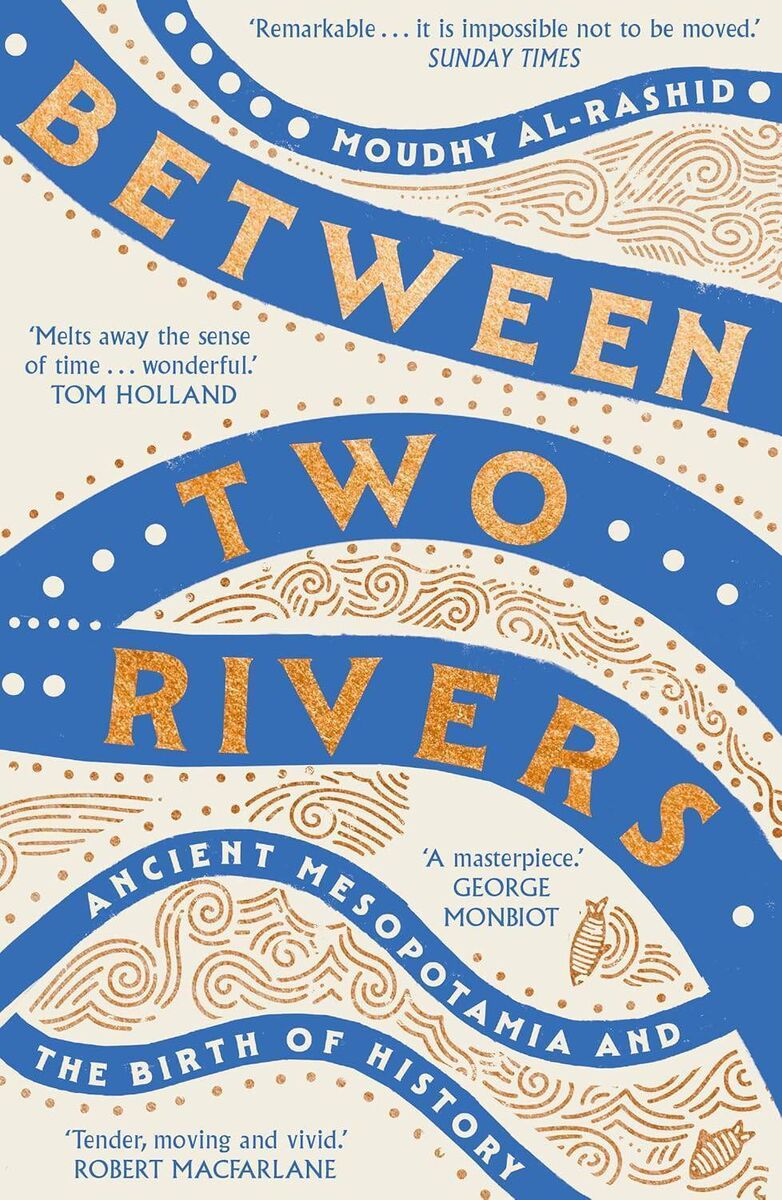
  • Between Two Rivers: Ancient Mesopotamia and the Birth of History
  • Moudhy Al-Rashid
  • Hodder, £12.99

The title of the introductory chapter to Moudhy Al-Rashid’s Between Two Rivers is “Mesopotamia Matters”. It cleverly signals, in the space of two words, the book’s thematic scope.

Firstly, Mesopotamia matters because it is the “cradle of civilisation”. So much of human art and culture, including the tradition of writing, originates in the land between the rivers Tigris and Euphrates.

Secondly, the book gives us multiple insights into the matters of Mesopotamian life in very ancient times — the affairs of government, commerce, education, and more.

And, finally, much of Moudhy Al-Rashid’s book is devoted to physical matter itself: The artefacts that Mesopotamian civilisations left behind — a statue, school tablets, a boundary stone.

The landscape’s wealth of clay, into which symbols and signs, and eventually cuneiform script could be carved, helped to “enable the birth of the written word” (first developed, Al-Rashid reminds us, “not to write sonnets, but receipts”).

Even the smallest item can open up intense, vertiginous feelings of closeness to people from thousands of years ago. 

When the author first held a cuneiform tablet, it felt, she recalls, like she was holding hands with the scribe who cradled the wet clay while impressing on it the distinctive wedges.

Ancient people not so very different to us

“From stories and snapshots left behind in clay,” Al-Rashid reflects, “we know these ancient people were not so very different from any of us”, offering as one among many examples a Babylonian lullaby for a parent desperate to comfort a crying baby, while also drawing out moral lessons for our own time: “We are more than the sum of our differences.”
But we also gets glimpses of shockingly different values and assumptions. 

Overshadowing dazzling finds at the ancient city of Ur, withs its famous ziggurat, were “sinister signs of human sacrifice”: the remains of people whose death may have formed part of a funerary ritual for the city’s elite. 

And there are startling facts to absorb: the wall that surrounded the city of Uruk contained over 300m baked mud bricks and was the product of over 2m working days of labour. 

(We learn this from a chapter called “The Brick of Amar-Suen”, found around 675BC, when it was by then already two millennia old, by an Assyrian governor of Ur.) 

We learn too of a time when beer brewing and drinking was part of daily life around the Persian Gulf.

People and places of once immense importance, but now unknown to many, hove back into view continuously: the city of Akkad, for example. 

Its leader Sargon founded what many think was the world’s first empire. Yet the remnants of Akkad have never been found.

Lurking on every page are the archaeologists and philologists from far beyond Mesopotamia — from Oxford and Germany and Chicago — who first unlocked the secrets of the desert mounds or of cuneiform script.

The whole story of Mesopotamia would have remained forgotten or unintelligible without their efforts.

And now, as Al-Rashid reports, “the use of remote sensing technologies, like imagery from satellites and drones, has allowed archaeologists to map the remains of whole cities without lifting a trowel”.

Moudhy Al-Rashid’s enduring sense of wonder at it all shines out from every page of Between Two Rivers

She has a tendency, perhaps, to over-indulge in analogies and comparisons with aspects of pop culture and modern life and provide too much running commentary on emotions stirred up by objects rather than allowing the objects speak for themselves.

But perhaps my impatience with these things is just me displaying my age and distance from the zeitgeist. Anyone wishing to dip their toes in the wonders of Mesopotamia for the first time would do well to start with Between Two Rivers.

x

BOOKS & MORE

Check out our Books Hub where you will find the latest news, reviews, features, opinions and analysis on all things books from the Irish Examiner's team of specialist writers, columnists and contributors.


More in this section

Scene & Heard

Newsletter

Music, film art, culture, books and more from Munster and beyond.......curated weekly by the Irish Examiner Arts Editor.

Cookie Policy Privacy Policy Brand Safety FAQ Help Contact Us Terms and Conditions

© Examiner Echo Group Limited