Book review: False dawns and incremental gains of a writer’s slow recovery through drugs
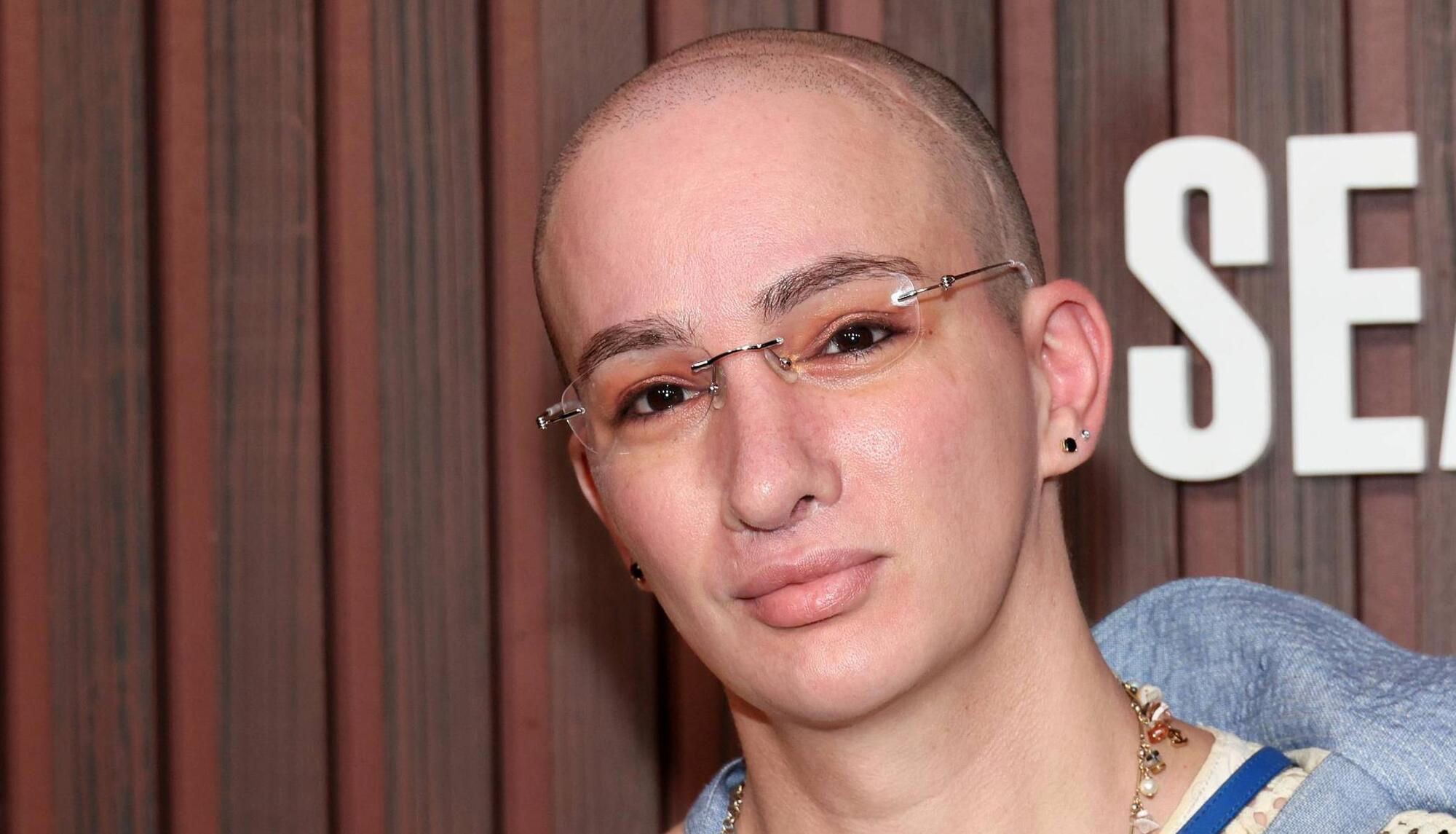
The general argument in 'Breaking Awake' seems to be in favour of across-the-board legalisation of drugs
Book review: False dawns and incremental gains of a writer’s slow recovery through drugs

PE Moskowitz: Makes cogent points about America’s vexed relationship with narcotics. Picture: Dia Dipasupil/ Getty

  • Breaking Awake: My Search for a New Life Through Drugs 
  • PE Moskowitz 
  • Bloomsbury, £9.89 

On August 12, 2017, journalist PE Moskowitz was in Charlottesville, Virginia, to protest against rallies by white supremacists when a neo-Nazi named James Alex Fields drove his car into the crowd, killing one and wounding 35.

This was not the first traumatic event to which the writer had been proximate: in 2001, Moskowitz was in a high school three blocks from the Twin Towers when the airplanes hit, a calamity guaranteed to undercut any 13-year-old’s sense of security.

It was Charlottesville, though, that made the author’s world unravel. A month later, Moskowitz had a breakdown. 

‘That state of life-ruining craziness, of PTSD, of nervous system deregulation, of dissociation, of breakdown… lasted for years.’ Nor has it entirely gone away.

“I do not feel back to normal,” Moskowitz explains in the opening pages of Breaking Awake. “I do not feel like I will ever achieve the same state of okayness that I had before my mental breakdown. 

“I am okay with this. More than okay. I am happy. I did not get better. I got different. I changed. My brain changed.

“My life changed. Even my gender changed…” — that last transformation presenting your reviewer with almost insurmountable grammatical challenges.

Breaking Awake details the false dawns and incremental gains of the writer’s slow recovery. 

Rights and wrongs of our attitudes to drugs

This was achieved through a mix of therapy, psychiatry, yoga and medication — both prescription and otherwise — which raises interesting arguments about the rights and wrongs of our attitudes to drugs.
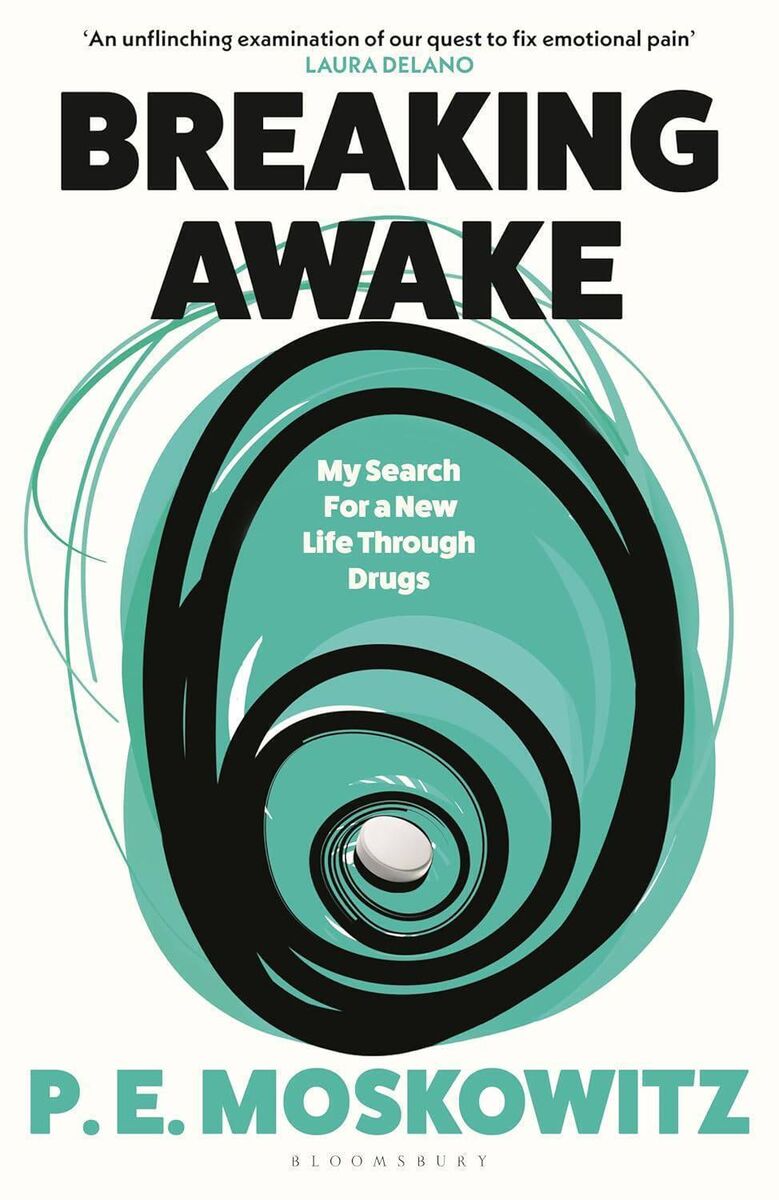
In a book dense with statistics, PE Moskowitz makes cogent points about America’s vexed relationship with narcotics. 

A societal dependence on prescribed opiates and benzos like Valium was nurtured ruthlessly through the mid 20th century by unscrupulous drug companies, facilitating the wider explosion of drug use that happened in the 1960s and ‘70s.

The drug companies’ products were always viewed as good, whereas street drugs were prohibited, and bad. 

A deep hypocrisy around this had roots in racism: would the Oxycontin affair have become a scandal at all if so many white people hadn’t been affected by it? 

And fentanyl, now the scourge of middle America, was first invented by Janssen, a Belgian drug company.

Along the way, the writer talks to some interesting people, like Lucas, a habitual drug user whose life has been complicated in horrible ways by the arrival of the souped-up synthetic opiate fentanyl. 

And LaDonna Smith, a Philadelphia sex worker who set up a harm-reduction centre for users.

In Vancouver, Moscowitz visits the Drug User LIberation Front, a partly state-funded charity that dispenses safe doses of clean drugs to addicts. 

Moscowitz moves on to the wider argument of legalising drug use, which sounds attractive but in practice would be no simple matter.

Moscowitz’s personal recovery was only possible courtesy of a drug called Klonopin, a prescribed benzodiazepine used in the treatment of anxiety. 

It is, the writer admits, effective, but also very addictive.

The book’s general argument seems to be in favour of across-the-board legalisation. 

And while it is possible to agree with the writer’s assertion that drugs are neither good nor bad intrinsically, and are “instead tools that… can be used in productive or damaging ways”, the idea that they can be used habitually without consequence seems a stretch.

Moscowitz likes to quote Frederich Engels, and parade the woes of late stage capitalism, but perhaps exaggerates. 

“As capitalism has invented ever more ways to be miserable, so too has it invented ever more specific ways to ease that misery.” 

The structure of that sentence is not untypical, and elsewhere the author references “an entire system set up to traumatise”.

Human misery is a bi-product of laissez faire capitalism, not its goal, which is to make money, no matter what the cost.

And the book’s use of statistics sometimes seems dubious: “In 2021,” for instance, it is claimed that “32.8% of Americans were depressed”. 

How do we know that? And wasn’t 2021 the height of covid — even I was depressed then.

x

BOOKS & MORE

Check out our Books Hub where you will find the latest news, reviews, features, opinions and analysis on all things books from the Irish Examiner's team of specialist writers, columnists and contributors.
More in this section

Scene & Heard

Newsletter

Music, film art, culture, books and more from Munster and beyond.......curated weekly by the Irish Examiner Arts Editor.

Cookie Policy Privacy Policy Brand Safety FAQ Help Contact Us Terms and Conditions

© Examiner Echo Group Limited