Book review: Vernacular voices in story of Soviet Union’s implosion
Author weaves lives of die-hard apparatchiks with the dreams of young Russian musicians more inspired by Dylan than Dostoevsky, more moved by Lennon than Lenin
Book review: Vernacular voices in story of Soviet Union’s implosion

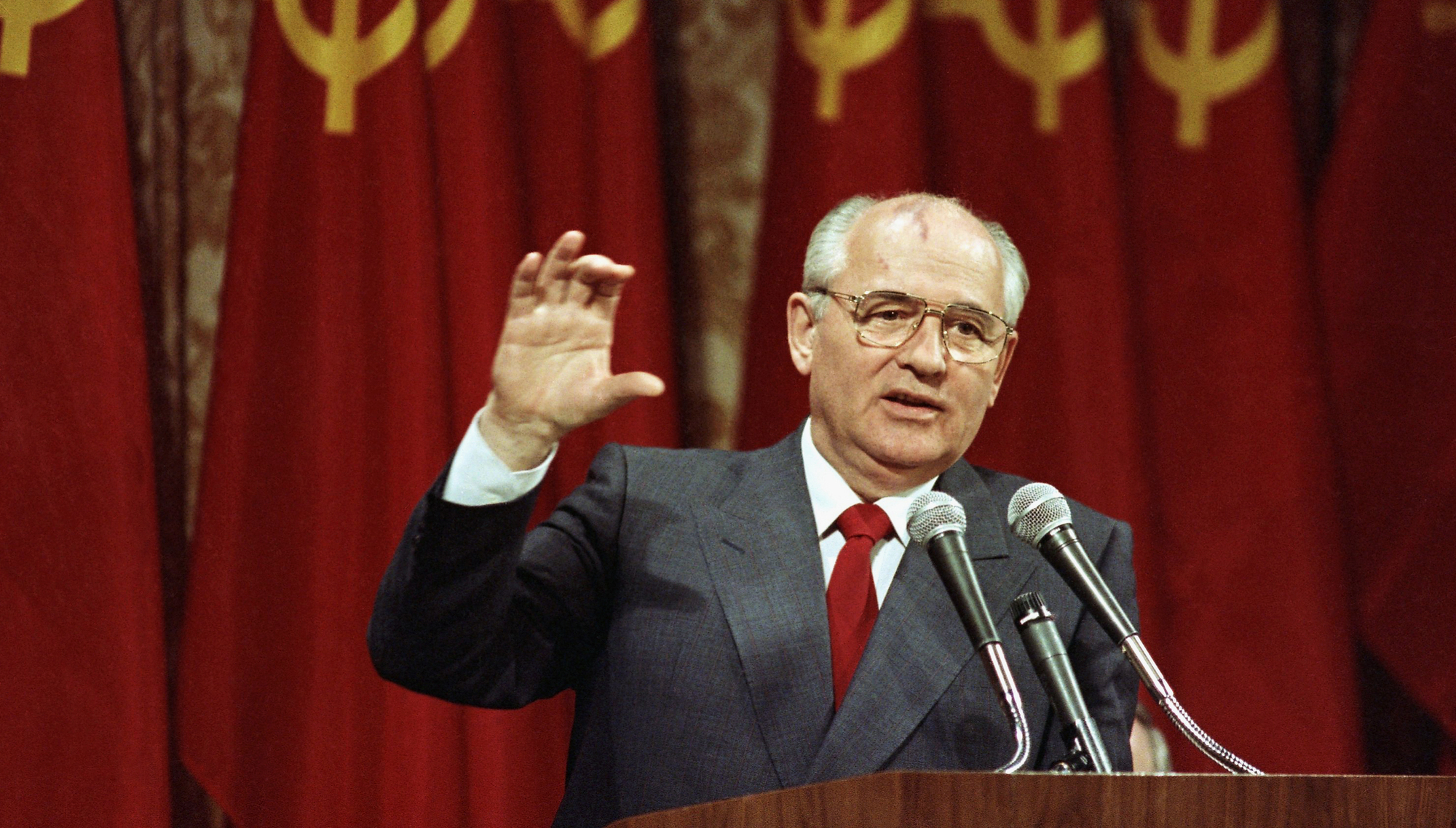
Mikhail Gorbachev, pictured in 1990, is portrayed not as the avuncular uncle the West cheered but as a petty, volatile, and ineffective leader with a haughty wife. File picture: AP/David Longstreath

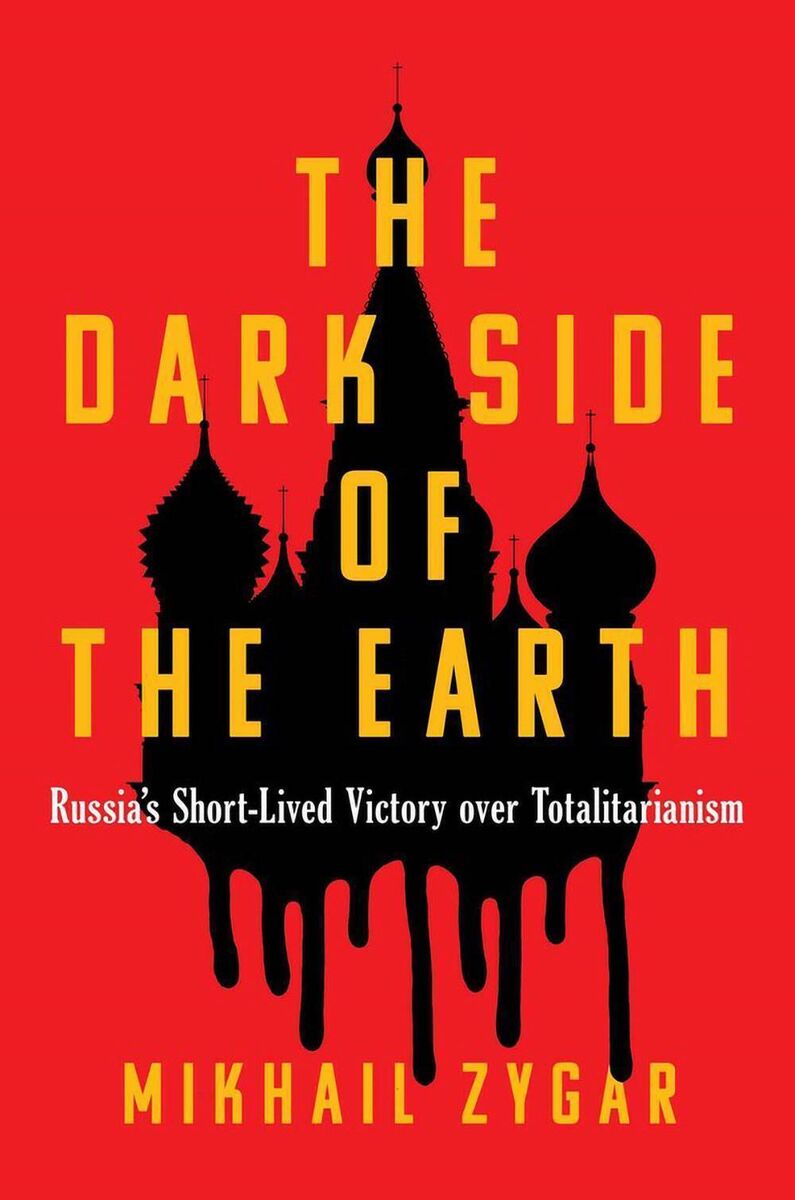
  • The Darkside of the Earth: How the Soviet Union Collapsed but Remained
  • Mikhail Zygar
  • Weidenfeld & Nicolson

Incomprehensible scale is a characteristic of Russia and particularly the federation once known as the Soviet Union.

The land mass dwarfs all others. The country’s horizons seem perpetual and unreachable. They — twice — helped eviscerate European invaders. Freeze-your-marrow weather helped crush Napoleon’s Grande Armée while freeze-your-tank-lubricant temperatures ended German dreams of lebensraum. So too did the psychological numbing felt by Barbarossa invaders when faced by the never-ending steppes luring the Wehrmacht to a distant grave.

That vastness seems to set faraway boundaries for those writing in or about Russia too. War and Peace and Doctor Zhivago are, by any metric, epic.

Stephen Kotkin’s three-part biography of Stalin — the final instalment is awaited — seems a milestone too, even if its sheer size requires a mixture of stamina and grit. Go big or stay at home seems the default setting for anything Russian.

Zygar almost falls into that category, but he tells the story of the implosion of the Union of Soviet Socialist Republics through vernacular voices.

He weaves the lives of die-hard apparatchiks with the dreams of young Russian musicians more inspired by Dylan than Dostoevsky, more moved by Lennon than Lenin.

From an Irish perspective, there is an enlightening parallel between the resistance of what might be called the remnants of Stalin’s generation — those he did not send to Siberia — to cultural revolution and the Irish Catholics who saw, like the KGB, jazz as satanism brought to life.

One, Dmitry Vasilyev, sounded almost like an Irish solidarity member when he declared: “Bourgeois media are triumphantly proclaiming (a situation) that will mean a one-sided democratisation… It will mean complete freedom for cosmopolitans and the silencing of patriots. It will mean that the filthy stream of musical narcotics, pornography and sadism flooding us will grow stronger.” Hail glorious St Patrick indeed.

The Darkside of the Earth carries a challenge. The cast, like the country, is almost endless and it can be difficult to track one committee or another, one dissident poet or another, but persistence is rewarded especially when the conflict between Gorbachev and Yeltsin takes centre stage. It was visceral and could not end well. 

Gorbachev is portrayed not as the avuncular uncle the West cheered but as a petty, volatile, and ineffective leader with a haughty wife. Yeltsin’s alcoholism leaves an unavoidable question: how did such a dysfunctional individual achieve such authority even fleetingly?

However, the shadow of another dysfunctional but hugely successful — by his own terms at least — leader overshadows this book. Like the vastness of Russia drawing invaders ever onwards the arrival of Putin is anticipated on every new page. 

He does arrive but in a quiet way that does not forewarn of what he has become or how he has nudged Europe in a direction that reflects in too many unsettling ways the challenges faced by Russia and its satellite republics when the Cold War, at least one instalment of it, ended.

A challenging but rewarding read.

BOOKS & MORE

Check out our Books Hub where you will find the latest news, reviews, features, opinions and analysis on all things books from the Irish Examiner's team of specialist writers, columnists and contributors.

More in this section

Scene & Heard

Newsletter

Music, film art, culture, books and more from Munster and beyond.......curated weekly by the Irish Examiner Arts Editor.

Cookie Policy Privacy Policy Brand Safety FAQ Help Contact Us Terms and Conditions

© Examiner Echo Group Limited