Culture That Made Me: Funny man Peter McGann picks his touchstones
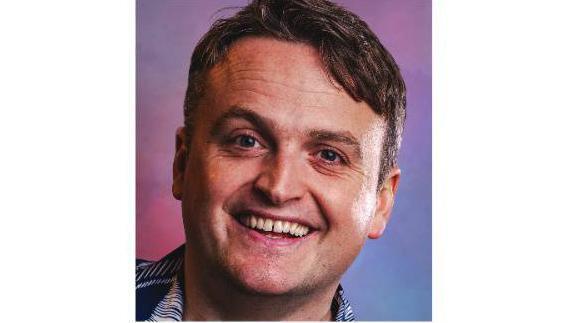
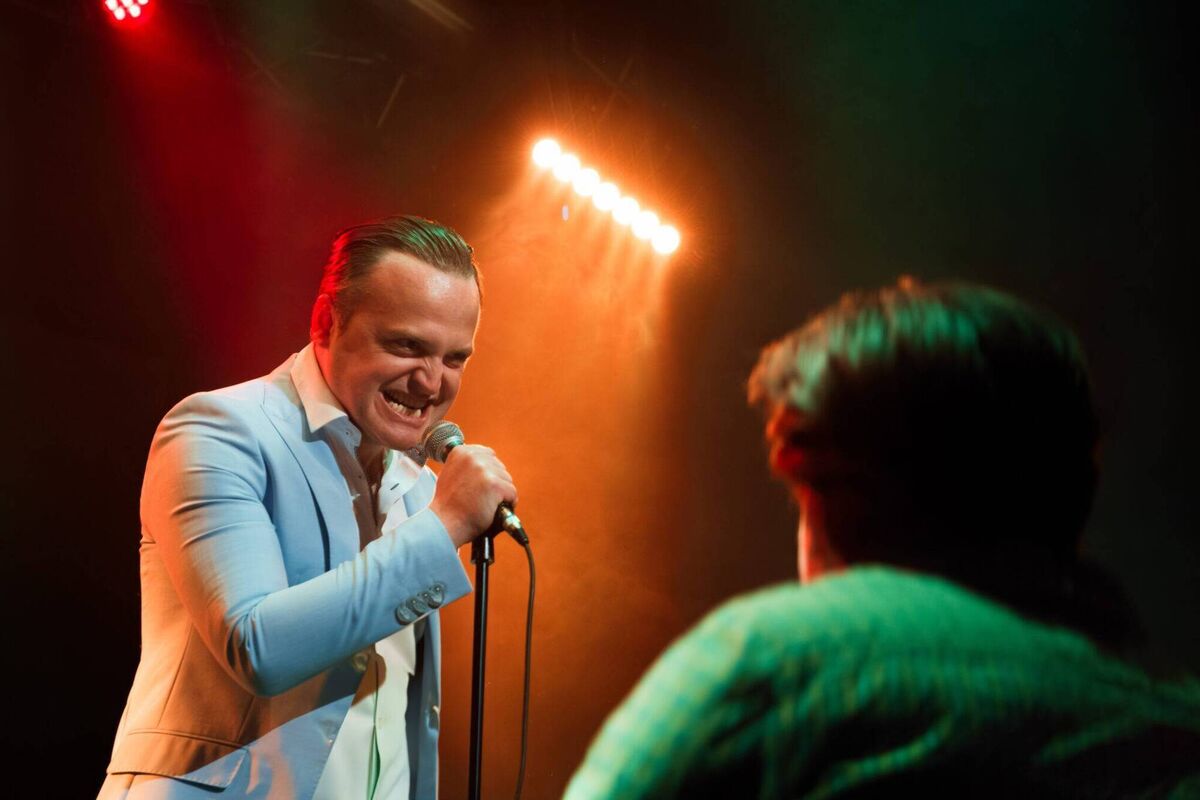
Peter McGann will do a live show at the Everyman in Cork.
Peter McGann, 35, grew up outside Rathdrum, Co Wicklow. He came to national prominence during the pandemic with his hilariously unhinged videos on social media. Last year, his first nationwide stand-up tour was a success. He’s also a screenwriter, playwright and actor whose screen credits include the new Chris O’Dowd series Small Town, Big Story. He will perform his latest comedy show, Ah No, at The Everyman, Cork, 8pm, Sunday, 2 March. See: www.everymancork.com.
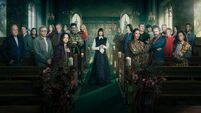
I love character comedy on television that come from specifics. I like big, broad, silly stuff as well, but there's something about, say, British 1990s comedy that’s rooted in character, which I love. Even The League of Gentlemen. I remember watching it as a kid and being scared. Sometimes I was unable to finish an episode. It was too much. It was horrific, which is exactly what they were going for. Seeing heartbreak, tragedy and comedy collide is sometimes hard to handle.
Once I watched The Fast Show I was hooked. It was beautifully shot. In every sketch, the character and catchphrase were almost an excuse to hang these weird character studies, but without sacrificing it being stupid and hilarious as well. When I re-watch it now I realise, oh god, this is what I've been doing this whole time – I've been standing on the shoulders of Paul Whitehouse.
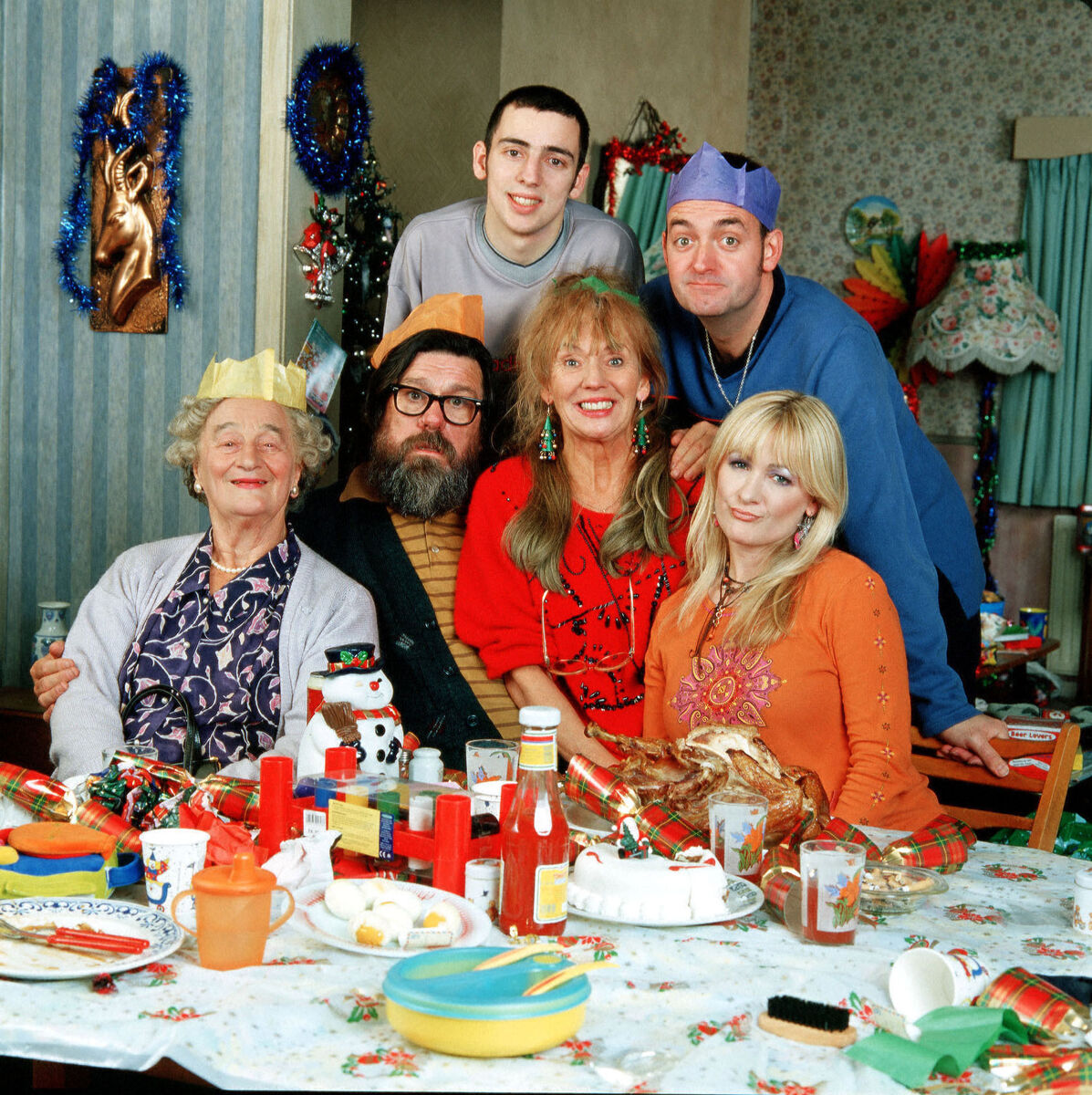
I adore The Royle Family. Initially, it intrigued me because every episode took place in the sitting room and kitchen, basically in real time. Little happened. It was all behaviour, tiny interactions between characters. Long swathes of silences. Like some arthouse show, but it was so funny. Its most fascinating character is the mother Barbara. She's put upon by everyone in the family, but she doesn't seem to mind until she does seem to mind, which comes out in flashes of rage. You see how she ruined her daughter, Denise, played by Caroline Aherne, who co-wrote it. Her daughter is one of TV’s great villains, and it's the mother's fault. She's spoiled her, letting her off everything.
I’ve got to tip my hat to Alan Partridge. When you consider his character's evolution it's unheard of – they stay true to him, but they've updated him in terms of the world he's in now. He's constantly being refreshed and not in a cynical way. It's this seamless writing every time. I love the specificity of the character. To do, say, an episode where the big set-piece scene is him doing The Spy Who Loved Me opening credit sequence and then getting angry – to even think of that is amazing.
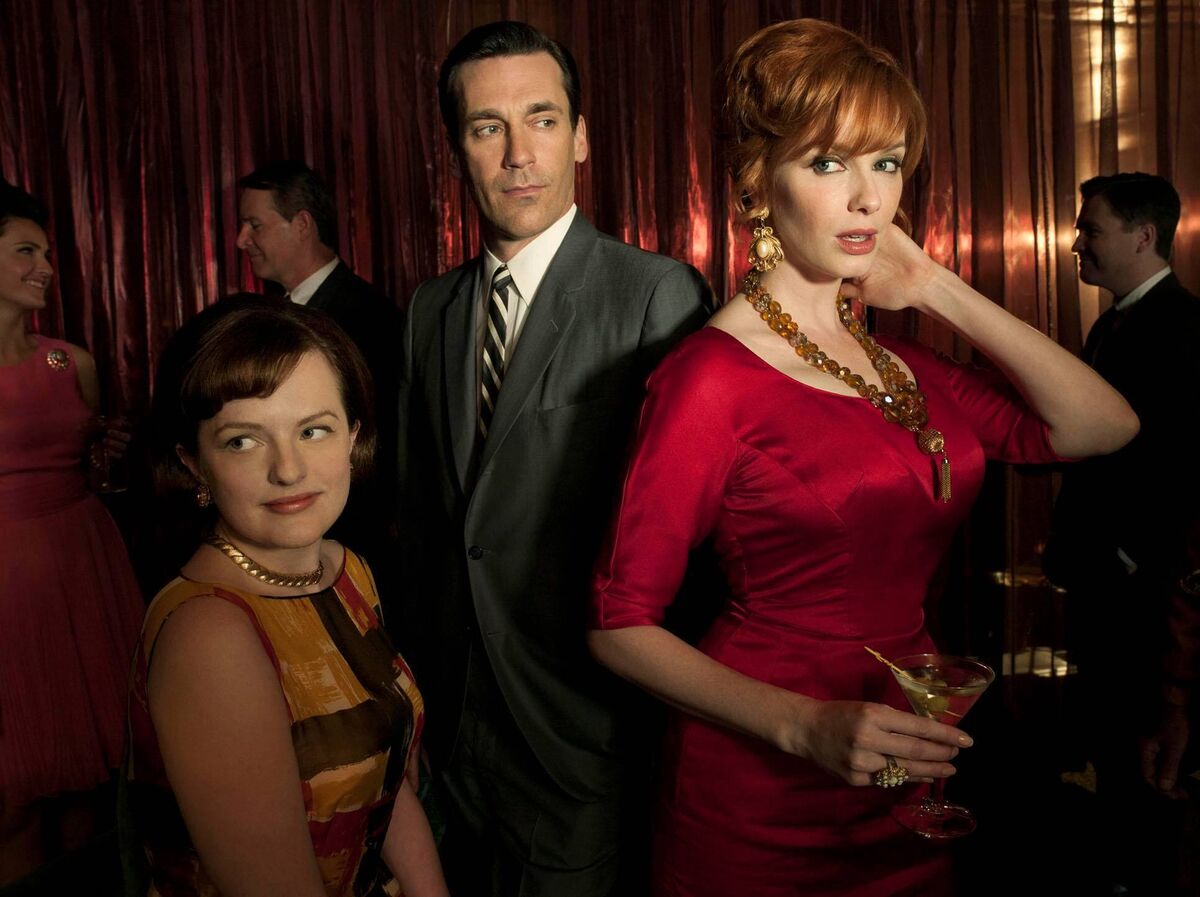
Mad Men is the pinnacle of TV drama – to tell the most detailed drama of people's lives without being explicit while still not being too elliptical. I love the way it treats its characters like, say, you have Pete Campbell who's an antagonist in the show – not a nice guy, a preppy rich guy, but of all the characters, he's the most progressive when it comes to things like race. They never write anyone off entirely as a villain, nor is anyone a fully likable hero either. It doesn't feel contrived.
Watching Robert De Niro inspires me so much, although I'm no closer to knowing how he does it. He can be so minimalist like in Jackie Brown or The Irishman. It might appear he's not doing much, but it's never mannered. Sometimes when actors try to be minimalist, it feels very mannered like they're trying to do a pared-back thing, or they just disappear into the foreground, but with De Niro it's always the most watchful thing. Without being naturalistic, it still feels very real. I love him beyond reason. I'll watch him in anything.
Jimmy Cagney was the most comfortable person on a film screen. He was at ease. He was electrifying. He could do comedy. He could do intense drama. I wouldn't play characters like him, but the way he moves, how he carries himself, his mannerisms are baked into my psyche. The good thing is he's got so many films, back then he was churning out a few films a year. There's amazing ones, and there's not so good ones, but he's always phenomenal. I can't take my eyes off him.
When I was about 17, I acted in John B. Keane’s The Field. Getting to spend time with that play blew me away – the words of it, the subject matter, the dialogue, the voices, the harshness of it, the honesty of it, the Ireland at that time it portrays, also the depth of feeling that's not expressed in a direct way. It's a perfect piece of writing and a perfect piece of theatre. Doing it was a lesson in how to tell a story in the theatre.
John Morton's play Taboo at The New Theatre in Dublin in 2016 has stayed with me. It's about a man coming over for a date with a woman. It's eccentric, strange and dark, but funny throughout. John has a great turn of phrase. He's great at writing small-town Irish characters. It's an innocuous play but with this layer of menace underneath.
I remember in secondary school, the geography teacher, Mr Ryan, wheeled in the telly one day and he played a Tommy Tiernan "live" DVD. I couldn't believe what I was seeing. I was in tears laughing. I couldn't breathe. It was seeing someone Irish doing something so Irish, but it was like rock-star stuff. It was a maximalist version of Irish humour. I'm not like that man on stage. I wouldn't have the skill or energy, but I catch myself sometimes writing jokes and think, that's very Tommy now. He's amazing.
Ross Macdonald writes the Lew Archer detective series. It's the best of the American hardboiled crime fiction books. They're like a college course in how to write a crime story, with the perfect balance of good plot and characters. Every story has unexpected twists and turns. You genuinely don't know where it's going, but everything is driven by the characters pushing it along. You don't feel the cogs of the plot.
I was mad into Ian Fleming’s James Bond novels, and then I ended up finding this other British writer Eric Ambler, who was writing spy novels around the same time. Ian Fleming novels are great fun, but they're completely of their time, the ravings of a madman in the '50s. Whereas Eric Ambler was more progressive in his thinking. He was a bit of a socialist. The books feel much more relevant now. His writing feels very modern. The novels are so satisfying and so entertaining.
The documentary A Personal Journey with Martin Scorsese Through American Movies changed my life. He's my favourite filmmaker. When I was getting into films properly as a teenager that documentary film was my bible. I discovered so many classic films from it. It's a one-stop shop for learning about film.