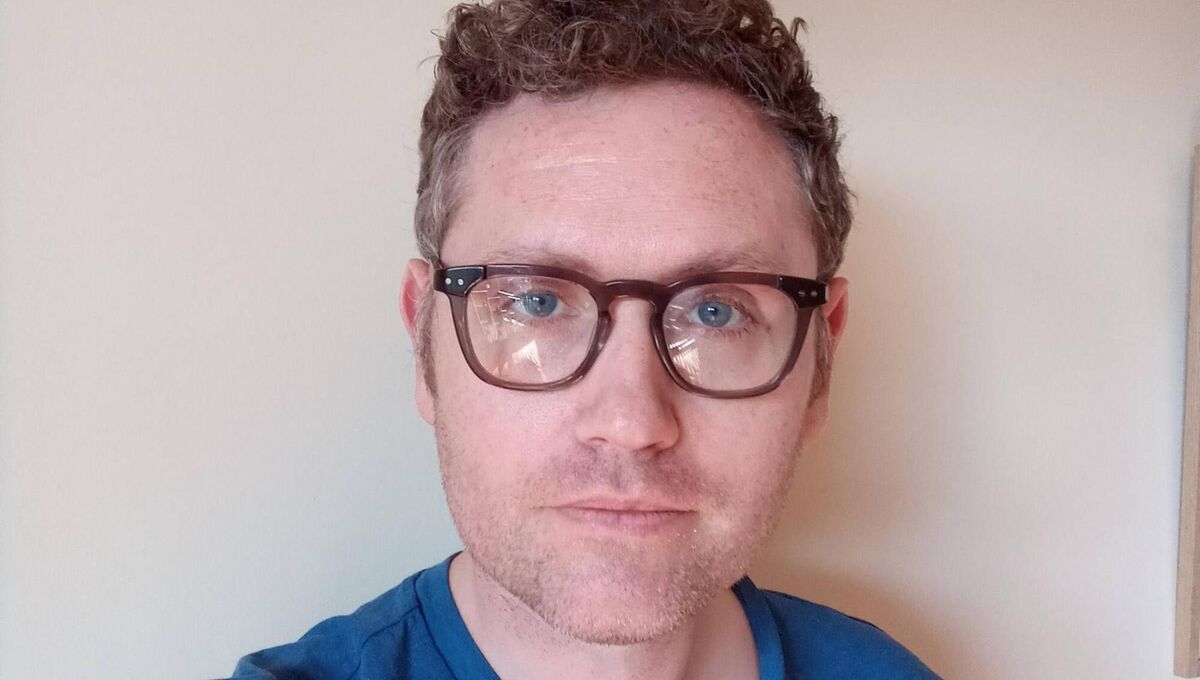
Karl Whitney: Are my lunchtime walks to the shop part of the writing process?
Finding the balance of being productive and obtaining inspiration can be a tricky one for a writer
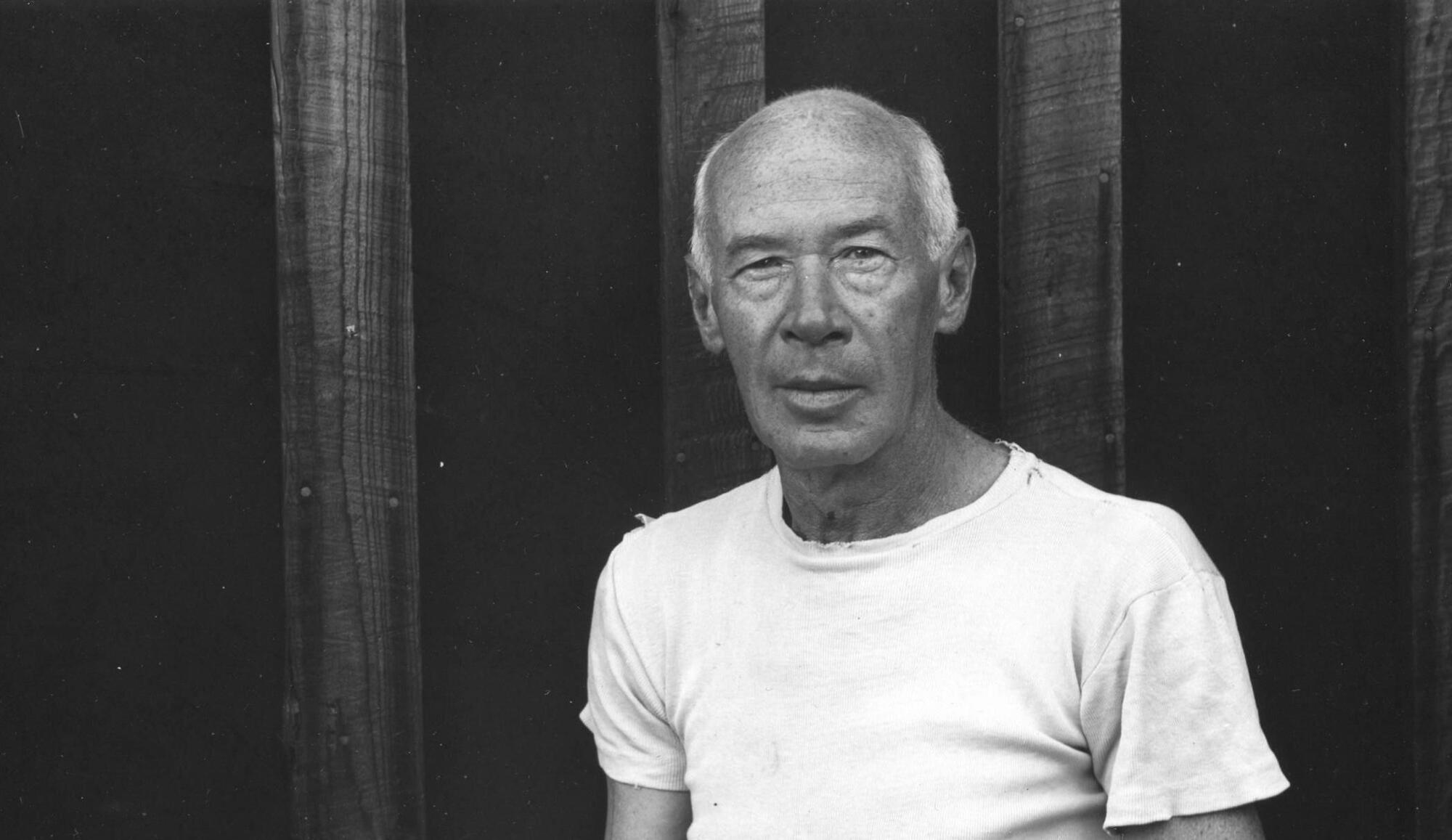
Henry Miller set himself a strict set of rules in order to maintain a healthy writing schedule, which included stepping away from the desk. Picture: Getty

Henry Miller set himself a strict set of rules in order to maintain a healthy writing schedule, which included stepping away from the desk. Picture: Getty

There’s a supermarket a few hundred metres down the road from where I live. I often head down there before lunch, just to pick up a few things and to clear my head. 

By then I might have done a bit of writing during the morning, but I’ll have something on my mind as I leave the house and, invariably, I’ll think about it as I walk.
I wonder: Is my lunchtime walk to the shops part of my writing process?

The other day, I saw someone on social media sharing some advice by the author Henry Miller — a series of ‘commandments’ he set to himself in 1932-33, during the writing of his first novel Tropic of Cancer

The advice he administers is useful, the sort of stern dictums that writers issue to themselves — work on one thing at a time, add a little every day, concentrate on the work and try not to get distracted, avoid spiralling off in a tangent — but what struck me was that he incorporated elements of getting away from the desk into his programme: See friends; go to an art gallery; get on the bike and cycle for a while.

The writing process can collapse in on itself — the outside world can come to seem meaningless compared to the importance of putting words on the page. 

Such a delusion is arguably essential to a writer’s sense of what’s important while writing — it focuses your attention and energy on the work, and, when you finish your working day everything else seems somehow drained of significance.

I know it sounds crazy. But it’s connected with the need for concentration and the necessity of being sucked into the work itself at the expense of all other things. 

So much writing is disposable, but, if you invest your work with care and attention then you at least create the possibility that others will engage with it on those same terms.

When I fix the brakes on my bicycle it becomes the most important thing in the world for the few minutes the job takes to complete — mainly because if I don’t do it correctly I might lose control of the bike, but also because it’s worth doing something well: There’s a joy in the process that can’t be fully accounted for by its usefulness.

I feel this about writing. I’ve talked before about the state of flow when everything is going well, and I think that’s what Miller is getting at when he urges himself to concentrate on one thing at a time. 

Pushing one thing in a certain direction gets it there faster, and over time it acquires momentum — a sense of structure and ending — that it wouldn’t gain if you dropped in on it every few months.

(Nevertheless, there are works we put aside and return to much later that can be reinvigorated by returning to them.) 

Writing is a combination of inspiration (an inheritance of Romantic 19th-century conceptions of genius) and a very 20th-century urge towards greater productivity (drawn from the office and factory). 

Each, on their own, is equally bad, so finding a balance between the two is the challenge: If you bang out a shedload of words without an idea in your head — and there are many books that read this way — then perhaps it’s time to go full Wordsworth for a while and stare at a tree.

Back to my walk to the shops. In my case it was quite a specific walk. I had just returned from a holiday and knew that I needed to work on something. 

So, I had to get things going again after a period of not writing, I had a specific piece to work on and, the cupboards bare lunch-wise, I needed to buy something to eat: I was motivated on a few levels. 

As I walked, I mulled over what I would do in the afternoon (Henry Miller, in his notes on his daily programme, under the heading ‘afternoons’, wrote: ‘work on section in hand […] no intrusions and no diversions’). 

It was coming up to 10 years since I had published my first book, Hidden City, and the anniversary, as anniversaries often do, had pushed me to reflect on life, work, and everything else. Perhaps I could write about that, I thought?

But as I returned, with groceries in hand, I changed my mind. 

There can be something totalitarian about writing advice, like orders are being barked at you by a bullying sergeant major. 

Even the stress on writing being the most important thing in a writer’s life — surely the same as saying ‘treat writing seriously, as if it is a job’ (Miller: ‘Write first and always. Painting, music, cinema, all these things come afterwards’) — can be interpreted as an injunction to become a workaholic.

Karl Whitney: 'The writing process can collapse in on itself — the outside world can seem meaningless compared to putting words on the page.'

Nevertheless, there is a recognisable truth to the idea that thoughts of writing often shape your approach to everyday life. 

You come up with ideas in response to the world around you; you resolve some of the creative issues you encounter at the desk when you’re away from it. 

The words you eventually type can often be the product of holding an idea in your head until it demands to be written. You might well return to a task, having gone to the shops, with a better idea of what to do next.

The flipside is, of course, distraction: You finish a sentence, down tools and go for a cycle; you make a cup of tea every time you complete a paragraph. 

I’m exaggerating, but only just. At times keeping your arse in the chair is the real challenge. 

But never taking a break, never knowing when it might be better to do something else, is its own special kind of hell. 

You slump into the chair and your mood does too — and your work probably won’t be the better for it.

I’m surprised to find myself preaching moderation, if not in all things, then in the writing process. I wonder if this advice is, most of all, for my own benefit.

Writing is a precarious existence, and a writer can, like someone on a losing streak at a roulette table in the early hours of the morning, find themselves investing all their hopes in the next thing — whether it’s a book or even just a proposal or article. 

One can, as I have, taken too literally the maxim that you’re only as good as your next gig. And eventually that can wear you down to nothing.

It would be quite easy to preach self-forgiveness and say that writing will always emerge eventually. Maybe that’s true in some cases. 

But I’ve found that the process involves finding a balance between self-discipline and anarchy; neither can be allowed to win. 

In terms of approach, I now tend more towards the anarchic end of the deal, simply because I tried over-organisation and, eventually, it threatened to kill the pleasure I got from writing.

That pleasure isn’t an inexhaustible thing, and it takes a while to retrieve — if you retrieve it at all. 

When you initially set out to write, no one is interested, and it takes time to find people who will listen. 

There’s a danger of wanting to get beyond that early stage as quickly as possible, when in fact it’s something that you need to hold onto: The sense of intimacy that comes from it just being about you and the page. 

Most of all, you’re writing for yourself, and you can choose to be the best boss you’ve ever had — or the worst.

BOOKS & MORE

Check out our Books Hub where you will find the latest news, reviews, features, opinions and analysis on all things books from the Irish Examiner's team of specialist writers, columnists and contributors.


More in this section

Scene & Heard

Newsletter

From music and film to books and visual art, explore the best of culture in Munster and beyond. Selected by our Arts Editor and delivered weekly.

Cookie Policy Privacy Policy Brand Safety FAQ Help Contact Us Terms and Conditions

© Examiner Echo Group Limited