Author interview: Reality of rural life brought to the fore in anticipated sequel
Heart, be at peace sees Donal Ryan return to the world of The Spinning Heart, which was set in his native North Tipperary in the aftermath of the financial crash in 2008
Author interview: Reality of rural life brought to the fore in anticipated sequel

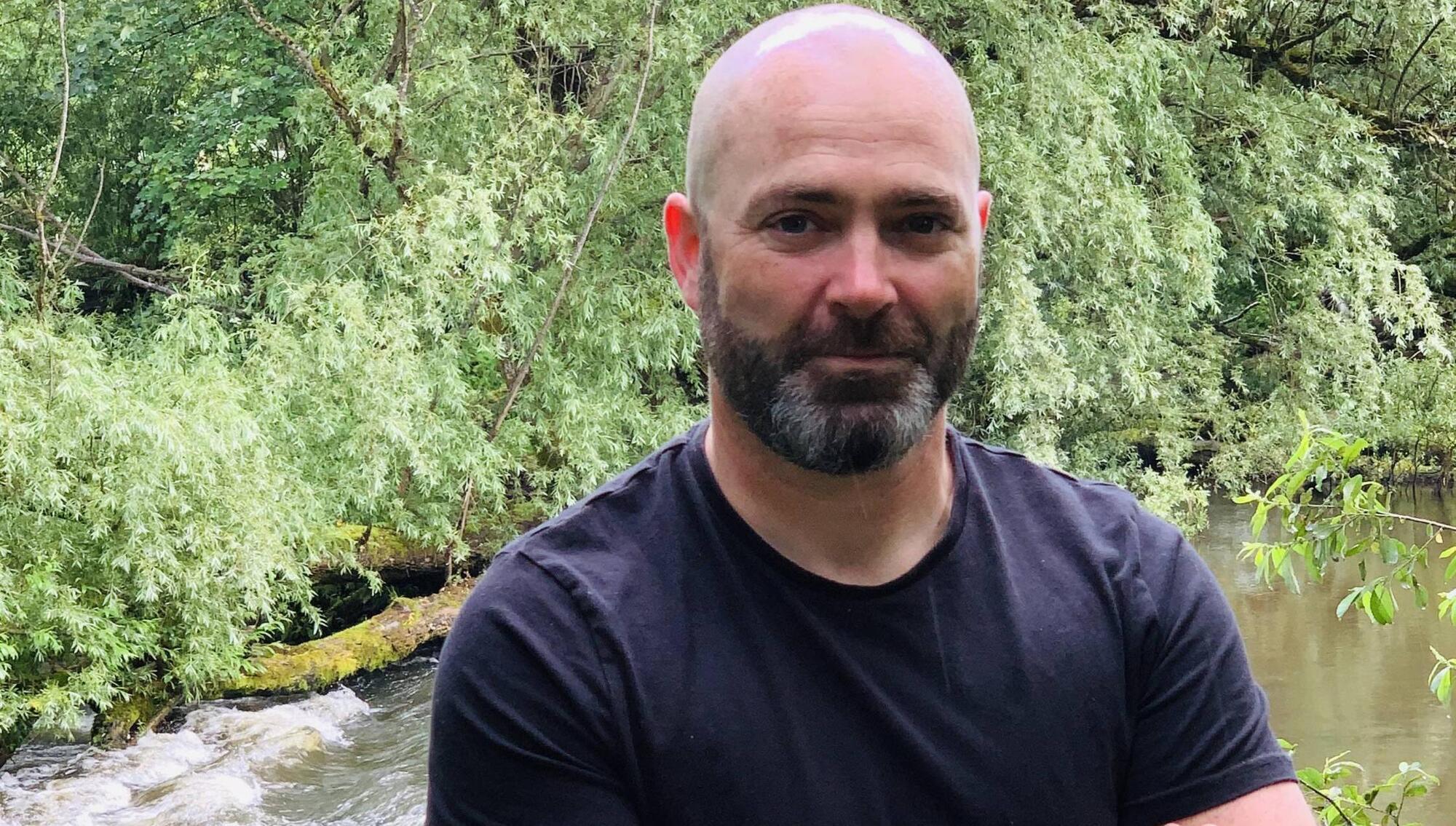
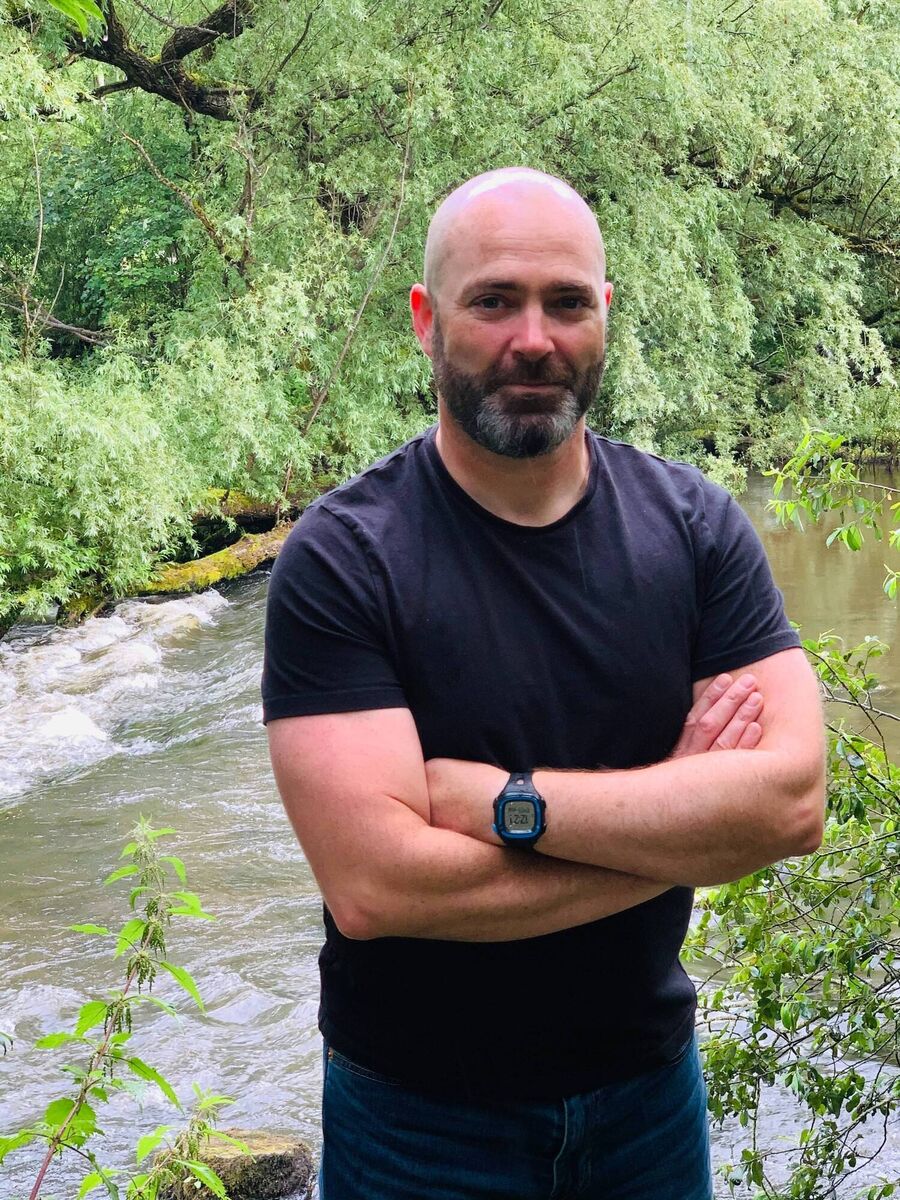
Donal Ryan says he channelled his anger and fear for his children into one of the book's characters who sees the damage being done by local drug dealers and is on the edge of taking matters into his own hands. Photo: Marie Ryan

  • Interview: Donal Ryan 
  • Book: heart, be at peace 
  • Publisher: Doubleday 

IT IS only 12 years since Donal Ryan’s debut novel The Spinning Heart was published but in that time, things have changed a lot for the writer. He has gone on to become one of our most celebrated authors, writing six more books, and leaving his civil service job to work as a lecturer in English and creative writing at the University of Limerick.
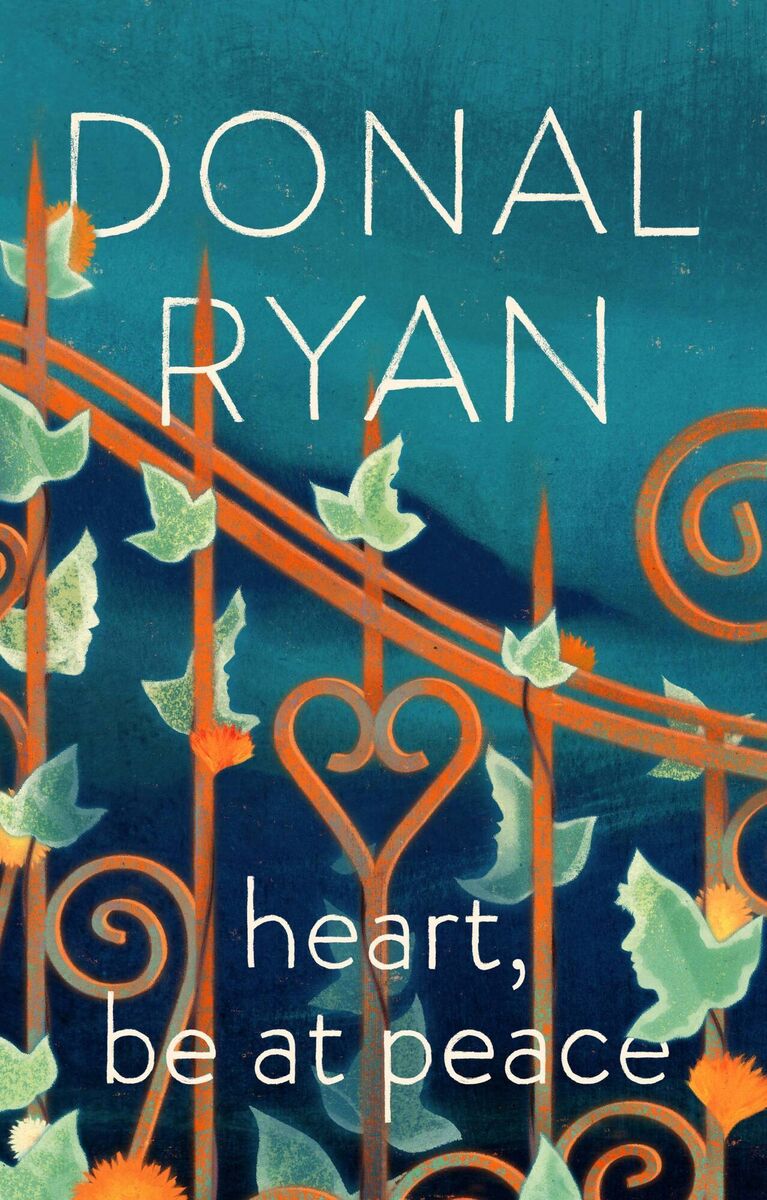
Now he has returned to the world of The Spinning Heart, which was set in his native North Tipperary in the aftermath of the financial crash in 2008.

It is told from the different perspectives of a large cast of narrators. His latest book, heart, be at peace, catches up with those characters a decade on and is an equally perceptive and deftly-crafted portrait of small-town Ireland.

It was a trip back in time in more ways than one for Ryan. Poignantly, this book will be the first he has written that was not read by either of his parents: His mother Anne died last year, while he lost his father Donie in 2017.

“I know it sounds a bit trite, but it did feel like a homecoming of sorts because I felt like I was going back to my roots as a writer. I also found I was back in a less complicated time — my parents were still alive, I felt like I was back there temporarily.

“I wrote it fairly quickly. I was back in the same imaginative space, with the same voices. It really brought back a flood of enthusiasm for the whole process,” he says.

In writing the book, he also granted one of his late mother’s wishes.
“I was sorry I didn’t do it years ago, because Mam asked me so many times to write a sequel to The Spinning Heart. Mainly because when she was working at Tesco on the till, people would ask her about characters from The Spinning Heart.

“She would say: ‘Wouldn’t the easiest thing be to write a fecking sequel so we’d all know about the story’. It is the first book I will have published that neither of my parents will have read. It is sad, but that is life.”

Life too has moved on for the characters in heart, be at peace.

It is 2019 and, having weathered the financial crash, they are trying to move on, but a new scourge has reared its ugly head — drugs, and the crime, addiction, and anti-social behaviour that goes with them.

It is a problem that Ryan, who lives in Castletroy, Limerick, with his wife Anne Marie and his daughter and son, both teenagers, has seen at first-hand. He says he channelled his anger and fear for his children into the character of Bobby Mahon, who sees the damage being done by local dealers and is on the edge of taking matters into his own hands.

“Bobby’s rage is my rage because it is a constant, intense source of worry. People are circling like vultures around the place, it seems to be proliferating. And it doesn’t seem like there’s any solution to the problem. 

Just this morning, in Limerick city, I was waiting for my wife and son and I saw a drug deal going down. I couldn’t believe my eyes. It is so open and blatant now, and it just seems that people have impunity.

Drugs are no longer an issue contained to cities. Cocaine use is rife in the small-town Ireland that Ryan portrays so well in his books. 

The preconceptions that surround life outside the major cities is another issue that exercises Ryan. There is more to rural life than farming, and huge swathes of the population are ignored in cultural life and representation, he says.

“The Irish rural working-class are completely invisible. The class I am from myself — ordinary, working, landless people, it is as if they don’t exist. If you say Irish rural working-class, people just think of the Church, drink, and all those ridiculous tropes. I try to be as close as possible to the reality of my own life as I can.

“I remember someone at a reading once who said she had never heard anyone speak the way my characters speak — she had never worked in a meat factory or on a building site, she hadn’t really mixed with the Irish rural working-class. We all exist in our own spheres of experience, so I can’t expect someone else to be familiar with what I’m familiar with, but to write off the possibility of it existing is quite rich.”

I am speaking to Ryan the day after the death of Edna O’Brien, who described The Spinning Heart as “funny, moving, and beautifully written” in a blurb for its original publication. To get such an imprimatur from someone of O’Brien’s stature meant a great deal to Ryan.

“The likes of Edna, we owe her so much. She literally took on the Church, and she was pretty much exiled.”

Donal Ryan has won many prestigious awards for his work and has twice been nominated for the Booker Prize. Photo: Marie Ryan

O’Brien was a relation of Ryan’s grandmother, May, who used to babysit her as a child in Scarriff, Clare. Like O’Brien, May sounds like quite the character.

“From around 1960, my grandmother ran an underground operation of banned books from her farmhouse kitchen. The first book she had was The Country Girls, and she built up a library — including books by John McGahern and Kate O’Brien. She had contacts in England who would smuggle them over. Barristers and parish priests would come and borrow the books."

Ryan has won many prestigious awards for his work and has twice been nominated for the Booker Prize. However, when it comes to his own place in the pantheon of Irish writers, it’s not something he ever thinks about.

“I have loads of dear friends who are very successful writers, and I would never rank myself or think like that. Someone like Joe O’Connor. When I first saw him at the Irish Book Awards about 12 years ago, I couldn’t talk to him. For me, he was this unapproachable literary giant.”

Now, O’Connor is his colleague at UL and “as nice a person as you could meet — so kind and supportive”.

Advice

WHILE Irish writers are thriving, getting published is harder than ever — with more and more authors competing for attention.


Ryan himself received many rejections before The Spinning Heart was finally published. What advice does he give to his students struggling to get their work noticed?

“John McGahern’s advice is the best of all: Look after your sentences. The most important thing is to make sure that your sentences ring true, that they are clean and right.

“We have to honour language. We are custodians of the written word. We have assigned ourselves this task. It is sacred and we have to really strive to write as well as we can and be as true as we can to the human spirit.

“After that, it is a lottery, it really is.”

More in this section

Scene & Heard

Newsletter

Music, film art, culture, books and more from Munster and beyond.......curated weekly by the Irish Examiner Arts Editor.

Cookie Policy Privacy Policy Brand Safety FAQ Help Contact Us Terms and Conditions

© Examiner Echo Group Limited