West Cork Literary Festival: Home truths from Irvine Welsh at Bantry event
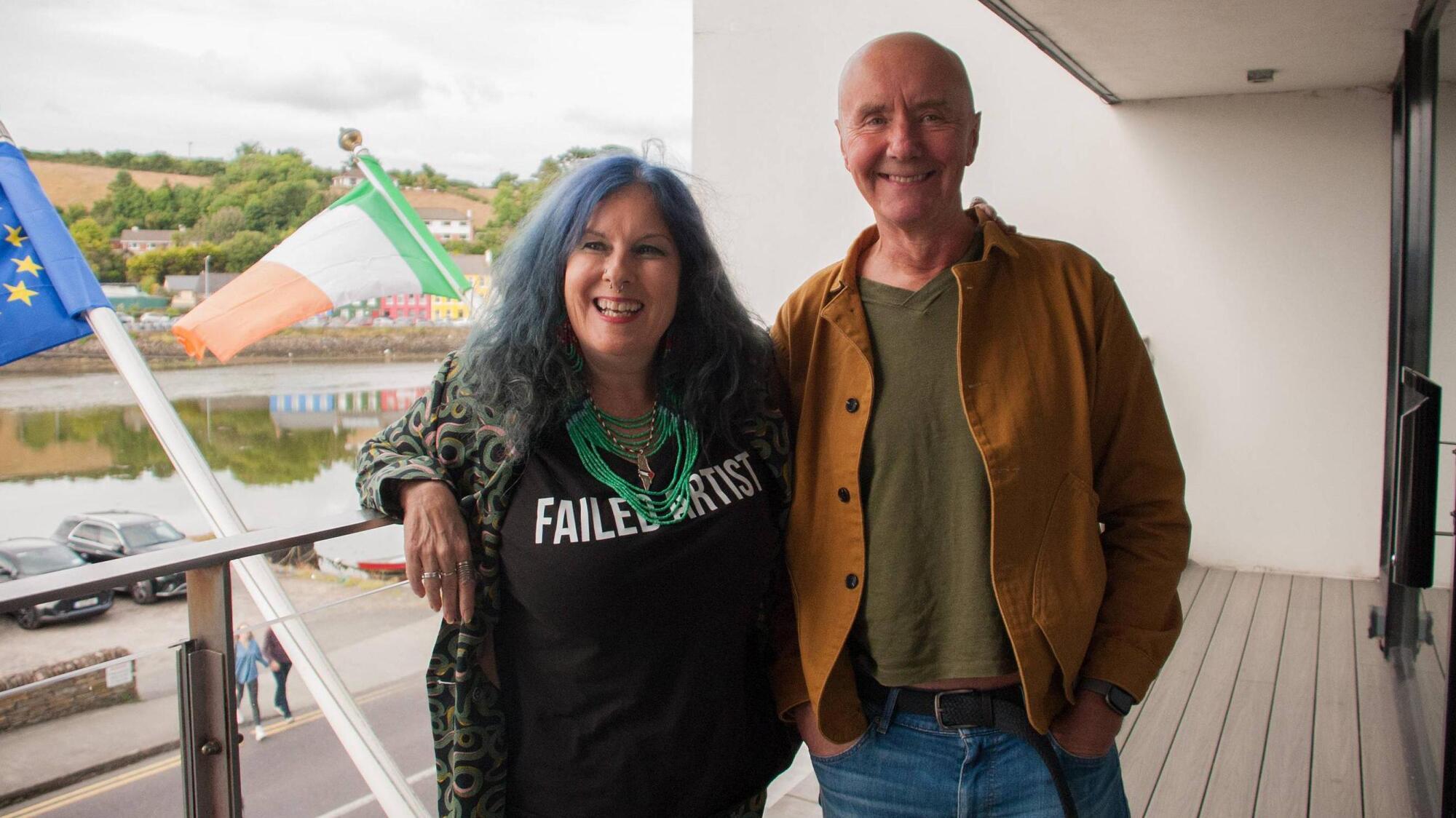
Emer Martin and Irvine Welsh in Bantry for West Cork Literary festival. Picture: Karlis Dzjamko
It seems unlikely that Irvine Welsh will ever again match the runaway success of his debut novel, Trainspotting. Not that he is content to rest on his laurels; his new novel, Resolution, is his fourteenth, and his eighteenth book, if one includes his works of shorter fiction.
Now based in Miami, Irvine met the Irish writer Emer Martin during his five-year sojourn in Dublin in the Celtic Tiger era (when, as Martin remarks, the upwardly mobile rode on helicopters to the Galway Races), and the two remain close friends. Martin won the Kerry Group Irish Novel of the Year Award for her first novel, Breakfast in Babylon, in 1996, and her fifth, Thirsty Ghosts, was published by Lilliput last year.
In Bantry, both authors read from their latest books before taking questions from the Irish Examiner’s Eoghan O’Sullivan, and members of what Welsh describes as “the sexiest ever audience… in West Cork.”
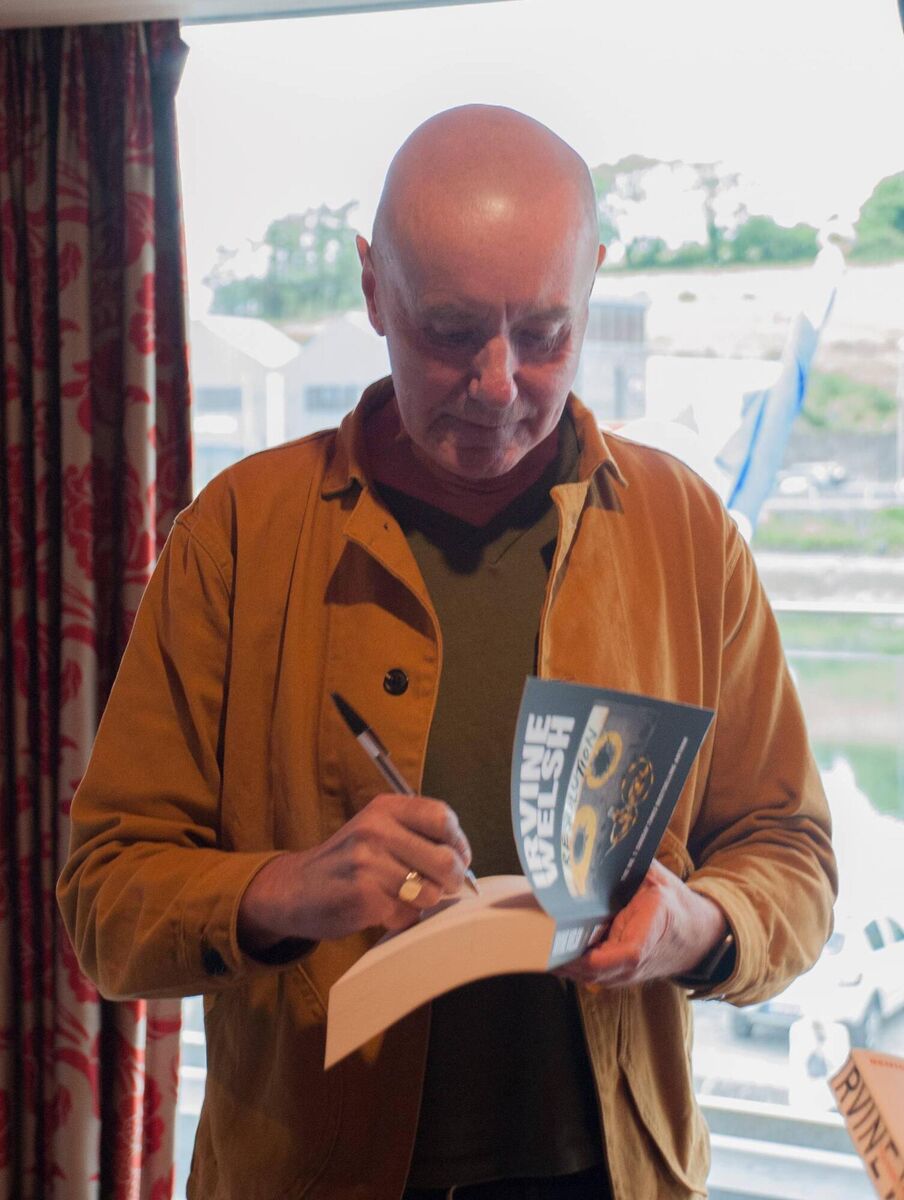
As interviews go, it could hardly be more amicable, though both advocate vigorously for fiction writing, which Welsh describes as “emotional truth” and Martin insists is “more efficient than history.”
Martin is arguably the more radical of the two, this despite the grit of Welsh’s writing, and his ongoing preoccupation with the underbelly of his native Edinburgh; the protagonist of Resolution is a recurring character in his books, a detective haunted by an incident of sexual assault in a tunnel in his youth.
An accomplished visual artist and filmmaker, Martin somehow finds time to teach “writing, painting and resisting” at Fremont, a co-educational, public high school in Sunnyvale, California, where many of the pupils are migrants from Central America. She as scathing of US president Joe Biden for his support of what she describes as “genocide” in Gaza, and admiring of the pro-Palestine protestors on American campuses, many of whom she has sheltered in her home.
One of the narrators of Thirsty Ghosts is a mythical hag, and Martin waxes lyrical about Brehon Law, the ancient legal system in Ireland that supported women’s right to divorce and ownership of property, though she admits she is inclined to romanticise the distant past.
Welsh is not quite so idealistic; he comments wryly that while he is a massive supporter of Scottish independence, he is well aware that ancient Scotland was “a shithole".
- Further information: westcorkmusic.ie