Book review: Historian’s debut novel set in Dublin of 1866 centres on infanticide case

Juliana Adelman’s ‘The Grateful Water’ is a promising debut, and there’s enough here to keep you guessing
Juliana Adelman’s ‘The Grateful Water’ explores the darker side of post-Famine Dublin.

Juliana Adelman’s ‘The Grateful Water’ explores the darker side of post-Famine Dublin.

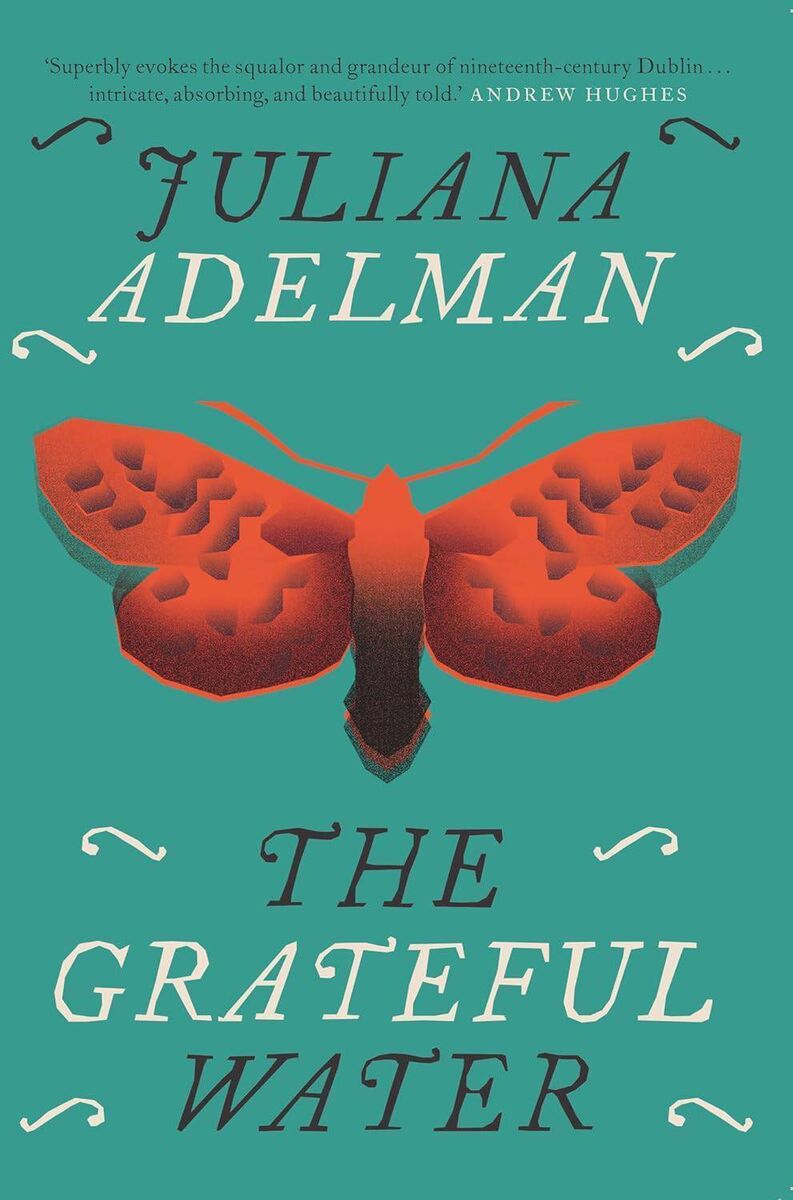
The Grateful Water 

Juliana Adelman 

New Island, €16.95 

Infant murder, or infanticide, was a common occurrence in post-Famine Ireland and it is the centrepiece of Juliana Adelman’s debut novel, The Grateful Water

It’s August 1866 and butcher Denis is late for dinner. He’d been sidetracked after coming across a baby stuck in the mud, under the bridge, at the river Liffey. 

He can never leave a thing be, his wife Rose tells him. “Every other person on the bridge passed it by without a second glance. It was only you was the fool who had to go down into the river.”
Their home, with the creaky settee where Denis sleeps that night, is contrasted with that of the more upper class Julia Kennedy on Mountjoy Square, where she has taken in her 23-year-old niece Anne following the death of her mother and the subsequent marriage of her father to another woman just three months later. 

Anne sensed that tears were very much unwanted in her aunt’s house.

All the while, Detective Martin Peakin is investigating the case of the dead baby. 

He frequents ‘houses of ill fame’ — indeed, it is where we first meet him, where he had been robbed by silent agreement — and is forced to forego meals to ensure he can afford the rent of two rooms overlooking a privy but no pigs.

 Perhaps if he solves the case it will lead to promotion and the boost he needs.

The chapters alternate between these four characters — Denis, his wife Rose, Anne, and Peakin — as two timelines, one a year before the body is discovered, converge. 

It is no coincidence that on the final page, one of the characters declares: “I think I read too many Dickens novels.” 

It’s a compelling search for a supposed murderer, with talk of baby farmers, the darker side of Dublin society, and the winds of Magdalene Asylums and what goes on behind their walls swirling around.

Born in Boston, Adelman is a lecturer in history at Dublin City University. She has previously published a non-fiction work, Civilised by Beasts, a portrait of 19th century Dublin that focuses on the importance of animals in urban life. 

She knows the world well, but it’s a pity she doesn’t describe it. What was Moore St, a bustling hub of Dublin history, like 160 years ago? 

“A breeze carried the smell of blood and withered cabbage from the market. The street was full with shoppers and hawkers who got in their way.” 

It’s hardly evocative. Meanwhile, Anne finds her growing gloominess matches the gloom of her aunt’s house. 

“The only warm, bright place was the kitchen and she didn’t want to linger…” Yet we get no sense of what the kitchen is like.

Coupled with this is the use of exposition throughout. All of the characters seem to have something to hide, but take the theme of Rose’s drinking. 

It’s there on the second page: “She tried to smile and wondered if he could smell the gin off her like she could smell the pig off him.” 

Halfway through the story, “Rose coloured, knowing that Anne had smelt the gin on her breath.” But bar sneaking some drink when she shouldn’t, nothing really comes of this storyline. 

Another curiosity is that, considering this is 1860s Ireland, the Church doesn’t seem to be as overarching and dominant as we might expect.

The story twists and turns, with arguments about rape and abortion made as the mystery of the infanticide progresses (the sheer nature of the story might prevent The Grateful Water from being a holiday read).

Adelman is good at the close female intimacies that guard against the domineering men; they look out for each other — they have to with side characters like Mr Mills on the prowl. 

From the Magdalene Asylum, he is “a beneficiary of female misery”. The Grateful Water is a promising debut, and there’s enough here to keep you guessing. It’s no Dickens, though.

x

BOOKS & MORE

Check out our Books Hub where you will find the latest news, reviews, features, opinions and analysis on all things books from the Irish Examiner's team of specialist writers, columnists and contributors.


More in this section

Scene & Heard

Newsletter

From music and film to books and visual art, explore the best of culture in Munster and beyond. Selected by our Arts Editor and delivered weekly.

Cookie Policy Privacy Policy Brand Safety FAQ Help Contact Us Terms and Conditions

© Examiner Echo Group Limited