Children’s books reviews: A reimagining of events around D-Day landings
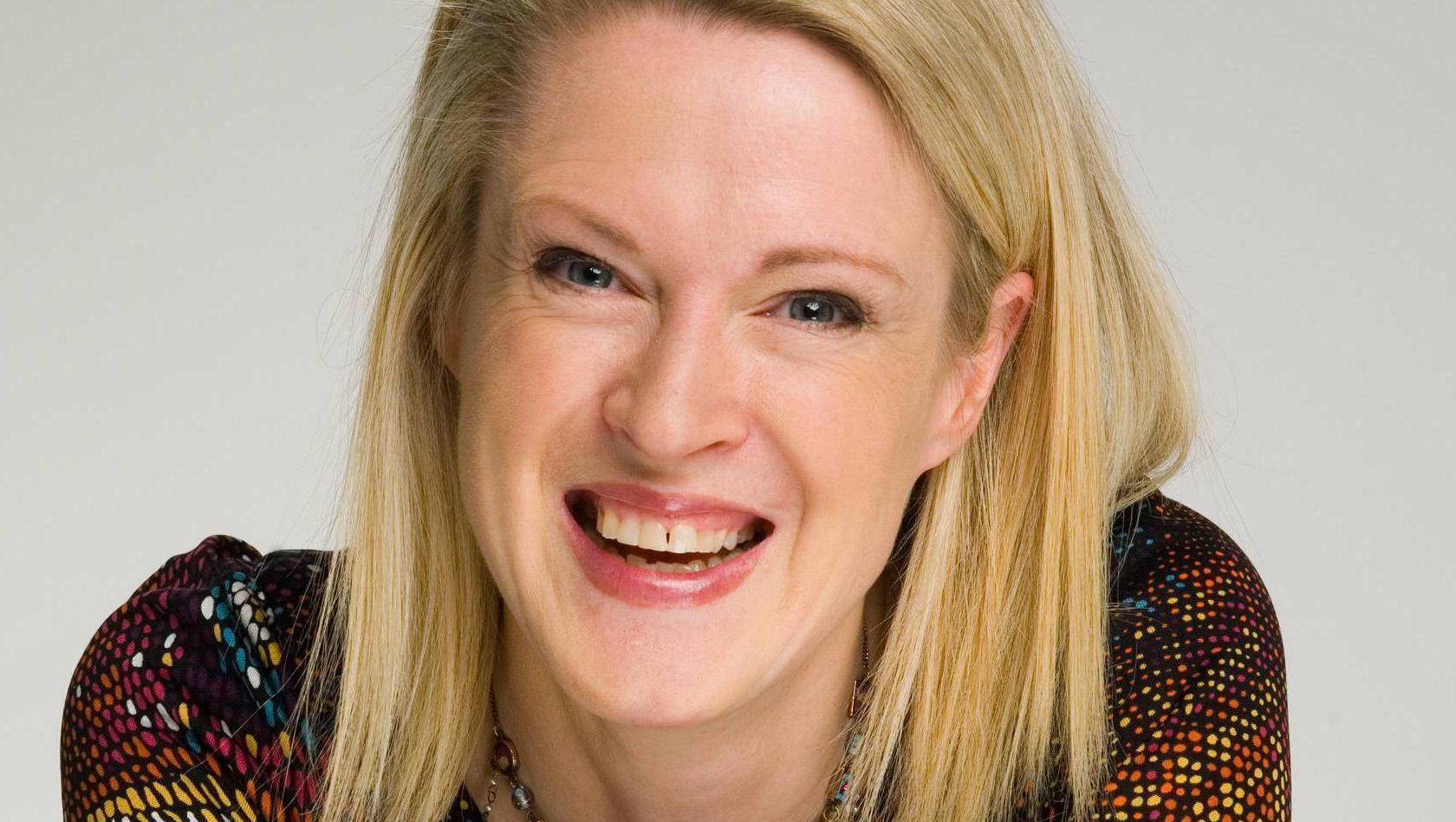
Pet O'Connell rounds up a selection of books on topics from consent and self-acceptance to legendary tales from the West of Ireland
Children’s books reviews: A reimagining of events around D-Day landings

Sarah Webb’s tale of bickering best friends provides an illuminating lens through which readers can view Ireland’s nuanced Second World War neutrality.
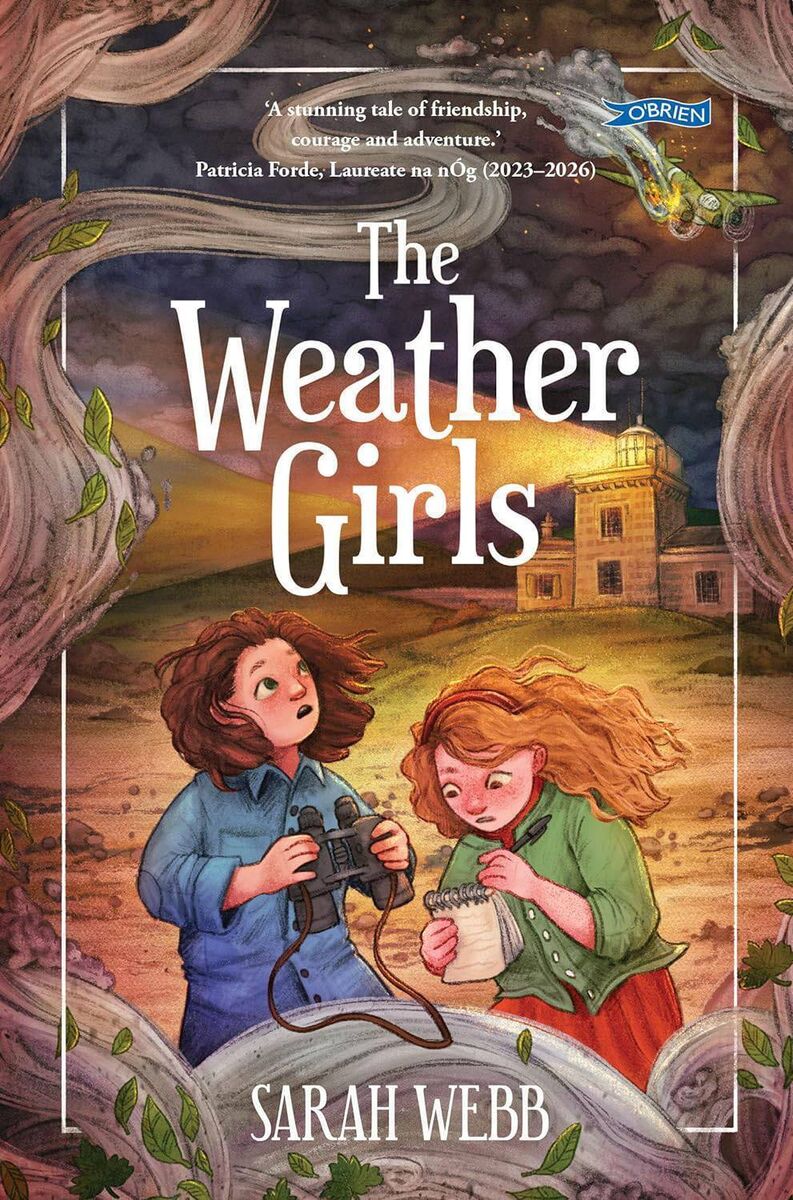
The Weather Girls by Sarah Webb (O’Brien Press, €9.99) 

Those who live in lighthouses are always on the alert for the unexpected, but the Second World War puts Grace Devine’s family and their home at Mayo’s Blacksod lighthouse in the eye of the storm in ways they could never have imagined.

Inspired by the real-life actions of Maureen Sweeney, whose 1944 weather reports from Blacksod warning of an incoming storm led to the D-Day landings being postponed for a crucial 24 hours, Sarah Webb’s children’s novel reimagines these events, weaving them into the fictional story of Grace and her best friend Sibby.

Dramas of various magnitudes ensue, from schoolgirl spats between the practical Grace and the flouncing Sibby, whose head is full of dreams of stardom, to the crash-landing of a German aircraft in a nearby field.

When 12-year-old Grace, abetted by Sibby, frees the badly-injured airman minutes before his plane goes up in smoke, several of the conflicts central to the book come into focus.

A reporter interviews Grace about her dramatic rescue, but when she recounts dragging the German airman from the smoke-filled cockpit, she omits to credit Sibby’s assistance, depriving her of the limelight she craves.

As war envelops Europe, conflict develops between the two friends. Grace’s mother Flora is a Scot, a Quaker, and a pacifist, whose own brother has just been killed when she offers to take in Hans Holban, the injured airman, until he has recovered sufficiently to be taken to a prisoner-of-war camp.

This causes consternation among some of her neighbours, who are horrified at the thought of the ‘enemy’ being harboured in their midst, and it draws this accusation from Sibby: 

“Everyone knows your mam’s secretly helping the Brits ’cos she’s one of them. She’s a spy and she’s going to get us all blown up by a Nazi bomber.” 

Illustrating some of the complexities of Ireland’s ‘neutral’ status during the ‘Emergency’, Flora and Grace do indeed end up helping the Allies by providing weather reports to the Met Office in England.
Grace knows something is afoot when Flora, who operates Blacksod weather station, starts sending reports direct to England, rather than via Dublin. 

When the Met Office asks for reports on an hourly basis, Grace is called upon to help and she and her family, in their remote west of Ireland outpost, become central to one of the key events of the war.

Like the real Maureen Sweeney, who passed away last December, Grace is at the time unaware of the full significance of the weather
reports she is providing.

Kerry-born postmistress Maureen only found out long after the war that it was her reports of an approaching storm that led US commander Dwight D Eisenhower, later US president, to postpone the Allied invasion of France in June 1944, thus preventing greater loss of life.

Sarah Webb, who threads archived weather reports of the time into her fictional story, offers young readers insights into a period of 20th century Irish history often overshadowed by the First World War and the country’s independence struggle.

Among the surviving visual imprints of the Second World War are the Éire markings, whose whitewashed stones warned pilots they were flying over neutral territory. 

Referenced in Webb’s story, these markers were created with good cause, since up to 170 aircraft crashed on Irish territory during the Emergency, about 56 Luftwaffe airmen being interned at the
Curragh, Co Kildare.

The 1941 crash-landing of a Condor bomber on a mountainside near Dunbeacon in west Cork is referenced by Webb in notes for readers interested in learning about the novel’s historical context. 

Local nurse Mary Nugent rushed to the scene and she and her brother dragged radio operator Max Hohaus away from the wreckage, saving his life, notes Webb, who echoes some of the real events in her fictional account of Hans’s rescue at Blacksod.

It is, as ever, human stories that bring history home to later generations, and in one of her most compelling children’s novels to date, Webb’s tale of bickering best friends provides an illuminating lens through which readers can view Ireland’s nuanced Second World War neutrality.

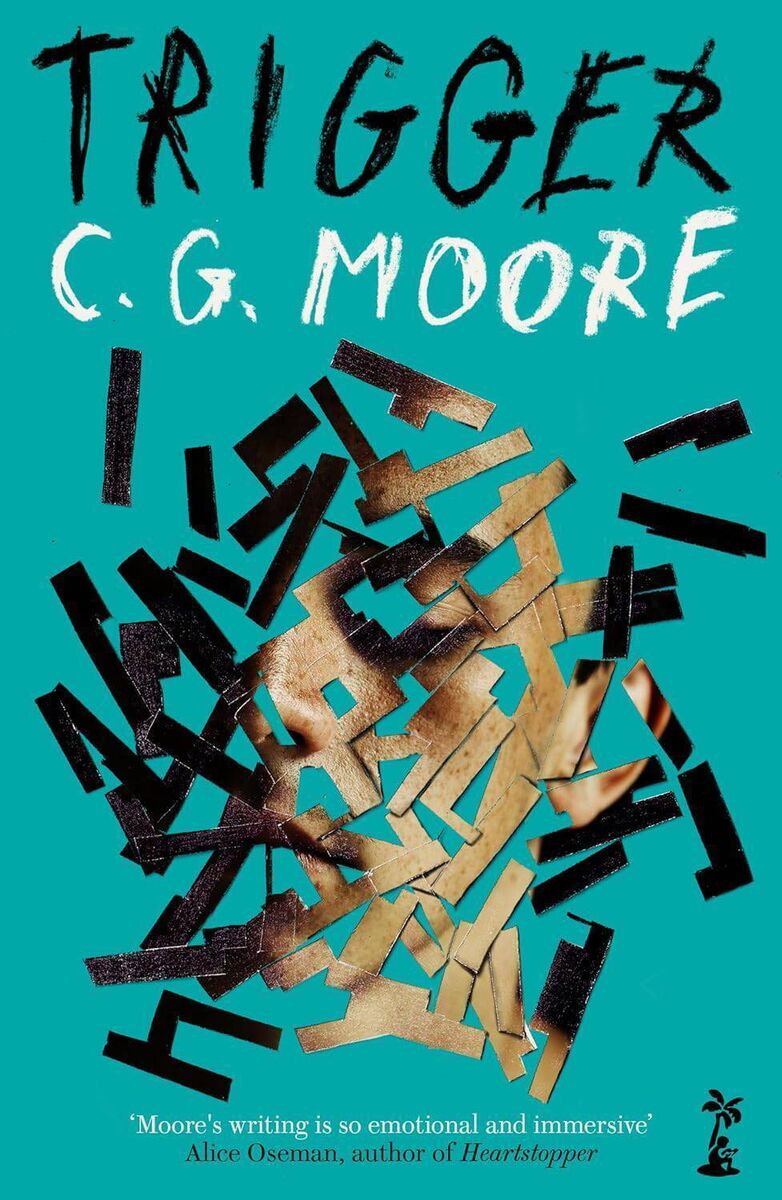
Trigger by CG Moore (Little Island, €10.99)

Jay wakes up in a park, unable to remember how he came to have bruises down his thighs and blood soaking through his clothes.

Left inside the “hollow husk” of his body, he knows something terrible happened last night but cannot piece together the events that occurred after he went to a club with new boyfriend Jackson.

His best friend manages to get him to hospital, where it becomes clear that Jay has been raped, but after an initial inability to process the awful truth, the emptiness he feels inside turns to horror and anger.

His suspicions that Jackson was somehow involved develop into a deep sense of betrayal, and when through a support group he makes a new non-binary friend, Jay finds the strength to seek justice, even if its pursuit will trigger further trauma.

From the author of Gut Feelings, this stark young-adult novel from a writer who himself suffered two sexual assaults pulls no punches in its exploration of consent and self-acceptance, though free-verse streams of consciousness which cut straight to the heart.

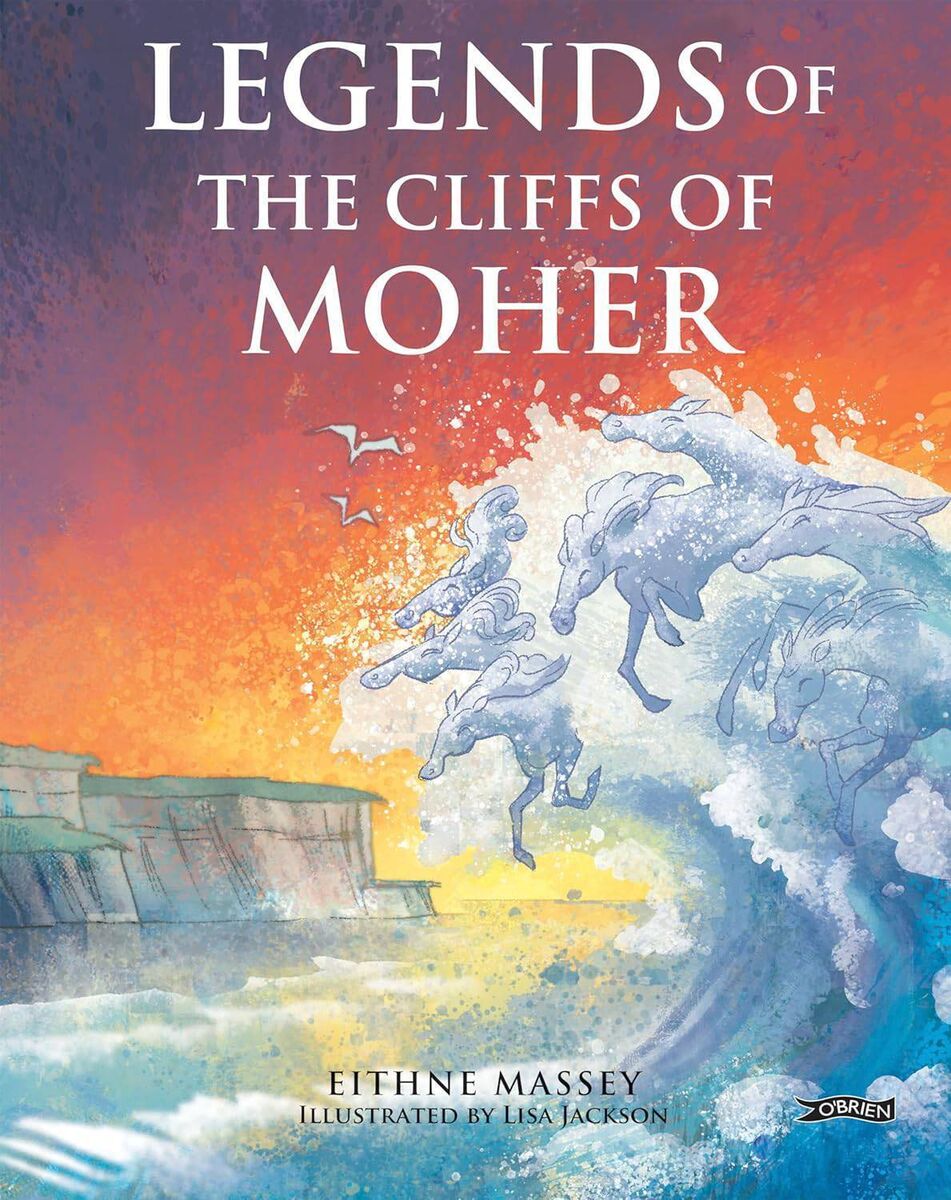
Legends of the Cliffs of Moher by Eithne Massey (O’Brien Press, €16.99)

Look out from the cliffs of west Clare and once every seven years you might chance to see shimmering in the sea mist the faintest impression of the lost island of Kilstiffen, before it sinks back beneath the waves.

The key to the island’s city was lost long ago when its ruler, Prince Ruadhán, was tempted by greed and defeated in battle. 

Speculation continues as to the location of the key, and some tales tell that Ruadhán is not dead but in an enchanted sleep and will one day return to rule his underwater kingdom.

In the meantime, this remains one of the best-known stories surrounding the Cliffs of Moher, a landscape so dramatic that it features in many Irish legends, including those surrounding Cú Chulainn.

His encounter with the hag Mal and attempts to escape her romantic advances lead Cú Chulainn to leap from the cliffs to a lone rock in the Atlantic, Mal falling to her doom in the waters off what is now known as Milltown Malbay, at Hag’s Head, to be precise.

These and three other stories, including the macabre ‘Giant Eel of Kilmacreehy’, are related in matter-of-fact, almost deadpan manner by Eithne Massey, the wind and waves of the West conjured by the atmospheric illustrations of Lisa Jackson.

BOOKS & MORE

Check out our Books Hub where you will find the latest news, reviews, features, opinions and analysis on all things books from the Irish Examiner's team of specialist writers, columnists and contributors.

More in this section

Scene & Heard

Newsletter

Music, film art, culture, books and more from Munster and beyond.......curated weekly by the Irish Examiner Arts Editor.

Cookie Policy Privacy Policy Brand Safety FAQ Help Contact Us Terms and Conditions

© Examiner Echo Group Limited