Karl Whitney: Independent message fades within art’s stifling corporate structures
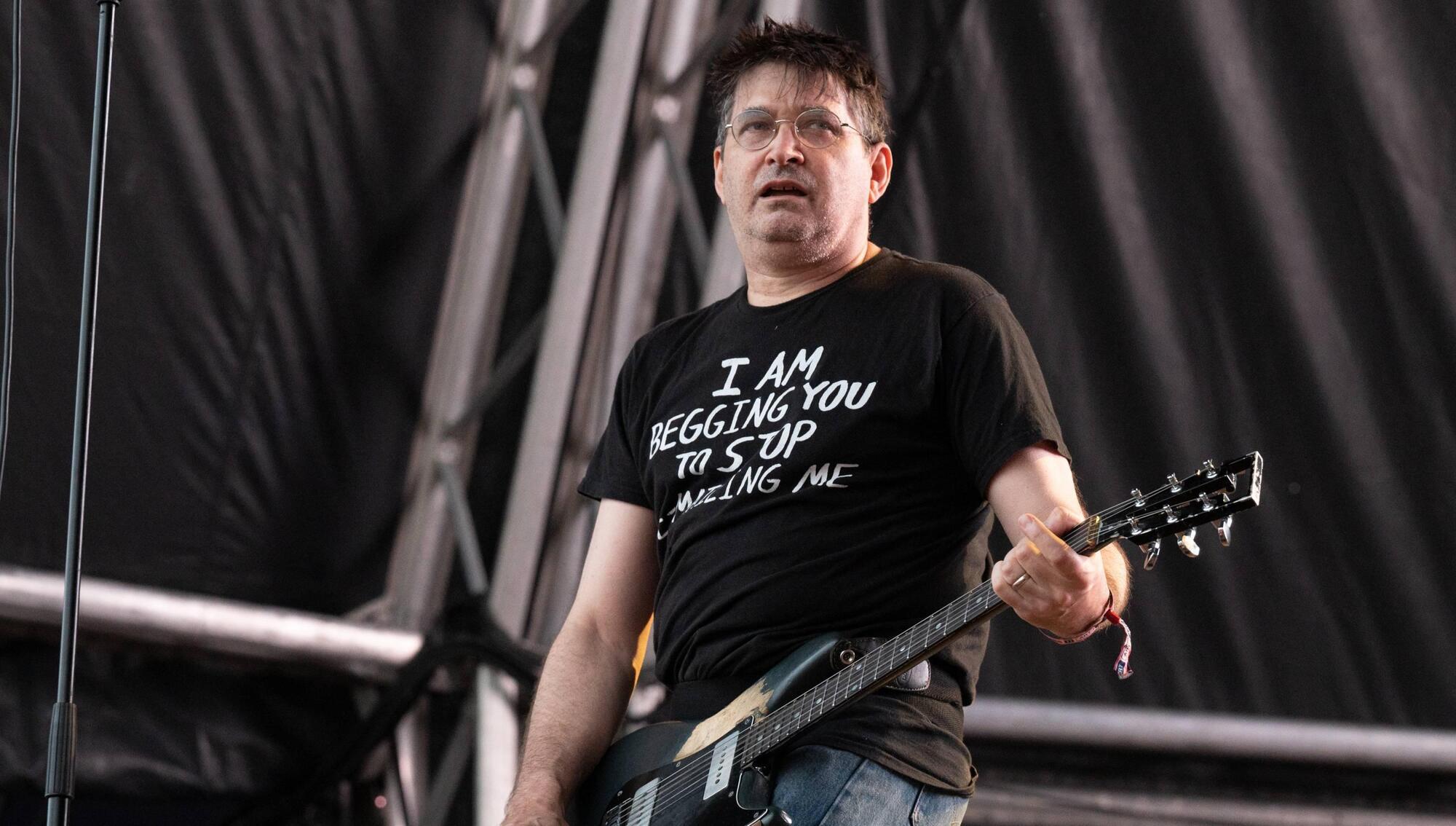
Steve Albini was fiercely independent and a severe critic of the music industry and its exploitation of young bands. Picture: Jim Bennett/WireImage
The notion of independence has been on my mind lately. Mainly because the rigorously independent producer and musician Steve Albini died, leaving behind him a legacy of quite astounding records, including Pixies’ , PJ Harvey’s and Nirvana’s .
What was notable about him, beyond the exacting quality of his work and his habitual acidity (and occasional obnoxiousness, at least earlier in his career), was the unpretentious and critical approach he adopted towards his own industry.
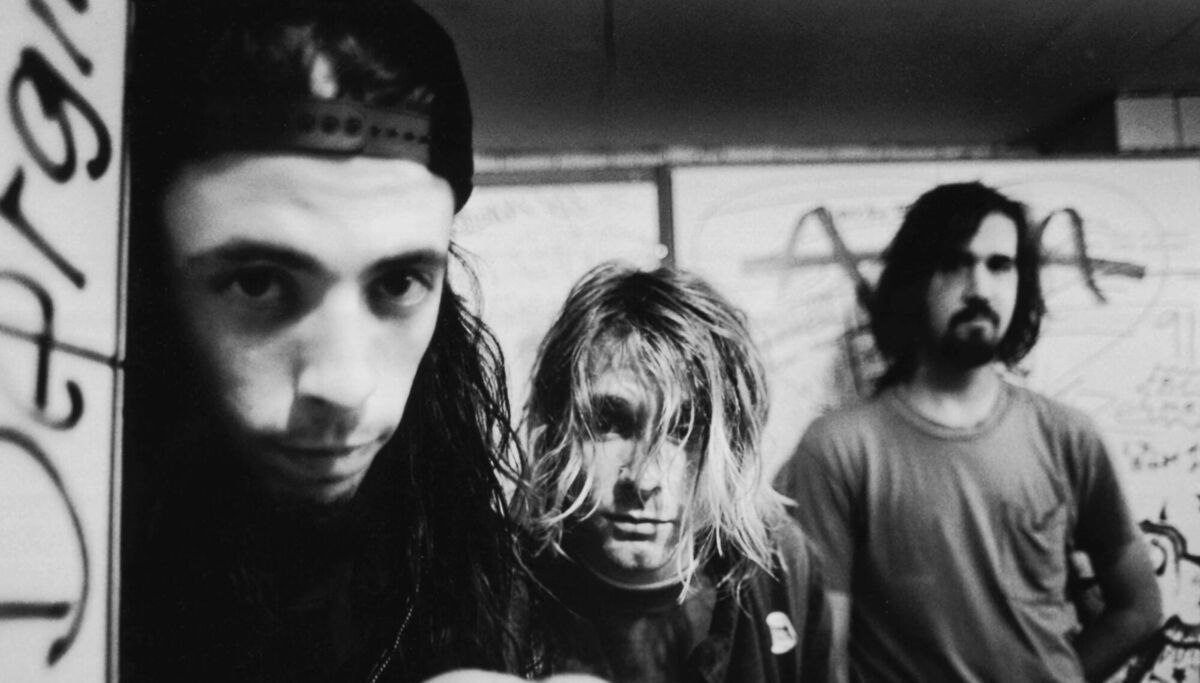
He went on to estimate the costs involved in recording and touring an album for a major, concluding that, after all the effort they’ve put into the process, and after selling a quarter of a million copies, by the time the costs have been subtracted ‘the band members have each earned about [one-third] what they would working in a 7-Eleven’.
It’s not just in music. It happens in literature all the time — although the stakes are often much lower.

At a locked gate on Broadway protesters within campus chanted out to supporters on the sidewalk who had been corralled between barriers by police.
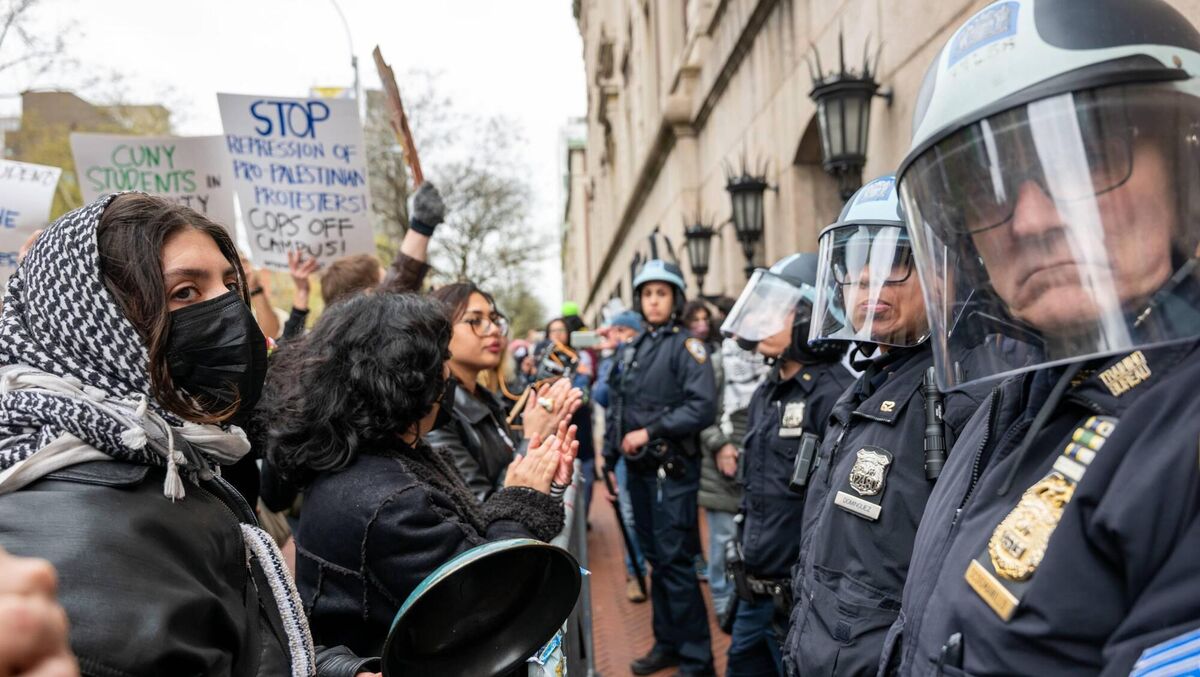
In early May, a peculiar piece appeared in The New Yorker written by Zadie Smith. It took newspaper reports of campus antisemitism at face value without considering the layers of distortion and misinformation that might have been imposed between her and the reality of what was going on.

BOOKS & MORE
Check out our Books Hub where you will find the latest news, reviews, features, opinions and analysis on all things books from the Irish Examiner's team of specialist writers, columnists and contributors.