Book review: Raking over the coals of a dark and sinister chapter in British history

Amitav Ghosh draws parallels between the British empire’s opium trade and the opioid epidemic in the US. File picture: Leonardo Cendamo/ Getty Images
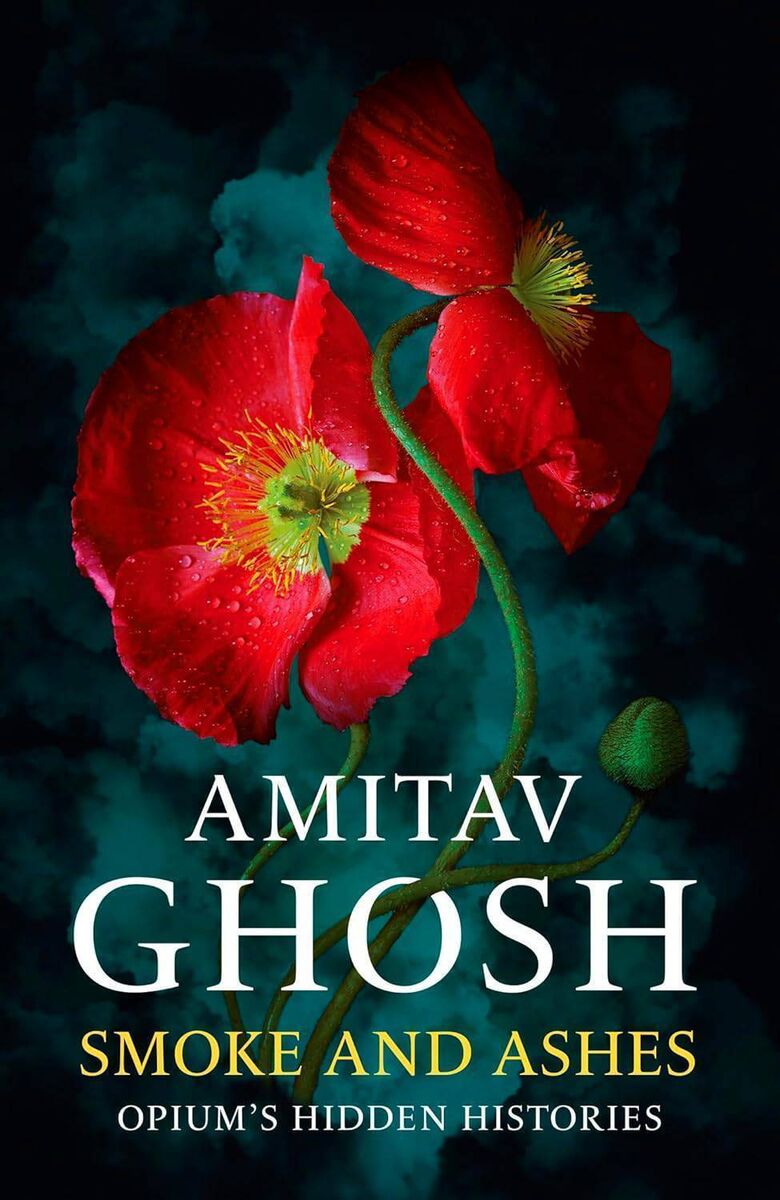
- Smoke And Ashes: Opium’s Hidden Histories
- Amitav Ghosh
- John Murray, €21.99
The stories of deception and cruelty that Amitav Ghosh encountered while researching had a pronounced effect on him.
Midway through writing the book, the author abandoned it, cancelled the contracts he’d signed, and returned his publishers’ advances.
We’re lucky he reconsidered.
At the start of the 20th century, up to 200m Chinese people — about 40% of the country’s population — were opium users or addicts, implicated in a vast criminal network engineered by the British empire that was “utterly indefensible by the standards of its own time as well as ours”.
Bubbling underneath Ghosh’s poised prose is a controlled anger as he skilfully excavates a history incorporating the exploitation of more than a million Indian peasants who harvested opium, and the devastation inflicted on China by the Opium Wars that triggered the country’s Century of Humiliation.
The enormous opium supply chains created by Britain were cornerstones of the nascent capitalist system sweeping across the world.
Similarly, the opium trade was fundamental to inaugurating today’s globalised marketplace.
After the First Opium War in 1842, China’s ruling Qing dynasty was forced to cede Hong Kong to the British and the island became the focal point of opium smuggling in China.
The Qing dynasty passed laws in 1729 banning the importation of opium into China. Yet in 1837, it represented 57% of the country’s imports.
Britain used its military prowess to compel China to legitimise a trade that was degrading its people but was vital to enriching the British empire.
By the 1880s, Britain’s opium industry earnings generated more than £10m annually.
Ironically, Britain became an imperial “narco-state” to address a profound trade deficit with China.
In the second half of the 18th century, Britain imported most of its tea from China. The Qing dynasty wanted to be paid in silver.
But struggling to find sufficient bullion, the British increased their exports of opium to China. Crucially, in 1772 the East India Company established a monopoly on opium production in Bihar — the Indian region producing most opium.
The British justified this by claiming the earlier Mughal empire enforced a similar monopoly of the plant.
Ghosh argues this was emblematic of the British empire’s “self-exculpatory myth-making”: it took advantage of the native population while exonerating itself by insisting it was merely continuing an ancient trade practice.
Born in Calcutta, Ghosh is a writer of fiction and non-fiction. Best known for the Ibis trilogy, he is the author of 20 books. In 2018 he received the Jnanpith Award — India’s highest literary honour.
Blending nimble research with deft storytelling, traces with a forensic clarity a dark chapter in British history.
In its unblinking examination of the legacy of the British empire it echoes Sathnam Sanghera’s recent .
Ghosh also unearths his family’s part in the trade: his father’s ancestors moved to Bihar for clerical work in the colonial opium industry.
Throughout, Ghosh draws stark parallels between the British empire’s opium trade and the contemporary opioid epidemic in the US, where 30m people are addicts.
The book would have benefited from exploring how Britain’s opium regime influences Xi Jinping’s China, but Ghosh does illuminate how that trade shapes regional disparities in inequality and violent crime in today’s India.
For example, the areas where opium was cultivated now have significantly lower literacy levels.
“The stamp of the past sometimes sinks so deep into the fabric of everyday life,” Ghosh writes, “that its traces are difficult, if not impossible, to erase.”


BOOKS & MORE
Check out our Books Hub where you will find the latest news, reviews, features, opinions and analysis on all things books from the Irish Examiner's team of specialist writers, columnists and contributors.