Do our experiences define our push for sex over biological imperatives?
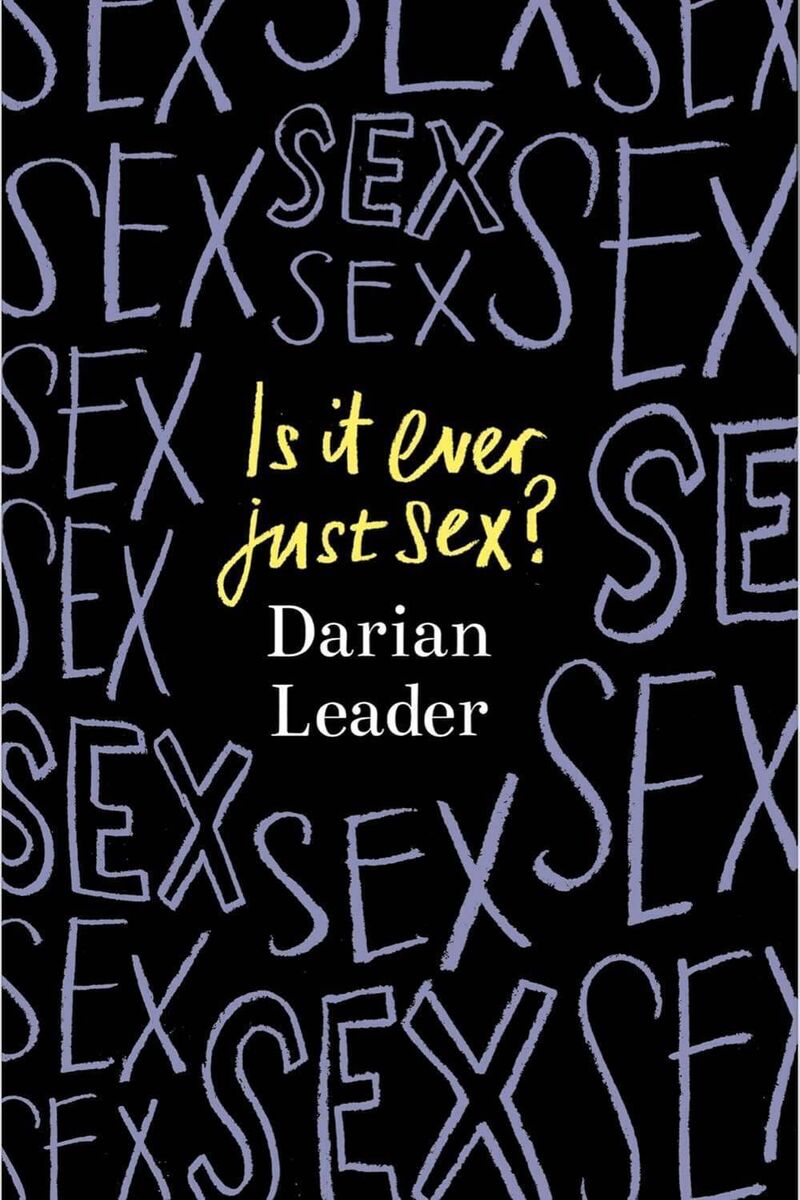
The main argument Darian Leader's book, 'Is It Ever Just Sex?', presents is that sex is never simple or straightforward
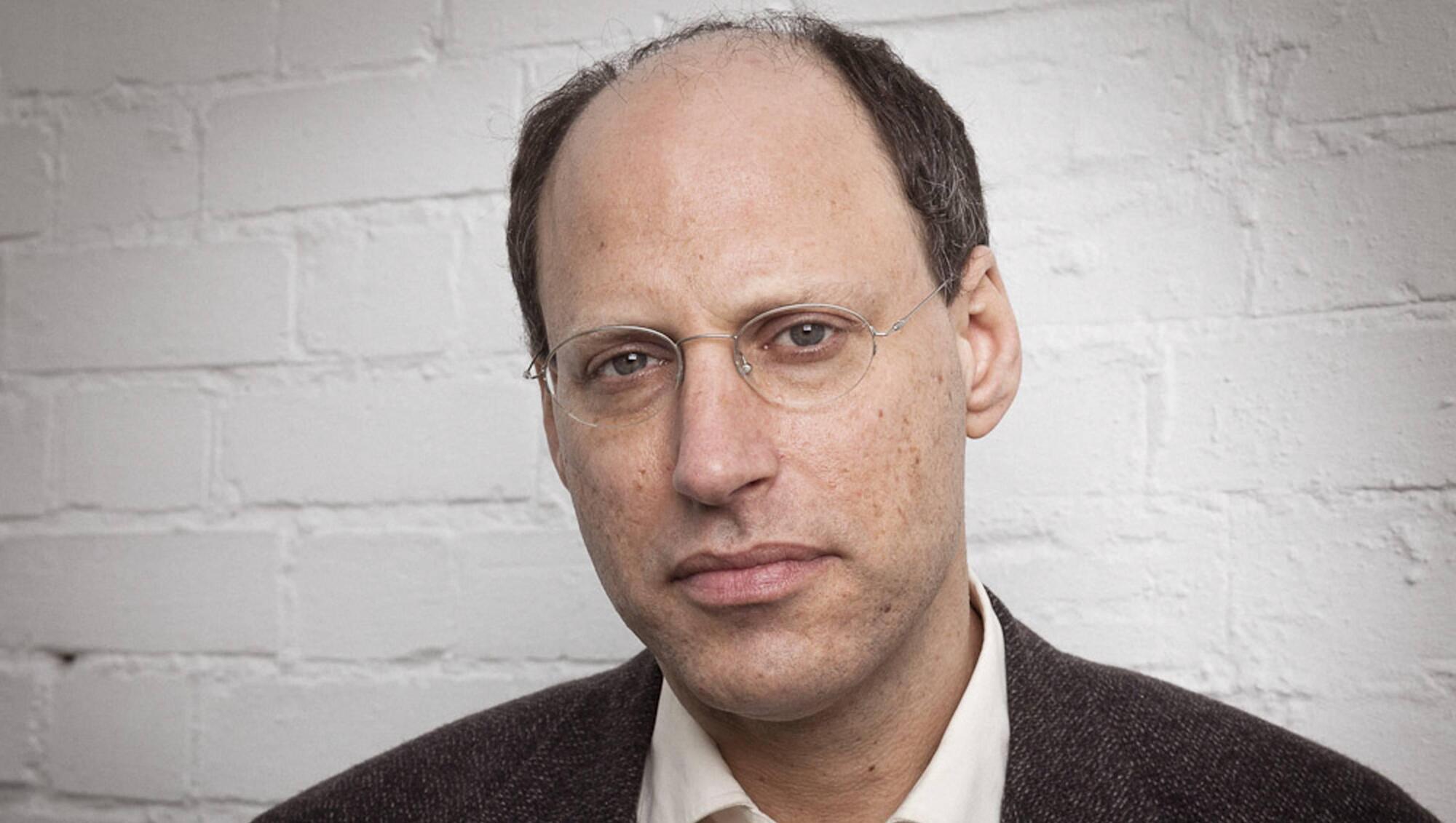
Darian Leader says we should never underestimate how childhood experiences shape our sexual life later. Picture: Angus Muir

Darian Leader says we should never underestimate how childhood experiences shape our sexual life later. Picture: Angus Muir

  • Is It Ever Just Sex?
  • Darian Leader 
  • Hamish Hamilton,  €17.99 

In 1896 Sigmund Freud coined the term “psychoanalysis”. The Austrian neurologist put sexual matters at the heart of his new science — believing that sexual desire drove most human behaviour, albeit unconsciously. 

Freud’s labelling of fundamental sexual doctrine — such as drive, libido, stage, desire, and quest — normalised sexual terminology at a time when it was a taboo in western society.
Darian Leader says psychoanalysis was once famous for seeing sex in everything: physical and psychical symptoms, for instance, were explained in terms of unconscious sexual desires. 

Sex was also believed to shape personal relations and the wider social dramas of war, politics, and culture.

Leader is a is a practicing psychoanalyst working in London and a founding member of the Centre for Freudian Analysis and Research (CFA). 

The research centre was founded in 1985 with the aim of promoting and developing psychoanalysis, through teaching seminars and study groups, told from a Freudian perspective.

But isn’t Freud so last century?

“Since Freud’s time psychoanalysis has become a very complicated field with lots of different traditions,” Leader explains from his office in north London. 

Some are conservative and out of date, while others are much more alert to current debates about gender and sexual orientation.

“Nevertheless, for people who read Freud, there is still a valuable source of insight in his work to help us understand what drives human behaviour and how the mind works.”

The British psychoanalyst, whose previous books include Freud’s Footnotes (2000) and Why We Can’t Sleep (2019), claims Freud’s ideas about how children first come to think about sex are, in fact, still very relevant and accurate. 

Freud believed the child’s earliest ideas about violent sex often happens before they even recognise the existence of a vagina.

“The act of love, [Freud] wrote, is seen as an act of violence, and so the sexual activity of the future becomes not a promise but a threat,” Leader writes in Is It Ever Just Sex?.

The main argument his book presents is that sex is never simple or straightforward.

There is an age-old idea that sexuality is a smouldering animalistic force within us, desperate for release, yet restrained by social forces. 

But there is little evidence to support such claims, Leader believes. What pushes us to seek sex “results more from social processes than from innate biological ones”, he says.

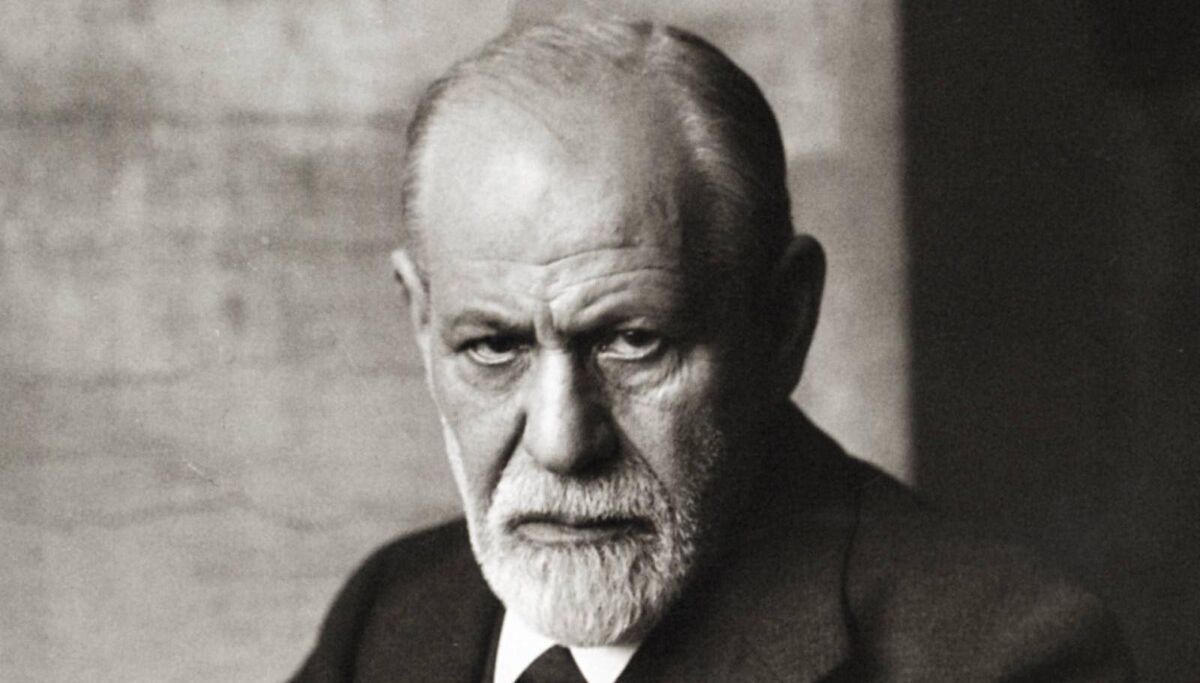
Austrian psychoanalyst Sigmund Freud  believed the child’s earliest ideas about violent sex often happens before they even recognise the existence of a vagina.

“By the 1970s what the psychologists studying sex had mostly agreed on, was that when people experienced the urgency of sexual desire, it was often caused by fear, threat, or anxiety,” says Leader.
“Culturally, every 15 to 20 years, the popular representation of sex tends to change. And what we have seen relatively recently with sex [in western culture] is an emphasis on pleasure for the sake of pleasure.”

But choice and pleasure are not the only factors that play a role in sexual relations, Leader points out. 

Could sex, for instance, be a coping mechanism to combat negative emotions we feel when we are unhappy, uneasy, agitated, anxious, or lonely?

 Leader’s latest book tries to answer complex questions like these. Sometimes he points to statistics.

We learn, for example, that the global use of internet pornography surges late on Sunday night and continues through Monday. Leader says the timing is not coincidental. 

As the pleasures and freedoms of the weekend fade away, porn provides many with a distraction and a fantasy from real world troubles. He also points out that during the pandemic, anxiety and porn use became closely connected.

“By the end of March 2020, for instance, there were already 1.8m logged searches for coronavirus porn,” says Leader. “This shows that the very things that we are afraid of, can be transformed into frameworks for arousal.”

In her book Dopamine Nation (2021), the American psychiatrist, Anna Lembke, noted how the internet promotes compulsive overconsumption, not merely by providing increased access to drugs old and new, but also by suggesting behaviours that otherwise may never have occurred to us.

Effects of pornography in young people

Leader takes a similar view. Especially when assessing the effects of pornography in young people.

 “In my own practice I often encounter youngsters (10- to 12-year-olds) who have been very disturbed by stuff that they have seen involving incest and extreme violence,” he says. 

“A few decades ago, this material probably would not have really been accessible to people of that age.”

Leader claims many people use pornography as a way of allowing themselves to divorce sex from meaning. 

In addition to making porn more readily available than ever, the internet has also widened the social net for of those we can seek to have sex with. 

He mentions the hook-up culture of hit-and-run sex that online apps has facilitated so widely in recent years.

Like pornography “many of these apps (but of course not all of them) encourage the idea that you can have purely sexual transactions between human beings that won’t have effects in terms of loss, grief, heartache”, says Leader.

What I find, though, with the people I work with, is that these hit and run sexual encounters do produce the sensations of loss, and sometimes depression and depletion, that are traditionally linked to the effects of emotional attachments in relationships.

Leader’s book provides us with an array of quirky real-life sex stories from his clients undergoing treatment in psychoanalysis. 

We read, for instance, about the sexual escapades of a London city trader, a high court judge, and a high-class escort respectively.

This goads the author into discussing the theory of so-called sex addiction. He cites the work of sex therapist, Jack Morin. 

“When we speak of sex addiction (not a term I use, but others do) often what the person is addicted to is not having sex [per se] but battling with the feelings that having sex produces in them,” says Leader. “So the battle with themselves is actually the addiction.”

Leader says we should never underestimate how our childhood experiences and environment shape our sexual life, later, as adults.

“You could argue that sex takes us back to all of the things that have been so painful to give up as children,” he says. “Being touched. Being scraped. Having pressure put on skin and muscle.”

He then turns to the role power plays in sexual relations. He believes if someone is deprived of the power in their everyday life, sex may end up being the only space where this becomes momentarily possible.

“There is no equality in sex, but rapid shifts in power are a fundamental part of most people’s sexual practice,” he explains. 

“You can link that to early life, where we often lack power. Where adults with larger, and more powerful bodies, effectively keep us in a constant state of dependence.”

We often hear people say: It was just sex, it didn’t mean anything. But Leader points to the irony of such throwaway catchphrases.

“In fact, this just shows how important meaning is to the whole process,” he says. “And yet, measuring that meaning is difficult, even impossible.

“We often hear that we live in enlightened times, that everyone can talk about sex, and we live in a sex positive culture, but this is something that only really exists on the surface level.

“In various segments of society, sex is still considered a more punishable offence. 

“That is why many people will feel a great sense of relief after sex — it’s as if they have miraculously managed to avoid some terrible punishment.”


x

More in this section

Scene & Heard

Newsletter

From music and film to books and visual art, explore the best of culture in Munster and beyond. Selected by our Arts Editor and delivered weekly.

Cookie Policy Privacy Policy Brand Safety FAQ Help Contact Us Terms and Conditions

© Examiner Echo Group Limited