Book review: Language is its own religion

Ross Perlin's 'Language City' is a rewarding read and it challenges the idea that a universal language is a good thing
Book review: Language is its own religion

While New York City is probably the most linguistically diverse city in the world, the children of the speakers of these languages tend to communicate in English when their parents are not around.

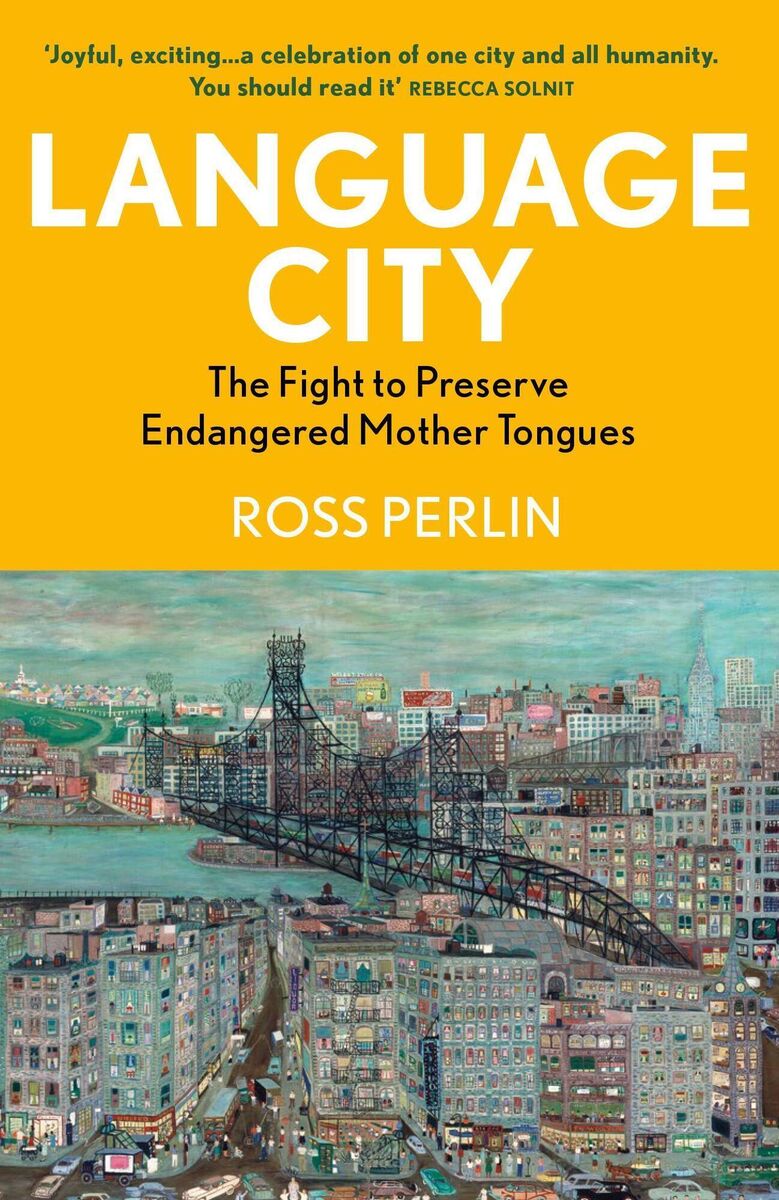
  • Language City: The fight to Preserve Endangered Mother Tongues 
  • Ross Perlin 
  • Grove Press UK, £12.99

The Endangered Language Alliance (ELA) is a non-profit organisation based in New York; its mission is to map more than 700 minority languages used daily in that city.
The mission is a race against time because, while New York City is probably the most linguistically diverse city in the world, the children of the speakers of these languages tend to communicate in English when their parents are not around.

For that reason, it may not be long before many of these tongues are lost forever.

There are more than 7,000 languages across the world. Facebook is available in approximately 100 of these, and Wikipedia is published in just over 300 languages.

With each passing decade the big six, (English, Mandarin, Hindi, Spanish, French, and Arabic) are suffocating the diversity of language.

Currently, 4% of the world’s population speaks 96% of the world’s languages.

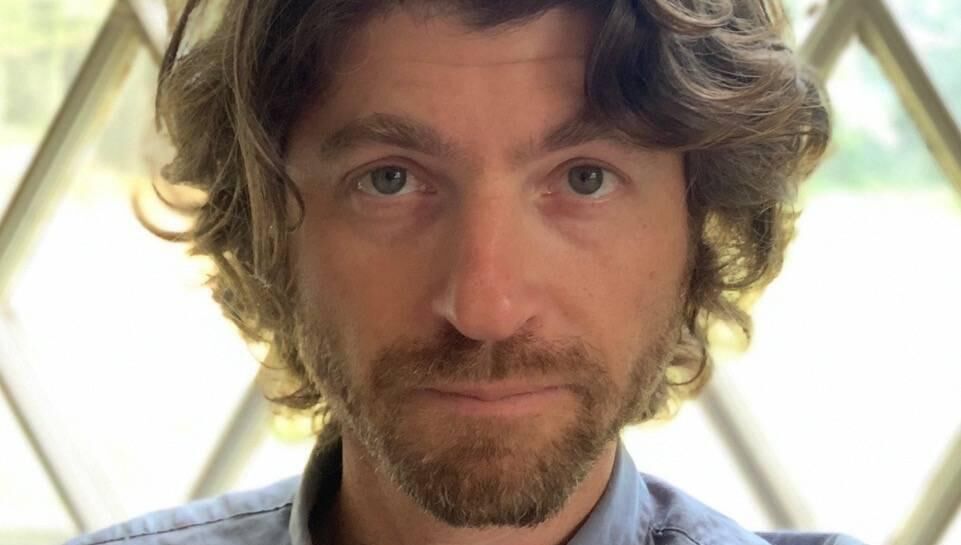
The author of the Language City, Ross Perlin, is a linguist and a co-director of the organisation.

It would be wrong, however, to think that Language City is simply about the communications and conversations of New York.

Perlin uses six case histories to demonstrate and explain the struggle of keeping minority languages alive. These six people are the true heroes of the book.

There is Rasmina, one of only 700 speakers of Seke. She came to Brooklyn from Nepal, where Seke is spoken among the inhabitants of five tiny villages.

Approximately 100 of the Seke speakers, including Rasmina, now live in one Brooklyn apartment block.

Husniya is a speaker of Wakhi, and is from the Pakistan/Tajikistan/Afghanistan borders area.

Boris is a speaker of Yiddish. Ibrahima is promoting N’ko, a new writing system for West African languages. Irwin is a speaker of Nahuatl, one of more than 280 indigenous Mexican languages.

Karen is a teacher of Lenape, a native American language that has faced extinction for more than 200 years — yet still survives.

Because we in Ireland have become submerged in the usefulness of English as a medium, we tend to assume that all languages are simply “different labels on the same world”.

The author of 'Language City', Ross Perlin, is a linguist and a co-director of the Endangered Language Alliance.

Language is far more complicated than that. Take, for example, the 700 speakers of Seke, who live in an isolated part of the Himalayas, there is no need for small talk such as ‘where are you going?’, everyone already knows.
This is why speakers of one language may find speakers of another, rude or stand-offish. 

It also helps to explain why there is conflict between nations, and within nations, and within provinces of nations, and all the way down to inter-parish rivalry.

I found myself relating the work of keeping the languages and traditions alive, as described Perlin, to the threats to the Irish language.

Perlin tells us that, in the 20 years after the Great Famine, it is estimated that by the 1860s there were 73,000 daily speakers of Irish in Manhattan and Brooklyn — roughly the same number of daily speakers who speak Irish across the world today.

Should we be worried that Irish will go the way that 50% of the world’s languages are expected to go?

The message to be taken from Language City is that it is very hard to kill a language. To borrow an analogy from a religious context: Wherever two or three are gathered to speak their tongue, that language will survive.

Perlin tells us that language is its own religion.

It unites communities, fosters independence and self-belief, but it also demands commitment.

As a nation, Ireland can take succour that there are enough good people in the country to ensure our language will be preserved in this ever-changing world.

For us in Ireland, as our economy continues to grow, we are likely to see a rise of multi-language speakers, with many using different languages in different aspects of their lives.

We are currently seeing the hugely positive effect of multiculturalism on the Irish music scene. We can look forward to many more positive impacts.

Language City is a rewarding read. It challenges the idea that a universal language is a good thing.

Good for marketing and commerce perhaps, but not for individuality, creativity and identity.

 The group’s battle to retain languages that are the key to retaining the character of New York, is a fight that needs to be carried on throughout our ever-changing world.

x

BOOKS & MORE

Check out our Books Hub where you will find the latest news, reviews, features, opinions and analysis on all things books from the Irish Examiner's team of specialist writers, columnists and contributors.
More in this section

Scene & Heard

Newsletter

Music, film art, culture, books and more from Munster and beyond.......curated weekly by the Irish Examiner Arts Editor.

Cookie Policy Privacy Policy Brand Safety FAQ Help Contact Us Terms and Conditions

© Examiner Echo Group Limited