Kids’ books reviews: Arboreal action and adventure
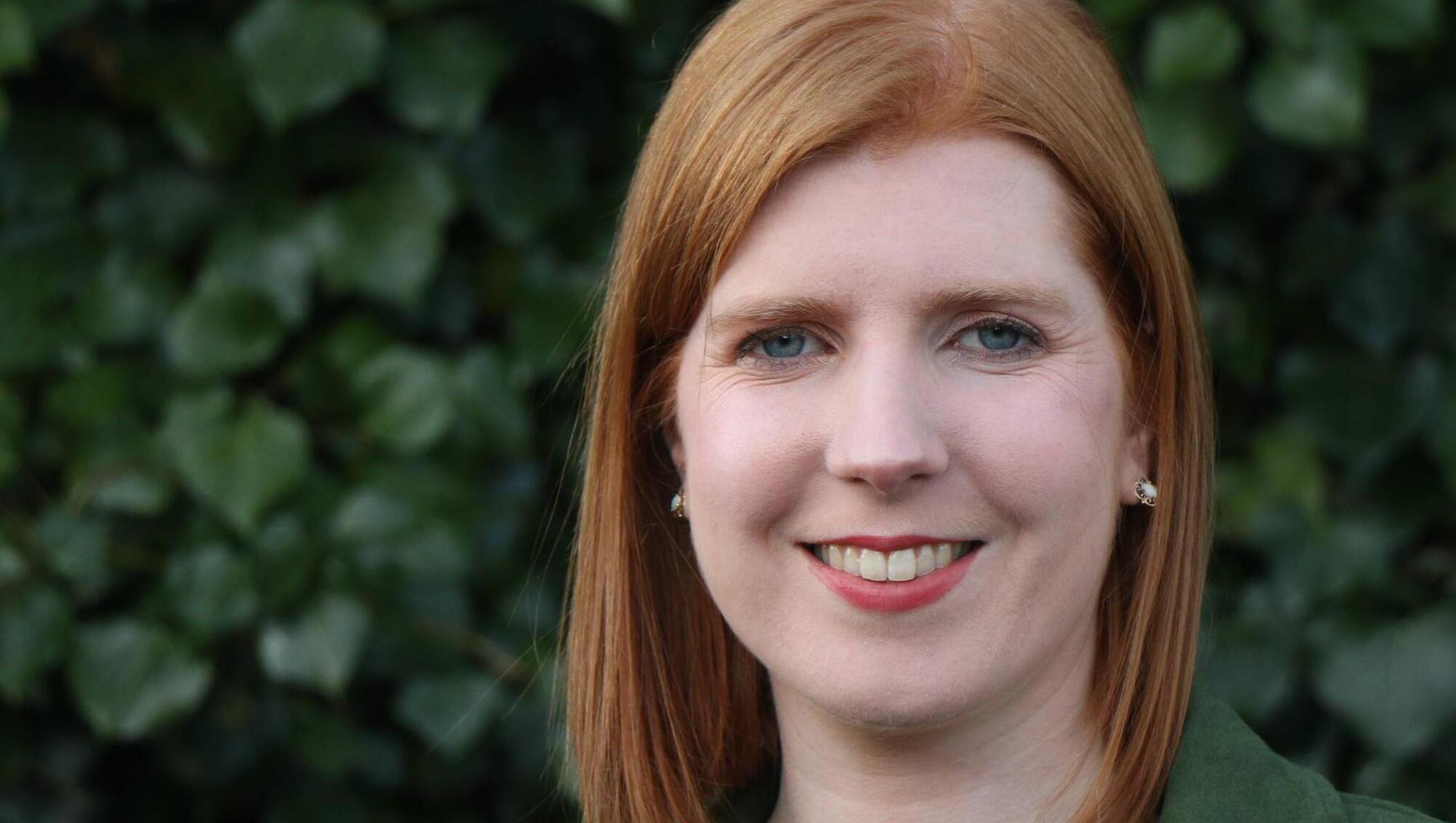
'Into the Witchwood' is a spellbinding debut from Co Galway author Méabh McDonnell.
The bedtime stories Rowan and her younger sister Lila were told by their mother almost always featured a girl lost in the woods and facing an evil witch, goblin, or wizard.
Not stories conducive to sleep, perhaps, but familiar fairytale territory nonetheless, akin to or .
With any story, however, the secret is in the telling, and from an early age it became clear to Rowan and Lila that these were not flights of fancy, but warnings.
Their mother would scrutinise the actions of each heroine, pointing out how her mistakes could have resulted in the villain triumphing and the girl living unhappily ever after.
The girls were instructed in the ‘Rules of the Wood’ to ensure their survival should they ever be foolish enough to enter the Witchwood’s dark expanse.
Inevitably, such foolishness later ensues. When their mother disappears, Rowan, who has begun practising magic, becomes convinced she is inside the woods and must be rescued.
Lila, dismissed by her sister as too young and immature to join her rescue mission, attempts to dissuade Rowan from entering the woods, but along with their friend Farid, she instead finds herself pulled into the Witchwood as Rowan crosses its threshold.
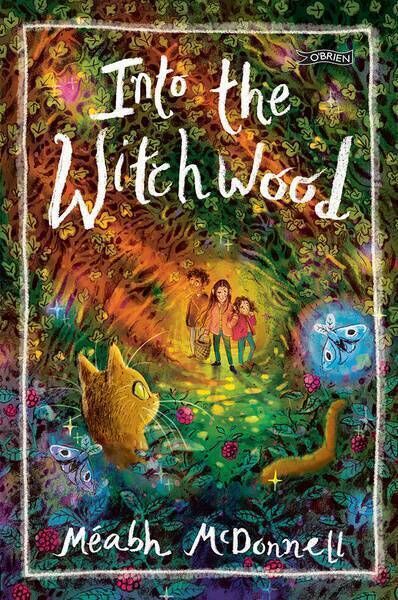
Though Rowan, like her grandmother, possesses magical powers, it is Lila who has the sense to realise that when lured into magical woods, all may not be as it seems.
The trio face danger at every turn as a monstrous snarling cat and a bogman with flailing branches for arms cross their path.
Nastier still are the arrows fired at the youngsters, which send out roots deep under their skin, sprouting foliage from their limbs.
At the bottom of an ancient well at the heart of the Witchwood, however, is the most malevolent force — the Witch herself, who controls the wood’s dark magic and who, it becomes clear, has tricked Rowan.
All of her mother’s warnings, the rules about not straying from the path nor going back the way you came, are brought into play as Rowan, Lila, and Farid attempt to navigate their way through the wood, though it seems the witch herself may not be playing by any such rules.
In the best tradition of terrifying fairytales, the wood represents more than a purely physical challenge, as within it Rowan travels deep into her subconscious, searching for the courage to face both her past and her future.
Along the way, she discovers that what matters most are the bonds of friendship and family, the most compelling of which is the evolving relationship between Rowan and the loyal little sister she has so often pushed aside but who is deserving of her trust and respect.
Though the challenges of first-person narration are apparent in Rowan’s overuse of jarring phrases such as “my stomach dropped” and “my insides burned”, this is a spellbinding debut from Co Galway author Méabh McDonnell.
Released on March 25, it will ensure readers aged nine-plus look nervously over their shoulders on their next walk in the woods.
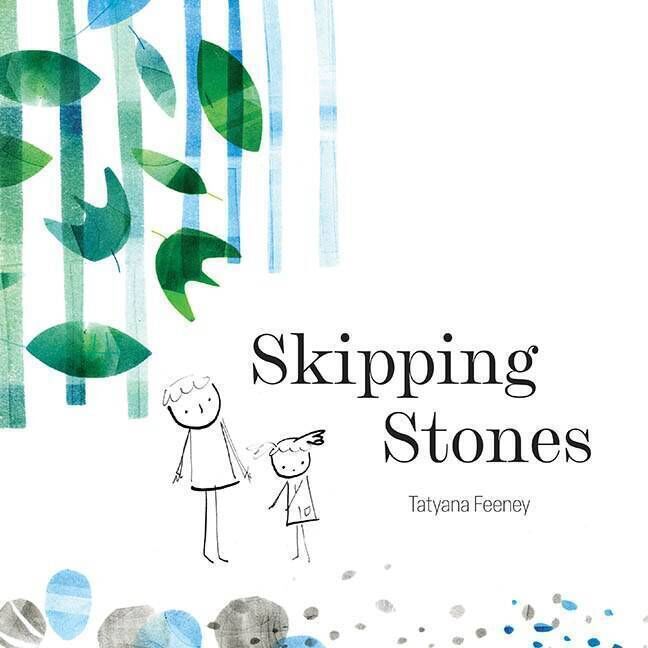
Picture the scene: Shades of jade, emerald, and forest green in printed patterns form tree trunks and leaves.
Against this backdrop stand out black line drawings of an adult and child, while dragonflies and exotic birds flutter overhead.
The story itself, however, is for the reader to tell. One of an increasing number of wordless picture books, this takes readers on a journey through the woods as the young girl and her father walk to the water’s edge and skim stones over its surface.
The sinking stones rouse the turtles and colourful fish beneath and the child reacts in wonder to the beautiful creatures.
As father and daughter make the long walk home, the girl still clutches a stone, a reminder of their day’s great adventure.
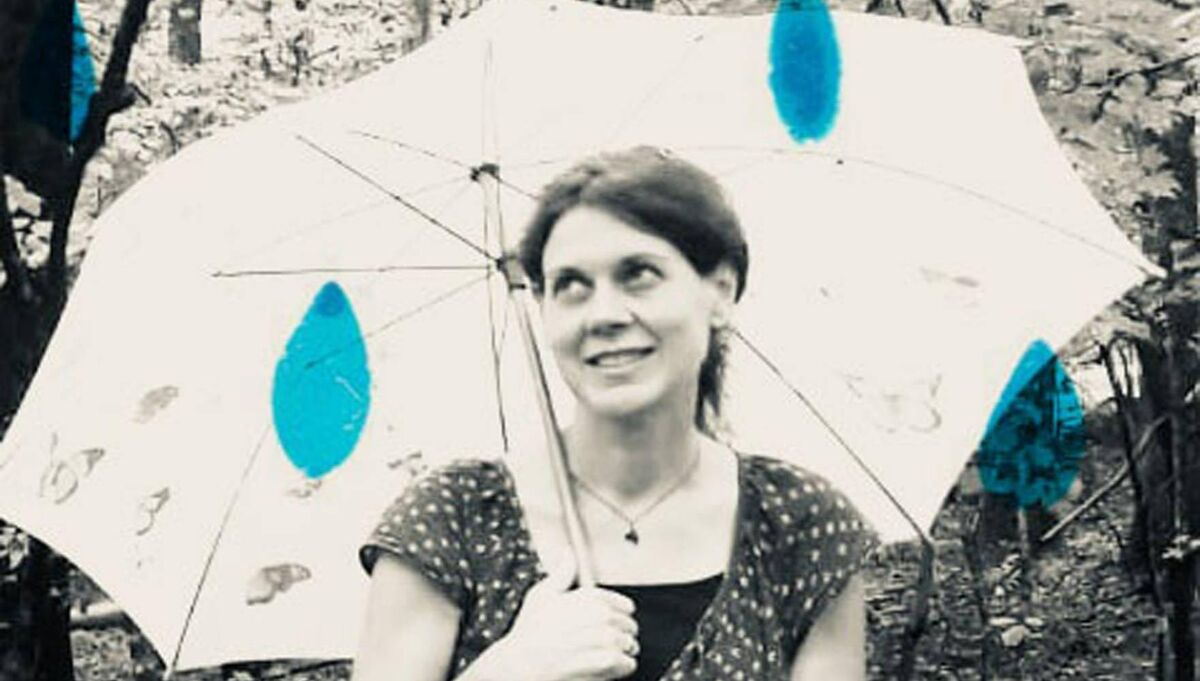
A joyful appreciation of nature’s beauty and the simple pleasure of a family walk, the lack of words in Meath-based illustrator Tatyana Feeney’s picture book encourages creativity on behalf of the reader.
The characters’ identities, the dialogue between them, and reactions to their surroundings can all be imagined and narrated from the reader’s own perspective.
More relevant than ever in a multilingual Ireland, wordless books allow stories to be told to a child in their own language and interpreted according to their lived experiences without the strictures of a defined text.
In the absence of adult storytellers, such books also open up possibilities for children as young as two, and those with reading challenges, to tell the story to themselves in their own words.
Feeney’s sparse, childlike illustrations act as a springboard towards visual literacy, helping to develop comprehension of a situation as familiar as a woodland walk by prompting readers to verbalise what they see on the page.
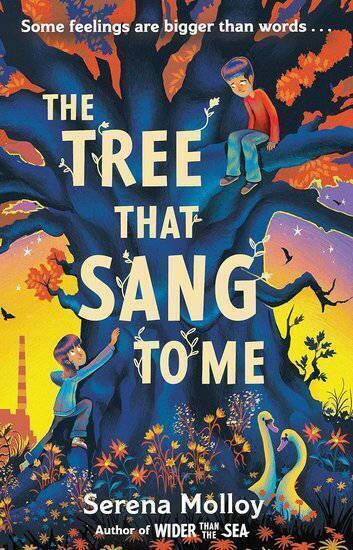
On littered waste ground not far from Dublin’s M50, the branches of a sycamore tree provide a refuge for nature, and for a troubled young boy.
Kai’s beloved big sister Jen has left home and it’s all his fault, he reasons: If he hadn’t wanted to impress the school bullies with a shiny new phone, Jen wouldn’t have got into trouble and his family would not be falling apart.
This secret is so burdensome that he can’t tell his parents, who appear too taken up with Jen’s troubles to have time for Kai’s feelings. Instead, he pulls out clumps of his own hair as Jen’s absence hurts more every day.
He survives school only by staying silent while the bullies pick on another victim, scared that by speaking out they will next turn on him.
Up in the tree, however, Kai finds his safe space and the freedom to be different.
His arboreal hideaway becomes another of his secrets, known to no one but himself, or so he believes.
When someone else discovers the tree and starts climbing its boughs, Kai initially feels resentment, but the interloper turns out to be a girl called Sky who is happy to “sit, feel the branches sway, no need to say anything”.
“Sky’s not like the girls at school who have to fill up all the space with scratchy words, or the kids who always seem to be full of so much noise,” says Kai.
When his feelings are “so big, they’re hard to express”, his tree haven and Sky’s unconditional friendship help Kai find strength to confront his fears.
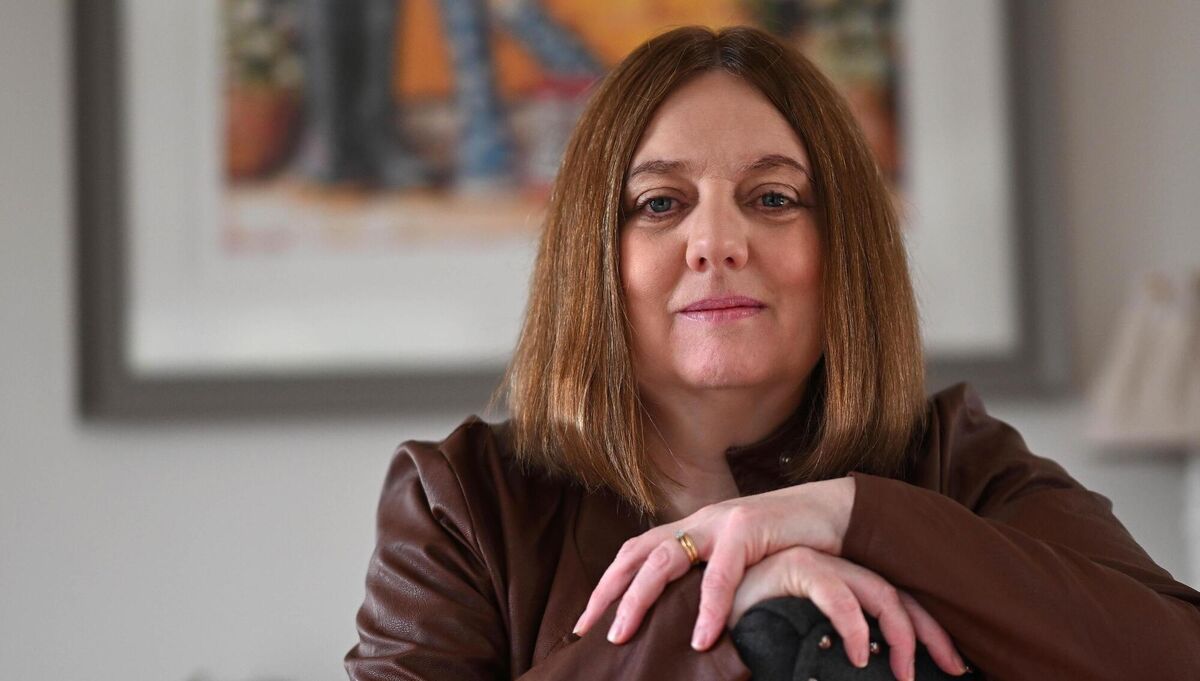
Wexford-born Serena Molloy’s emotive story of self-discovery is told in dyslexia-friendly free verse and aimed at readers aged nine-plus, who should prepare to be moved to tears.


BOOKS & MORE
Check out our Books Hub where you will find the latest news, reviews, features, opinions and analysis on all things books from the Irish Examiner's team of specialist writers, columnists and contributors.