Sober clubbing, safe spaces, cost of living: How will we socialise in Ireland in 2024?

Clubbing, socialising, going out, sessioning––as the cost of living crisis soars, and safe spaces for marginalised groups become less commonplace, Kate Demolder asks the question: what does going out look like in 2024?
Sober clubbing, safe spaces, cost of living: How will we socialise in Ireland in 2024?

In many venues, the focus has shifted from drinking, dancing, and dressing up.

Clubs that offer departures from the conventional strobe-light-sticky-dancefloors of Irish nightlife are becoming increasingly popular, and for good reason. Socialising has changed. As reported by campaign group Give Us The Night, more than four in five Irish nightclubs have shut down since the year 2000, giving rise to an influx of nu-wave, grassroots going-out experiences.

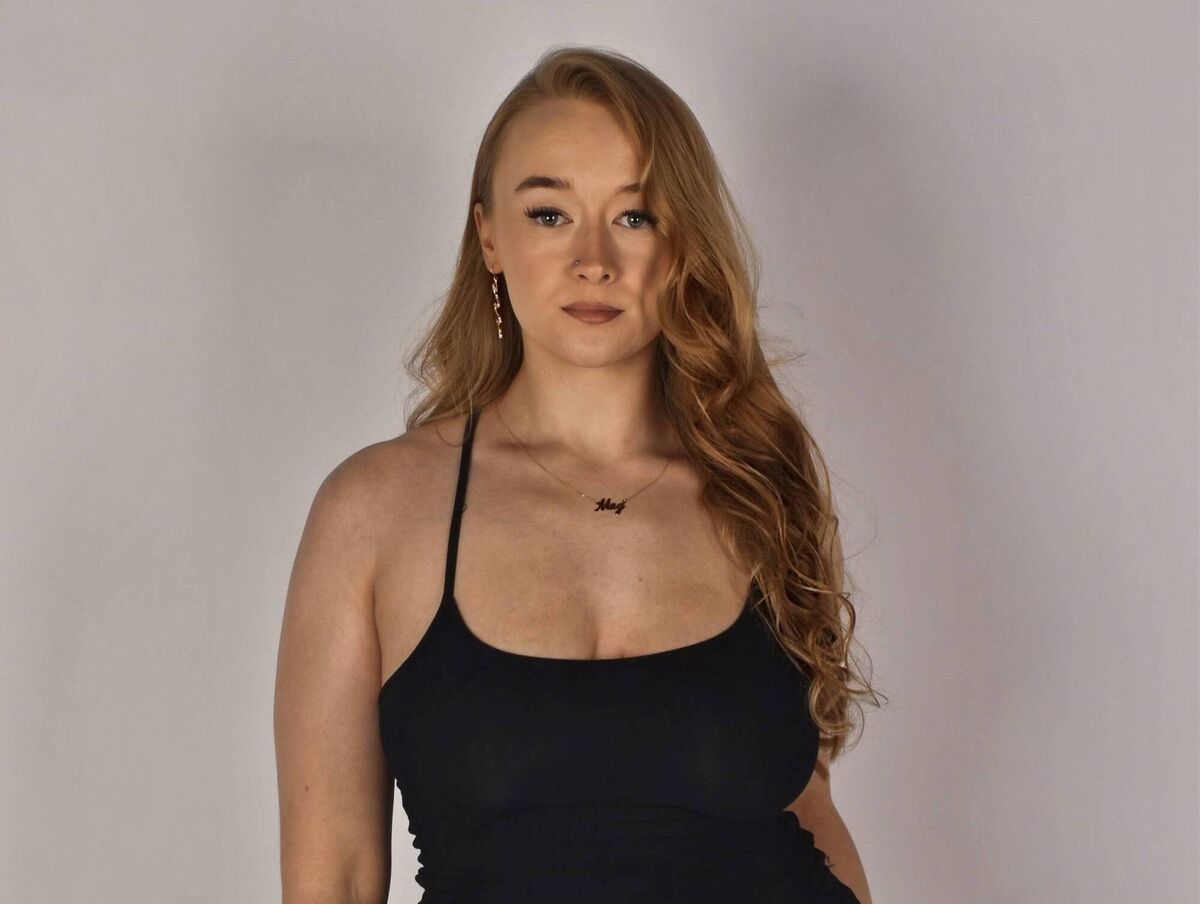
In many of these places, being present and safe has taken priority, with venues restricting phones and employing aides to protect patrons from harassment of any sort. In others, focus has shifted from drinking, dancing, and dressing up to achieving a distilled disconnection from the outside world.

For Paul Walsh, the founder of sober club night Club Loosen, the experience needed to match the alternative; “I didn’t drink for a long time, but it wasn’t until I moved to Berlin and went to Berghain sober, that I realised how I could really, really party without it.”

Walsh insists that such an experience should be available in Dublin. “[When I moved home] I noticed myself not going out much at night-time, because I wasn’t drinking, so I was kind of dreaming of a place where I could get that. Then I set up the first Club Loosen in April.”

Club Loosen is a completely sober rave set in The Complex in Smithfield, where sober punters dance under strobe lights and an alcohol-free bar.

“Initially, people feel self-conscious,” he says. “But they really get into it, and that feeling is amazing. Sober clubbing is now a legitimate thing in Irish culture — there’s a cohort of people who are becoming more conscious of their drug and alcohol use and those numbers are growing. Club Loosen speaks to them without entirely stepping away from going out.”

Paul Walsh: Sober clubbing is now a legitimate thing in Irish culture

In the two or three years before the pandemic put it on hiatus, nightlife in Ireland had hit a generational trough; regional clubs closed due to lack of interest, funding or insurance reasons; late licences grew harder to obtain; and politicians sought to blame antisocial behaviour on the entire cohort of people involved. 

This followed a celebration of going out culture during the Celtic Tiger years, which — despite its ostentatious and at times overly-saturated politics — proved that when you build it (large nightclubs, sometimes genre-specific) people would come.

Following two years indoors, major musicians — from Beyoncé to Jessie Ware to Dua Lipa — have pivoted to using house and dance music influences and producers in their hits to cater to a braying crowd. This dance-hunger has been seen at festivals, too, with acts like Fred Again.. and Belters Only garnering enormous crowds at Electric Picnic and Indiependence, respectively. 

Dance music thrives following uncertainty — the 1930s swing era followed the Great Depression — meaning that post-covid clubbing was inevitable to provide release and connection. It’s the reason that Manchester’s The Warehouse Project — now the largest nightclub in Europe — is doing better than ever. 

As per Sacha Lord, the night-time economy adviser for Greater Manchester and co-creator of The Warehouse Project, by way of NDML, Instagram-era clubbers are looking out for the next big thing, the next feature to light up their social media channels. Because of the anticipation factor, he believes ticketed events will become more widely implemented in 2024.

But what about those who don’t have the money for tickets? According to data from the CGA Cost of Living Consumer Pulse Survey last year, nearly half of all Irish adults planned to cut their nights out for the rest of the year due to cost-of-living pressures. And inflation has since grown further.

“I think, interestingly, clubbing is in a much better place than it was just this time last year,” says DJ, chef, and creative director of Lovin Dublin, Marcus O’Laoire. 

“Just this weekend, we had a number of sold-out gigs for venues that have well over a 1,000-person capacity, which wouldn’t have happened last year. I think the main difference in how people are going out — and this isn’t for just clubbing, but eating and everything else — is that they’re going out less, but when they are, they’re going out bigger.

“Someone might have gone out twice a week, but now it’s looking like once a week or even once a fortnight. And with that, comes a bigger sense of occasion or event. I think it’s because maybe you can only afford to do something that regularly when money is a little bit thinner on the ground. So it’s maybe the case that they’re trying to get more bang for their buck.”

Meg Bergin of The Girls Room: 'There were just so many stories about being spiked and harassed on nights out.' Picture: Aisha Ramadan

For fans of clubbing, dance floors and physical communities, house parties, and nights in don’t cater to the same level of self-expression and joy. Regulars have tried to model a politics of care, deploying harm-reduction strategies for substance use and vigilantly policing harassment on the dance floor, even when spaces don’t feel entirely catered to them. Meg Bergin of The Girls Room, the regular event for women and non-binary people, has just closed the group’s 10th event when we speak.

“I had the idea for it back in January 2022, when there were just so many stories about being spiked and harassed on nights out,” she says. “And in everyday life, there were just a lot of issues around women’s safety. I just thought there should be a space where we can express ourselves and gather together and just have fun, not having to worry about those things.

“On top of that, I also felt that there was a huge gap in terms of inclusivity in Dublin nightlife. So, while there were obviously really pressing issues around safety, there was also that element of building a community that was super important as well.”

The Girls Room, of which Bergin is founder, is a regular, ticketed (“generally between €12 and €15”) event resplendent with musical acts, pop-up shops (nail art and stick-and-poke tattoo artists attended the last iteration) run by female or non-binary owners. There is a zero-tolerance policy on harassment and discrimination.
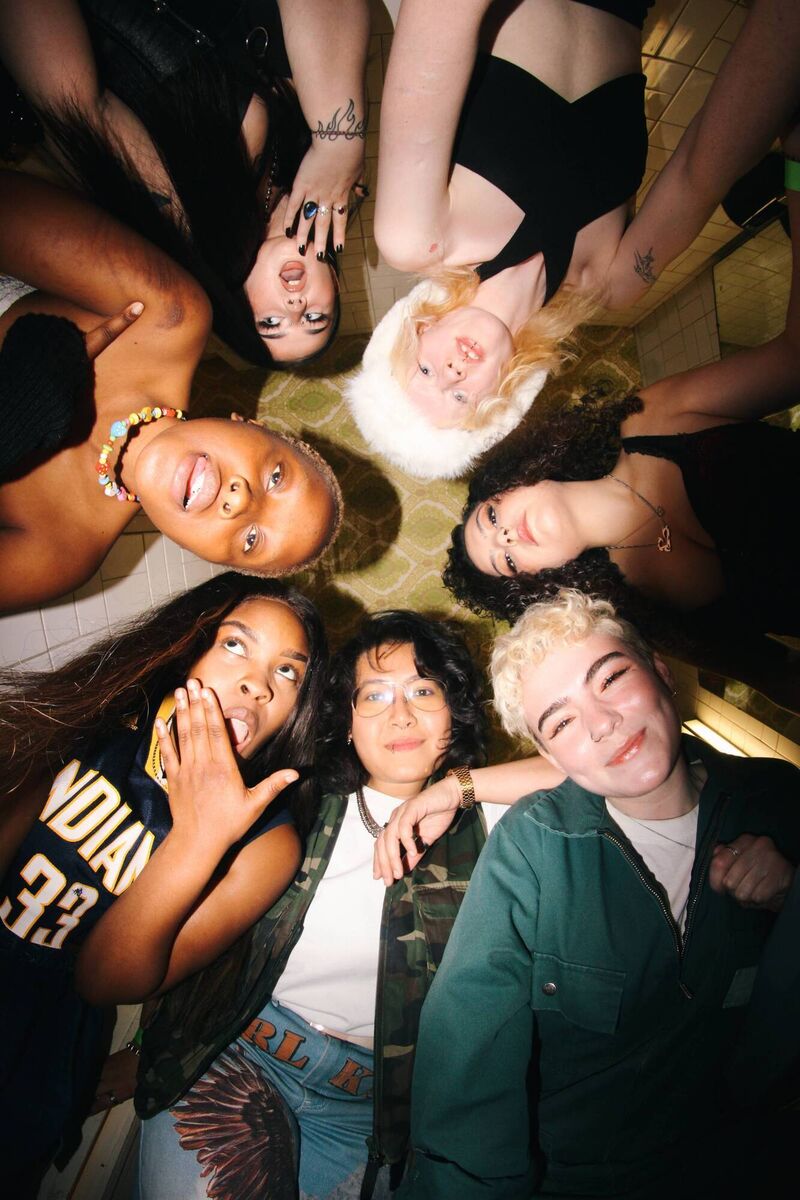
“We have a one-strike rule which is really, really important to us,” Bergin says. “In my experience, nightclub security hasn’t always taken incidents seriously, and they don’t know the impact that has on a person.”

The Girls Room. Picture: Rebecca Ewnetu Yewth

Before every event, Bergin sets up a group chat with all attendees, to create a community, encourage friendships and ensure everyone has someone to travel home with. 

“Going out and coming home are things we have to consider as women, too, so I wanted to make that easier. The topic of ‘safe spaces,’ has become such a big conversation and so often it’s not taken as seriously as it should be. But it’s so important.
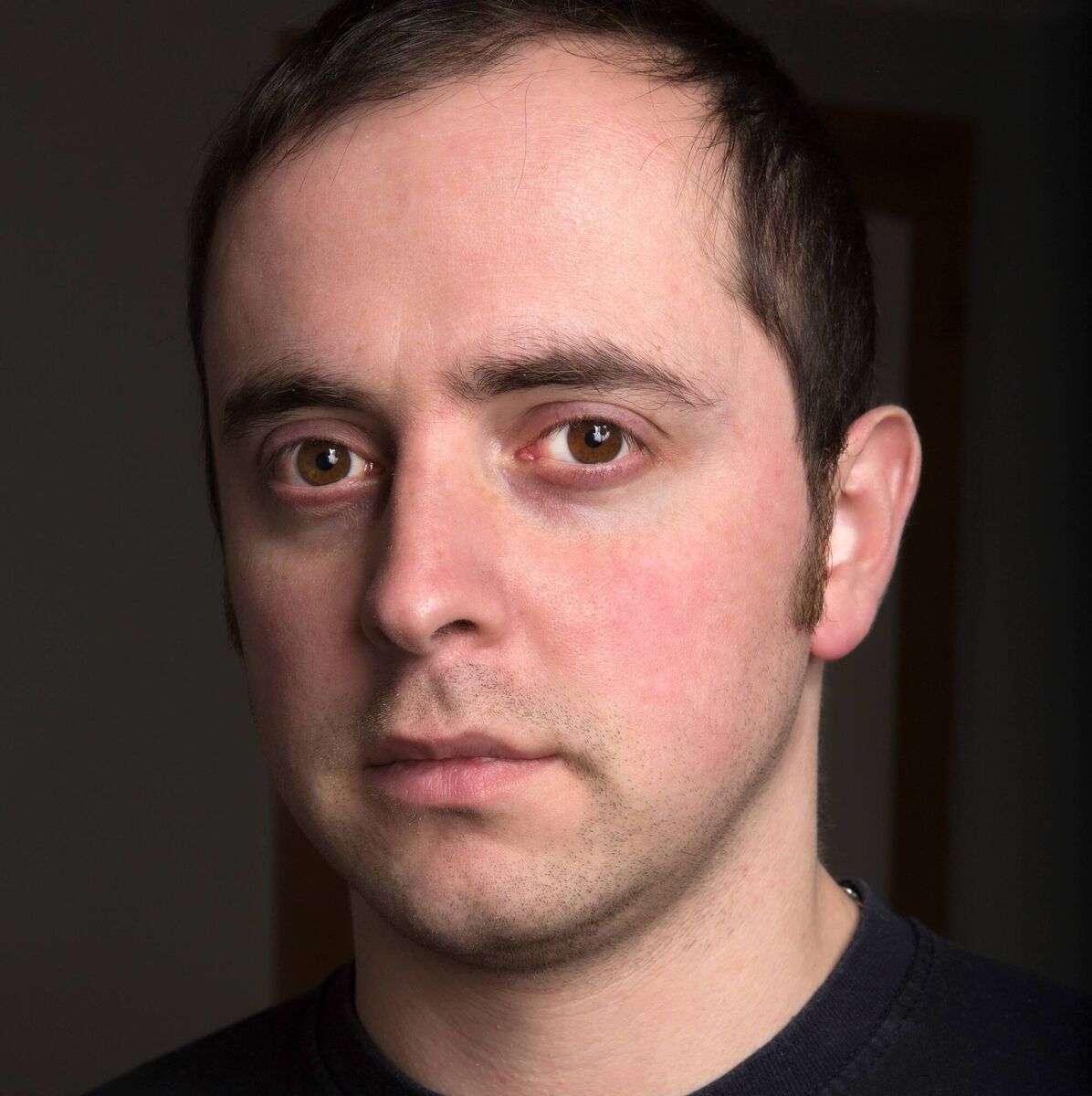

“When you’re safe and you feel safe, you can be present in your body and you can fully enjoy your experience. I think that’s the major difference.”

Following the pandemic, not to mention several governments making life difficult for young people — housing, over-commodification of assets and lack of cultural funding — the space for spontaneous interaction for Irish youth has narrowed to a pinhole. 

Independent volunteer group campaigning for positive changes to nightlife Give Us The Night co-founder Sunil Sharpe says that those in charge are still doing nothing to help.

“The Government made a mistake by not amending the licensing laws as we came out of the pandemic. We didn’t need, nor do we need a 450-page piece of legislation to fix issues relating to nightlife, and given the amount of momentum and desire for change that was there after multiple government announcements, it was a chance for them to show how serious they were about addressing major operational issues within the sector,” he says.

Echo Sunil Sharpe. Picture: Paul O'Connell

“We need the changes now, not next summer in the middle of festival season. Licensing amendments were able to be prioritised and passed in mere days during the pandemic. When it comes to the night-time industry — and particularly young adults who deserve a normal standard of nightlife and social options — there’s no urgency at all. Patience is starting to wear thin, and there is a growing sense out there that the Government has made promises that it either won’t or can’t see through.

“Existing operators and new investors can’t make plans either, which is hampering potential growth in the coming years. This isn’t all about opening hours either; it’s about costs and licence types, that if they get right, could completely rejuvenate the Irish night-time economy.”

After a brutal couple of years for the night-time economy in Ireland, hope remains – but discontent does too. Though stalwarts like Sharpe, Bergin, and Walsh continue to push forward valiantly, one thing remains abundantly clear: Only a top-down solution will do.

“The [Justice] department needs to show its hand soon and the Government needs to ensure that the changes it makes are effective,” Sharpe concludes.

“The problem with trying to keep all stakeholders and groups equally happy is that you risk making little change. That’s a concern of ours, that the
reform may be very watered down by the time it goes through.”

More in this section

Scene & Heard

Newsletter

Music, film art, culture, books and more from Munster and beyond.......curated weekly by the Irish Examiner Arts Editor.

Cookie Policy Privacy Policy Brand Safety FAQ Help Contact Us Terms and Conditions

© Examiner Echo Group Limited