Author interview: ‘Publishers presumed if you were born into slavery, you had no voice’
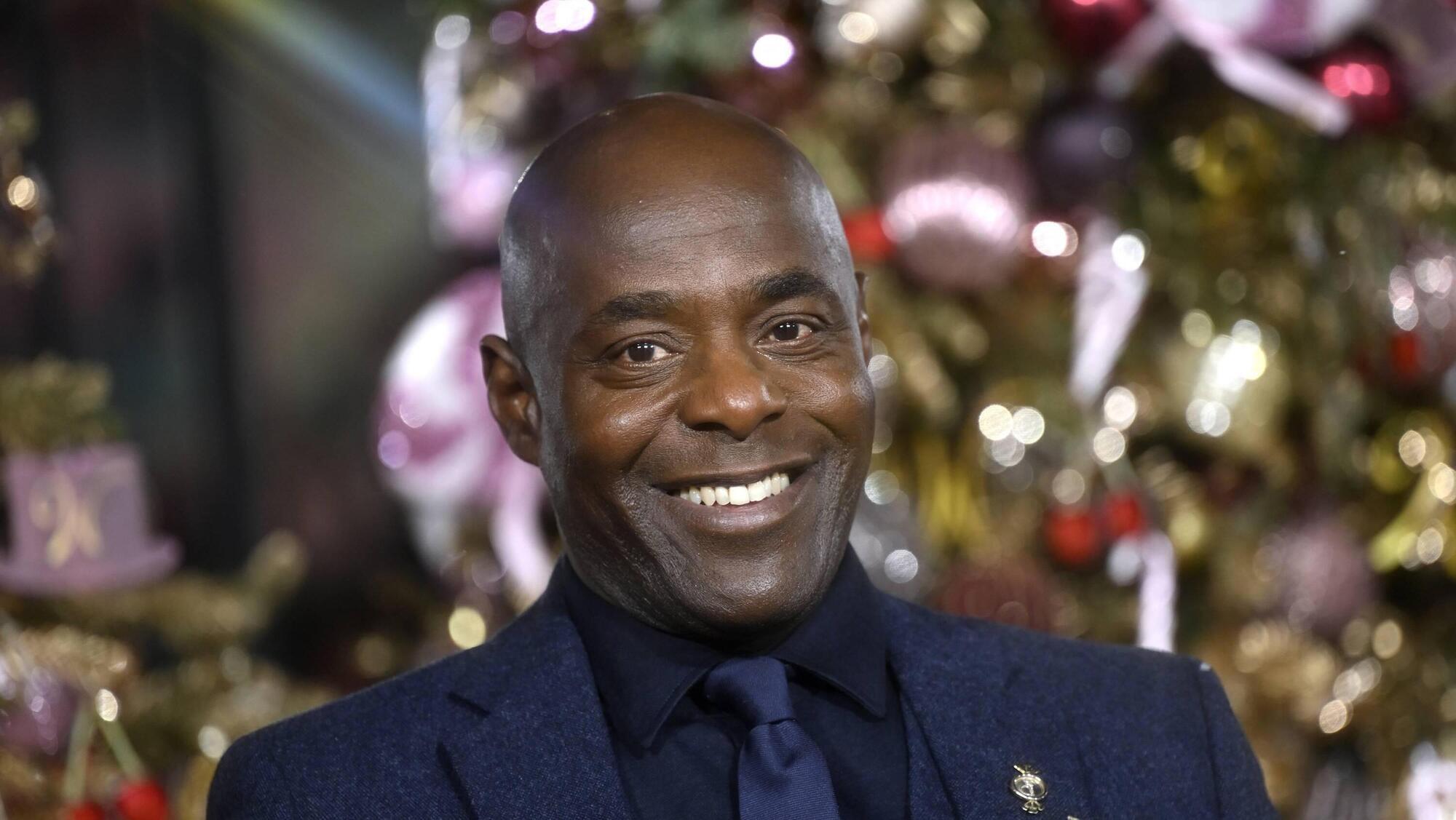
Actor Paterson Joseph's Shakespearean credits extend the length of your arm and he was a regular scene stealer in 'Peep Show' and he is also now an award-winning novelist
Paterson Joseph won the 2023 Christopher Bland Prize from the Royal Society of Literature for 'The Secret Diaries of Charles Ignatius Sancho'. Picture: Gareth Cattermole/Getty

Paterson Joseph won the 2023 Christopher Bland Prize from the Royal Society of Literature for 'The Secret Diaries of Charles Ignatius Sancho'. Picture: Gareth Cattermole/Getty

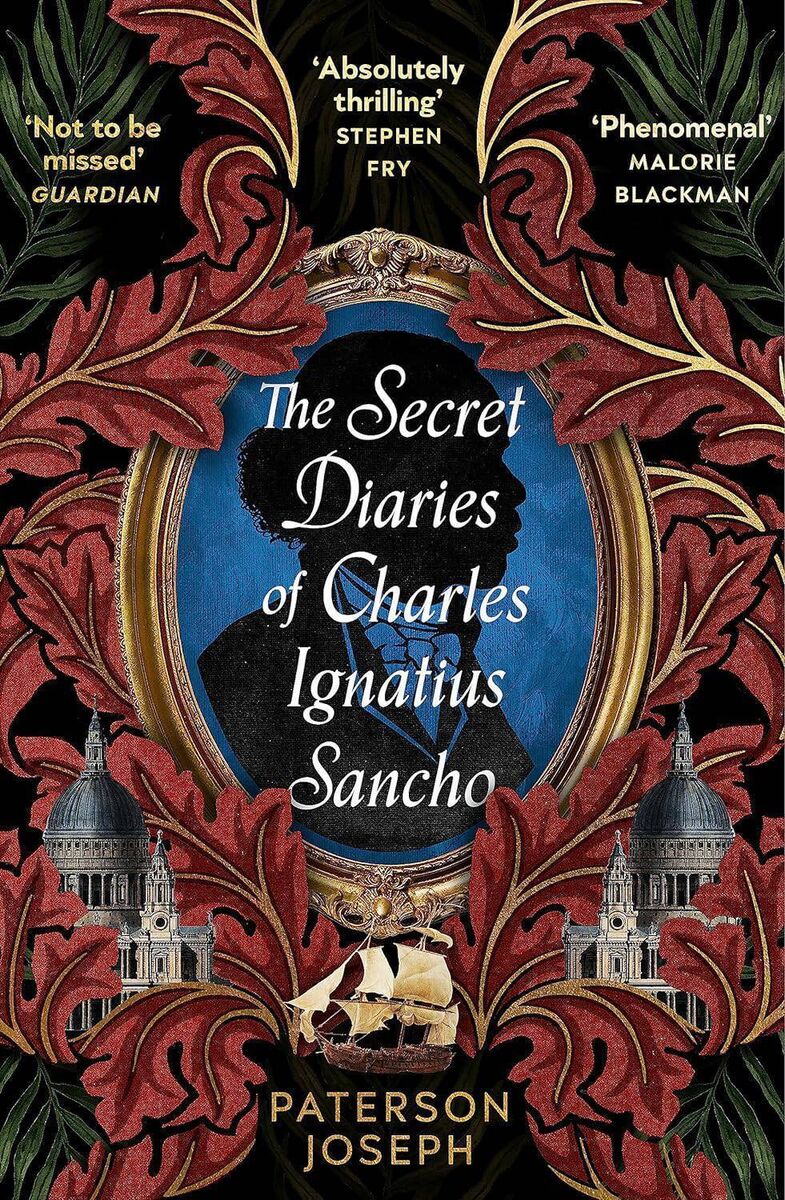
  • The Secret Diaries of Charles Ignatius Sancho 
  • Paterson Joseph 
  • Dialogue Books, hb £16.99

Talent as an actor is not always rewarded by stage and screen ubiquity. But Paterson Joseph will not have escaped anyone’s notice since coming on the scene in the early nineties.

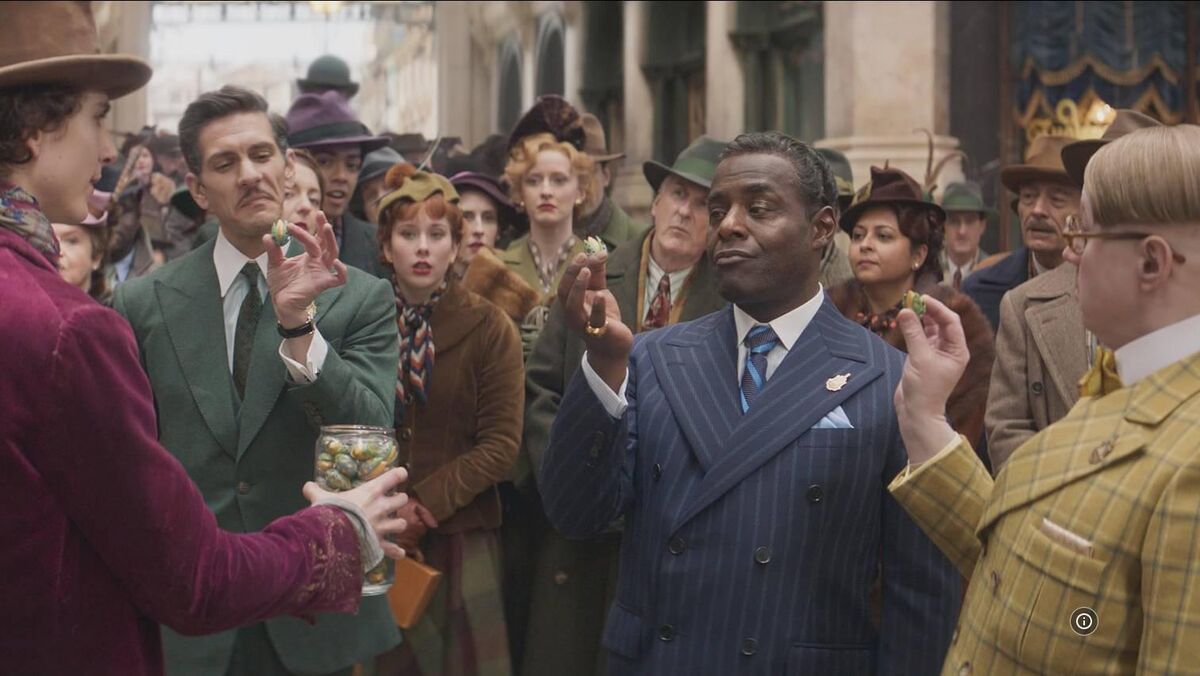
 His Shakespearean credits extend the length of your arm. He was a regular scene stealer in Peep Show. You may have recently seen him in the BBC comic thriller, The Boat. He plays Arthur Slugworth in the new Wonka film.

And he is also now an award-winning novelist, winning the 2023 Christopher Bland Prize from the Royal Society of Literature for the imagined diaries of a real man, born in the mid-Atlantic on a slave ship where both his parents died, who went on to become a composer, shop owner, and more in mid-18th century England. 

When we met to discuss the book, Paterson treated me to a quickfire synopsis.

It was a life “starting off on a slave ship as an orphan, being sent to Greenwich to live with three unmarried ladies who treat him like a pet, running away because they wouldn’t teach him how to read, being found by the Duke of Montague who worked for the King and who believed in black intelligence, being given books secretly, growing up to be a musician, a composer, and finally a shop owner. 

"If he’s a shop owner, then he’s a property owner, and if he’s a property owner, then he can vote.

“It’s very public, you know, the public is coming to see him being painted, the public is coming to his store to see how he is doing, he goes to vote, which is again a public show of hands. His music is very public — dance music, jigs, reels, cotillions, with dance instructions.!

They’re all what I call militantly joyful music, music that’s joyful because he should be writing heavy songs, but he doesn’t, he wants to f***ing dance. 

"All of that was very public and so I thought ‘What’s the private life like?’.” 

Thus was born The Secret Diaries of Charles Ignatius Sancho (along with a one-man-show Sancho & Me).

Paterson has the rare gift of being able to convey true fire for a cause but with no shortage of charm and self-deprecating humour.

“I get to about thirty-five and I’m looking for a character that I can play back in history. In a rather venal way, to be honest with you, I just wanted to be in a costume drama. 

"I was trained for that — my voice, my disposition, I love the European classics — and I thought ‘If there was a Black person I could play…’.”

He read Gretchen Gerzina’s book Black England, which included the stories of “Septimius Severus, 192 AD, an African emperor who came to Britain to protect southern Britain from the Celts”; and John Blanke, a famous trumpeter who worked for Henry VII and VIII and opened up the door to lots of other Black musicians who came with the Spanish Court.

“My head’s popping candy! I’m not angry at this point. I’m too surprised to be angry, yet. And then I get to the wonderful portrait (of Sancho) and I go ‘Who the hell is this man? How could he be painted like this?’. He looks like a lord. He looks like a man of influence and he’s painted by Thomas Gainsborough.”

Paterson Joseph, Matt Lucas, Mathew Baynton, and Timothée Chalamet in a scene from 'Wonka'.

Reading Gerzina’s book was a turning point. “I’ve now got this sort of rooted sense of being part of this country, which I never had. 

"You can’t see any evidence in your books, or in any history that you ever read, or in any programmes you’ve seen on TV, any of the classics that you’ve read, your Oliver Twists and your David Copperfields. 

"There’s a little bit in Tom Jones, but it’s some sort of fleeting mention. You just think you don’t exist then. How could you exist? Where was your proof that you exist? It’s nowhere.

“That’s when I suppose the quiet rage started bubbling. Why didn’t we know this when we were growing up, so that when people said ‘N***** go home’, ‘Wogs out’, and they were painting all that on walls when I was growing up here in Willesden Green, we could have said ‘We’ve been here for f***ing centuries!’.”

Paterson went to a Catholic school in west London that was otherwise almost entirely White Irish and for a little while our interview wanders off into highly entertaining but not entirely quotable reminiscences about those days.

We get back to talking about the book and how initially every publisher who received a copy rejected it:

“All the rejection letters were all about how unbelievable it was that he could be so articulate because they hadn’t read his letters and knew nothing about him. But they presumed that if you were in slavery, you have no voice.”

So to be able to articulate it in exactly the way that he does, in the European, classic style, seemed incongruous to them.

But things are moving on. I ask Paterson about the current state of play with Black historical fiction and he ends up drawing an intriguing parallel with his own early days as a professional actor.
“I think things are changing whether established publishers accept it or not. I think they do now. They’ve jumped on the bandwagon as they do. There’s much more venality in the world than there is racism in the world, I find. If it makes money, they’ll be fine with it. 

"The habit of shutting down works by Black authors, particularly with Black protagonists is broken. The reason it’s broken is there are more black publishers — not many but there are more. There are so many more Black writers out there writing this sort of history.

“It’s a bit like when I came out of drama school in the late ’80s and there was a small tidal wave of Black British actors who’d been born here and who were at drama school getting trained in the classical canon who came out and almost sort of demanded their space, not by shouting, but just by the fact that we could do it and we were here, so you had to deal with us, in one way or another.

“So there were some on-side directors like Sam Mendes, like Danny Boyle, David Thacker, Nick Hytner. These were directors who ... not took a chance, but who saw this and thought: ‘Here are good actors. Put them in.’ 

The Secret Diaries of Charles Ignatius Sancho by Paterson Joseph.

"It was the newspapers who kept shouting ‘Oh, this is colour-blind casting!’. We (he mentions David Harewood, Lennie James, Adrian Lester) were good at our jobs and we’d learnt our craft and we just wanted in. 

"We could do it and the only way you could stop us was just to pretend that we weren’t there and that wasn’t possible because of the numbers. And that’s just the blokes.

“And I think that’s what’s happening with the writing now. There is a desire for this, there is an audience for this, and there is also the body of people who can write it with the skill needed to earn its place in the Waterstones window, if you like.”

Will Paterson be writing more?

“Well, I am interested in all those kids in those portraits over the centuries who are just: ‘And negro child’. They’re just there carrying a tray or whatever. 

!I’ve been commissioned to write a couple of books about that. It’s writing for kids from nine to 12, so I want them to be junior art detectives. That book will be my next sort of obsession I think.”

It sounds as fascinating a concept as Sancho.

More in this section

Scene & Heard

Newsletter

From music and film to books and visual art, explore the best of culture in Munster and beyond. Selected by our Arts Editor and delivered weekly.

Cookie Policy Privacy Policy Brand Safety FAQ Help Contact Us Terms and Conditions

© Examiner Echo Group Limited