Karl Whitney: Some things I’ve noticed about writers noticing things
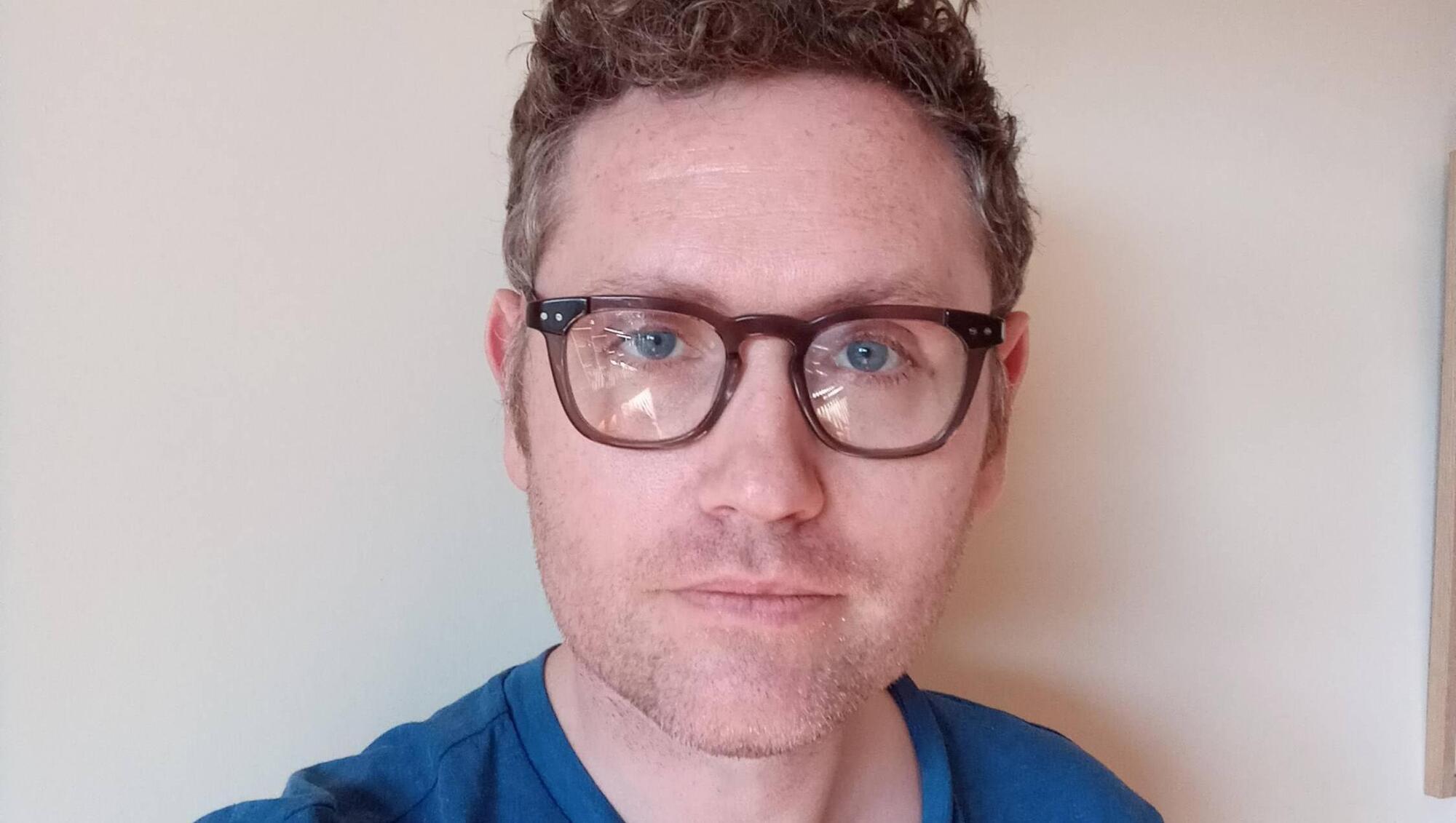
Karl Whitney: 'Communicating to the reader what it was like to experience a certain place at a certain time is an underrated aspect of writing.'
Writers are professional noticers. What you see in print from them is a mere fraction of the noticing they get up to in their lives.
They notice things about their friends, family, strangers. They notice things on the street. They notice things about fellow writers’ books that they won’t share in reviews. They can’t help themselves.
The other day, I sat in a public library in central London, ostensibly to get a bit of writing done. It’s just south of Leicester Square and, because of its location, a wide variety of people who pass through or hang around the West End were using it.
The afternoon was dark. Black clouds hung low in the sky and rain pelted against the tall windows that looked out onto the street. There was a distant rumble of thunder.
The light of the library contrasted with the wintry darkness, making it feel a snug escape from the harsh weather.
Fan heaters sat next to plug sockets scattered around the room, which was lined with tall bookcases (whose upper shelves were, for some reason, empty).
An older man sat wrapped in his overcoat at a desk, his woolly hat askew atop his head. He was working on a handwritten sheaf of unruled pages which could have been an outline for a novel or a grandiose Christmas list.
A tour guide for an open-top bus company called in to get a library card, which enabled him to use the library’s computers to access the internet.
Another woman called in looking for somewhere to plug in her laptop and was directed to a desk equipped with a socket.
The librarian who had advised the woman then took her lunch break and was replaced at the desk next to the entrance door by a younger male colleague.
I was there to do something else — in fact, to write this piece — but ended up watching these scenes.
There wasn’t a big event of any significance to notice. Rather it was the multitude of small events that drew my attention.
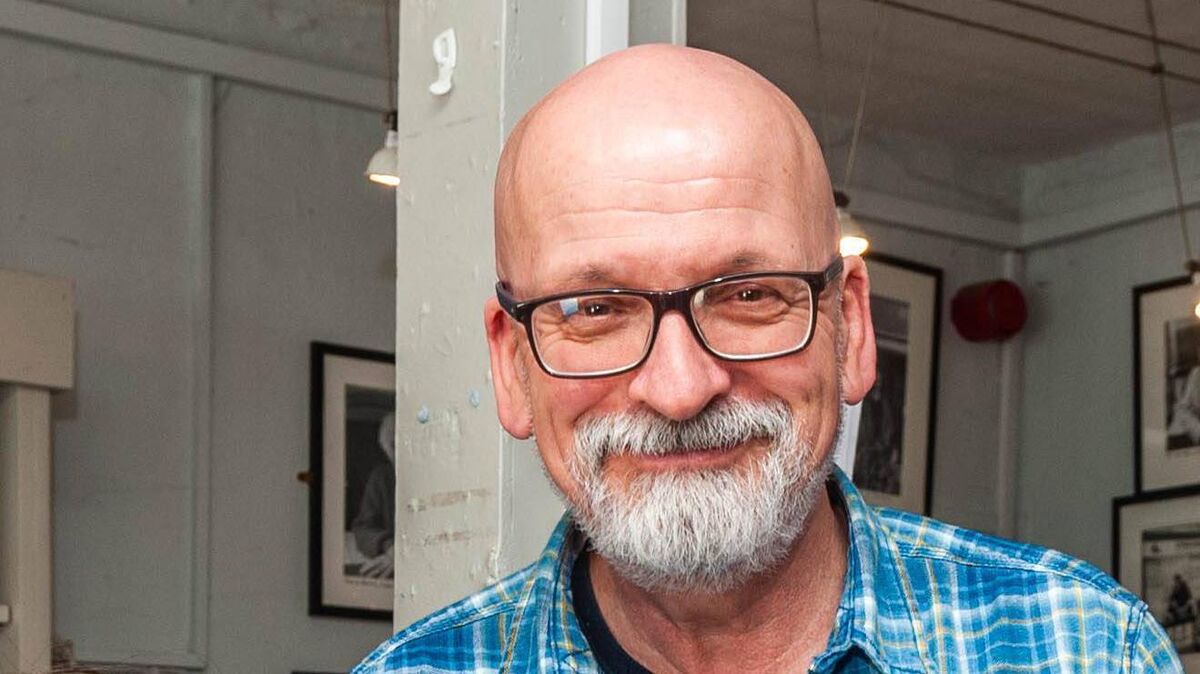
One day a few years ago I accompanied the writer Harry Pearson on a trip to a non-league football game in the northeast of England.
In 1994, Harry had published a brilliant, very funny and hugely popular book called , a travelogue about football in the northeast that captured the surreal wit and amusing fatalism of the lower-league fan.
I had arranged to meet him at Durham bus station so we could take what turned out to be a deeply picturesque bus journey across the dales to the village in which the match was due to take place.
We were both early, and Durham bus station, which is poky and can quickly get crowded, isn’t the most conducive place to hang around, so we took a stroll outside.
A crowd had gathered on the pavement, and occasionally it parted to reveal what drew its attention: a man who had carved a likeness of the character Darth Vader from a large block of ice.
‘If this doesn’t make it into a piece by Harry, I don’t know what will’, I thought to myself, as Harry moved in closer to observe the artist at work.
We got our bus, went to the game, and a couple of years later our trip turned up in , the sequel to his earlier book.
I didn’t realise he was writing the book at the time, but, as I anticipated, the Darth Vader ice sculpture looms large.
Events can be observed by anyone, but, ultimately, the trick is how to shape them into a piece of writing.
There’s such an emphasis on the creative side of writing that the basics of noticing, and sounding out the emotional resonances of these observations, get overlooked.
What’s plausible in a work can often be the result of a writer’s close examination of the workings of everyday life and of human behaviour. You know … noticing.
It was Friday, March 13, 2020, the day after Taoiseach Leo Varadkar announced schools, colleges, and childcare facilities in Ireland would close, at least temporarily, due to the pandemic.
I was in the UK, where things continued as normal — blithely, even defiantly, in the face of the encroaching storm.
For the writer Roddy Doyle, it was a strange context in which to conduct the latest leg of his speaking tour around the UK, in Newcastle-upon-Tyne.
I met him on the afternoon of the Friday, and we strolled across the river to a pub. We chatted, got into a conversation with a student about Fontaines DC, had some food.
Everything in the city continued as if it was a normal Friday night: groups of revellers strolled up the riverside in the direction of the pubs and clubs of Bigg Market.
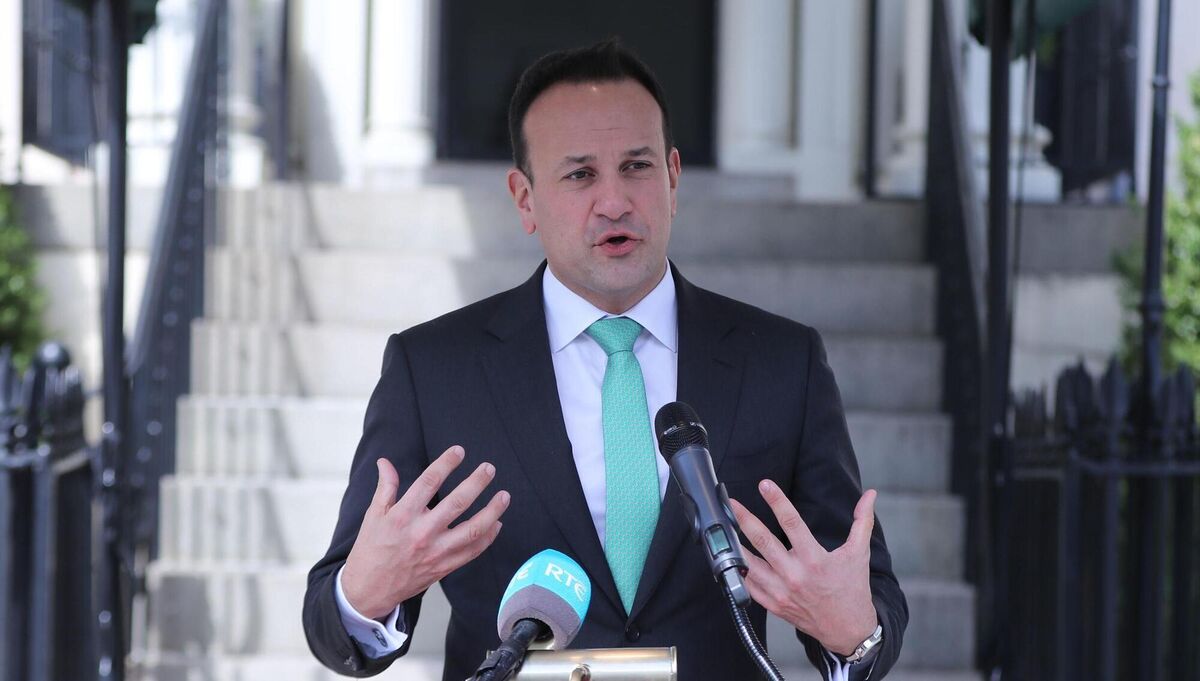
The disjunction between the news from Ireland and the very different reality of that Newcastle evening formed part of our conversation.
Advice was already emerging about how long you should wash your hands for: about as long as it takes to sing ‘Happy Birthday’ twice.
Roddy joked that he would sing ‘Bohemian Rhapsody’ just to be on the safe side. The next night Roddy’s speaking event took place, after which his tour was cut short and he returned to Dublin.
His short story ‘Life Without Children’, which was published later that year in and subsequently as the title story of a collection, captured that peculiar moment in Newcastle.
‘He’s in England — he’s in Newcastle,’ the story reads. ‘He’s just off the phone to his wife, in Dublin. The pubs have been closed at home, and the cinemas and the theatres […] But he’s in England, and it hasn’t happened yet.’
The striking details of that moment are present in the story: the hen parties, the gap between worlds that has suddenly opened up for the stranded protagonist, the 62-year-old Alan, as a result of the differing responses to the pandemic in each country.
But he also thinks of what life might be like if he was to go along with it all: to think ‘fuck it’; to take this opportunity to disappear.
The position of the character is central to the story: an outsider to the city whose approach is guided by the new rules imposed by his home country in response to the pandemic.
In the illusory normality of this city can he throw those rules away? And can he throw everything else away too?
The writer’s own observations of a particular historical moment are channelled into the character, who is like a stranded astronaut considering the possibilities and pleasures of never returning to Earth.