Books review:  Was Kilroy’s return too ‘mundane’ for the Booker judges?
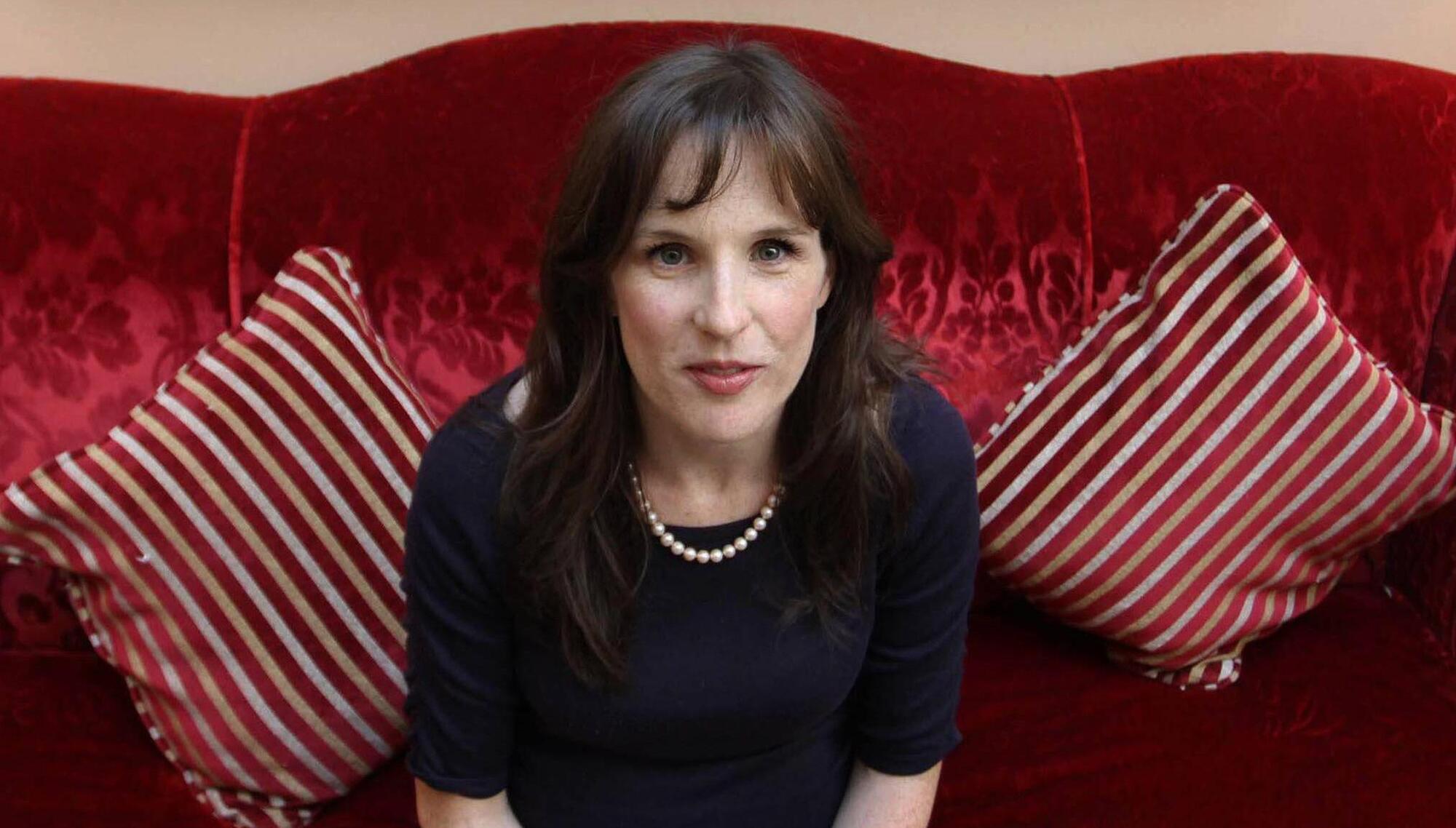
Marjorie Brennan’s books of the year, include Claire Kilroy’s return and a belated reading of Maggie Shipstead’s 2021 novel
Books review:  Was Kilroy’s return too ‘mundane’ for the Booker judges?

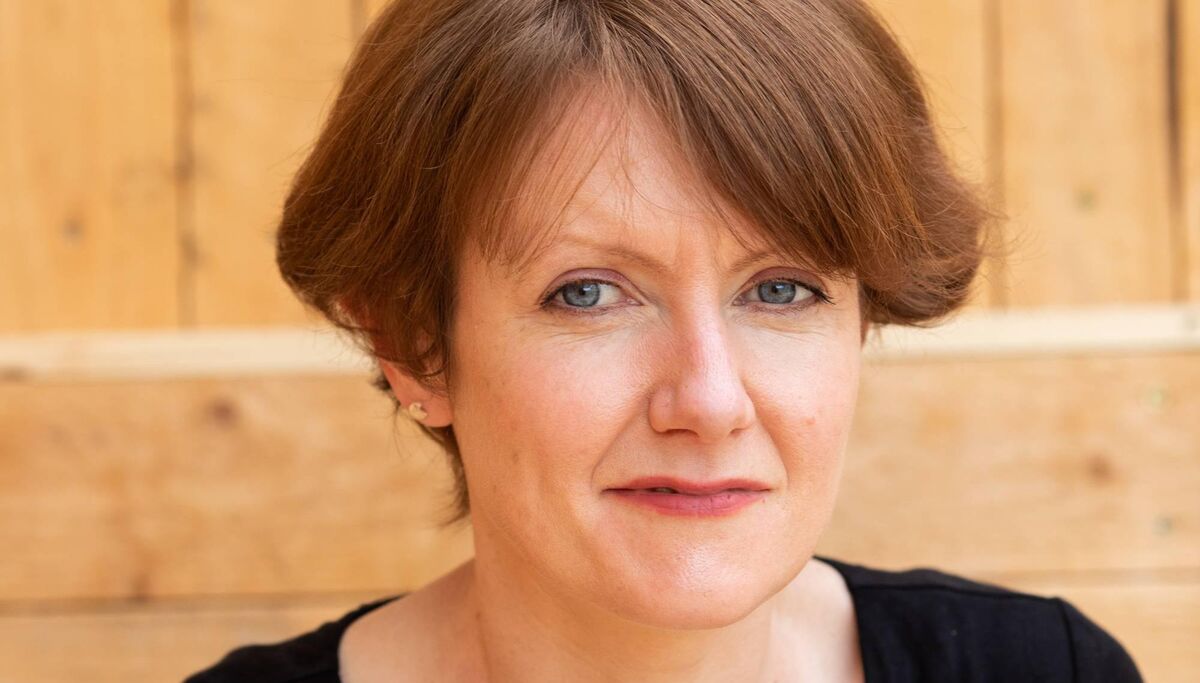
Claire Kilroy returned to fiction writing after a ten-year-plus hiatus, her novel Soldier Sailor, was a very surprising omission from the Booker Prize lists. Picture: Nick Bradshaw

While it was gratifying to see Ireland so well-represented on the Booker lists, with Paul Lynch’s win for Prophet Song a validation of our thriving literary scene, I found Claire Kilroy’s omission from the reckoning a little mystifying. 

For me,  Soldier Sailor , the Dublin writer’s first novel in more than a decade, was a triumph, her reappearance a timely reminder of how she is up there with Ireland’s great literary talents. 

Perhaps the subject matter — a woman struggling with early motherhood — was too personal, too domestic, too mundane. 

But in  Soldier Sailor, Kilroy demonstrates exactly why such themes deserve to be centred and examined artistically. 

It left itself imprinted on my brain, much like her extraordinary essay, ‘F for Phone’, which featured in the  Winter Papers anthology in 2015 and served as an impetus for the novel. 

In that essay, she recounted the visceral shock of giving birth to her son, and how becoming a mother had brought her close to a breakdown, leaving her unable to write.

In  Soldier Sailor, Kilroy teases out this theme in skilfully-wrought, scalpel-sharp prose, as the narrative of  Soldier Sailor mirrors the protagonist’s increasing feelings of dislocation from society and those around her.

Reading  Solder Sailor left me hugely thankful that Kilroy has found her voice again.
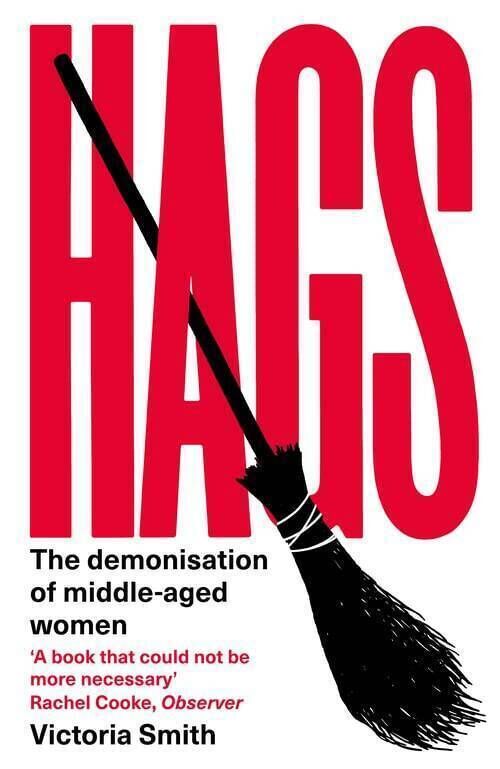
Hags by the English writer and commentator Victoria Smith, recently shortlisted in the non-fiction category of the Nero Book Awards, was a thought-provoking read. 

Smith has the enviable knack of articulating what should be common sense but unfortunately isn’t seen as such in a world of disinformation and clickbait. 

This cogently argued book about the continuing demonisation of middle-aged women hit a nerve with many readers. 

Smith was spurred to write Hags by the increasing use of the misogynistic and ageist term of abuse ‘Karen’ to refer to any middle-aged woman expressing a disagreeable opinion. 

In the book, she explores the modern-day version of a witch-hunt, and how in a society increasingly dominated by identity politics, middle-aged women are treated with disdain and vilified on social media. 

Victoria Smith’s ‘Hags’, about the continuing demonisation of middle-aged women, hit a nerve with many readers.

The book was also a fascinating look at how Smith herself came to see the value of the second-wave feminism of her mother’s generation, now seen as ‘problematic’ by younger women. 

At a time when women’s rights are being eroded to a frightening extent, an opportune reminder that progress isn’t always linear.

While social media can be a positive force in giving writers and bibliophiles alike a platform to discuss their passion for books, it has also contributed somewhat to the increasing tyranny of the TBR pile, which, in my own case, tut-tuts to me on a nightly basis from my bedside locker. 

The hype machine and pressure to read books immediately on publication means the life cycle of a book is growing increasingly shorter. This only serves to heighten the thrill of discovering a gem that has flown under your radar. 

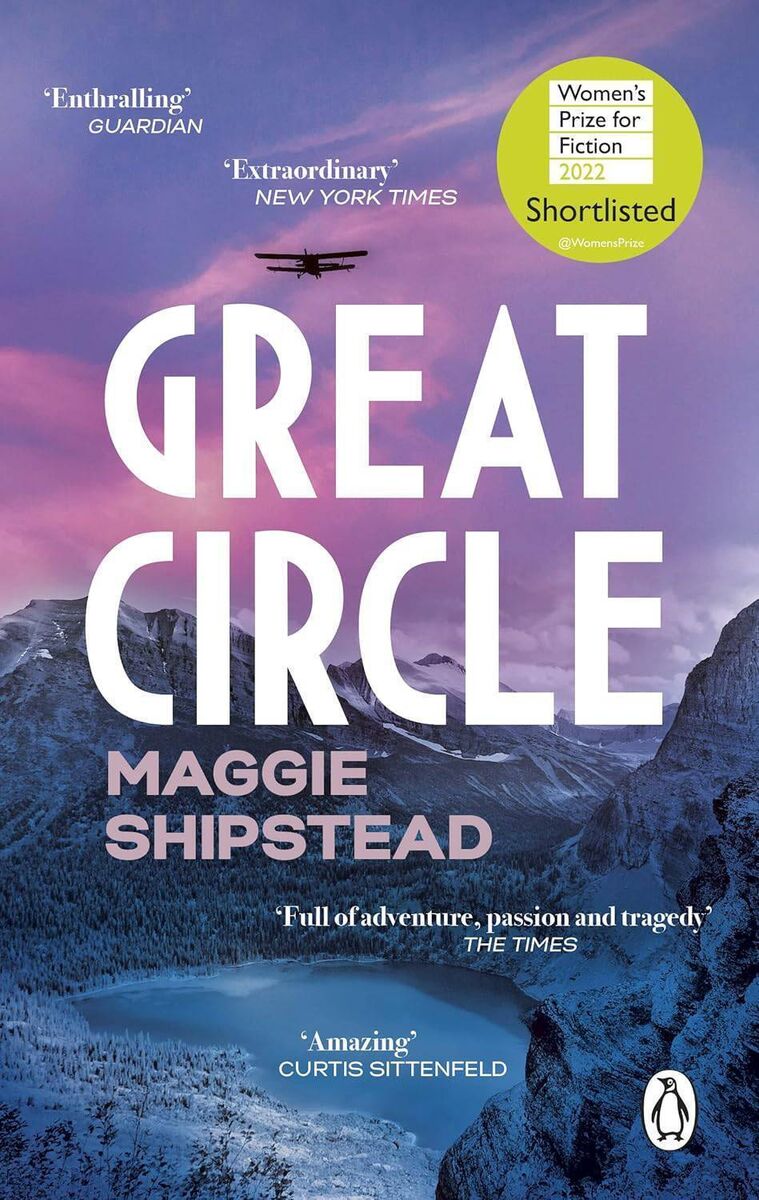
This year, that jewel was Great Circle by Maggie Shipstead. I missed out on this rollicking story of an early female aviator when it was published in 2021, and came across it in the secondhand section of a local bookshop while looking for a holiday read. 
What a lucky find it turned out to be, the kind of book I foist on other people, envious that they will get to experience it anew. 

It reminded me of the word-of-mouth hit Lessons in Chemistry by Bonnie Garmus and is a similarly satisfying read — with a compelling central female character, and an engrossing and entertaining plot written in an intelligent but accessible style. 

The story of Marian Graves, an orphan who learns to fly against all odds, is interwoven with that of Hadley Baxter, the actor who is set to portray her on screen. 

Deftly plotted, it wears its meticulous research lightly, and comes with a brilliantly-executed twist.

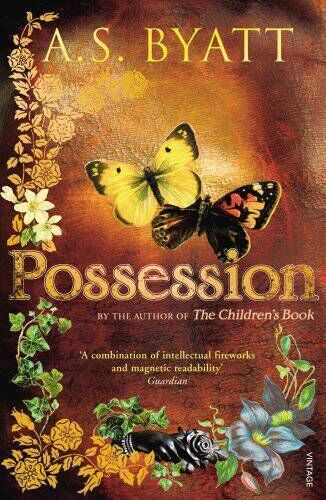
The English writer AS Byatt, who died last month at the age of 87, possessed a formidable erudition and intellect, which she harnessed to the ultimate in Possession , a dizzyingly plotted and crafted novel, winner of the Booker Prize in 1990. 

It became a publishing sensation, and as an undergraduate studying English at the time, with the accompanying literary affectations, it was right up my alley.

 Byatt brought all her inside knowledge of academia to bear in this tale of two modern academics, Roland and Maud, tracking the mysterious love story of Victorian poets Randolph Ash and Christabel LaMotte.

  Possession made a big impression on me, and it seemed only right that I would revisit it on Byatt’s passing. 

Rereading it, I was even more struck by her breathtaking achievement — combining all the seductive elements of a romance and mystery with an astonishing breadth of literary allusion, while also composing all-too-convincing pastiches of Victorian poetry from scratch. 

Byatt expertly assembles a Russian doll of a novel, all underpinned by a sly humour which fillets the pretensions of academia. 

They really don’t make them like that any more.

Jane Casey is one of the many Irish women flying the flag for crime fiction and her books are among the most accomplished in the thriving genre. 

The London-based author has amassed a legion of fans with her series of novels featuring the detective, Maeve Kerrigan. 

From Marple to Morse, a memorable sleuth is a key element of any good crime novel, and with Kerrigan, Casey has aced the brief. 

Flawed but relatable, the reader is always rooting for her as she takes on evil in its many guises.

Casey also comes good with great plots and twists but there is no denying the pull of the ‘will they, won’t they’ tension between Kerrigan and her gruff and gorgeous colleague, Josh Derwent.

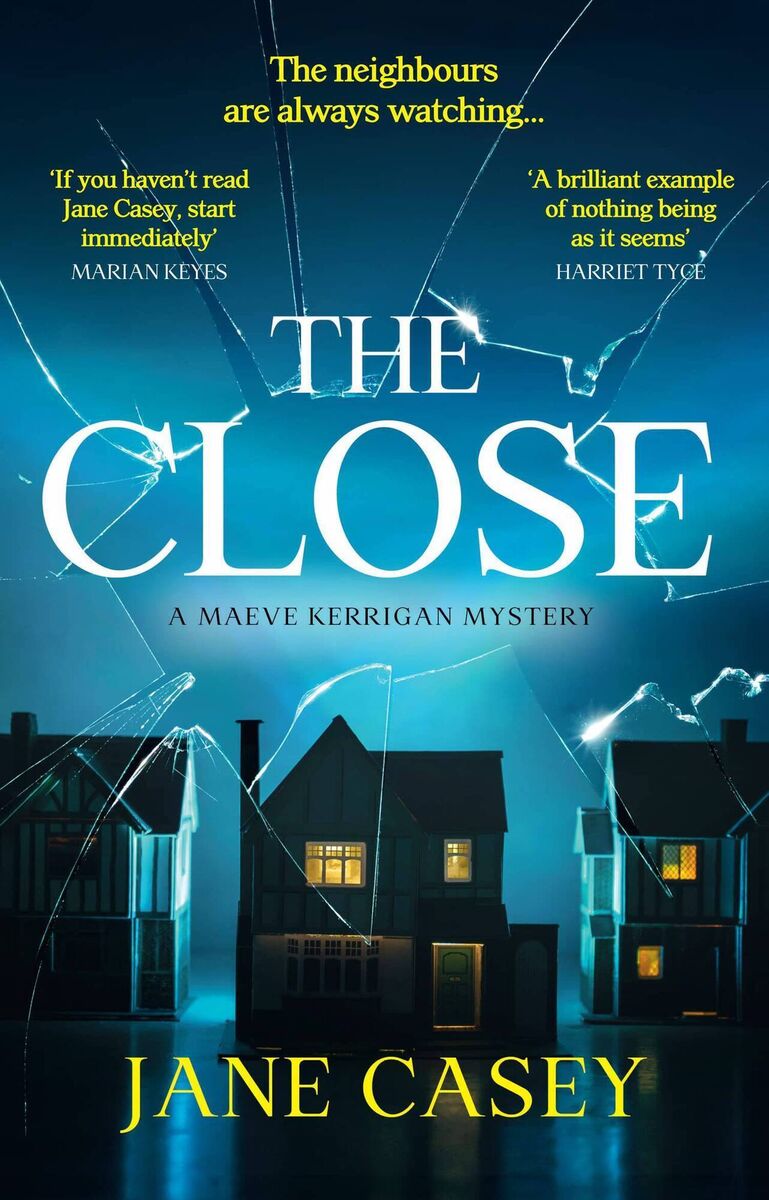
 In her latest, The Close , released this year, Casey tantalised her readers with a scenario that threw the detectives together in excruciatingly close quarters — going undercover as a couple in a suburban housing estate in an attempt to flush out a dangerous killer. 

Without giving away too much, Casey is clever enough to achieve the delicate balance of keeping readers invested while not giving them exactly what they want — leaving her fans, including this one, waiting for Maeve Kerrigan’s next adventure with bated breath.

x

More in this section

Scene & Heard

Newsletter

Music, film art, culture, books and more from Munster and beyond.......curated weekly by the Irish Examiner Arts Editor.

Cookie Policy Privacy Policy Brand Safety FAQ Help Contact Us Terms and Conditions

© Examiner Echo Group Limited