Culture That Made Me: Paul Noonan of Bell X1
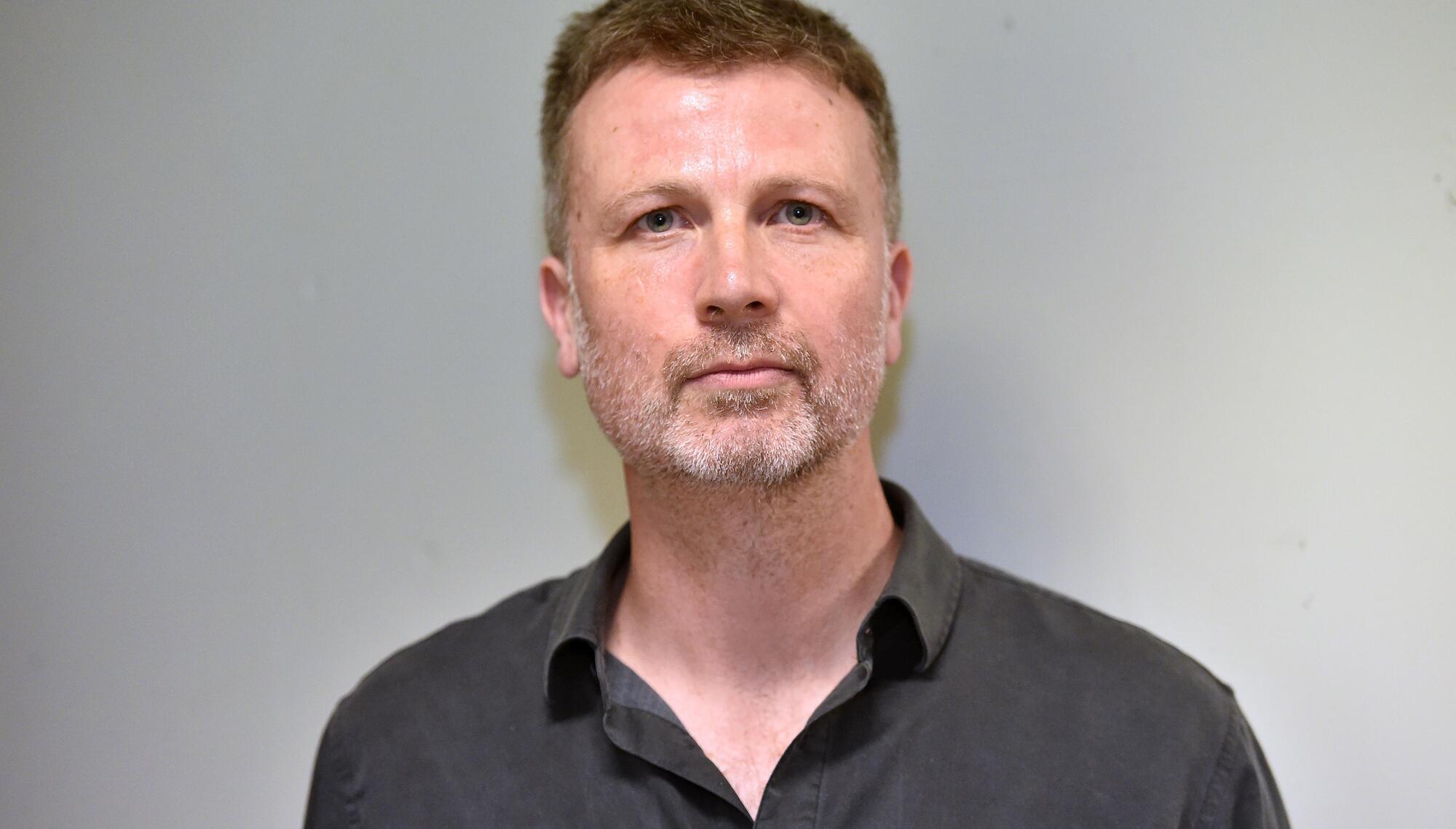
Paul Noonan and Bell X1 play Cork City Hall. Picture: Dan Linehan
Born in 1974, Paul Noonan grew up in Lucan, Dublin. In 1991, he was a co-founder of Juniper along with Damien Rice and other band members. In 2000, Bell X1 – part of a spin-off from Juniper which included Noonan, Brian Crosby, David Geraghty and Dominic Phillips – released their debut album, Neither Am I, one of several critically acclaimed records. Noonan also works as a music therapist. Bell X1 will perform at Cork City Hall, Friday, December 22. See: www.bellx1.com
My gateway to music was through the older brother of a friend; I had no older siblings. We used to go around to his house and listen to Talking Heads and other bands. I distinctly remember being really drawn to David Byrne as a character, his physicality and the playfulness with their music videos. Even as a child, I remember looking at the video for Once in a Lifetime where he's doing that sweaty dance and being compelled by his comic physicality. I like Talking Heads’ criteria, about never being drawn to macho music, having that thin sound. It wasn't about bellicose masculinity.
Bruce Springsteen was my first love. My bedroom was covered in Springsteen posters. That widescreen Americana thing about Springsteen was compelling. The first record I bought was Born in the USA. From the opening strains of the title track, with the huge snare drum and that bombast. We have such a strong vision and feel for America through the arts, before ever going there. When we started touring there, it felt like a film set because you've seen so much of it on TV. The music from America is so rich in storytelling and scene-setting. For me, Springsteen was the first of those storytellers in my life.
Men have this thing with movies where they’re like a bonding agent, a love language or shorthand for other things that remain unsaid, where you're constantly quoting from movies at each other and in different settings, and watching movies repeatedly together as a thing. Our band lived in a house in Kildare for a few years starting out.
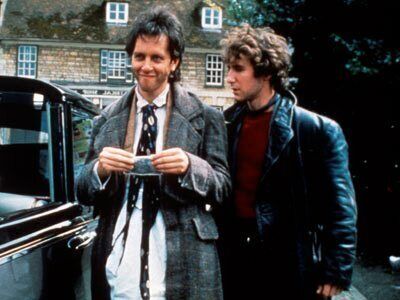
We loved watching Withnail and I. It’s an eminently quotable movie. We had this notion we were living that sort of bet-down, bourgeois artist life. The assholic behaviour, the madness of the movie, the frustrations of being an artist, the self-delusion, the drowning of the sorrows – all that felt relatable at the time.
I loved Led Zeppelin because of their drummer, John Bonham. I learned to play drums from their live album record The Song Remains the Same. I would stick on headphones and head out into the shed and lash away to it. I loved that visceral rock 'n' roll thing as a young man. There's a song on the album called Moby Dick that John Bonham does this big drum solo in. It became mythologised among kids into music – who could play along to it, and who couldn't.
A reason I got interested in music therapy was a book called Musicophilia by the neurologist Oliver Sacks. He wrote case studies about how music figured in his patients’ rehabilitation – how music elicited interesting responses in people who've lost a lot of brain function. Music uses different neural pathways to other cognition.
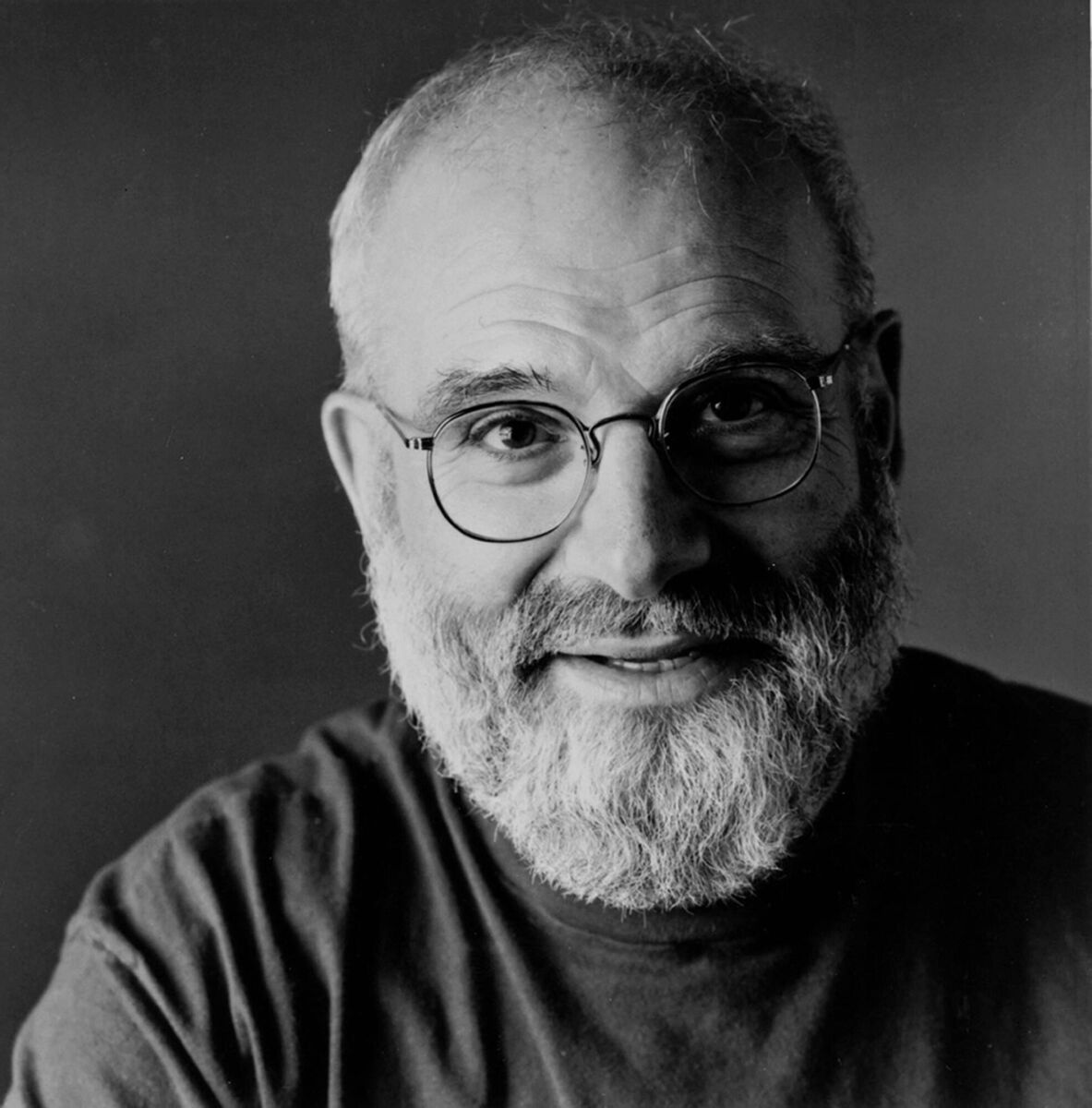
That's why we can sometimes remember lyrics to songs that could seem to spring from nowhere or why people living with dementia can't remember who their loved ones are, but can remember lyrics from songs from 50 years ago. Music can communicate at a primal level. He writes beautifully about music and the brain.
REM were a huge band for me in my teens. I love Michael Stipe’s voice. He could sing the phone book and it would sound incredibly beautiful. Their songs initially struck me as quite impressionistic – they weren't necessarily telling tidy, contained or obvious stories; they could be interpreted in different ways. I was also drawn to their lack of machismo. I loved how they embraced the acoustic thing for a while and then went rock 'n' roll again with the Nudie suits and heavy guitar thing.
I love John McGahern’s books and the world he paints. I spent many summers on farms; both my parents are from farms in Limerick. His description of nature, the Irish farm, fields and paths you find through them, I found transportive to my childhood and the lanes of Limerick. I’m also interested in his idea that Ireland was a theocracy in all but name until the ’90s – the repressive quality of the church. I came of age towards the tail end of that. Outwardly the church had a lot of power, but under this dour, joyless veneer, everybody knew there was more to life – there were places to find joy and make light of what was going on. All that was going on under the surface in his novels. He describes that duality of life in Ireland well.
When we started making music, Radiohead was a go-to reference. Their first record, Pablo Honey, which had 'Creep' on it, and their second record, The Bends, were touchstones for referencing what we wanted things to sound like when we started recording our own music. I remember going to see Radiohead in Galway in the Sportsgrounds sometime in the late ’90s. We went as a band. We had binoculars so we could see what gear they were using – what apps and effects pedals. Geeking-out over their gear. Album after album, they have been an inspiration.
As a kid, I loved Graceland. To this day, I can remember most of it lyrically even though it's dense lyrically. It was a curious juxtaposition. It was Paul Simon writing songs about his personal life and a relationship breakdown, but against the backdrop of this wonderful African fusion music. It really worked. He's a wonderful songwriter – the way his songs are constructed. He blends the cerebral, the naïve and childlike elements. It’s a marvel to pull his songs apart and see how they're made.
I love PJ Harvey live. She's back after a long time not playing shows; I saw her at Dublin’s Olympia in September. She’s a compelling performer. She doesn't say a lot – there's no leap to fill the silences; she leans into the awkward silences between songs and doesn't flinch. There's no try-hard factor, but she’s not arrogant. She’s not contemptuous of her audience. She doesn't take herself mad seriously. It's not a reverential thing. It’s just how she is, how she makes her art. Her attention to detail with the lighting, staging and costumes, and how she’s obviously rehearsed things very well, is wonderful.