'They have no fear of God or man': What audiences thought when The Exorcist came to Cork
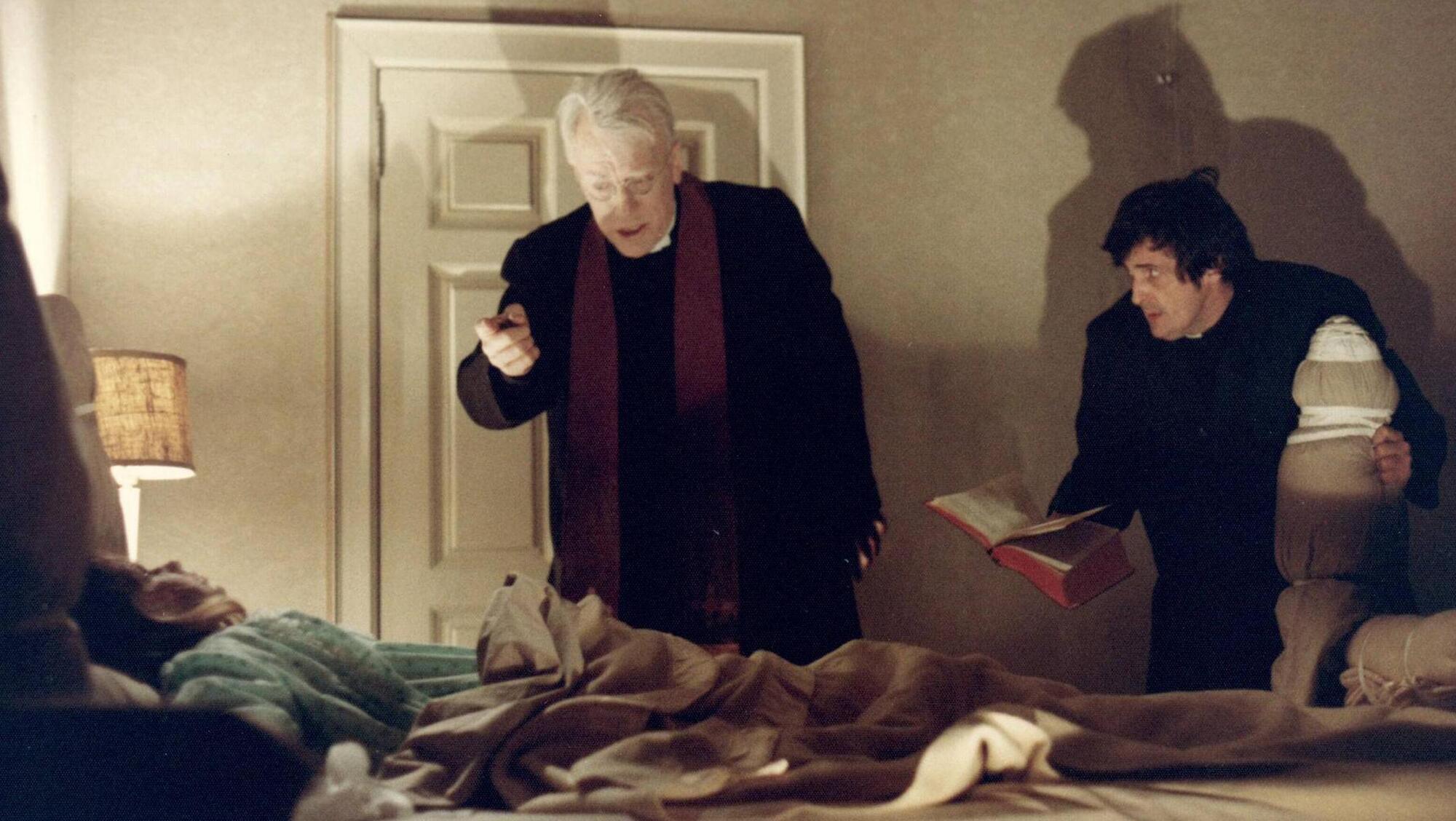
Linda Blair, Max von Sydow and Jason Miller in The Exorcist.
For many years, the director of The Exorcist mistakenly believed his film had been banned in Ireland. William Friedkin, who died last week at the age of 87, had apparently been told by distributors Warner Brothers that his infamous horror wasn’t being shown in this country when cinema reels finally made it to this part of the world in autumn 1974.
In fact, the tale of Regan and her demons did show in Irish cinemas, attracting big audiences. Inevitably, the debate and controversy that had surrounded the film’s release in the US in late 1973 also followed it across the Atlantic.
While Irish audiences were able to see the movie, they were missing out on a 41-second sequence removed by state censor Dermot Breen. Warners probably did well not to tell Friedkin about that snip. The Chicago-born director, who worked with original book author William Peter Blatty on the adaptation, later stated he’d have preferred not to release the film rather than let audiences see a cut version.
A banning of sorts did take place the following decade in Ireland, when The Exorcist didn’t make the list of films permitted to be released to the home video market on VHS. Not that this omission stopped anyone from actually seeing it. There was hardly a teenager in the country who couldn’t quote the possessed girl’s jibe to Fr Karras (Jason Miller) about what his mother spent her time doing in Hell.
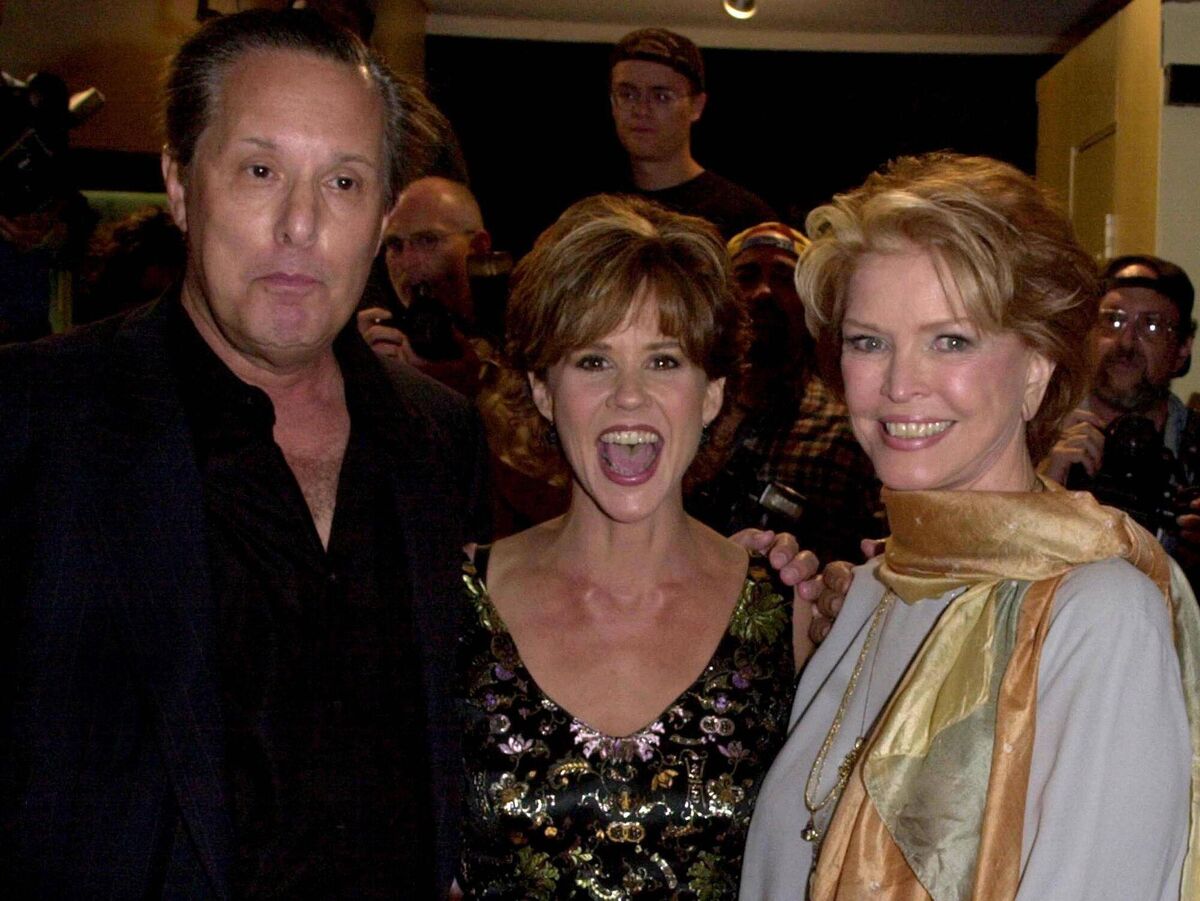
So why hadn’t the film been banned in the mid-1970s? "It's within the law, I can’t refuse it. It’s not offensive to public morality," censor Breen told the Irish Press in 1974.
Breen was the former manager of the Palace Theatre in Cork (now the Everyman) and a founder of Cork Film Festival. The lifelong film buff actually enjoyed his viewing of a movie that had been shocking people across the world for the past nine months. “As far as I’m concerned, it’s a very competently made film. One of the best-edited films I have ever seen. Technically, a very fine piece of work. Excellent,” stated the former pupil of the Presentation Brothers.
A letter-writer to the Evening Echo – this publication’s sister paper – echoed Breen’s considered opinion. John O’Flaherty of Watergrasshill wrote: “I believe this film should be seen by most people because in its own subtle, artistic way, it helps to define the difference between good and evil, an important trait that is being constantly pushed into the slumbering shadows nowadays.”
Not everyone had such a positive attitude. For instance, A Simpson of Cork Full Gospel Fellowship in Dillon's Cross pleaded with people not to see The Exorcist. Mr Simpson even had first-hand experience of having to help a young Irish person who had seen the film in England: “This person's personality and facial expression had begun to be like the possessed girl in the film,” he warned.
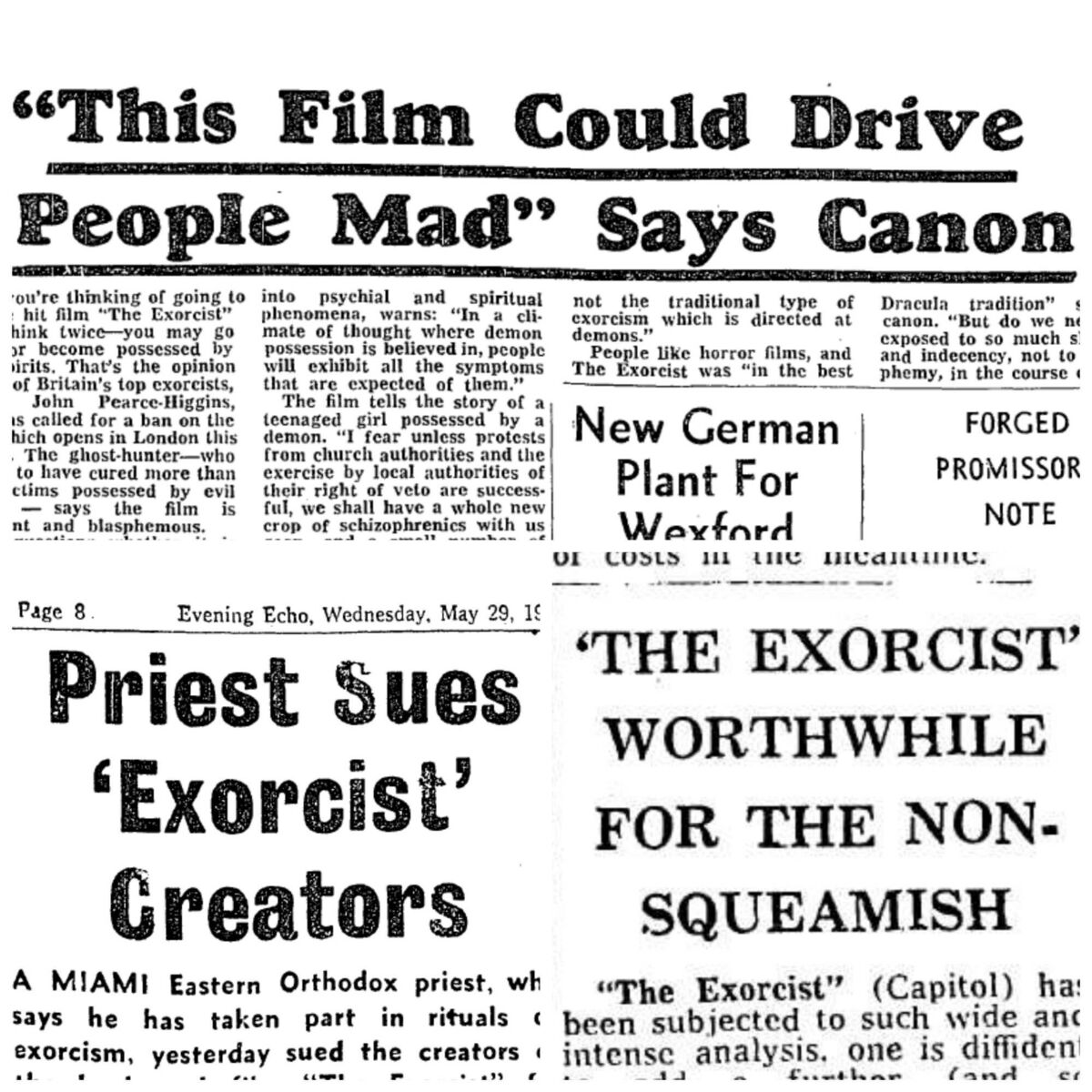
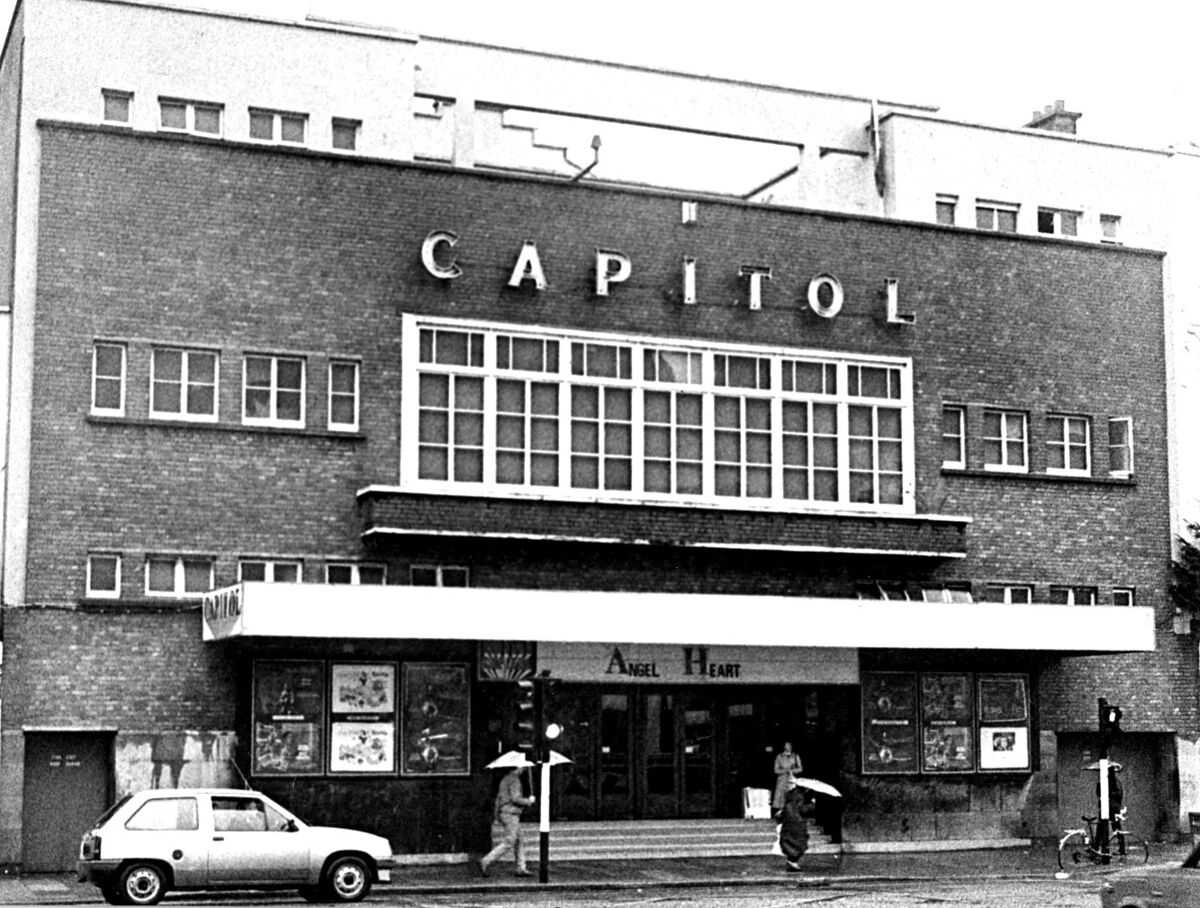
The Cork Examiner dispatched a reviewer for the definitive view. While the journalist largely gives the film a thumbs-up, the evening at the Capitol wasn’t a pleasant experience for his wife. The unnamed reporter wrote: “While I sat through the film with a conflicting degree of enjoyment at its technical merit and mild revulsion at the more explicit scenes of demonical possession, my wife was so upset she relapsed into tears."
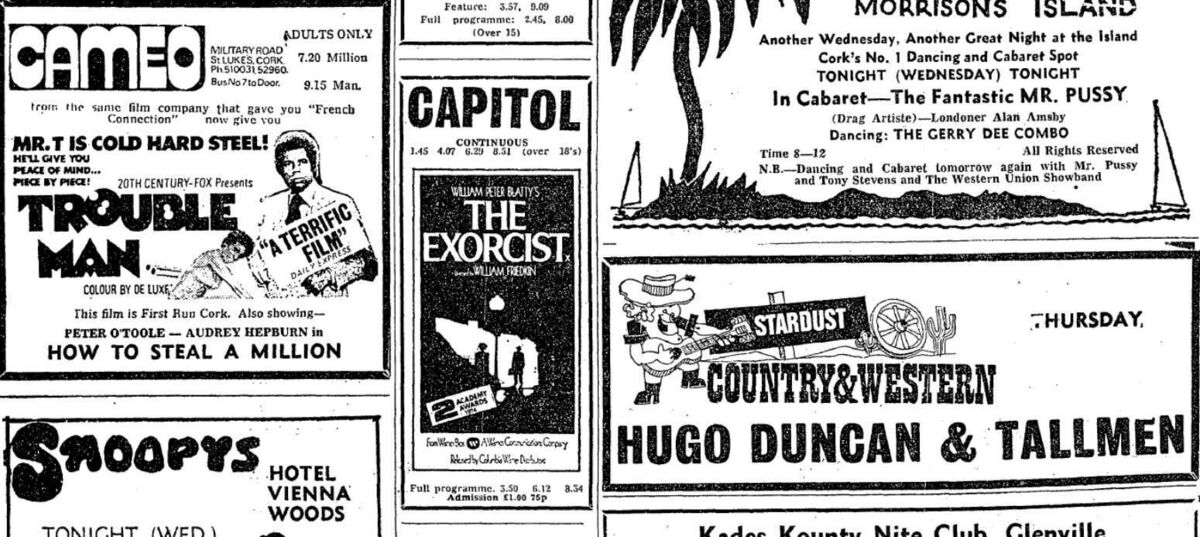
In early September 1974, The Exorcist was getting three shows a day at the Capitol, with admission costing £1. Friedkin’s over-18s-rated film was part of an impressive roster of offerings at Cork cinemas that month, including The Sting, Woody Allen’s Sleeper, Butch Cassidy and the Sundance Kid, and A Fistful Of Dollars.
The city’s picture houses of that era were well-known for the less-than-moral behaviour that went on in the jumbo seats, but it was wandering hands of a different kind that stole the handbag of a female audience member who had been engrossed in The Exorcist. The two 15-year-old boys fled the Capitol and proceeded to nearby St Peter & Paul’s church where they removed £69 from the bag.
Eventually, the culprits were caught, and while in court resisted the urge to use the defence of 'The Devil made me do it'. While convicting them, Justice JF Garavan declared: “Taking the money as they did, and sharing it in a church, shows they have no fear of God or man.”
After the success of Friedkin’s previous film, The French Connection, the director was again marked as major talent in a golden era for cinema, with The Exorcist winning two of its 10 Oscar nominations. Taking the best screenplay and best sound prizes, it did miss out on the biggies – best picture and director – to The Sting. In the long game, however, the impact and influence of the horror classic has been far greater than that Newman-Redford caper.
Friedkin had mixed luck with later projects, and never again hit the heights of his early-Seventies double. Incredibly, The Exorcist didn’t get official public showings in Ireland until its 1998 re-release for the Halloween horror season.
By then, the Capitol had become the Capitol Cineplex, and the Cork Examiner had become the Irish Examiner, but it’s testament to Friedkin that many among the new generation of cinema-goers got exactly the same chills as their 1974 counterparts.