Book Review: Paula Cocozza dismantles the smartphone phenomenon
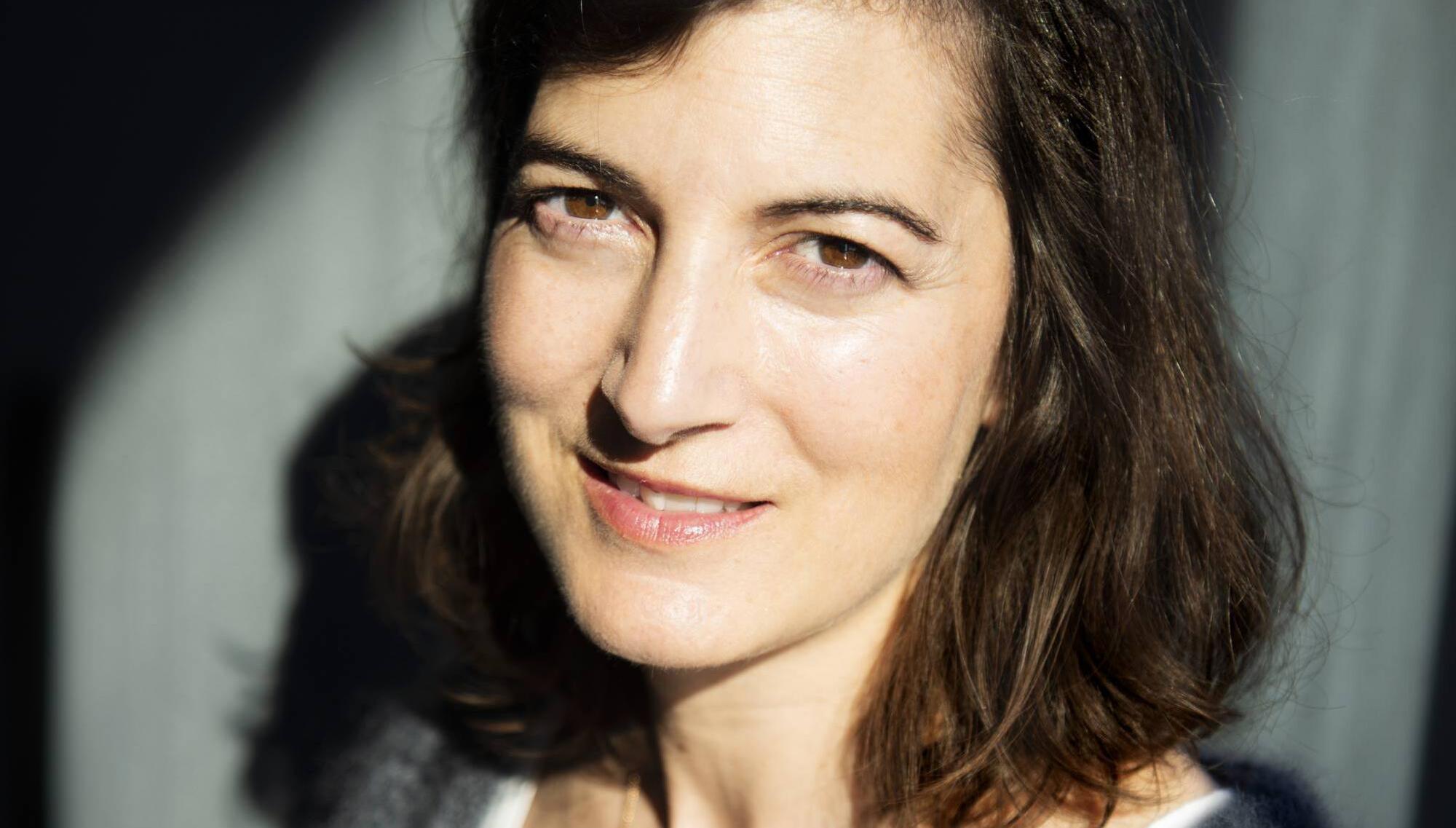
Author Paula Cocozza. Picture: Linda Nylind
- Speak to Me
- Paula Cocozza
- Tinder Press, £18.99
This novel is told in flashbacks and narrated by Susan, who is aged 50 when it ends. It’s a sad tale of loneliness and disappointment, but also sharply funny in places.
In a world in which we are ostensibly more connected than ever, it is far too easy to be disconnected. Rather than talk to each other we retreat to our screens.
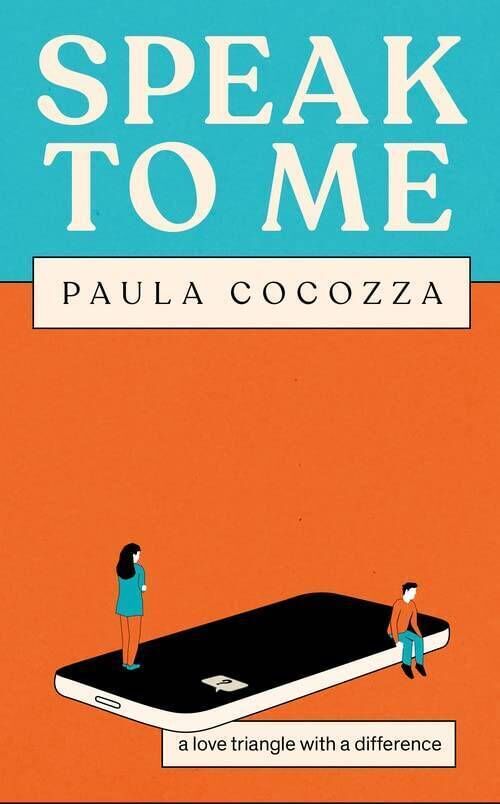
Librarian Susan is fed up with husband Kurt gazing at his smartphone, even reaching for it during sex. She nicknames his phone Wendy and destroys three of them, while realising that all that will happen is him speedily buying replacements.
“Wendy is like Hydra, you see: no matter how fatal the blow, another Wendy will always grow back.”
It’s impossible to separate Kurt from his phone. The nickname may be inspired by the character in Peter Pan, she tells us, because “she had attachment issues”.
Disappointed with her marriage, which she describes as “a modern version of a long-distance relationship”, Susan thinks about her past and becomes obsessed with a case full of letters which vanished when her family moved house.
At one stage she tells her husband: “My youth was in that case.”
Her downward spiral started when they moved to a new estate in the suburbs. She’s not happy in their new home and hasn’t made new friends there after three years. Their teenage twin boys prefer to spend time in their bedrooms than with her, for instance no longer wanting her to read bedtime stories to them. Perfectly normal behaviour for teenagers, but she finds it adds to her feeling of alienation.
As she becomes more and more obsessed with finding the case, she starts visiting their former home first just to walk past it but eventually, when she finds the locks haven’t been changed, actually going inside to search.
The case contains letters from her first boyfriend Antony, and she looks back at their relationship, revealing how her self-confidence was boosted when he first paid her attention. She put up with a lot from him, when he was away at university he wrote her enigmatic letters in emerald ink on lilac paper, all of which she saved. Although he hinted that he had other girlfriends, Susan still waited for his infrequent visits. Towards the end of the novel, she tracks down Antony and they meet. It would be wrong to reveal what happens.
Cocozza writes convincingly about marriage breakdown and acute loneliness. Where she’s amusing is when, for instance, she describes for a younger readership what life was like in her youth. For instance: “in those days they made boards interactive with chalk” or the sharply observed “women steering pushchairs with their wrists to free their thumbs”.
This is a second novel from Paula Cocozza, a staff writer at . Her first, , was shortlisted for the Desmond Elliott Prize and favourably reviewed by Hilary Mantel.