Cork dancer Andrea Williams on dipping into her African heritage
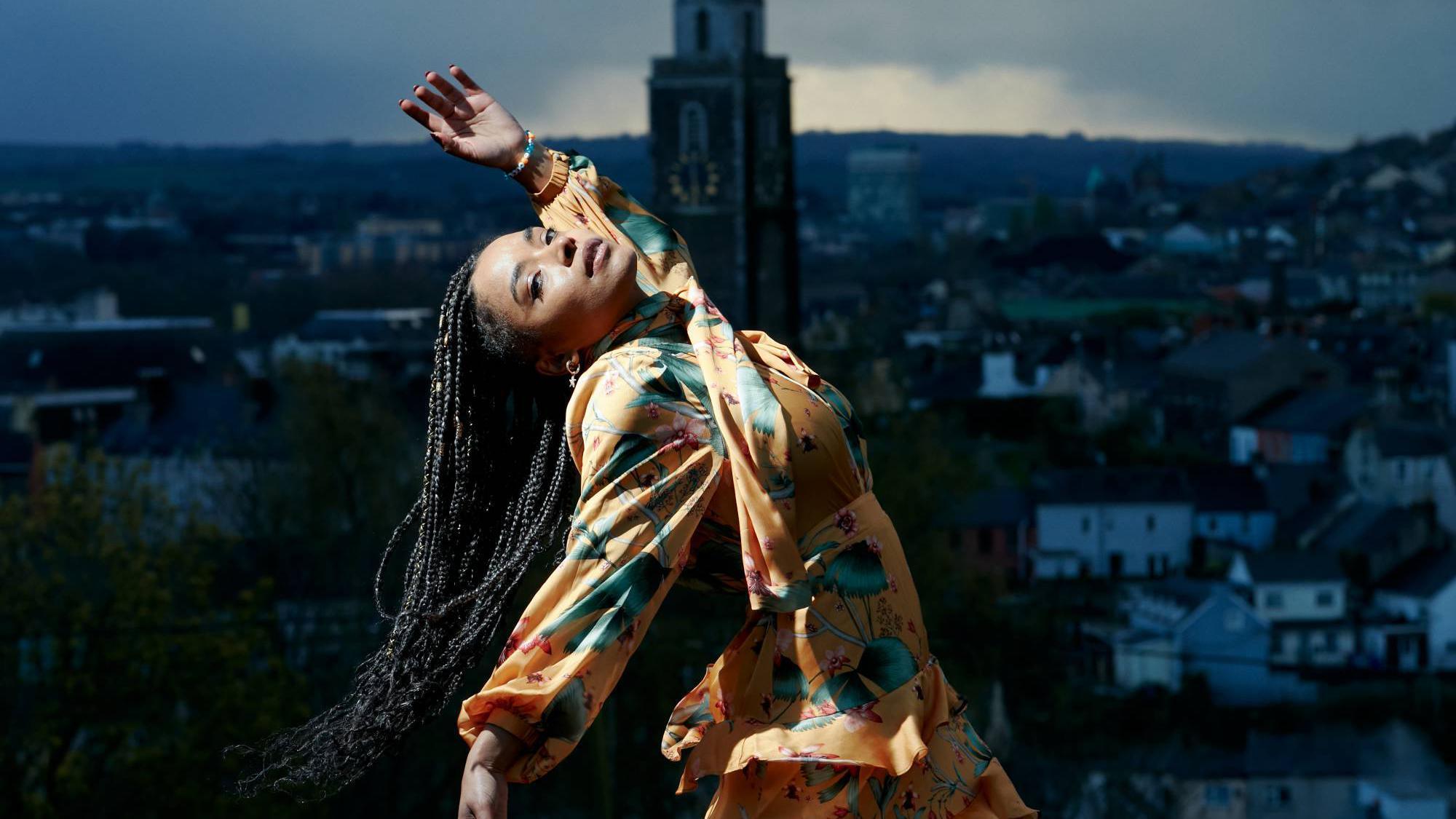
Andrea Williams will perform at Firkin Crane for Cork Midsummer Festival. Photo: Bríd O'Donovan
From her memories of childhood growing up in Cape Verde, Cork-based dancer Andrea Williams recalls her dad as an extremely gentle and patient man. But once a year, she was truly terrified of him.
As a little girl, she would join the throngs on the streets for the local three-day annual carnival that starts on Shrove Tuesday on the island of Sao Vicente. On the final day, a coffin was promenaded through the streets, signifying the end of three days of partying and the burial of the carnival spirit, to be revived the following year.
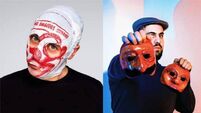
Behind the coffin, the formidable Mandingas would weave through the streets, the crowds parting before them in deference. Painted black from head to foot, sometimes masked or in grass skirts, these imposing male warrior spirits would howl and roar and grimace at the crowd.
And one of them was her father. “To see my dad in a different way, where he’s screaming and doing all these crazy faces, it was so frightening as a child,” Williams says with a laugh. “To me, he was just painted black and doing crazy things. But now I see it as beautiful: he was trying to give me a message that, at the time, I didn’t understand.”
The Mandingas, often spelled Mandinkas, are a large linguistic group originating in West Africa, descendants of the great Mali empire. But their cultural influences can be found everywhere from Brazil to the southern US to the Caribbean, as well as Williams’ native Cape Verde.
Settled by the Portuguese in the 15th century, Cape Verde is an idyllic archipelago of islands with a dark past as a hub of the transatlantic slave trade. Mandinga people would have been amongst the ethnic groups brought to the islands as slaves, their culture and traditions melding with those of the Portuguese and many other ethnic groups.
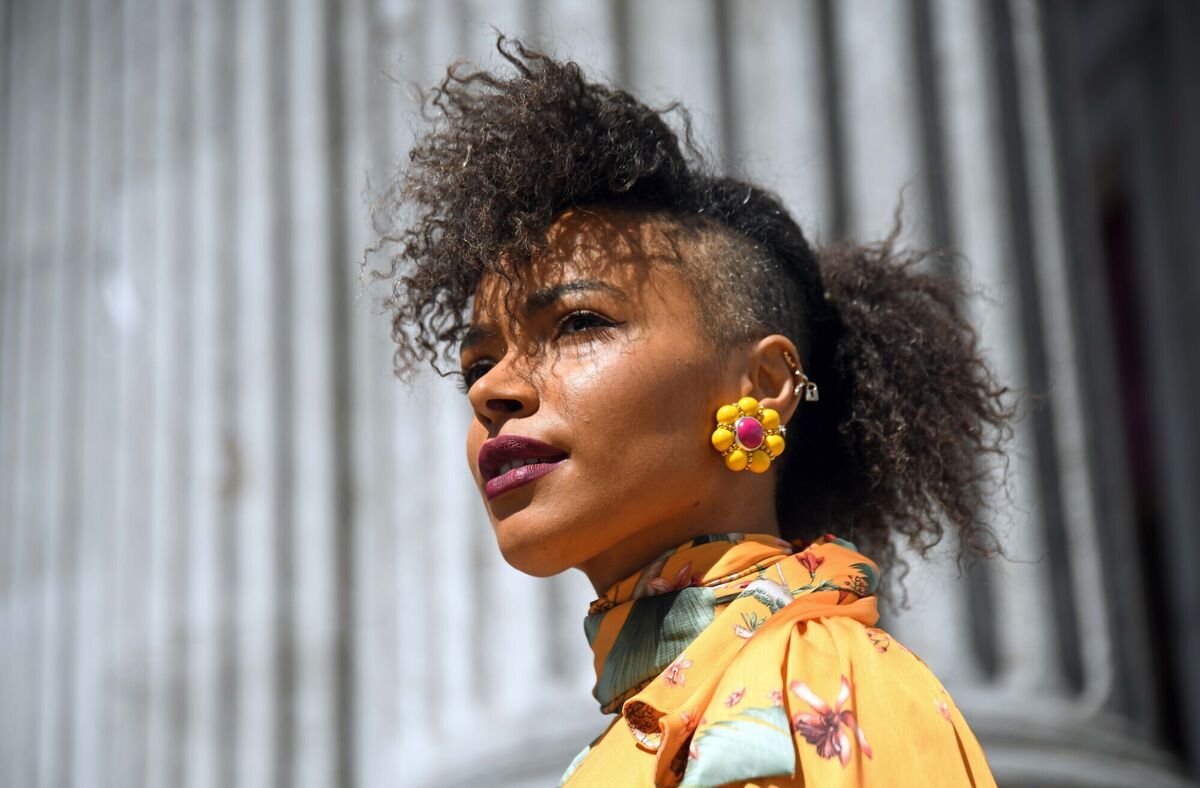
Williams, then, like most Cape Verdeans, has roots in both European and African cultures. She left Cape Verde at 18 to study law in Portugal, and moved to Ireland 15 years ago, where she has forged a path as a dancer and model, appearing in music videos and heading up the Hot Sauce hip hop dance troupe that often accompanies Cork DJ Stevie G to festival gigs.
To the victor go the spoils, as the saying goes. Williams says that growing up, the European part of her heritage was accentuated: lessons in school were weighted in favour of the conquering Portuguese position, while African elements of heritage were unspoken and most certainly unwritten, a hidden shadow of the past.
“The more I was away from Cape Verde the more I felt the need to understand the African side of my story,” she says. “My dad is half Portuguese and I know a lot about that side of the family, but very little about the African side of my family. That happened in Cape Verde in general.” “When you are a product of so many different cultures there is always a thing about identity: who do I identify myself as? Am I African, am I European? There is sometimes the sense that African people will look at you and say, no, you’re not African, you’re mixed. And obviously for Europeans the same is true. It’s like this limbo place.”
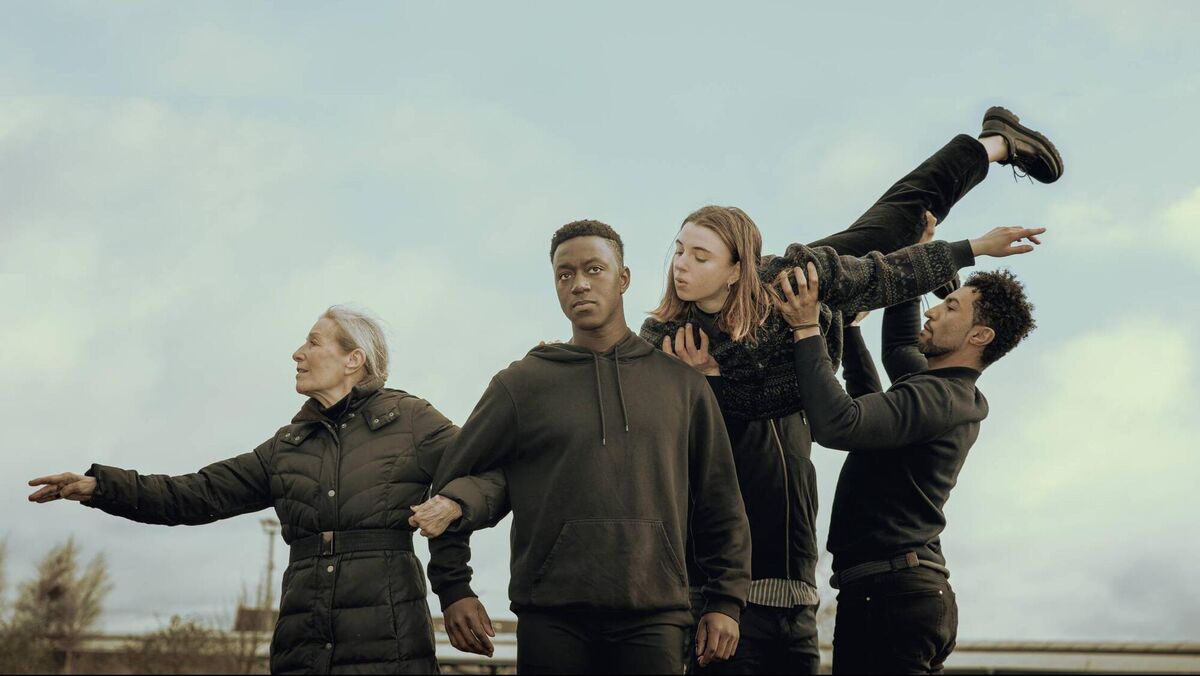
For her upcoming dance performance, Undefined, Williams has delved deep into her own questions around identity and has come face to face with the Mandinga spirit of her African ancestry.
Donning the Mandinga costume that so scared her as a child and re-examining the message her father was sending through his participation is, she says, “like an act of reverence. Now I understand that the Mandingas are saying, ‘we are still here. We are still present.’ And that is a powerful thing. They are saying, ´you are African too and we are here to not let you forget it.’”
Once Williams began researching her dance piece, she was surprised at the extent of the cultural influence of the Mandingas across colonised parts of the world including the Caribbean, Brazil and Cuba.
And she even found a curious Irish connection in the form of Sinéad O’Connor’s song Mandinka.
“I read, and I don’t know if it’s true or not, that she’s describing a ritual of the Mandinkas where a young girl becomes a woman,” Williams says. “And it made sense when I was listening to the lyrics. I thought it was so beautiful, to make this strange connection with Ireland. I love making connections between cultures that seem like they are so far apart.”
In an era of xenophobia and growing racial tensions not just in Ireland but globally, Williams says cultural connections and explorations of identity through music, dance and art are increasingly important.
“I’m trying to make connections between us all as humans,” she says. “So many things are completely based on fear and misinformation, but if people stop to think, they will find that we are connected on such a different level than our skin tone. I hope whoever comes to the show is able to see that. To see these small, huge connections that we all have as human beings.”
Four performances of Undefined by Andrea Williams will take place throughout the afternoon on June 24th at Dance Cork Firkin Crane, Shandon. Tickets and more information on the Cork Midsummer Festival website.
One of the flagship shows for Cork Midsummer Festival ’23 involves hauling 15 tonnes of sand into Cork City Hall to create a beach scene for an opera which audience members will view from above. Lauded the world over for its innovative staging and thought-provoking content, Sun & Sea will also include Corkonian extras.
Four showings per day of Sun & Sea will take place from Friday, June 23th to Sunday, June 25th at Millenium Hall in Cork City Hall
Choreographer Philip Connaughton brings a modern interpretation of Virgil’s Aeneid, complete with an electronic score and an international cast of dancers, to the cavernous recesses of Cork’s Marina Market. Timeless themes of war, migration, displacement and identity emerge.
TROJANS is on from Thursday June 22nd until Sunday June 25th at Marina Market, at 9pm nightly with an additional Matinee performance at 2pm on the 25th.
Beethoven’s 9th symphony was written while the great composer himself was deaf. Join artist Amanda Coogan, the Cork Deaf Community Choir and Dublin Theatre of the Deaf for an Irish Sign Language performance of the Ode to Joy: the piece becomes a form of performance art that celebrates the resilience of the human spirit.
Ode to Joy will be performed on Saturday June 24th and Sunday June 25th at 11.30am and 1pm daily in the lecture theatre of the Crawford Art Gallery.
Writer and performer Georgina Miller worked with Fidget Feet Aerial and Rough Magic theatre company to inject thrilling aerial elements into the theatrical retelling of Miller’s own dramatic true life story of being air-lifted from a tiny desert island in need of urgent medical care.
Freefalling runs from Thursday, June 22nd until Saturday, June 24th at The Everyman, with a 7pm preview on Wednesday June 21st and a 2pm Matinee on June 24th.
ATMs, photocopiers, phone booths: obsolete and soon-to-be-obsolete technologies are the subject of Dublin-based artist Tamsin Snow’s visual art exhibition as part of Cork Midsummer Festival. Sound, light and sculptural installations provide a timely reminder as to the impermanence of technologies amidst the accelerating march to progress.
Relic runs from Thursday, until Sunday, June 25 at Cork Centre for Architectural Education on Douglas Street.