Book review: Rushdie's Victory City is a stunning achievement, but no easy read
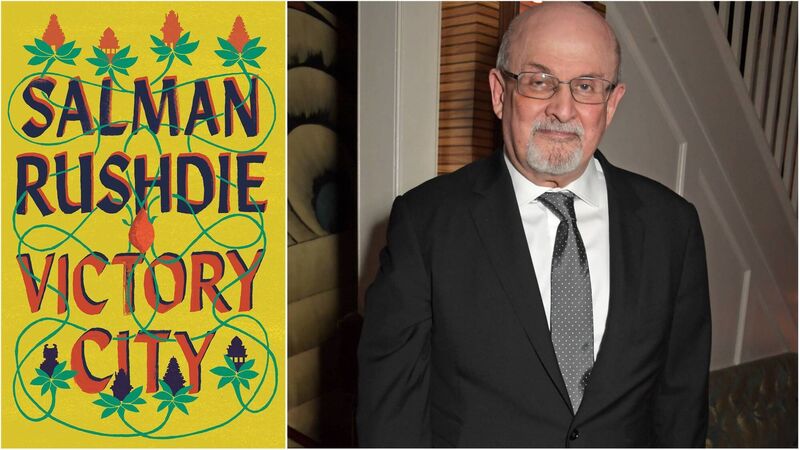
Having recovered from a brutal on-stage stabbing in New York that nearly killed him, Salman Rushdie has returned with a new novel set in India. Picture: David M Benett/ Getty Images
- Victory City
- Salman Rushdie
- Jonathan Cape, €17.99
Salman Rushdie had finished writing this epic before the brutal stabbing at the Chautauqua Institution in New York State last August that nearly took his life. The 75-year old author lost the sight of one eye and the use of one hand but is said to be making a good recovery.
Famous for having survived the fatwa (death threat) declared by Iran in the 1980s when his novel, The Satanic Verses, was published, the attack was a timely reminder of Rushdie’s strong commitment over the years to freedom of speech and the power of story.
Born in India, but largely educated in England and also an American citizen, resident in Manhattan, recently Rushdie’s fiction has been set in contemporary America, and he has also published memoirs of his life in England.
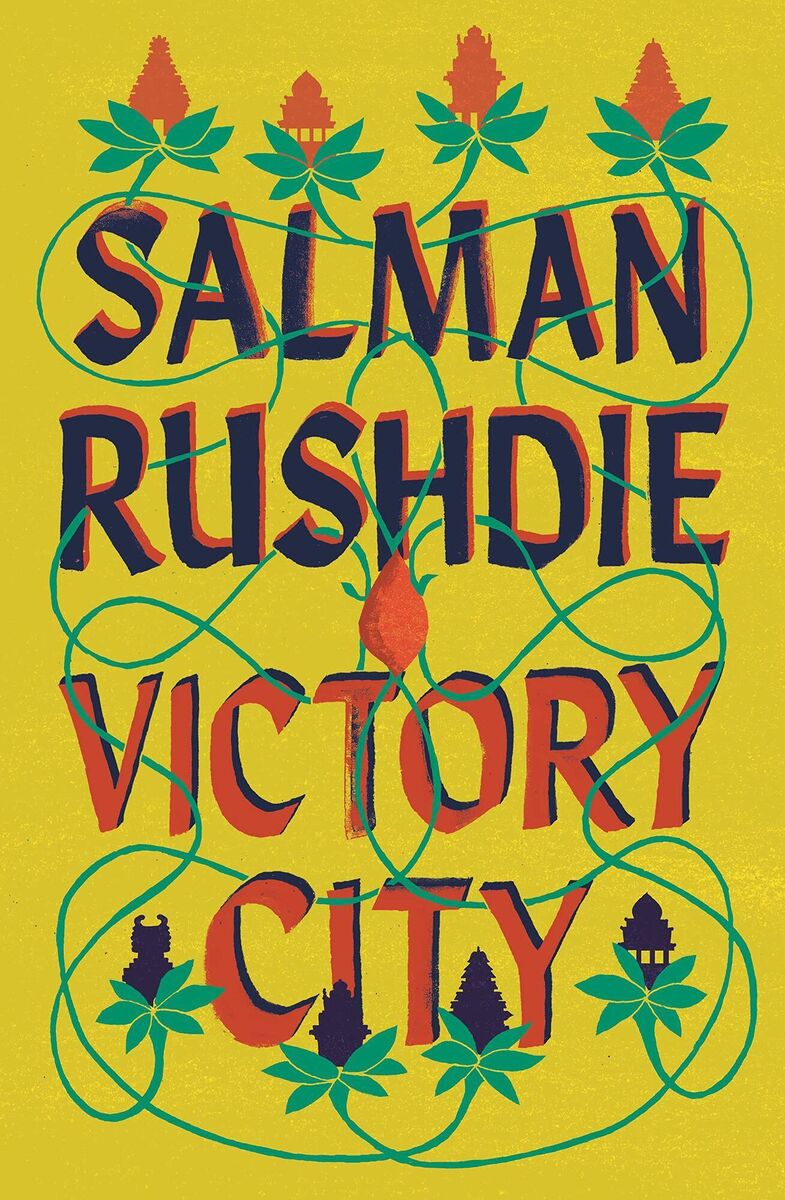
So it was good to find that this novel marks a return to Indian themes and history, as seen through the lens of magic realism.
Rushdie has chosen to tell the tale from a strong feminist viewpoint, which is its greatest strength. Presented as a translation of an ancient epic, set in 14th century southern India, written by Pampa Kampana, who has been granted superhuman powers, the story chronicles the rise and fall of a great city called Bisnaga — Victory City — grown from magic seeds sown by Pampa Kampana.
Foremost among her divine gifts is longevity. She lives to the age of 247, hardly ageing for the first 200 years.
Dynasties rise and fall, battles are won and lost, her three daughters die and are replaced by granddaughters and great, great, great-granddaughters. Lovers — she has a fondness for red-headed strangers — die and are replaced by lookalikes.
Having witnessed her mother’s last moments before ritual self-immolation in a fire (sati), Pampa Kampana has resolved to “laugh at death and turn her face towards life”.
Her story is written in an earthy voice, powered by superhuman energy. The manuscript was supposedly discovered four and a half centuries after Pampa Kampana’s death, buried in a clay pot.
A commentary by a contemporary editor is given in italics in an often sardonic voice, reminding us, for example, after a totally implausible incident, that “the reality of poetry and the imagination follows its own rules”.
The enjoyment that Rushdie experienced in writing this extravaganza — whether the luxurious excesses of city life or the natural abundance of the wild forest where Pampa and her daughters take refuge — is evident from the energy and invention of the prose.
But the pursuit of this fantasy, which creates its own rules at will and then ignores them, amid a proliferation of many-syllabled proper names, soon wore down the good-will I held towards it, and made me long for it all to end.
When it did so, 338 long pages later, the desperation I had felt at its convolutions evaporated into relief — and appreciation of its ambition and scope.
Victory City is a stunning achievement, but it is not an easy read. Following the convolutions of its many stories demands almost superhuman patience from the reader, who will nevertheless agree wholeheartedly with its conclusion: “Words are the only victors.”