TV review: Margolyes opens fire on WB Yeats in Lady Gregory show
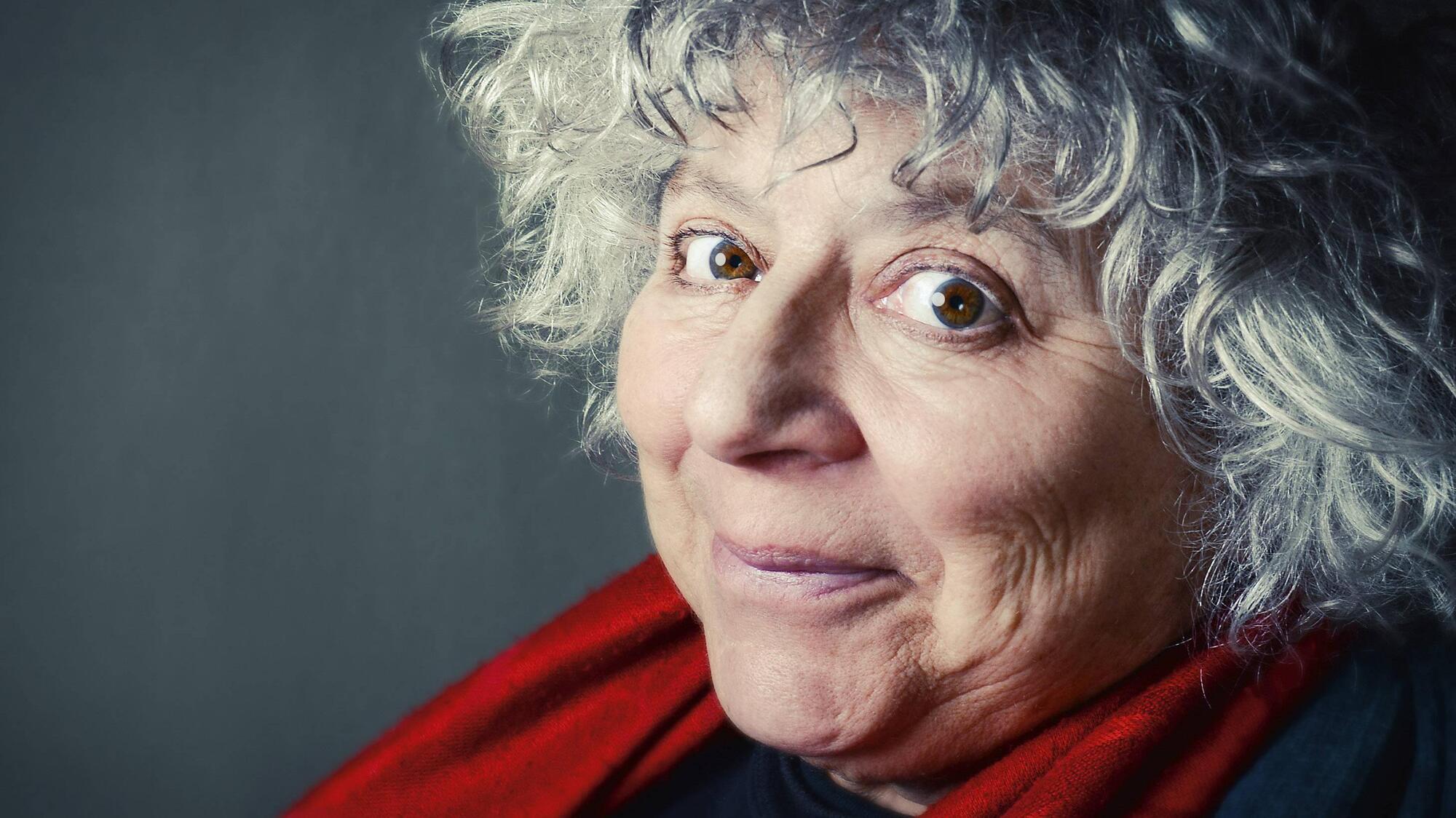
Miriam Margolyes was one of the presenters of Lady Gregory: Ireland’s First Social Influencer.
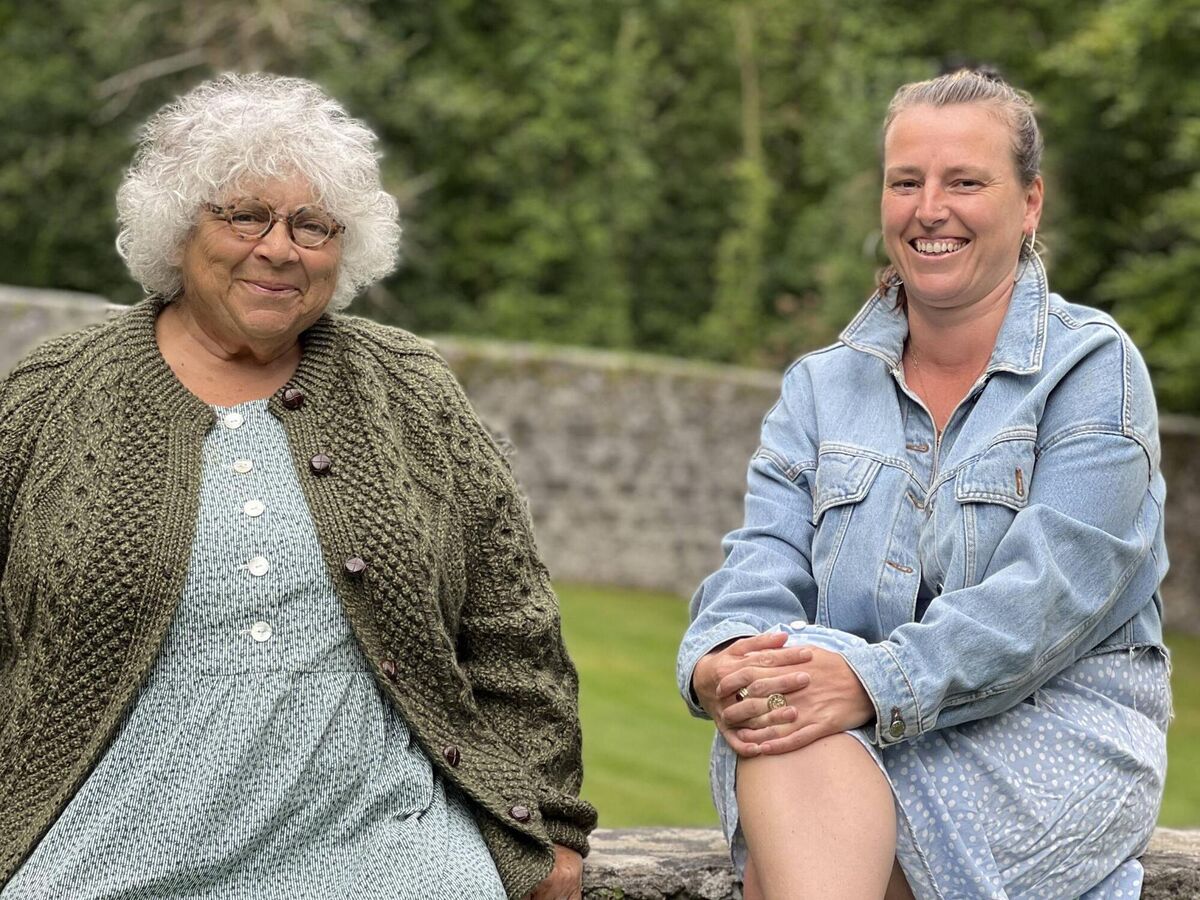
The Queen’s English meeting Dublin slang provides one of the funniest moments in the sparky dynamic between Miriam Margolyes and Lynn Ruane in episode two of Lady Gregory: Ireland’s First Social Influencer.
The two ‘culture detectives’ are on the topic of Gregory’s son Robert’s affair with artist Nora Summers: how it came to light and how – over a weekend in 1915 in Robert’s holiday home – “all hell broke loose” and Gregory called her son a cad.
Ruane doesn’t know what a cad is. “Do you?” she asks Margolyes, who obligingly responds: “An absolute brilliant reincarnation of a cad would be Boris Johnson… a man without morals.”
Ruane gets it: “Robert really dirtied his bib with his ma and his wife.”
It’s typical of many humorous exchanges between the pair that make us feel we’re along for the ride as they continue to chip away at Gregory’s story.
But, humour aside, this documentary has a very serious purpose – to ensure Lady Gregory is given her rightful, deserved place in our sense of what she contributed to our history.
Because she didn’t just contribute to the arts in a major way. As Margolyes puts it: “Gregory was trying to give Ireland a sense of its soul. It needed somebody to open a door and let Ireland speak for itself, hear itself, know itself. And it was Yeats and Gregory who opened that door.”
In the Abbey Theatre – where Margolyes is emotional, almost speechless upon first arriving, and Ruane sits in Gregory’s chair – we’re reminded of just how significant this iconic space is that Gregory co-founded with Yeats at a time when Ireland was not “its own free country”.
Speaking of that time, Abbey artistic director Caitríona McLaughlin catches it: “The nation doesn’t exist so we need a theatre to show us what it might look like.”
A recurring theme through the documentary is Gregory and Yeats’s relationship. Margolyes and Ruane don’t spare Yeats, with the actress finding him “parasitic and irritating” and Ruane observing that he tried to discourage Gregory from writing.
Yeats historian Professor Roy Foster gets at the nuance of it, pointing out that late in her life, Gregory said Yeats helped make her what she had become. “But would he have been who he is without her?” Margolyes is quick to ask.
No, he wouldn’t have, Foster says, sharing what Yeats said: “She brought him to what he had always craved, a life of order and labour – that’s what…her friendship gave him.”
This compelling documentary sets the record straight on who Lady Gregory was in a national sense and reinstates her as a patriot – in the words of Margolyes: “An Irish patriot.”