Ralph McTell: 'From Clare To Here was written in Croydon in the 1970s'
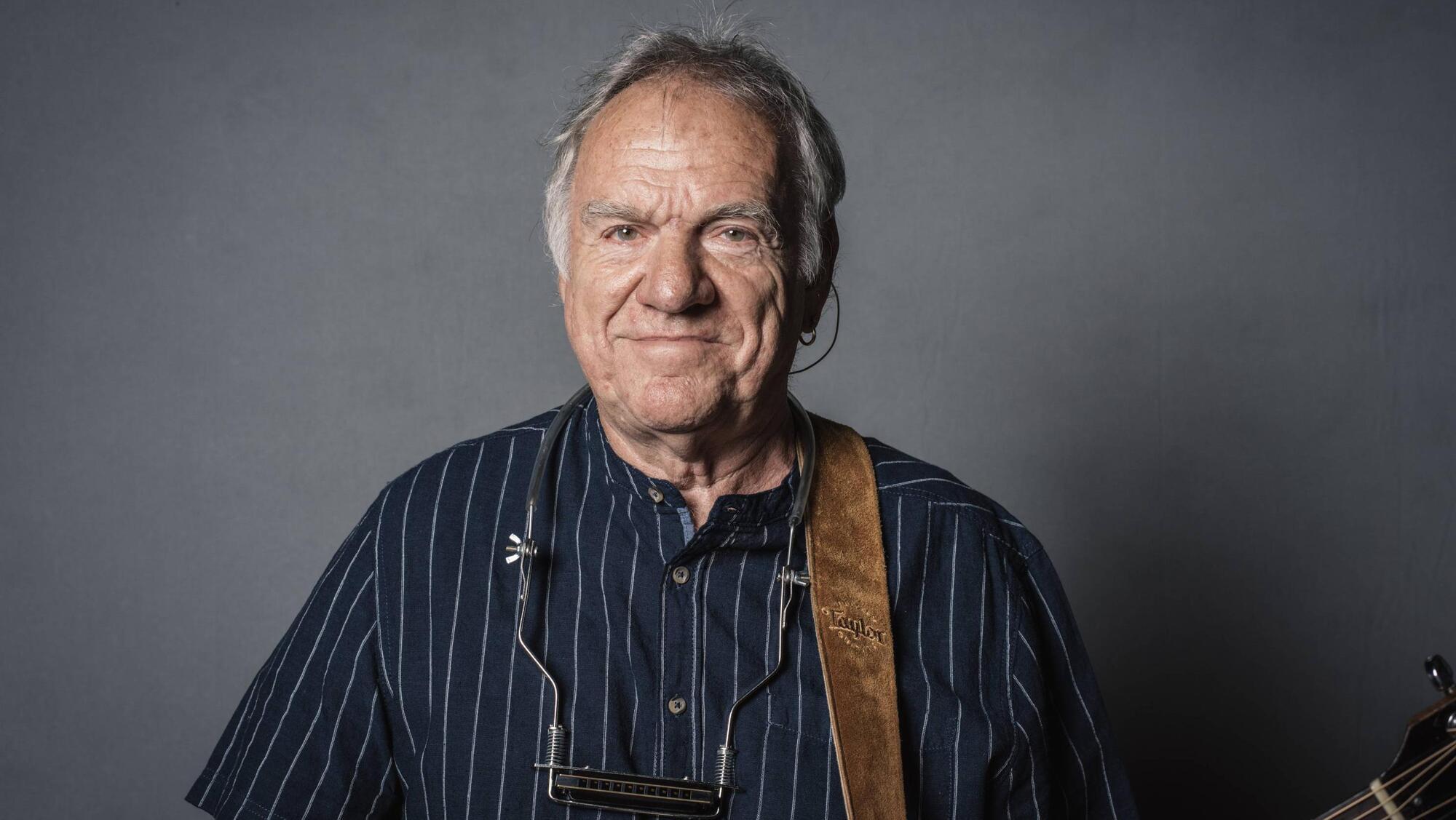
Ralph McTell plays at Temple Bar Tradfest. (Picture: Gareth Cattermole/Getty Images)
“It’s actually listed in a book of traditional Irish songs,” says McTell. “I take that as a great compliment. To think you can get a song accepted by a nation to the point where it assumes it’s part of its tradition.
"Oh this was written during the Famine when ships were arriving and people were dreaming of home’. And I was thinking, ‘oh really’. It was written in Croydon in the 1970s.”
He is speaking ahead of a return to Dublin for Temple Bar Tradfest He’ll be collaborating with Dervish, Eddi Reader, Cara Dillon and others on a whistlestop plunge into the “great Irish songbook” at the National Stadium on Thursday, January 26.
No Englishman is better placed to celebrate Irish folk. McTell has deep ties to Ireland, a country to which he feels connected at an almost spiritual level. Which is why he is flattered that so many are unaware that he wrote 'From Clare To Here', for which he took inspiration from his experiences with Irish immigrants to London through the 1960s and '70s.
“Isn’t that a lovely thought,” he says of the idea that the tune has been handed down through the generations. “That’s what folk music is.”
Aged 78, McTell has a claim to the title of greatest British folk singer of his generation. His 1974 single ‘Streets Of London’ reached number two in the British charts – an unprecedented achievement for a folk song at that time.
He won an entirely new audience in the ‘80s, appearing on ITV kids’ show Tickle on the Tum and performing the theme to Cosgrove Hall’s animated adaptation of The Wind in the Willows (with future Del Boy David Jason as Mr Toad).
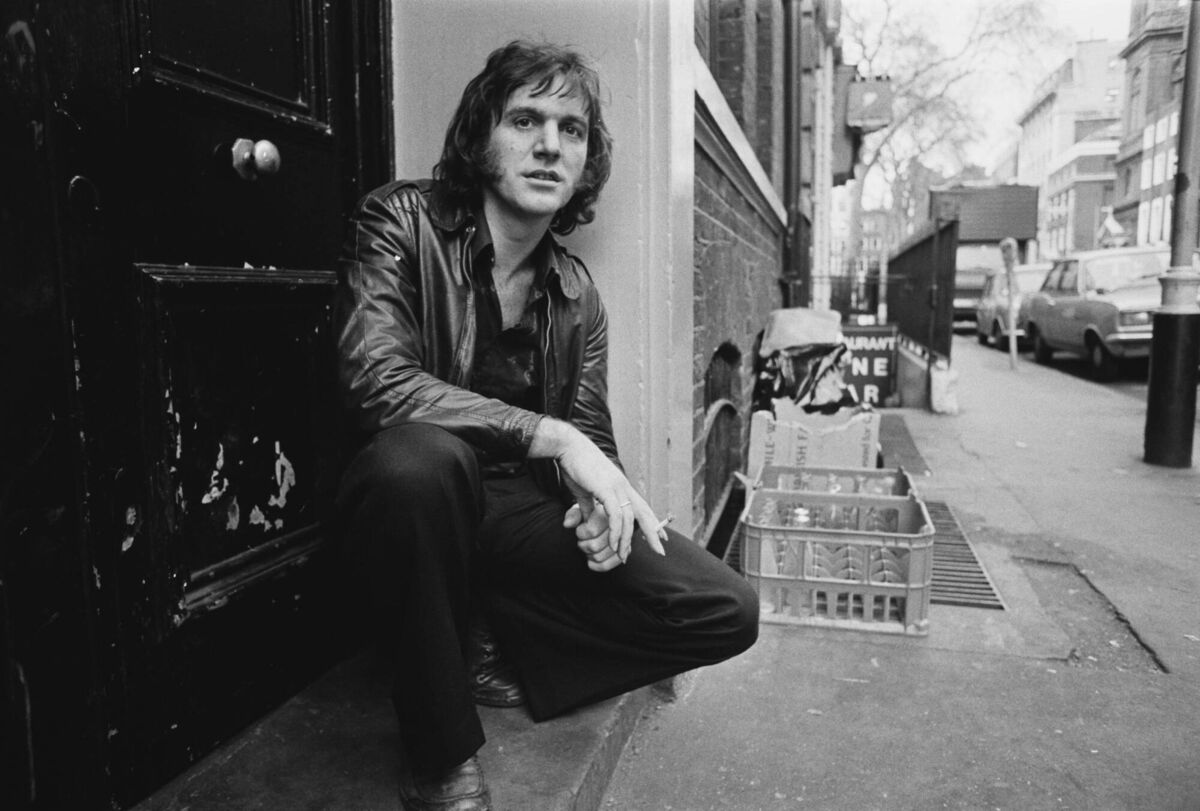
McTell discovered folk as a young man in 1960s London when the music of artists such as Woody Guthrie was crossing the Atlantic. He was drawn by the drama of songwriting that felt lifetimes removed the drizzle and misery of postwar Britain. And by how Guthrie, and later Dylan, blended the musical and the political. This was writing with a social conscience. He was smitten.
“It was as if we’d been searching,” he says. “I always liked jazz and I liked rock and roll and I like the ‘40s ballads, the war time songs. Music was always important to me. But suddenly now music gained another dimension because it was talking about subjects like humanity. The folk songs of Woody Guthrie were political, stirring.
"They affected your left-wing mind. And were coupled with a kind of down-home honesty and directness that had tremendous appeal.”
This was all before Dylan. And when he arrived, McTell knew that his life changed forever.
“I was about 17. He was the articulate voice of views that we all shared. ‘So if Bob can do it, we’ll give it a go’. It led to us trying to write songs with varying degrees of success.
"Mimicking Bob, who was only mimicking Woodie Guthrie anyway in the beginning, until he established his own wonderful musical identity. His development and his diversions, the way he has taken his musical path, has been absolutely fascinating.”
The great thing about London at that time was that you got to see your heroes first-hand. Having won an audience in the United States, first port of call for Dylan and his peers was inevitably the UK capital. Taking inspiration from these giants, a home-grown folk scene was soon taking root.
“It started in south London and parts of Scotland. And then went all over the country. It really began in London at the end of the skiffle era. By the early ‘60s,the first blues festivals were occurring. You could see some of the great musicians live. I saw Reverend Davis, Muddy Waters. They all came.”
Croydon has changed a lot. But it still produces mavericks – such as king of British hip hop, Stormzy.
“He used to live close to where my mum used to work in a little chemist shop,” says McTell. “I don’t live in Croydon any more and I wouldn’t recognise the place. I did go back once to see where I grew up. They’d knocked down the gasometer and the power station and made an Ikea out of it. The high street is now pedestrianised. And it’s a rough town.”
A note of sadness enters his voice.
“There are a lot of very sad places of violence in Croydon at the moment. Which is depressing. Although it was bombed to bits during the war and there were bomb sites that were natural playgrounds for us kids.”
He moved away a long time ago. But it is still close to his heart.
“I wrote a book about growing up in Croydon. It was not a showbiz thing. The whole book ended when I was 21. It was a fantastic place to grow up. There were six cinemas in the town. There was a live theatre in the town, which saw a pantomime occasionally. A street market. Dozens and dozens of different shops.
"It was a great place. It seems to have suffered a bit. The amount of violence is very sad. It’s part of my roots, part of my growing up.”
The pandemic forced McTell to stop performing, which he feels he adjusted to quite quickly. He’s keeping busy at the moment, however.
In addition to coming to Ireland for Trad Fest, he plans on recording a collection of his best songs with friends from Irish music. It will, he feels, be the perfect meeting of minds and sensibilities. And an opportunity for him to give back a little to Ireland, a place from which he has taken such inspiration.
“The idea was mooted by a friend of mine, Frank Gallagher, from Derry [a producer who has worked with Phil Coulter]. He said ‘you’ve got enough Irish-connected songs to do a special album’.
"We started to contact some of the great friends of mine, new and old in Ireland. John Sheahan from The Dubliners. And Adrian Dunbar, who is going to do ‘From Clare To Here’.
He relishes the opportunity to put a fresh gloss on old material. He mentions ‘Mr Connaughton’, another ballad about the experiences of Irish immigrants in Britain (“Was your wife’s name Marjorie or Mary?/Were you from Cork or Tipperary?”)
“I played ‘Mr Connaughton’ at John Sheahan’s 80th birthday party. Declan O’Rourke is going to do that. We’ve contacted some of my old friends, including Finbar Furey.
"We’re going to do an album called From There To Here. And hopefully I should be touring with it in October, in Ireland. Getting around the country. I’m really looking forward to it. I’ve got tonnes of friends over there I’m looking forward to seeing. It will be lovely doing a proper nationwide tour.”
- Ralph McTell performs as part of the Great Irish Songbook at the National Stadium, Dublin, Thursday, January 26
- The English folk singer brings her earthy sound to Dublin.
- Influential folk singer Martin Carthy is joined by his twice-Mercury Prize nominated daughter Eliza to reprise songs from across their repertoire at this early afternoon show.
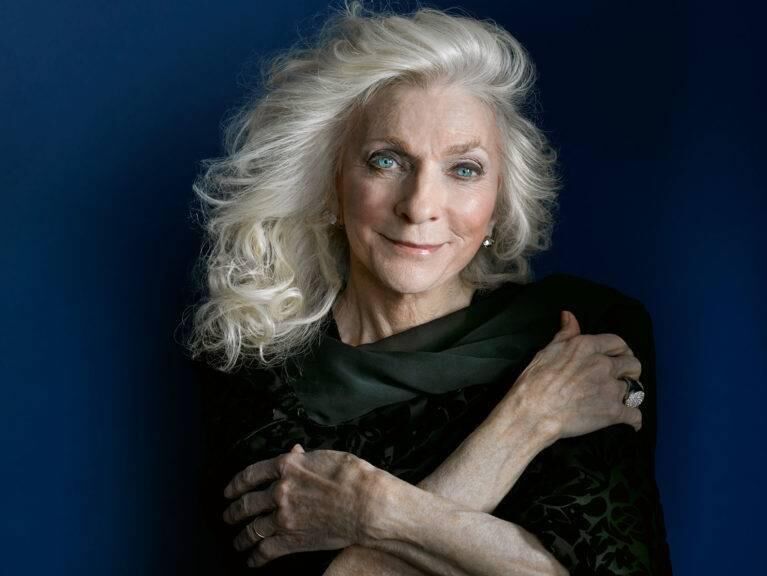
- Collins is one of the great folk talents to emerge from America in the 1960s. The inspiration for ‘Suite: Judy Blue Eyes’ from Crosby, Stills and Nash’s debut album, she will perform material from across her career.
- The vocalist from the West Cork Gaeltacht performs with pianist Cormac McCarthy.
See tradfesttemplebar.com for info and tickets.