Marú in Iarthar Chorcaí review: Terrible things happen when people decide to go to war
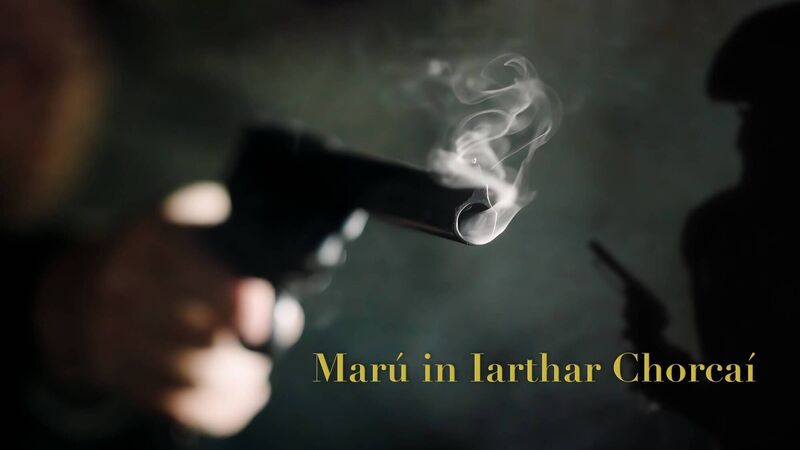
The story is the killing of 13 Protestants over three nights during a truce at the end of the War of Independence
Marú in Iarthar Chorcaí (TG4 and TG4 Player)

Marú in Iarthar Chorcaí (TG4 and TG4 Player)

Ten minutes into Marú in Iarthar Chorcaí (TG4 and TG4 Player) and things get complicated. Our narrator is Jerry O’Callaghan, whose father fought with the IRA in West Cork during the War of Independence. The story is the killing of 13 Protestants over three nights during a truce at the end of that war. The question: were the IRA involved in sectarian murders?


At this point, Jerry reveals his grandmother was a Protestant, descended from English settler stock who arrived during the Munster plantation in the late 1500s. Like everything else in Irish history, things aren’t as simple as they seem.

There were 197 people executed by the IRA as spies during the War of Independence, the ratio of Catholics to Protestants killed matching the ratio in the general population, so it’s hard to conclude the IRA were singling out victims based on religion. But still — 13 Protestants killed over three nights in West Cork. What’s going on there?

Presenter Jerry O'Callaghan

O’Callaghan does a great job, pivoting the narrative with excerpts from an interview with Canadian academic, Peter Hart, author of The IRA and Its Enemies, which charts the violence in West Cork. Hart concluded that the IRA killed 13 people because of their religion.

O’Callaghan fills in the background, as the War of Independence ended with a delicate truce and the Republicans split over accepting a treaty that led to partition.

The West Cork victims included a draper in his 80s, the 16-year-old son of a man the IRA believed to be an informant, and an elderly disabled farmer.

Two UCC historians analyse the killings to determine if they were political or sectarian.

Here it gets interesting, as they conclude in some cases that the victims were killed by anti-Treaty Republicans because the victims favoured a Free State. So, partly a Civil War rather than sectarian?

Author Peter Hart
Author Peter Hart

The killings remain controversial today, as Republicans and their opponents slug it out over the real motive. It’s worth noting they were strongly condemned at the time by pro and anti-treaty Republicans.

There is consensus that these were not random killings and they had a sectarian element, which is unavoidable, because all the victims were Protestant.

Whether this was a deliberate attempt to terrify the local Protestant population, I’ll leave up to you. The end of the show examines Peter Hart’s assertion that this was an attempt at ethnic cleansing, with most of the talking heads interviewed saying it wasn’t. This bit felt laboured; the point could have been made in half the time.

But this isn’t to take from the horror of these murders, and it hardly mattered to the 13 victims ultimately what was the motive for their killing. What we do know is terrible things happen when people go to war.

More in this section

Scene & Heard

Newsletter

From music and film to books and visual art, explore the best of culture in Munster and beyond. Selected by our Arts Editor and delivered weekly.

Cookie Policy Privacy Policy Brand Safety FAQ Help Contact Us Terms and Conditions

© Examiner Echo Group Limited