Mo Laethanta Saoire: Cork-based Australian writer JR Thorp on Sydney summers
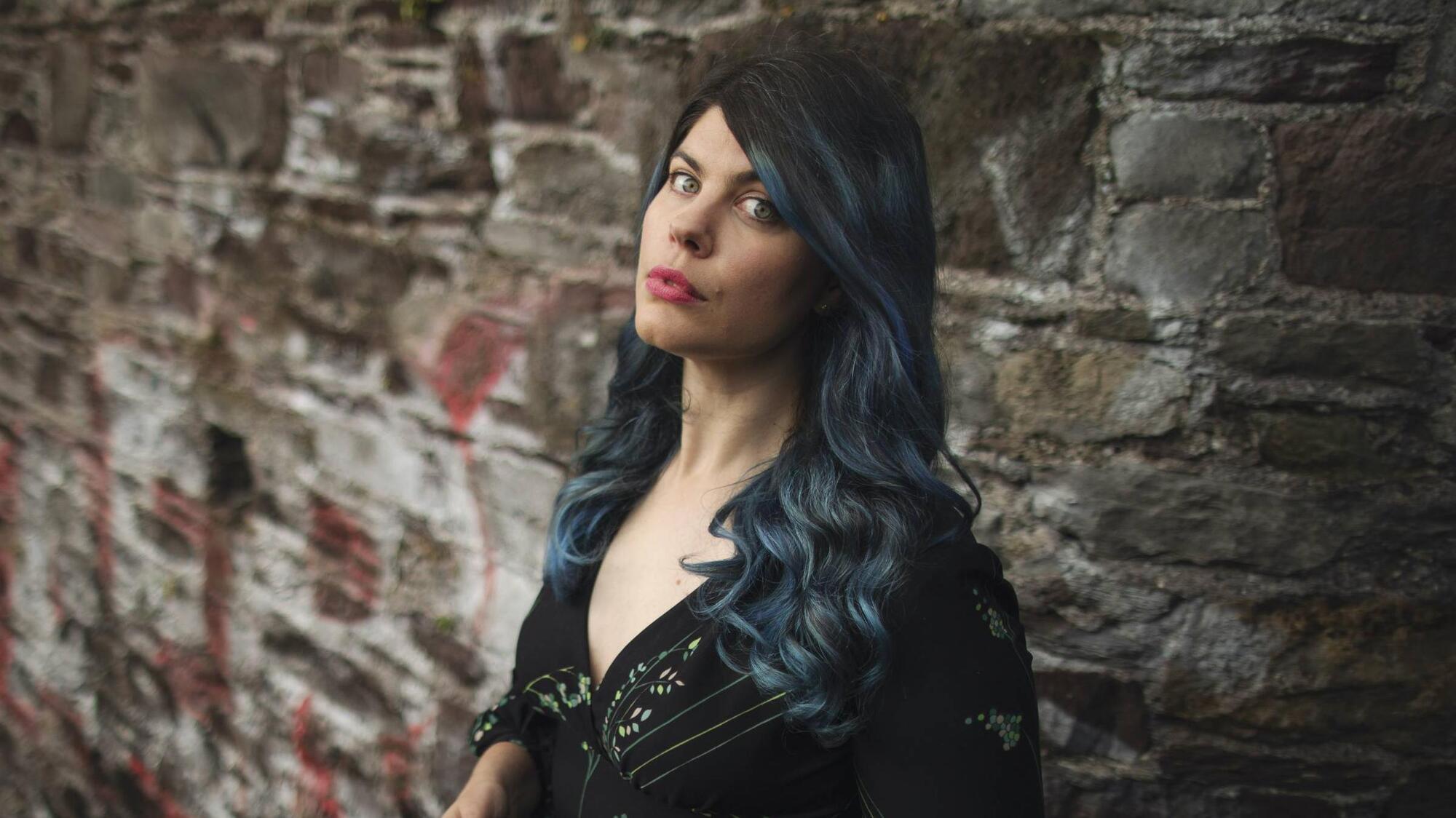
Jennifer Thorp. author of Learwife, has been based in Cork in recent years. Picture: Cathal Noonan
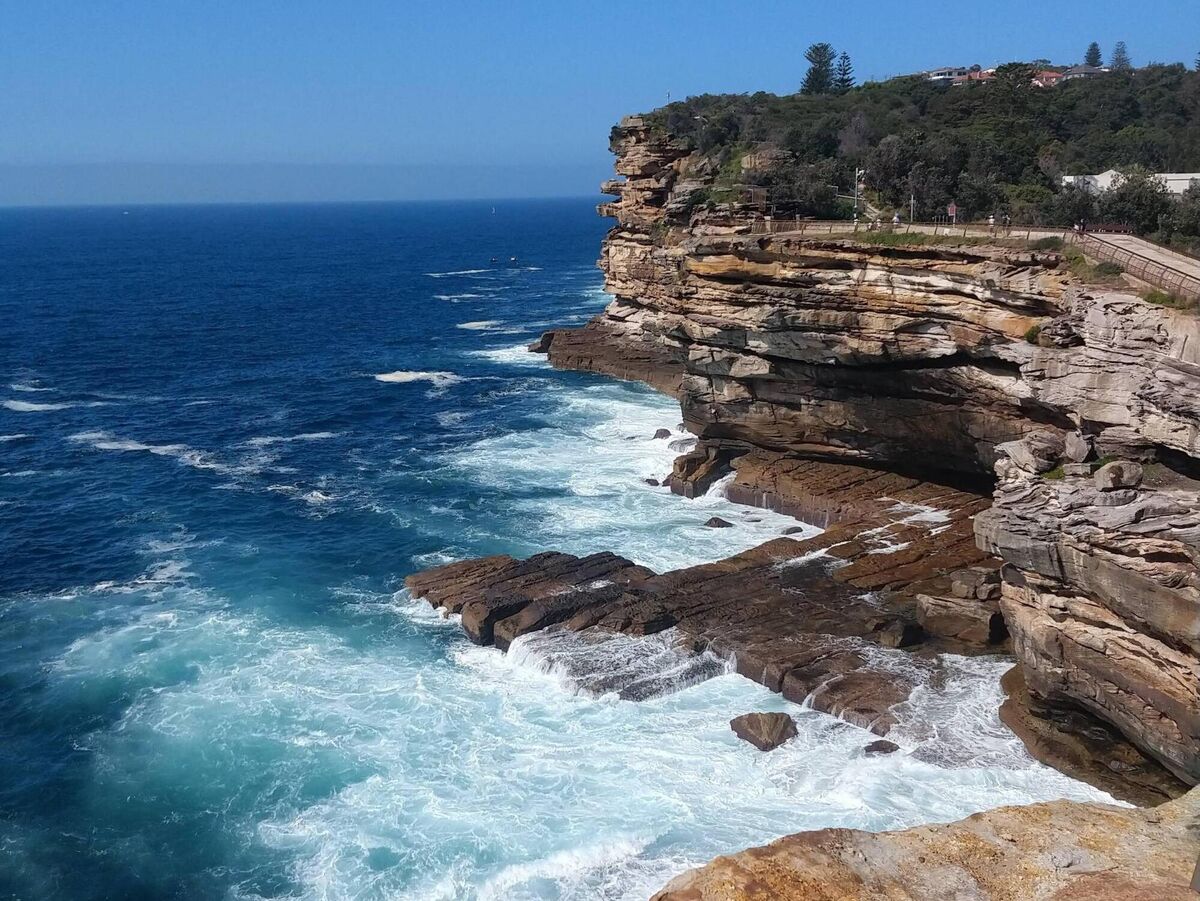
I grew up on what was once the distant easternmost tip of Greater Sydney Harbour, in a place that used to be the exclusive province of fishermen, antisocial marsupials and the Navy, and has now, in the manner of many such areas, been enclosed by Sydney’s formidable sprawl. The fishermen’s cottages are now bijou real estate and the waterfront views are surveyed by millionaires, instead of furious feral cats and the occasional illegal shrimping operation. It’s been eleven years since I lived in Australia, but the memories of summer on that salt-crusted spit remain.
Australia in the summer months is an entire ecosystem built around road-shimmering heat. Various animals and insects depend on temperatures that will make the steering wheel of your car too hot to touch. You can easily tell that the mercury has gone above 28 degrees, for instance, because that’s the point when male cicadas will begin their creaking battery of song to attract mates, walloping your earlobes from every shrub. In Ireland, the mark of summer is long, glimmering hours of sunlight till late; in Australia, it’s the cicadas starting their hollering just after sunrise, as you stumble out of bed to an already-parched day.
If you’ve slept at all, that is. Australians overseas often swap affectionate stories about the hell of sleeping in 30-degree-plus nights, where your body touching a mattress yields so much sweat and salt that it’s barely possible to contemplate resting, and overhead fans simply move hot air over your face in waves. Some people swear by midnight cold showers, others by soaking sheets in water. It remains strange to me to walk into European houses with bedrooms on the top floor, to gather the heat; in Sydney every house I knew put bedrooms in subterranean places, the shadier the better, basements preferable.
When I was a child, we began our long school holidays in November, but the mercury would always begin creeping in the months beforehand, and last well into the New Year. In the days before social media, there were perpetual rumours at every school that the government would send us home when the temperature reached some illusory, never-actually-reached point: 35 in one place, 40 in another.
I never witnessed this happening anywhere, but I did experience a heady day in primary school: a heatwave prompted the school to encourage the entire student body, swimsuits or not, into our basement pool. We didn’t question it; we dived in by the dozen with uniforms on, and hit one another with pool noodles. Looking back, I suspect something significant must have happened - a power cut, perhaps, which occasionally occurs in summer as air conditioning places unimaginable pressure on the grids - for my otherwise highly conservative girls’ school to toss over 100 kids into cold water.
**********************
In my experience, when people talk of the beauty of hot summers anywhere, what they really celebrate is relief: the moment of crashing into cold waves after roasting in the sand for a good half an hour, or biting into a watermelon slice after a parching ferry ride, or wandering out of the air-conditioned airport, jet-lagged out of your mind, into the soft wall of brilliant, sour-smelling summer heat.
Other particular aspects of Australian summer are more difficult to explain. When I was around ten or twelve I stepped outside barefoot onto terracotta tiles into a Sydney summer evening, and experienced something I’ve never felt before or since: total sensory confusion. I looked at the thermometer and tracked, from my science classes, that the outside air was exactly human body temperature, 37.5 degrees Celsius, and that the humidity was sufficient for the atmosphere to feel strangely heavy.
The sky was bloody - sunsets over Sydney can look as if they’ve come to tell you your entire family is cursed - and I felt as if I were experiencing no weather at all, that I was in some kind of sensory deprivation chamber perfectly mimicking the womb. My body simply didn’t recognise where its boundaries ended and the rest of the world began, and if I hadn’t had the slightly-hotter tiles under my feet, I would have felt like I was flying, or about to sink into the earth. It was terrifying.
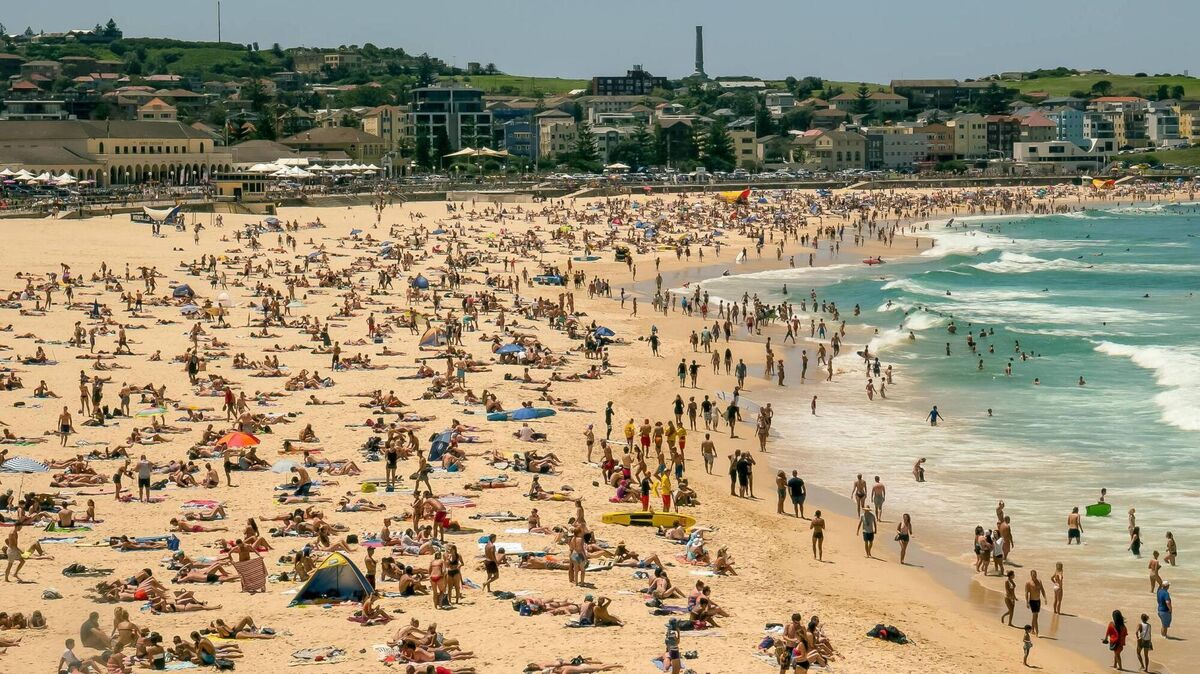
My Welsh spouse has experienced exactly one Australian summer, and the stories have lasted for nearly ten years since. They heard the fruit bats screaming through the summer night intent on making as much whoopee as possible, and I taught them to extract the little beads of nectar from honeysuckle flowers - gently remove the largest stamen in the middle of the flower, nip off the tiniest part of the stem with your thumbnail, and suck. We went to the tiny local beach and I explained patiently that the most likely problem was not going to be sharks, but sand so hot the soles of your feet would begin to burn unless you ran over the dunes.
On one 42-degree day in late December, they announced they’d go outside to try and cool off in our tiny backyard pool, a 10ft long saltwater puddle which gathered huge clumps of itchy spores from our backyard trees. They went out, carrying a beach towel, then came back in approximately ten seconds later.
I will not be swimming today, they said, in a remarkably neutral tone of voice. There is a dead possum in the pool. And they left the room.
And there was; floating, Sunset Boulevard-style, while we fished at it with pool scoopers and wondered what on earth had befallen it. The current theory is sunstroke, which made it fall out of some overhanging trees into the pool and drown, but it may simply have attempted, like many kookaburras and the occasional enterprising lizard, to go for a cooling dip.
Living near a national park means this sort of thing happens often, though you’re just as likely to see a bird fluffing its wet feathers in a sun-spot as you are to see it beating a snake to death on your garden table. Australia’s nature is neither benign nor particularly interested in being palatable. It’s also, apparently, hell-bent on terrifying the Welsh.
**********************
The childhood summers I remember, with weeks of vaguely comfortable basking heat, will likely never happen again. Australia is at the lip of the climate change abyss; every year the fire seasons become worse, feeding on drought-riddled dry brush and tinder, and more records are broken for highest temperatures. They’re the sort of gold medals even a sports-obsessed country doesn’t want.
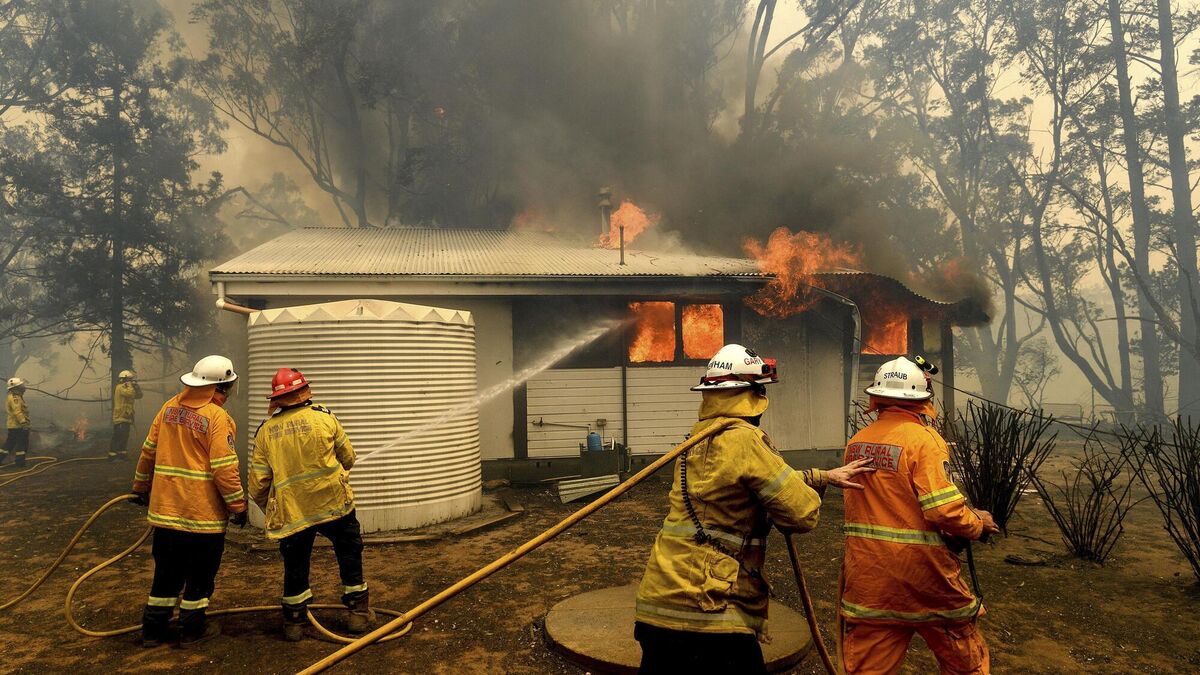
Increasingly, the Australian summer feels like a vision onto another, brutal world, showing it in vivid, searing-red colour. Climate change may not seem like an immediate problem for Ireland, not right now (warmer summers? What a chore!), but the factors engineering Australia’s hellish hot seasons are not restricted to the Southern Hemisphere. They’re here already, and they’ve set things in train that will change how we eat, build, work and live. Australians overseas who sat glued to the news with terror in the summer of 2019, as bushfires killed over three billion animals, know the time for nitpicking conversation is over. The future’s here, and it needs action now.
Every Corkonian I’ve met has some Australian connection: an aunt or uncle that went out for the weather or the jobs, and now exhorts everybody to take the 25-hour flight and visit. That cultural closeness makes me feel more at home — plus everybody here swears like an Australian — and it’s also a tie to remind us, in this country of balmy, sodden hot months, that things hang in the balance. The summers are shifting beneath our feet.
- Jennifer Thorp is from Sydney, Australia, but has been living in Cork. Her debut novel, Learwife – imagining the story of King Lear’s wife - was widely praised on publication last year. She will read from the novel on Sunday, July 10, at noon at the Maritime Hotel in Bantry as part of West Cork Literary Festival.