Downton Abbey review: hot jazz, mysterious aristocrats — and disapproval from Mr Carson

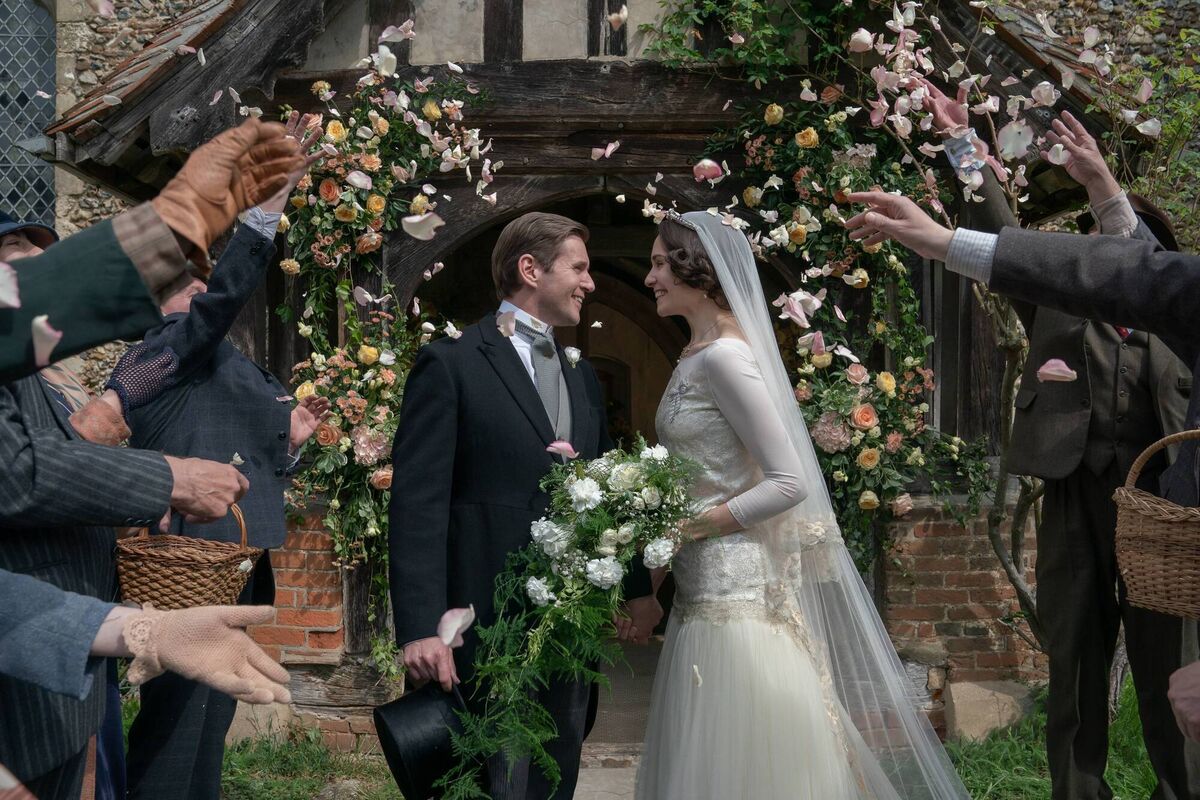
Harry Hadden-Paton stars as Bertie Pelham, Laura Carmichael as Lady Edith, Tuppence Middleton as Lucy Smith and Allen Leech as Tom Branson in Downton Abbey: A New Era, a Focus Features release. Picture: Ben Blackall
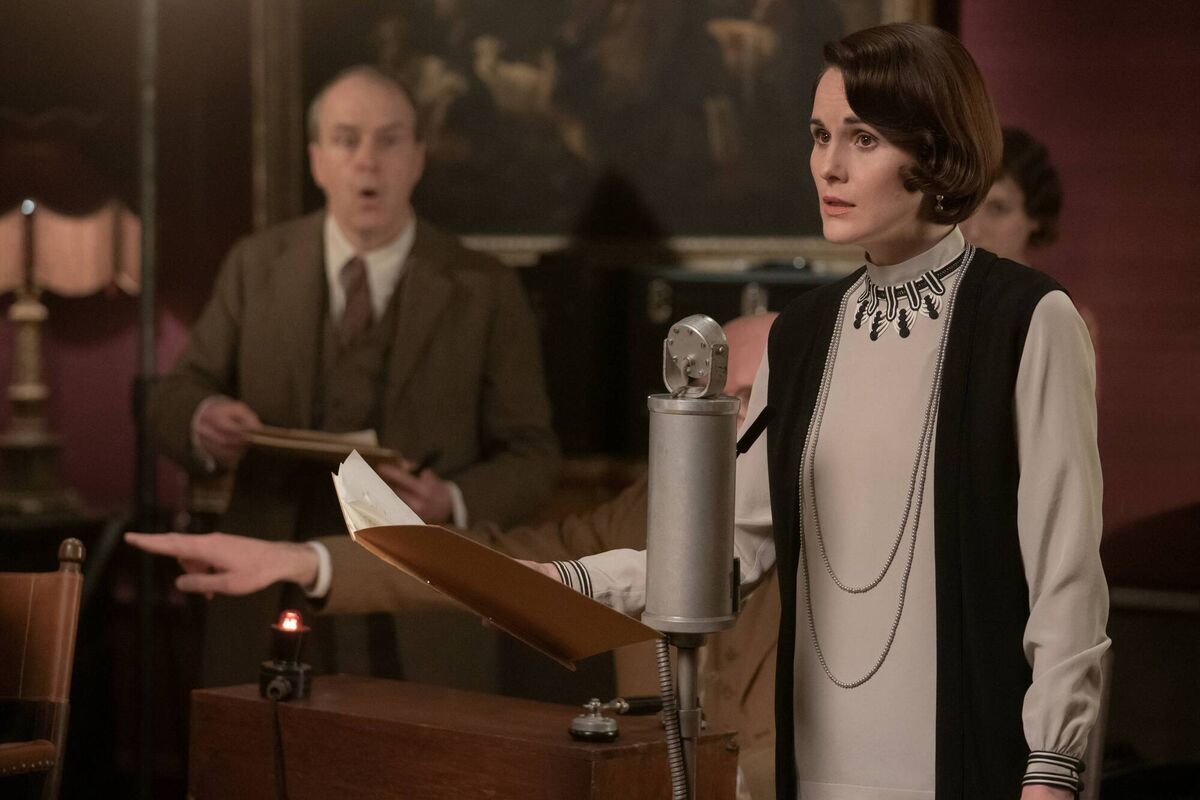
Pesky modernity, eh? (PG) opens in the late 1920s, with Downton throwing open its doors to those most rapacious pioneers of 20th-century progress, the motion pictures.
When Lady Mary (Michelle Dockery) agrees to allow director Jack Barber (Hugh Dancy) to use Downton as a set for his latest film (a travesty, according to Mr Carson (Jim Carter), that “smacks of the worst excesses of the French Revolution!”), Lord and Lady Crawley (Hugh Bonneville and Elizabeth McGovern) flee to the south of France, where Lady Violet (Maggie Smith) has just inherited a villa.
But exactly who is the mysterious French aristocrat with whom Lady Violet spent an ‘idyllic interlude’ during her oat-sowing years?
As the movie people upend the traditional hierarchy at Downton, and the Riviera exiles find themselves in a exotic world of palm trees, hot jazz and French flappers, it seem as if the Granthams are finally to be dragged kicking and screaming into the future — which is, of course, the last thing we want when we’re luxuriating in a period drama.
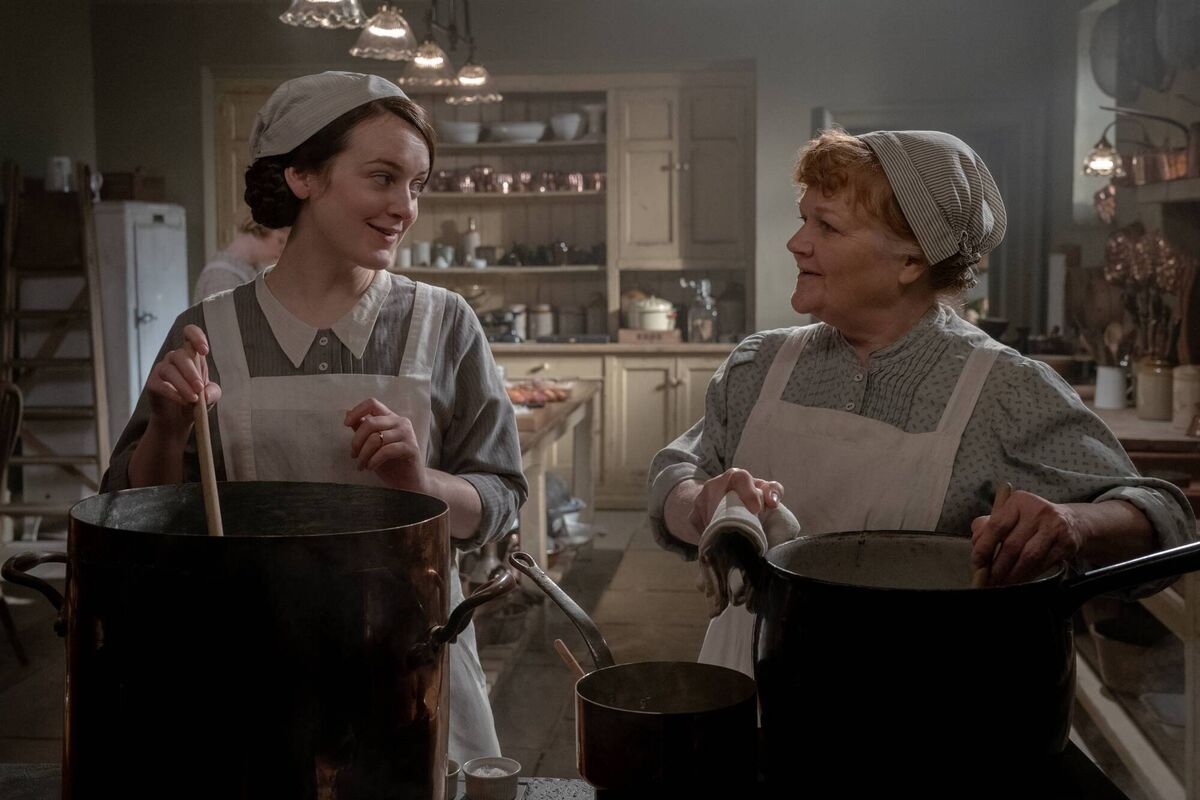
Happily, tradition, experience and mellifluous diction still have a lesson or two to teach the brash upstarts of the Roaring Twenties: while some things must inevitably change, Lady Violet will always be the imperious chatelaine of Downton (and Dame Maggie Smith will always act everyone else off the screen). As a standalone film, Downton Abbey: A New Era doesn’t quite convince — there are too many characters clamouring for our attention, and the parallel storylines feel like two TV episodes spliced together — but fans craving the latest instalment in this most lavish of soap operas are in for a treat.
(cinema release)