Alice Taylor: 'If we wrong nature, we’ll pay a terrible price'
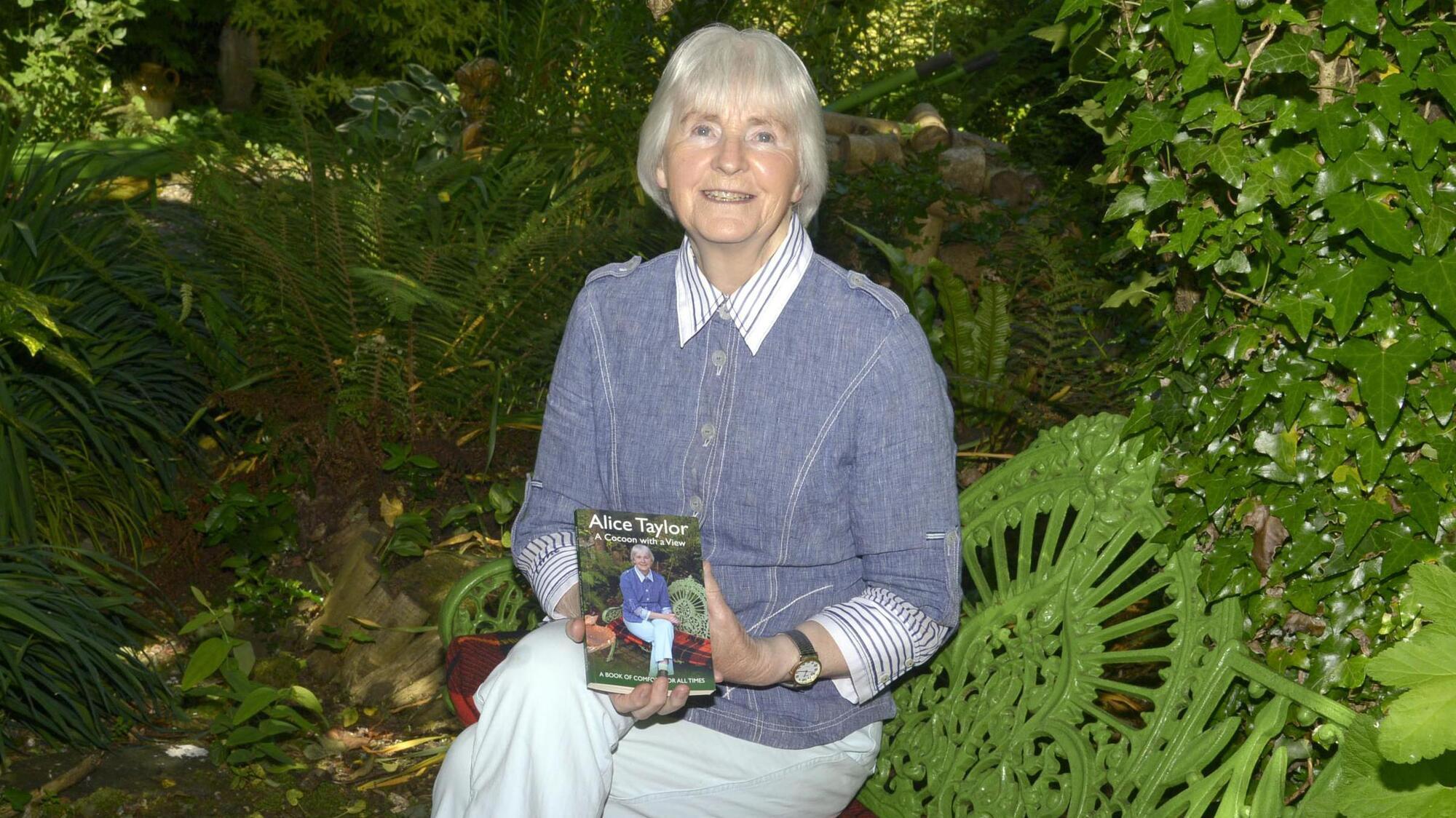
Alice Taylor. Picture: Denis Boyle
Alice Taylor, 83, grew up on a farm in Lisdangan, Newmarket, along the Cork-Kerry border. In 1961, she moved to Innishannon, Co Cork, when she married. In 1988, she published To School Through the Fields, the first of several best-selling memoirs about life and customs in rural Ireland. Her latest book, Tea for One, is published by O’Brien Press.
The first book that influenced me was Charles Dickens’ Oliver Twist. It was the only book in the house. There weren’t that many books in farmhouses of rural Ireland in the 40s and 50s. As a result, I read it about 10 times [laughs]. Being a child, I identified with Oliver. I felt so sorry for him that he had been in an orphanage and so hungry. One thing about being on a farm, you mightn’t have many toys or any great comfort but you were never hungry. I found his predicament appalling.
In that time, we would have traveling theatre groups coming to the town. They were called “fit-ups”. They used to rig up a makeshift stage in O’Brien’s Hall in Newmarket, with curtains in front of it. We stepped back into another world. We were slightly in awe of the actors. I kind of forgot that there were real people; they assumed the personality of the actors they were doing on stage. The two worlds were kind of submerged.
We used to go on holidays to Ballybunion. The fit-up theatre companies were there as well. Annie D’Alton, who later became Minnie in The Reardons, had a travelling theatre group. I remember seeing her company do My Cousin Rachel, which was based on Daphne du Maurier’s novel. The standard was incredible. I can remember watching it and the hair standing on the top of my head. I was a young teenager at the time. Oh, I loved it. They had hardly any props or anything. It was totally up to their acting skill. They were amazing actors and actresses.
Growing up, going to the cinema in Newmarket was wonderful. It meant walking three miles into town and three miles out after the film. We loved musicals. Seven Brides for Seven Brothers was my favourite. We’d learn the songs you see. We’d be singing the songs going home the road, like By the Light of the Silvery Moon. They were pure fantasy really. These beautiful dresses, the colour and the lavishness – that time in rural Ireland we didn’t see style like that. And the dancing. When you think about it now, you realise the stories were totally far-fetched, but they were absolutely believable to us.
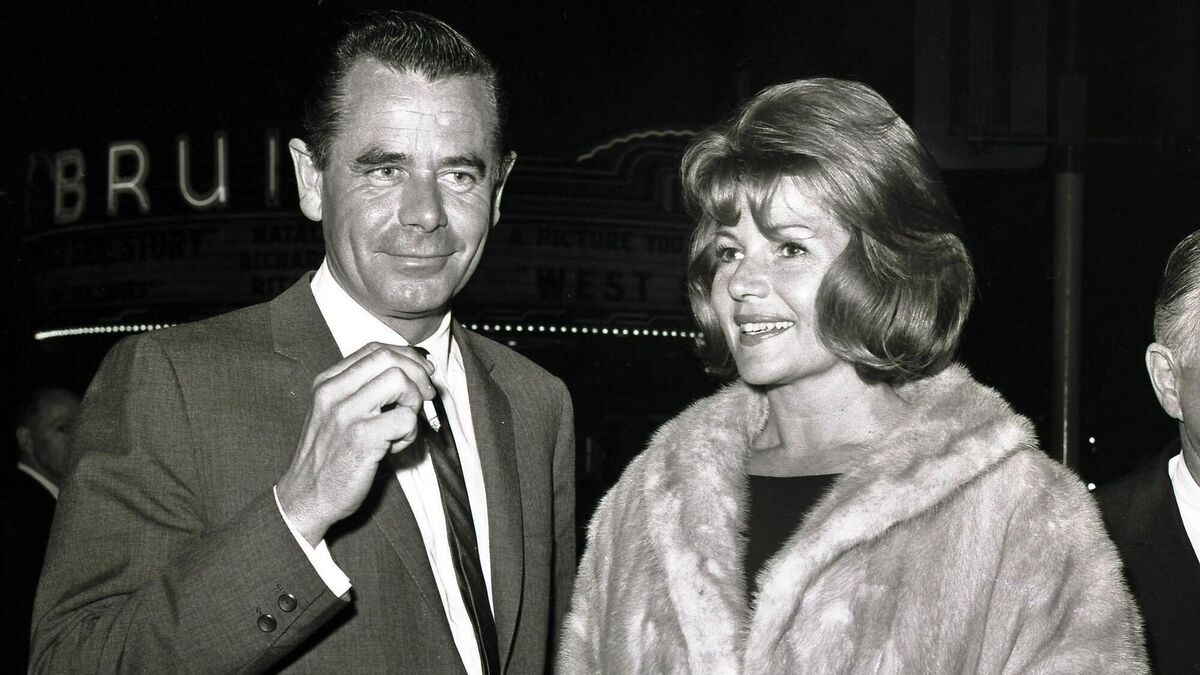
I was into film stars big time. We had a great newsagent in town. I used to buy film magazines to read about Jane Russell, Rita Hayworth, Marilyn Monroe and all these glamourous ladies. I’d save up my money and buy them on Sunday when we went to mass. It’d be the pictures really that were of interest, which gave a glimpse of their lifestyles – swimming pools and all sorts of luxuries. We’d seen them in the films so we were curious about their lifestyles. They’d be attending amazing parties and traveling to exotic places. A little bit of another word, a totally unreal world.
I always liked Jennifer Johnston. I always loved Maeve Binchy as well. If you wanted total relaxation, I used to think Maeve Binchy was like opening a big box of chocolates. Whereas with Jennifer Johnston, there was dark patches that could put a bit of stress on you. It depended what you needed at the time.
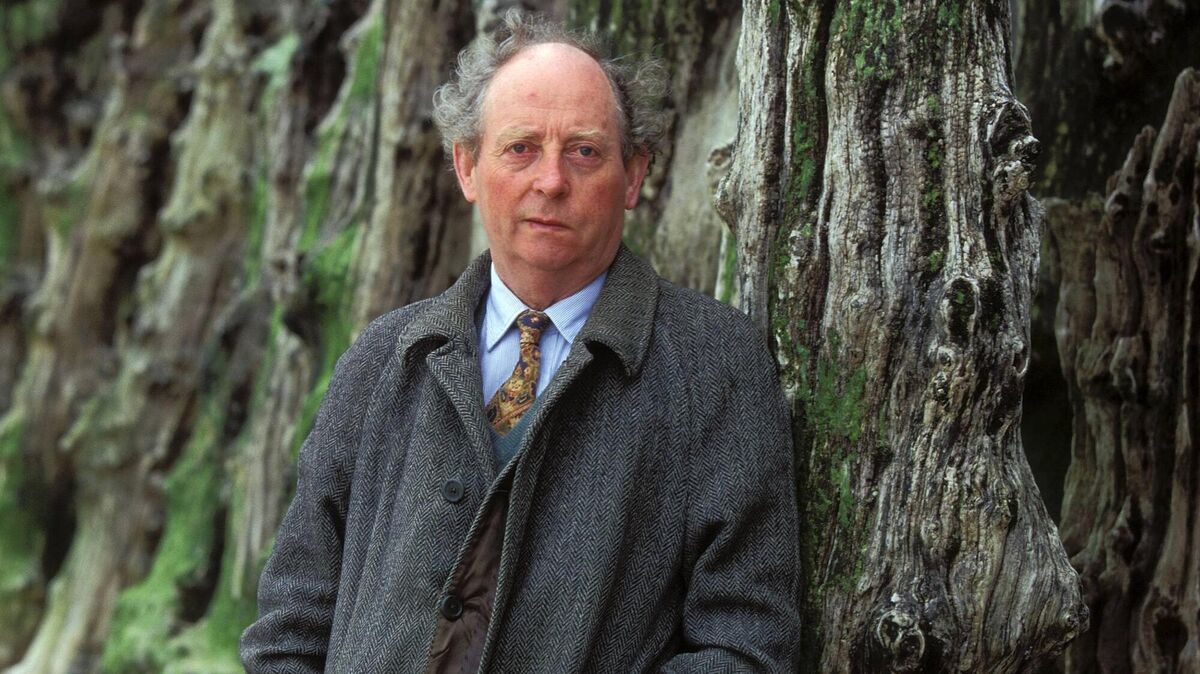
I love John McGahern. He put a lot of himself into his books. I remember the first time I ever read his book The Dark. It was in the 1960s. I remember reading it and it really gripped me. I kept my eye on him from there on. He depicted the Garda barracks and the father so graphically. You were almost afraid of the father. There was something about him that was scary – a hard, intimidating man. The father was a towering presence in all John McGahern books. In a way, wasn't it the father who made a writer out of him?
Growing up on a farm shaped me. It was being around fields, animals, trees, birds and the dawn chorus. My father was very into preserving nature. He was away ahead of his time. He taught us to have great respect for water and trees. There was a small river at the bottom of the farm. We didn’t call it a stream, we called it a “glaishe”. He used to check the water. We had geese and ducks. He was afraid they would pollute – along with the cow’s slurry – the water. He was hugely conscious of keeping the water clean for trout, salmon and eels. He never cut trees. He planted trees. He used to say: “It takes a tree a whole lifetime to grow and a fool can cut it in five minutes.” He was always thinking about the balance of nature. His chant to us was: “If we wrong nature, we’ll pay a terrible price.” What he said to us soaked in.
I was one of five sisters. When you went to dances long ago, you had to learn to dance before you went to your dance. You had to learn how to waltz and do a quick step, a samba, a Haymaker’s Jig and the Siege of Ennis. You’d practice around the kitchen floor. Otherwise, you’d get in the way on the floor – impeding the people who could dance.
There’d be house dances that time. There was always somebody who could play the fiddle or accordion. They’d provide the music and we’d dance the night away. Or there’d be somebody who could do “pus music”. They’d make music with their face, going diddly-diddly-dee, mimicking the sounds and tempo of an instrument with their face. It would be known as improvisation. There was dancing programmes on the radio like Take the Floor. People danced to the music on them.
In winter especially people would be home from America because emigration was a big thing. The girls went to New York and Boston. A lot of young lads emigrated on their own to Oregon on the West Coast, farming sheep and cattle on big ranches. They mightn’t see a human being for six weeks. Their accordion or melodeon might have kept them sane. Every Christmas in Newmarket, there’d be reunions for them. What was known as “the Oregon man’s dance”. When I started writing my books, I wanted to preserve that way of life which was going, gone.