Culture That Made Me: Michael Harding on Dracula, Wuthering Heights and Buddha
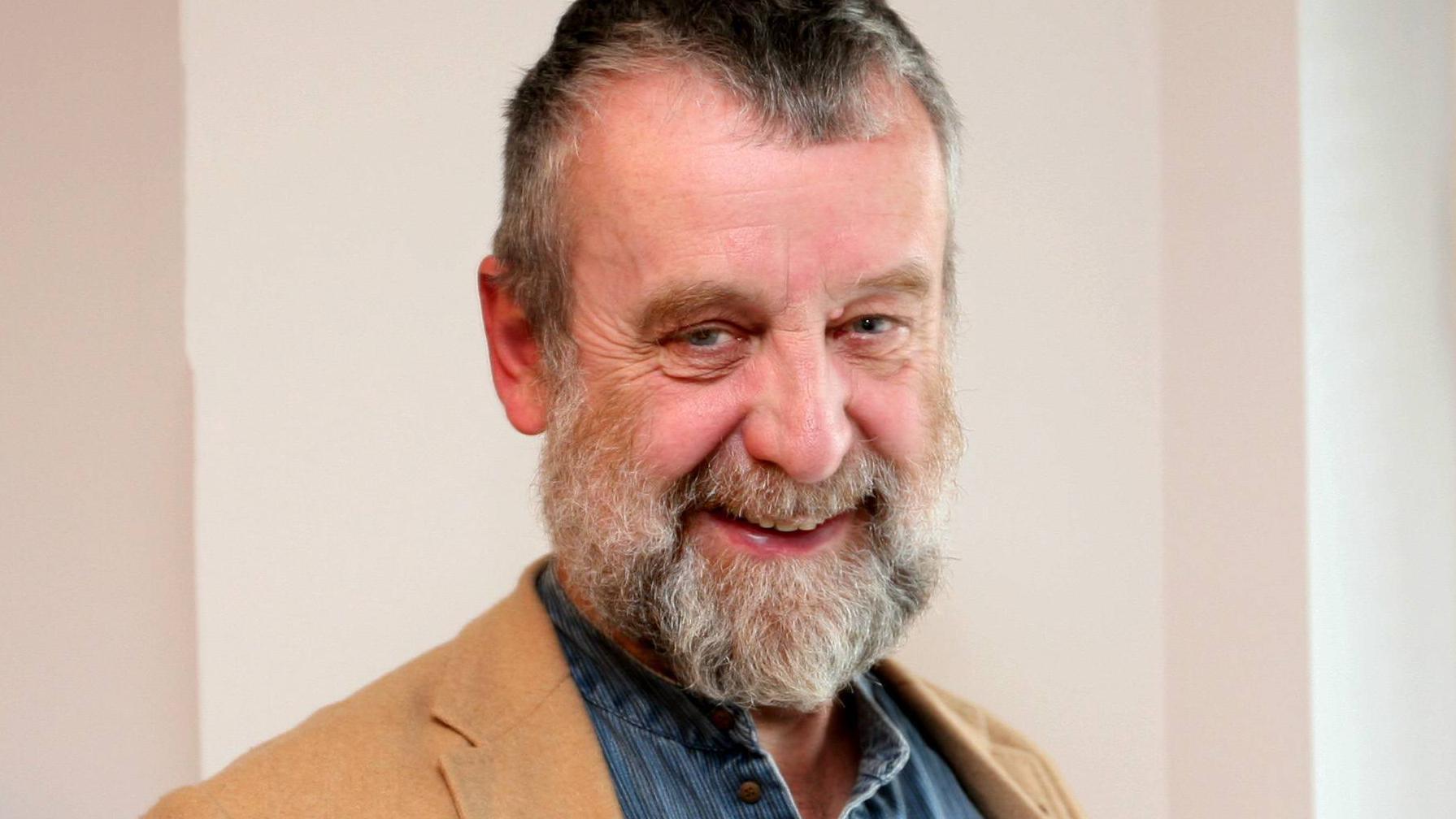
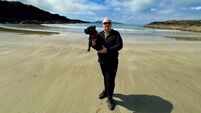
Author Michael Harding. Picture: Brian Farrell
Michael Harding was born in Cavan in 1953. He left the priesthood in 1985. Since then, he has been wearing many hats: novelist, playwright, actor, columnist and memoirist. He lives in Co Leitrim with his wife, the sculptor Cathy Carman. His latest book, A Cloud Where the Birds Rise, is a a celebration of finding beauty and hope in the ordinary. It is published by Hachette Books Ireland.
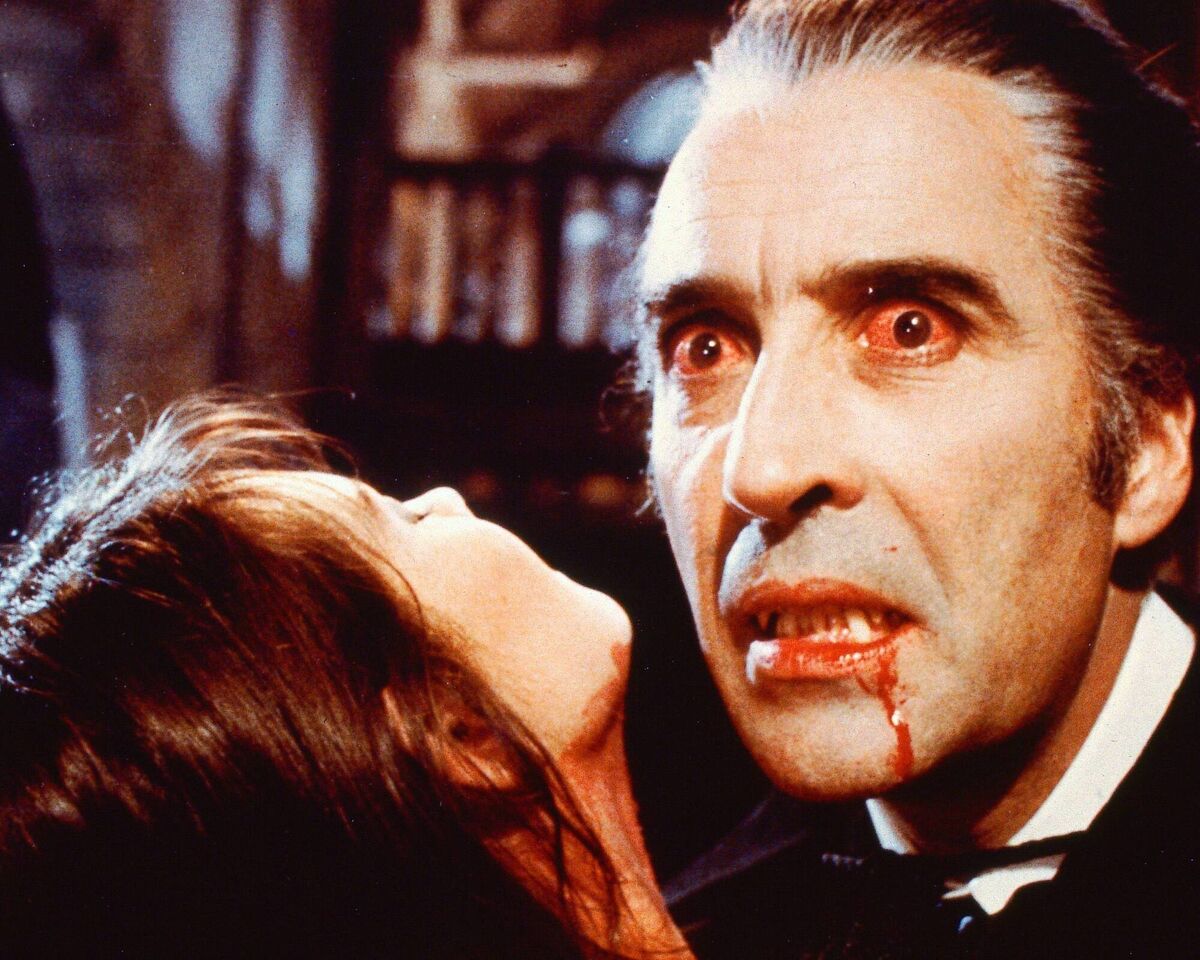
Growing up, I loved the Dracula films by Hammer Horror with Christopher Lee. It was the bee’s knees – terrifying, watching them in the big cinema with velvety upholstery on the curtains of the screen. Hammer Horror used to have the same velvety colours in their introduction of the movies. It was a really sensual experience. In those days, people in the cinema used to heckle the screen: “He’s behind you!”
Patrick Kavanagh’s collected poems were published by Tim O’Keeffe [working for MacGibbon & Kee] in 1964. As a teenager, it was a very precious book for me, one I kept with me for a long time. His poetry was written in the voice of ordinary people. It was easy to identify with, like listening to your own language. There was a fine poem called Pegasus: “My soul was an old horse/Offered for sale in twenty fairs…” Basically, it was about not selling out to mediocrity of an ordinary life, and becoming a poet. It resonated with me as a young fella, wanting to be a writer.
My mother talked a lot. She told stories. What you would call “gossip”. As a child, I’d often be listening to her gossiping with other women. We might be in a grocery shop or visiting somebody on a Sunday afternoon. If there was a car accident, they’d be talking about the car accident, who was in it. Gradually, they’d be talking about who the driver was, who his father was, what they did for a living.
There’d always be anecdotes about people’s lives coming up to the surface. I found it very interesting. I could listen to her a long time and I had to listen to her anyway because she wouldn’t be stopped to talking. I realised years later that I got the gift of gossiping or telling stories from me mother.
I remember Tom MacIntyre saying to me: “You can only write if you’re in love.” To love another human being is probably the most important thing you can do in life so it’s the most important story. When you sit down to write some kind of revenge on the past or a story about revealing corruption, you’re not really in the best place. The best place is when you’re in love and you have this enthusiasm when you sit down to sing about that love by telling love stories. I could tell you stories about my mother, ordinary mundane things like how selfish or boring she was, but I’m really on song when I’m telling you how much in love she was. It’s what people like to hear. It’s why love stories are 99 per cent of stories that are ever told. Advice to a young writer writing a book or a movie: follow the love story.
The classic novel of all times is Wuthering Heights by Emily Brontë. It’s impossible for me to rationalise it as an all-time favourite choice (and I would go through periods where I’d have other favourite books). Possibly because it’s a love story. It’s gothic so it has that air of Dracula darkness. Also the love between the two of them, Catherine and Heathcliff, transcended human love. It's a monumental story.
The person I was obsessed with in the 1970s was Aleksandr Solzhenitsyn. His books focused on people who were in difficult situations and suffering a lot. I started with One Day in the Life of Ivan Denisovich. It was a simply told story about a man in a labour camp, the little bit of soup he got at lunchtime and the cruelty and hardship. It was stunning to realise this was going on – that this was the contemporary truth of Soviet culture. It was a big revelation politically to me that the Soviet system was so dark.
He was also a beautiful writer. The ideas didn’t carry the books. It was more the characters within them. The light in Solzhenitsyn was the sense of the soul, the spiritual courage of a human being standing up against political oppression.
The most recent play that knocked me back was Jerusalem by Jez Butterworth. I saw it in London about 10 years ago. Mark Rylance was the star in it. He is on stage for nearly the entire play. It was an extraordinary performance. It’s about a guy called “Rooster”, what you might call a semi-crusty. He’s living in a caravan at the edge of a park in England. The parents of the local kids are uneasy because he has an influence on their kids, which they would imagine is a bad influence. As a play about human nature, it was astonishing.
A thing that really set me on fire was Pina Bausch’s dance theatre company. She was a choreographer. I first saw one of her productions in Venice in 1981. A dance theatre tradition is something we don’t have in Ireland. We tend to follow Anglo-Saxon theatre culture, which is very logical and rational. It’s about language. Theatre from the neck up. People arguing their emotional relationships out.
This was my first experience of a deeper, European theatre tradition, which was about movement and gesture and symbol. It wasn’t a psychodrama. It was a dream drama. It was astonishing to know there were such things in the world being written. It was a pivotal moment for me.
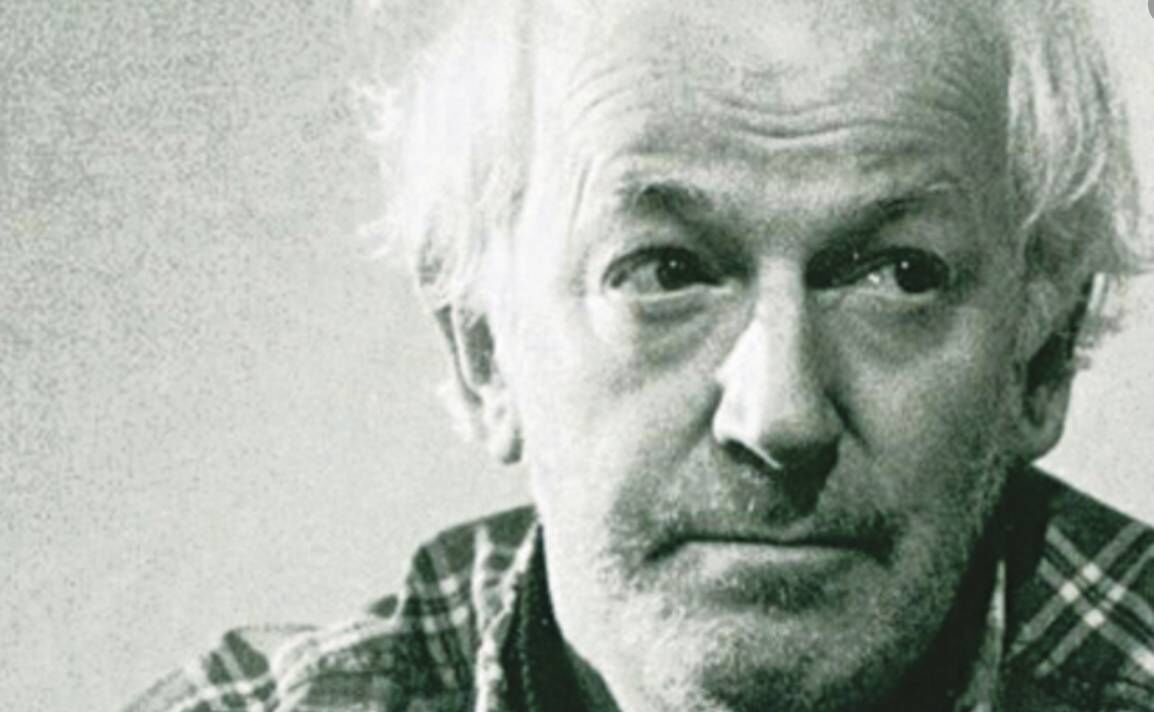
Tom Hickey was incomparable in Tom Murphy’s The Gigli Concert in its first production. It was a legendary performance. There was something about Hickey that was very powerful physically on stage. You’d see people on football pitches and you can watch their physicality. It’s like they have a physical intelligence. What inspires me is theatre which is like that. He was one of them. He was an extraordinary theatre actor.
Buddhism has given me a framework to experience detachment – to not be totally caught up in the things that you want and love, not to be always grasping, not to be negative about things. People get very attached to things, even to their partners in relationships. Mostly, we get too attached to our own sense of our self – that I am Number One and the absolute centre of the universe. Buddhism, if you want it in a nutshell, taught me about detaching yourself from those ideas.