David Harewood on growing up with racist abuse and the psychotic breakdown he suffered
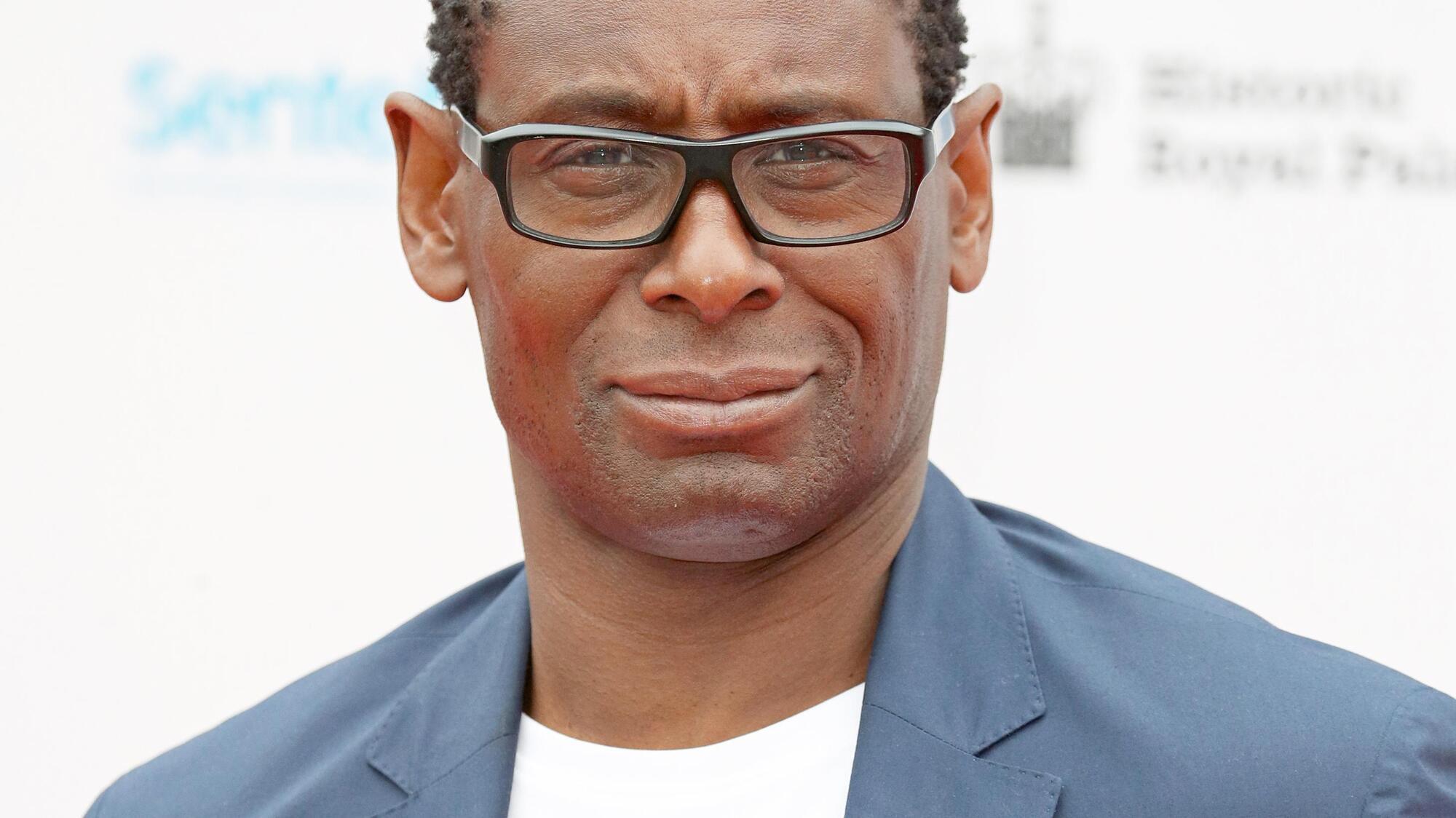
Actor David Harewood (Andrew Matthews/PA)
Acclaimed actor David Harewood, star of Homeland and Supergirl, was just 23 and fresh out of Rada when he suffered a psychotic breakdown, during which he had to be physically detained by six police officers, sedated and then sectioned under the Mental Health Act.
He had spent weeks walking all over London talking to strangers and blacking out, waking up in a different part of town hours later, with no idea what had happened in between. Recreational weed smoking only exacerbated the situation.
Eventually, after a particular episode dominated by the booming voice of Martin Luther King in his head, several friends took him to hospital.
âI was highly disturbed and I do remember being physically restrained and I was absolutely terrified. Iâd lost my mind. The demons were coming to get me. But I was really lucky to come through it,â the actor says today.
In 2019, Harewood, now 55, appeared in the BBC documentary Psychosis And Me, in which he charted his ordeal, and has now followed this up with Maybe I Donât Belong Here, his written account in which he describes how he has come to understand the extent to which his psychosis and subsequent treatment was rooted in race and racism.
His Barbadian father, Romeo, had been sectioned when David was 15, and diagnosed with hypermania, and the book became a love letter to his father, he says.
The actor, who has spent the best part of the last decade in the US and Canada because of better job opportunities, explains: âWith the death of George Floyd, I started thinking about what the whole Black Lives Matter thing was trying to say.
âIâd seen the marches around the world and the outpouring of support and revulsion and started to notice that in England there was this hesitation to support, or instantly there was a rejection of Black Lives Matter, an instant (attitude) of, âOh, that doesnât happen here, thatâs in Americaâ. Actually thatâs not true.
âIt made me think of how difficult my youth was growing up. This âdenialismâ that we are so good at in England was a real spark for me to try to find a way of navigating into the argument, which wasnât trying to shout at people.â
Harewood was born in Birmingham, the son of Barbadian parents who arrived in Britain in 1957 looking for a better life. From a young age he and his family were subjected to racist attacks, from a brick through the window to excrement through the letterbox.
His parents warned the young David and his three siblings that there were certain white people who didnât like them and were told to watch out for one another whenever they left the house.
âI grew up watching Benny Hill, Tommy Cooper and Freddie Starr and loving it, and naively feeling that I am those people,â he recalls.
Yet racism was on his doorstep, he observes and the âwalk from home to school was terrifying as a kidâ as he didnât know if he was going to be attacked, have something thrown at him or receive racist abuse.
He adds: âBut when I got to school I could be a clown and the life and soul of the classroom. Thatâs what led to me being an entertainer.â
When he was seven, he was playing alone in the street when an older white man approached him full of hatred and anger and told him, in no uncertain terms, to get out of his country.
Today, he reflects: âThat was the start of this crack in my identity. People say to me, âItâs in the past, forget about itâ but itâs who I am. Thatâs what led to my breakdown.â
He was sectioned for five days in a psychiatric hospital before returning home to his mother in Birmingham, where his mental health dipped again and the hallucinations and delusions loomed large, which resulted in another short stay in a locked psychiatric unit until he was discharged with a large supply of fog-inducing anti-psychotic drugs.
Slowly he recovered and as his mother gradually reduced his tablet intake he got back much of the energy heâd been lacking and finally returned to London to pursue his acting career, largely in the theatre, later becoming the first black actor to play Othello at the National Theatre.
But the TV roles he secured were minor, which frustrated him. Then, when he was almost broke, he was offered the role of CIA counterterrorism director David Estes in the American espionage thriller Homeland alongside Damian Lewis.
âAfter 30 years of struggling, I was down to my last 80 quid and was taken by the Americans and put in a really prominent position in a great TV show. It has turned my entire career and life around.â
He says itâs easier for a black person to get meatier roles in the US than in Britain, despite the racism issues there.
âThe roles I had in the States donât compare with the TV roles Iâd had for the previous 10 years in England, when I just didnât have central roles. It was really frustrating coming on and doing a couple of lines here and a couple of lines there.
âThereâs a fantastic young generation of black British talent â John Boyega, Daniel Kaluuya, Michaela Coel â which is just storming the world, and thatâs tremendously exciting. Most of them are making movies in America but I hope thereâs an industry here that can cope.â
Filming in LA, New York and Vancouver has meant long periods away from his family, wife Kirsty and their two teenage daughters, who have remained in London.
âWe decided early on that we didnât want to raise our children in America and Iâm quite glad about that. Itâs an insane country right now and scary. I didnât want to bring them up in that environment. As my career has got busier itâs difficult, but we have FaceTime, so I can still see their faces.â
He spent the first six months of lockdown in England and then nine months in Canada, where he was filming, which he says was really difficult.
âBar Covid, itâs been manageable. They enjoy coming out and spending time wherever I am and itâs been a joy to see them experience the world and different cultures.â
He is recognised over here but people often mistake him for another famous actor, he says.
âIâm constantly being confused with Idris Elba, which I always find hilarious. I remember a day when this guy came up to me and said, âI really like your work â whenâs Luther back on?â â
He reflects that racism in the US is more openly tackled than it is in the UK.
âIâm not saying America is the promised land in any way,â he notes. âRacism fear really upset me as a kid and I didnât want to deal with it, whereas in America you have no choice.
âParents will sit their children down and say, âThese are the things you have to be careful of: the police, the authorities etcâ. You have to educate them to the threats they are likely to encounter. I was too busy dealing with it on my own.â
âThe scars of slavery and the struggle for black emancipation are much more prominent and understood, and are much more of an open wound in America,â he continues. âOver here, we donât have the numbers to have these great civil rights movements.â
He has been having therapy on and off since the age of 27, most recently when the documentary opened old wounds which he needed to deal with.
âItâs been really helpful to be able to talk to someone about those issues that come up in my mind, a non-judgmental voice who can pose questions and help me understand why I am thinking that way or give me another side to the coin.â
Since the documentary, many have approached him to thank him for addressing the problem of mental health.
âMy career has actually blossomed since talking about it. We are on the cusp of a real revolution when it comes to bringing mental health to the fore. I canât tell you the amount of tweets and messages I get saying thank you. But thereâs still a long way to go to break the stigma.â