Space Invaders return: 'It’s the quintessential video game'
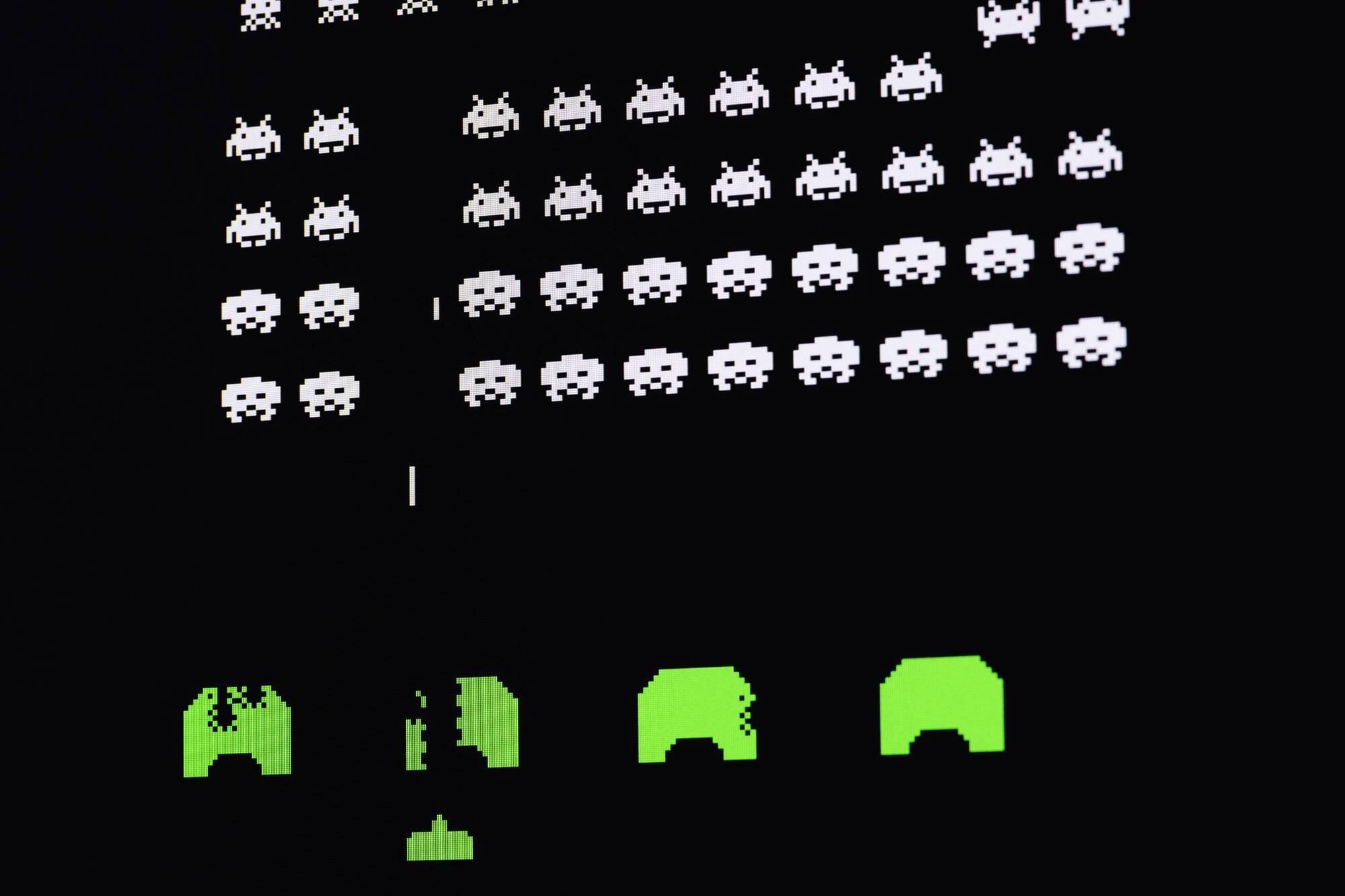
Space Invaders: descending upon Earth in classic arcade action
You might not have come near a videogame in decades, but with its single, ominous bassline and stark, simple pixel-art, you’d be hard-pressed not to recognise a game of .
Envisioned by designer Tomohiro Nishikado, and released in 1978 by arcade company Taito, the shooting classic was a product of its time and technology - and ended up helping the nascent videogame medium break the ceiling created by Atari’s Pong earlier in the decade.
Simplicity was the key driver in its success - there’s nothing but your trigger finger and some flimsy shields between you and a horde of hostile aliens, descending inexorably upon the Earth in faster, more aggressive waves, testing your reflexes and timing until the inevitable game over.
“It’s that quintessential video game: purely mechanical, addictive and hard,” says Corkman Jack O'Flynn, a cinematics artist at Dublin-based games outfit Larian Studios.
“The original game is now over forty years old, and it’s really quite hard to comprehend how far gaming has come since then. Now, we can conjure anything that comes to mind, and our machines are more than powerful enough to accommodate our wildest fantasies.”
Its pop-cultural impact was immediate - Invadermania swept Japan upon release, where it became a common installation not only in arcades, but anywhere businesses had a spare corner to keep people entertained.
Legend has it that the phenomenon caused a temporary shortage of 100-yen coins, while Pokémon creator Satoshi Tajiri was gifted a machine as a child by his local arcade after single-handedly paying for its cost three times over, in pursuit of the action.
The fever spread around the world - including to Ireland, where a small factory in Dundalk’s Cooley Mountains gamely undertook domestic assembly and supply of the machines - and so too did the series’ clout and notoriety.
“I get really excited when I see an original cabinet,” says Belfast podcaster and retro-gamer Richard Troupe. “I have to go up on it, it’s the immediacy of the experience, it’s almost transformative because it takes you back in time.”
While it captured the imaginations of musicians from The Pretenders to Yellow Magic Orchestra, and was parodied in among countless other cartoons, there was a reactionary backlash from an older generation, unsure what to make of the new technology - including the attempted ‘Control of Space Invaders (and other Electronic Games) Bill’, moved in UK parliament by Labour MP George Foulkes in 1981.
While technology and time progressed from the late seventies and into the eighties, subsequent games like and cleaved close to the template as other games franchises explored the surging potential of arcade and home hardware.
“It's hard, I think, at times to reinvent the wheel, and to reimagine that core experience that had. It can be difficult to take something like that and make it new,” says Troupe.
But for its latter critical foibles, the series’ cultural legacy was growing: mid-90s collaborations with sports brand Puma helped set the aesthetic tone for gaming’s retro movement; ’ Groundskeeper Willie cited -induced arthritis in his trigger fingers as an alibi in , while the comedic had players confront the ghosts of fallen foes from years gone by.
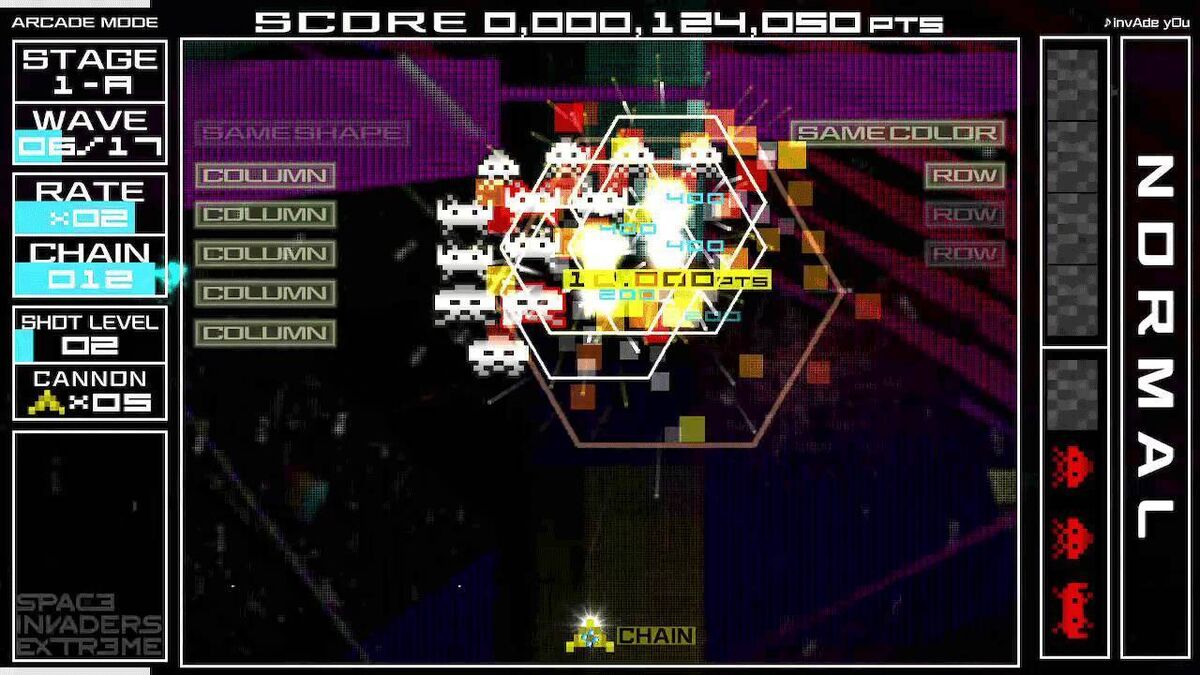
In 2008, the series finally experienced the truly modern update it deserved in , a smash hit on Nintendo’s DS handheld and other machines, providing a psychedelic, retro-futurist take on the formula.
“It became almost like a synaesthetic experience, blending colour and sound, that thumping techno soundtrack,” says Troupe. “They captured the essence of the game, but created something far bigger and more interesting.”
“I remember it was a joy to play,” says O'Flynn. “The perfect game to carry in your pocket - easy to pick up, and easy to put down, as it was blisteringly hard. The formula was in place, but there was a huge variation in enemies, sound and visual effects.”
And that’s where , out Tuesday for Nintendo’s Switch device, steps in. While not the most comprehensive overview of the series’ ongoing history, it does a fine job of hitting the big beats for casual players on the go.
The original game is present and correct, as well as several spin-offs and direct sequels, while and 2018’s four-player widescreen variant are testament to the series’ lasting appeal - worth the price of admission alone for those of us looking for quick blasting action.
- is available digitally for Nintendo Switch on Tuesday, €30 via the console’s eShop, and in limited physical editions via Strictly Limited Games.