Amy Winehouse: Ten years on from the day the music died
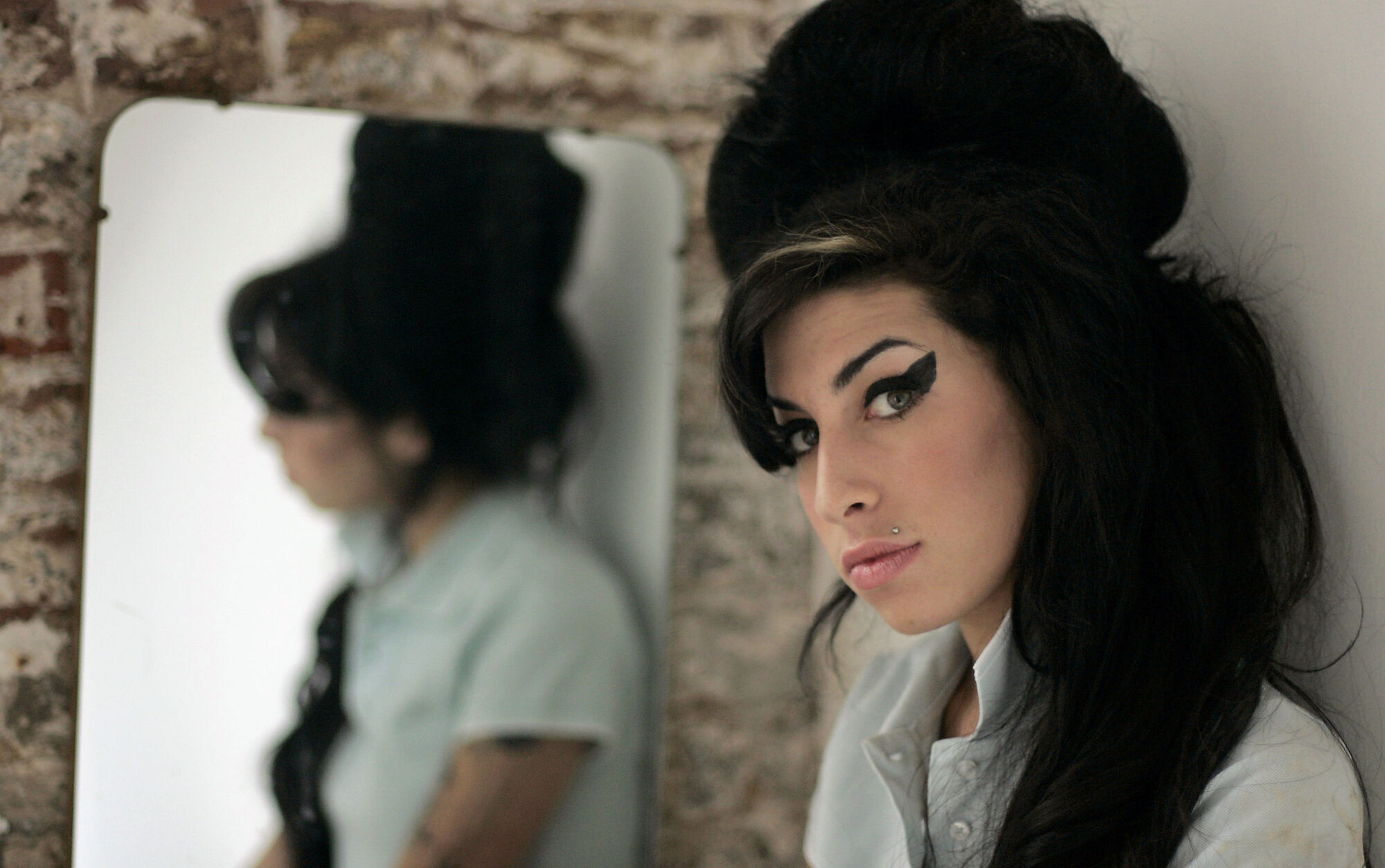
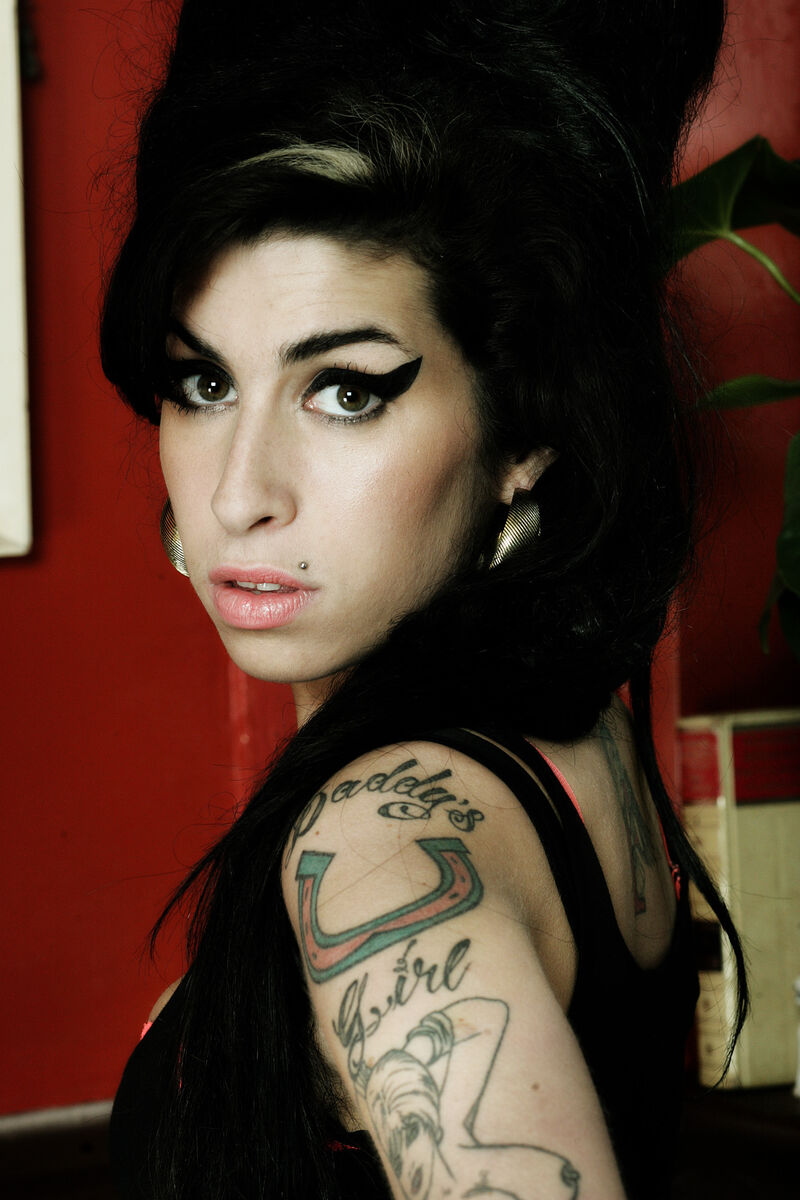
British singer Amy Winehouse poses for photographs after being interviewed by The Associated Press at a studio in north London. AP Photo/Matt Dunham
July 23 will mark the tenth anniversary of Amy Winehouse’s passing. Her body was discovered shortly after 3pm in the bedroom of her Camden flat by a bodyguard who’d assumed she was sleeping late. Her cause of death was alcohol poisoning. She was 27. Music had lost another icon heartbreakingly young.
Winehouse’s downward spiral was slow but, with hindsight, has come to be seen as inexorable. And a case can be made that the wheels started coming off in earnest not long after she basked in a brief moment of tranquility in Dingle.
In December 2006, some four and half years before her death, 22-year-old Amy Winehouse strolled the short distance from St James’ Church on Dingle’s Main Street to the sea. She pulled her small leather jacket close and adjusted her bee-hive hair. And she stared out over the grey waves stretching away from harbour. “It’s very peaceful,” she said. “I love it here.”
“She’d arrived in Dingle in difficult weather. She flew into Cork and someone went and picked her up and drove her through the hail and rain,” says Philip King, organiser of the Other Voices festival at which Winehouse performed on that crisp December day 15 years ago.
“She sang like an absolute angel. She sang herself to where singing comes from. That’s a Seamus Heaney quote: ‘sing yourself to where the singing comes from’. She did that. Me and Mr Jones, Back To Black, Rehab – she inhabited those songs totally.”
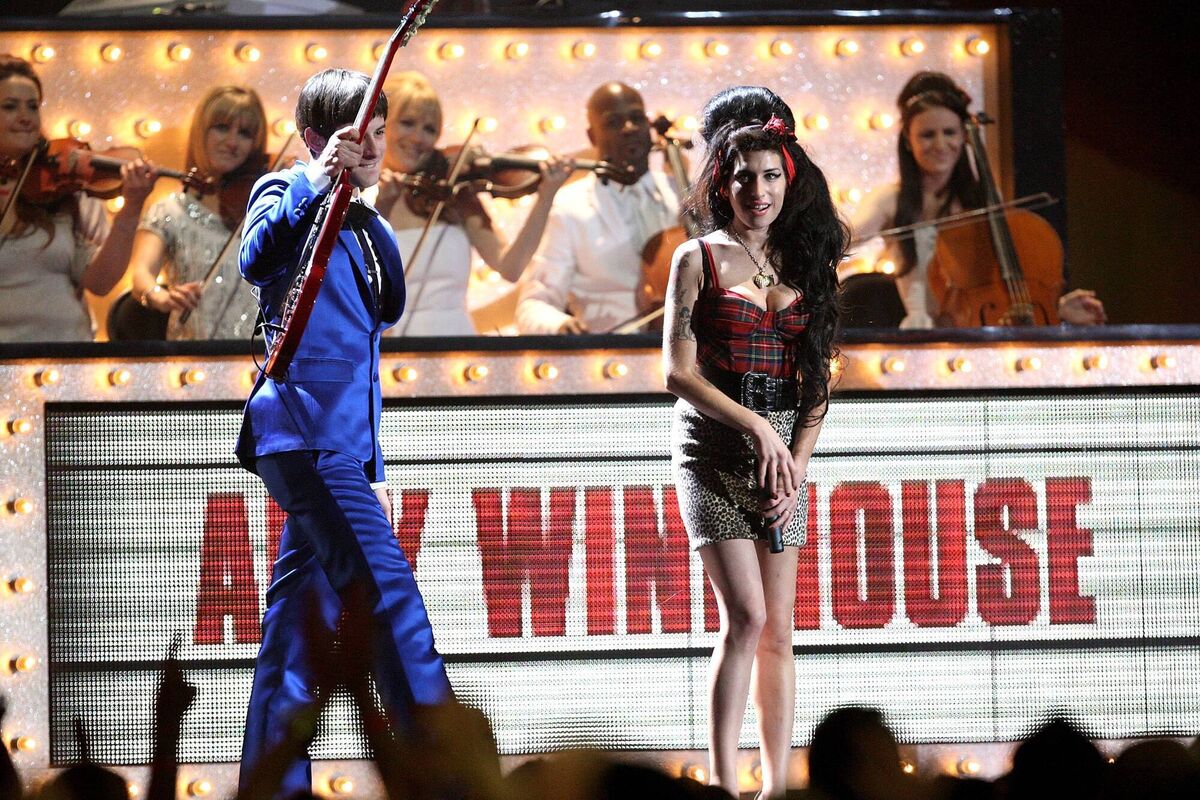
Her decline was frighteningly rapid. On March 2, 2007, just four months after Other Voices, she played Dublin’s Ambassador Theatre. This time she did not inhabit the music. No Seamus Heaney quotes could be attached to the performance.
She came across, rather, as detached from her songs and herself. Her voice occasion was cracked and wounded. On record – and in Dingle that December – Winehouse’s bluesy contralto soared. On a rainy night in Dublin, it often struggled to stay loft.
She wasn’t a mess – not the kind she would become later. Winehouse got through the gig, belting out the hits. Highlights including the mournful Love is a Losing Game and, as in Dingle, Rehab and the title track from her album of the previous year, Back To Black.
Her singing was gutsy and honest – but short of her billing as the Aretha Franklin or Billie Holiday of her generation. The impression was of an artist at sea, trying in vain to keep their head above the waves. Four laters later, those waters finally came crashing in.
As word of Winehouse’s death spread that Saturday 10 years ago, grieving fans gathered outside her resident at 30 Camden Square. A coroner would later conclude her blood alcohol level at time of death was five times the legal drink driving limit. He added, “The unintended consequences of such potentially fatal levels was her sudden death”.
Sudden yes. A shock? No. For years, the Londoner’s unravelling had unfolded in full view of the public. There had been cancelled shows, included one at the RDS in Dublin in November 2007. And when she did perform she was flaky at best, incoherent at worst.
Winehouse also suffered the ill-fortune of achieving fame just as celebrity culture had become super-charged by the internet – but before there was widespread awareness of the importance of safeguarding metal health. “Be kind” was not a thing. The tabloids were free to pick apart a celeb with impunity.
This was powerfully illustrated in January 2010 when The Sun splashed an image of Winehouse apparently smoking a crack pipe. Again, nobody was stunned: the song Back to Black, after all, contains the line, “You love blow and I love puff/And life is like a pipe”.
Were Winehouse struggling with addiction issues in 2021 it feels plausible that she would be given the space to work through them. There is an appreciation today, as there simply was not in 2011, that celebrities are people, too. That they experience depression and anxiety like the rest of us.
Winehouse never wanted to be famous of course. She once said, “fame is like terminal cancer – I wouldn’t wish it on anyone”. Nor can there be any doubt but that the music industry was ill-equipped to help her with her issues.
In June 2011, a month before she died, the singer was notoriously forced to go on tour despite hardly being fit to go to the shops. This led to the public humiliation of a disastrous Belgrade performance at which she could barely stand straight, let alone sing. It was so bad that the Serbian defence minister even weighed in, labelling it a “huge shame and a disappointment”.
“A sick girl was thrown in at the deep end and everyone watched her drown in front of their eyes,” is how her friend Tyler James recalls the concert in his new memoir, My Amy. “That footage went all over the world and made Amy look like nothing but a mess. I hated everyone for it… She was like a child who’d been abandoned in a world she didn’t recognise.”
The irony was that her addiction issues – she started drinking aged 12 and was introduced by heroin by her husband Blake Fielder-Civil – had led to her defining smash. In late 2005, her then manager Nick Shymansky had talked her into going to rehab – only for her to back out at the last minute.
They parted ways and he was surprised months later to turn on the radio and hear the lyrics to Rehab. It was essentially a replay of their conversation as he pleaded with Winehouse to get into a cab and to go the facility he’d booked for her.
“I knew at some point she’d write a really big hit, and it was ironic that the hit she wrote was, verbatim, that day, and it was mocking me. Not only was I not her manager any more, but she’d written this huge hit,” he told the Guardian. “The whole world’s dancing along to it, and really she was writing about a decision that five years later would result in her being dead. It was really fucked up.”
The Ambassador wasn’t Winehouse’s final Irish date. The following year, on Sunday July 12, 2008, she jetted in by private plane to play a 7pm slot at the Oxegen festival in Punchestown, Co Kildare.
Her descent was striking. Swigging vodka and coke, her voice was a husk. The only time she truly made herself heard was when she dedicated a song to her husband, serving a jail term for burglary. Three years on, nearly to the day, she was dead. And the worst part of it is that nobody, neither friends nor fans, can have been even slightly surprised.
“Levon Helm used to say of Elvis Presley, ‘he got into that limousine and and drove away… and we never saw him again’,” says Philip King. “It was the same with Amy Winehouse. She got into that car and drove away and we never saw her again. She entered a different world, a chemical world. And she didn’t come back.”