We are on the cusp of the 21st century's 'Roaring 20s'
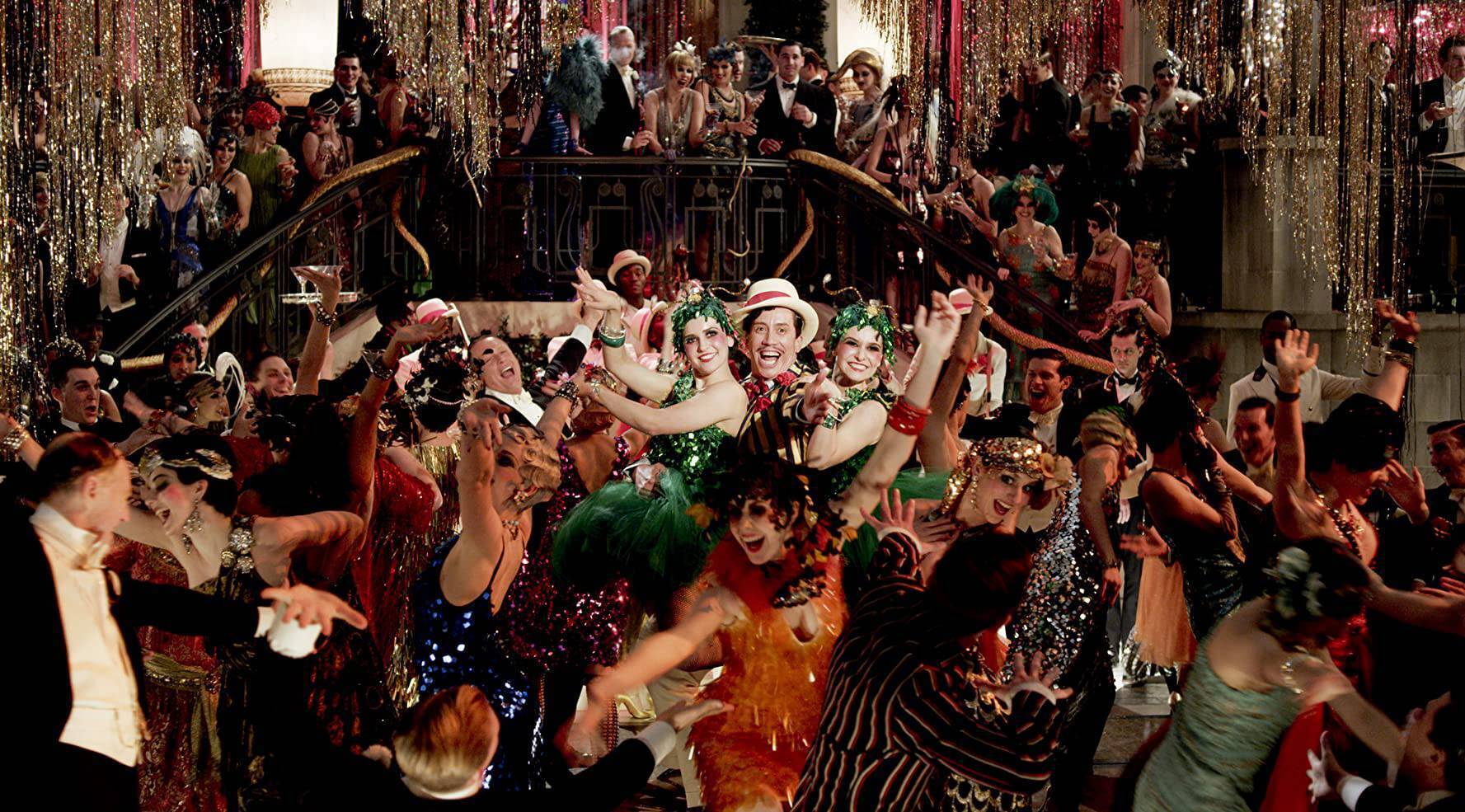
A scene from The Great Gatsby.
So here we are, slowly emerging from pandemic jail. Bored to the eyeballs with phrases like ‘new normal’. But like everything else, the current situation is impermanent – so as you stare out your rainy window and long for something as ordinary as a crowded coffee shop, remember this: we are on the cusp of the 21st century’s very own Roaring Twenties. We really are.
According to Yale social epidemiologist Nicholas Christakis, this new era of fun and making up for lost time will be in full swing by 2024. Although we first need to get through the vaccination mission and weather the fiscal fallout, once we are past these not inconsiderable obstacles, says Christakis, the rest of the 2020s promise to be a roaring decade of epic socialising. Flourishing art and cultural events, joyful hedonism and partying, stadiums packed with roaring crowds, overflowing nightclubs, and all the withheld hugs, kisses, and more. We will be licking strangers at bus stops. Just you wait.
Christakis is not clairvoyant – he has studied past pandemics. Because we have not lived through a pandemic before, we have no reference points, and worry that this may go on forever. Look back a century, however, to the 1918 pandemic which infected 500 million and killed 50 million worldwide, directly after a so-called ‘great’ war which killed 30 million. People wore masks then too – nurses, barbers, street cleaners, baseball players, elegant ladies in cloche hats. “Better ridiculous than dead,” was the motto of the New York Health Board.
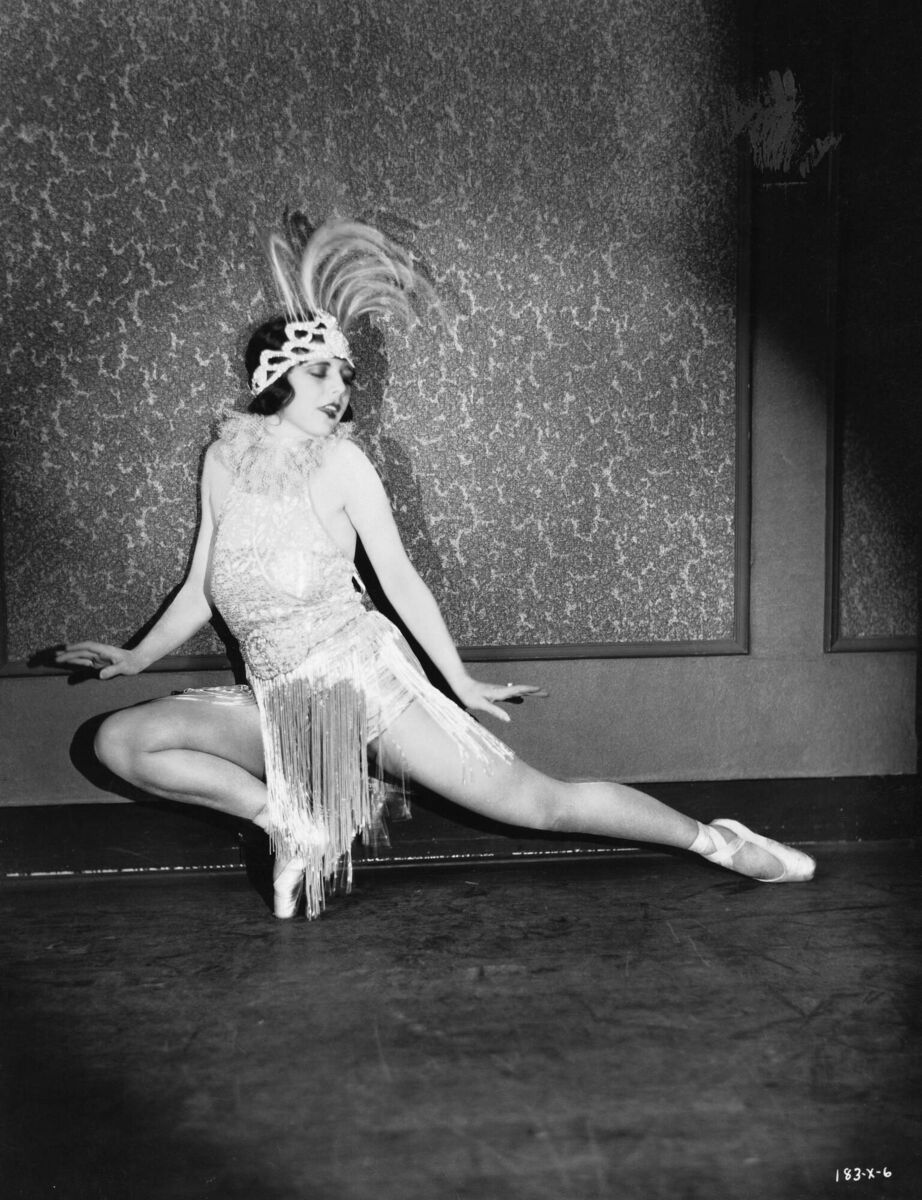
By the early 1920s, the pandemic had burnt itself out, and the Roaring Twenties had begun. The Jazz Age, also known as les annees folles – the crazy years – stretched with irrepressible exuberance from 1920 to precisely October 29 1929, when the bubble burst. It was a lot of fun while it lasted, not least because people were so exhausted from all the death and disease; the perfect antidote to years of horror was years of parties, non stop dancing and a ton of sex. New fashions favoured fringed frocks and feathered head-dresses, as exhausted medics and shell shocked soldiers gave way to young people wildly dancing to new music.
Nowhere is this period more vividly portrayed than in F Scott Fitzgerald’s Great Gatsby, set in 1922 and published in 1925 – although to assume Gatsby’s glittering world of careless opulence was representative of the Jazz Age would be like assuming that the Rolling Stones - young, white, wealthy, decadent – resembled everyone in the 1960s. They didn’t.
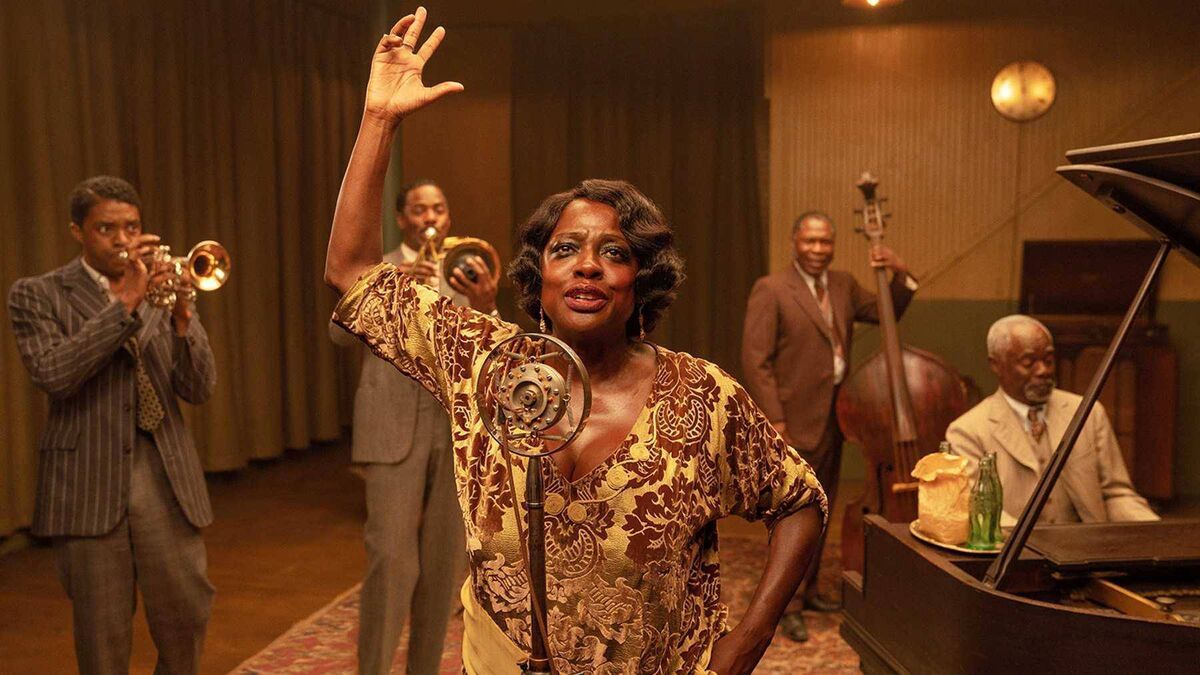
For a start, the very essence of the era – jazz – was black. As African Americans migrated north from southern cities like New Orleans to Chicago, a new sound was created, along with new dances – August Wilson’s 1982 play Ma Rainey’s Black Bottom, released as a film last year with Viola Davis in the lead, shows with blistering clarity the African American experience of that era. Such migration from the Deep South also created the Harlem Renaissance, where black art and literature experienced a revival, and musicians like Bessie Smith, Fats Waller, Duke Ellington, and Louis Armstrong led the field.
However, the Roaring Twenties were not limited to hot spots like Chicago and New York – similar celebratory times were happening in Paris, London, Berlin, Sydney, all fuelled by cocaine, gin and jazz. “It was an age of miracles,” F Scott Fitzgerald wrote in his essay Echoes of the Jazz Age. “It was an age of art, it was an age of excess.”
Art Deco peaked, Picasso went Cubist, the Chrysler Building was built. Ulysses was published in 1922, the same year as Eliot’s The Waste Land, followed by Woolf’s Mrs Dalloway and Kafka’s The Trial in 1925, and Lawrence’s Lady Chatterly’s Lover in 1928. Evelyn Waugh’s Vile Bodies, published in 1930, savagely satirises the so-called Bright Young Things – the It Girls (and Boys) – of 1920s London. For the younger and less jaded, Winnie the Pooh appeared for the first time in 1926.
The icon of the era was the flapper – instead of long hair pinned up in complicated coils, the flapper cut it short, or bobbed it like Lulu Brooks. Cloche hats replaced elaborate bonnets, and instead of rib crushing corsetry, the flapper’s frock was shorter, drop waisted, loose enough for proper dancing. Bosoms were strapped down for a boyish silhouette and less boob-bounce when dancing the shimmy, the flea hop, the cake walk, the black bottom, the charleston.
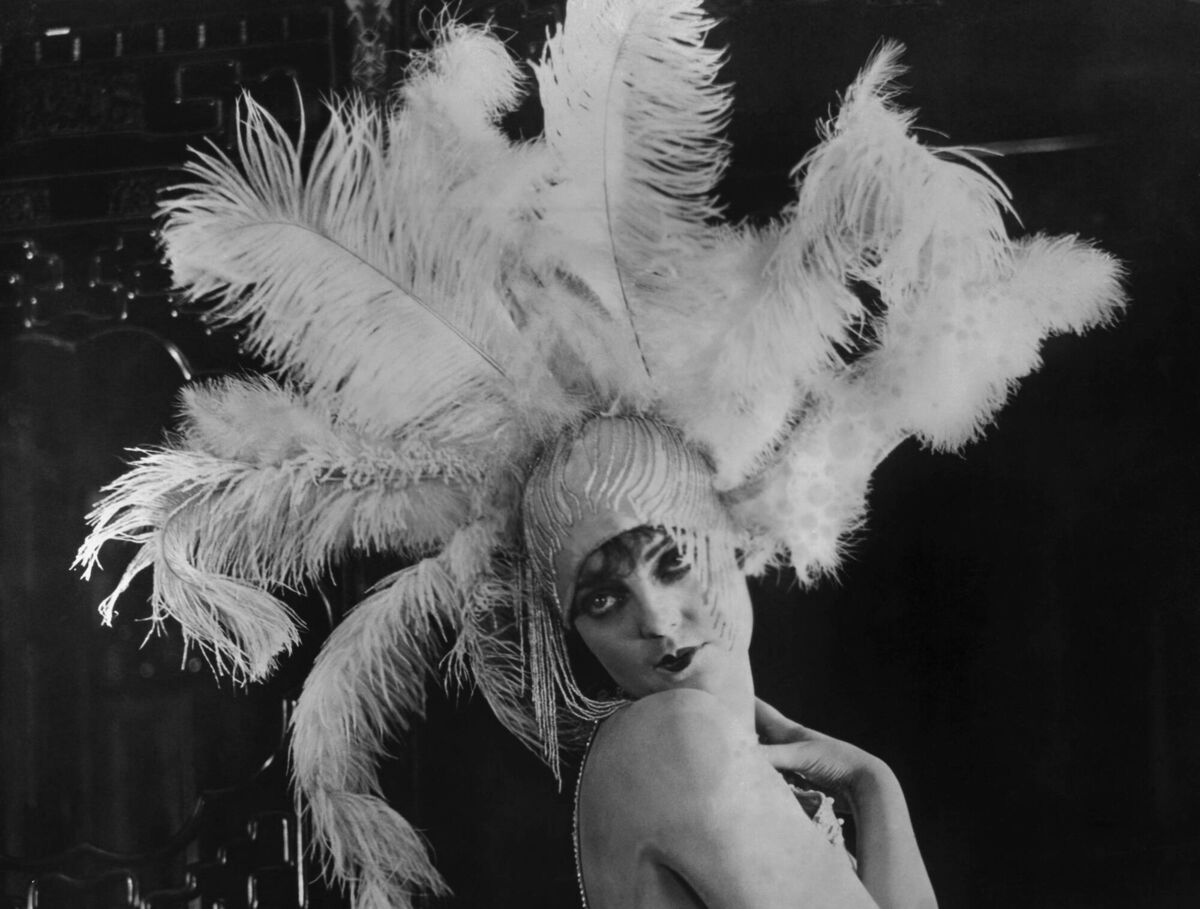
Draped in marabou boas and swinging waist length beaded necklaces, the flapper smoked in public using long cigarette holders, drank cocktails, and snorted coke to keep going. As Tallulah Bankhead famously put it, “Cocaine isn’t habit forming. I should know, I’ve been using it for years.” Prohibition of alcohol in America during the Jazz Age worked about as successfully as the ongoing prohibition of other recreational drugs works in current times – it made it all the more alluring, drove its usage underground, and created a legendary criminal class which worked with corrupt officials. People drank bathtub gin and bootlegged booze in speakeasies.
The Chicago gangster Al Capone, defending his €100 million a year bootlegging and racketeering business, said, “Ninety percent of the people of Cook County drink and gamble and my offense has been to furnish them with those amusements.” It was thought that around half of the Chicago police force were on his payroll. He literally got away with murder, being eventually jailed not for the Valentine’s Day Massacre, but for tax evasion.
The Roaring Twenties were, however, the result of a deeper cultural shift rather than just a hedonistic reaction to the war and pandemic of the previous decade. A major factor was the changing situation for women, who were stepping away from the stiff strictures of the Edwardian age towards an era of further freedom. Equal voting rights were finally put in place in the US in 1920. In the UK, it took until 1928, six years after Ireland, but British legislation was slowly changing: in 1923, women could divorce on grounds of spousal adultery, and in 1925 were granted equal rights to their children.
Underpinning all of this was a new mass culture, fuelled by the emergence of radio and cinema. For the first time, people at opposite ends of the country could listen to the same radio programmes, and see the same silent films at the cinema – Charlie Chaplin, Gloria Swanson, Clara Bow, Mary Pickford, Rudolph Valentino. The average American went once a week.
In the US, the economic boom of the 1920s meant that ordinary people had cash to spend. Technological development led to the mass production of goods; America went electric. Mass marketing became a thing, as did the availability of cheap credit. Mass consumerism was born. Cars were replacing horses. And, for those brief few years, unfettered hedonism replaced grim deprivation, until the whole thing popped and was replaced by the following decade’s Great Depression in the US and the rise and rise of You Know Who in Germany. Still, it sounded like a lot of fun while it lasted.
And so back to the 2020s – and a sense of hope, now that there is a vaccine for the current pandemic and the other You Know Who has finally left the White House. Glastonbury may be cancelled again this summer, but think of all the future festivals, festivities, and frolics that await us; all the travel, all the parties, all the gatherings and get-togethers. All the long overdue fun that will make the latter half of this decade not just roaring, but screaming with joy. Hold on. It will come.