What's the story with the 'cultural advisory' on The Muppet Show on Disney+?
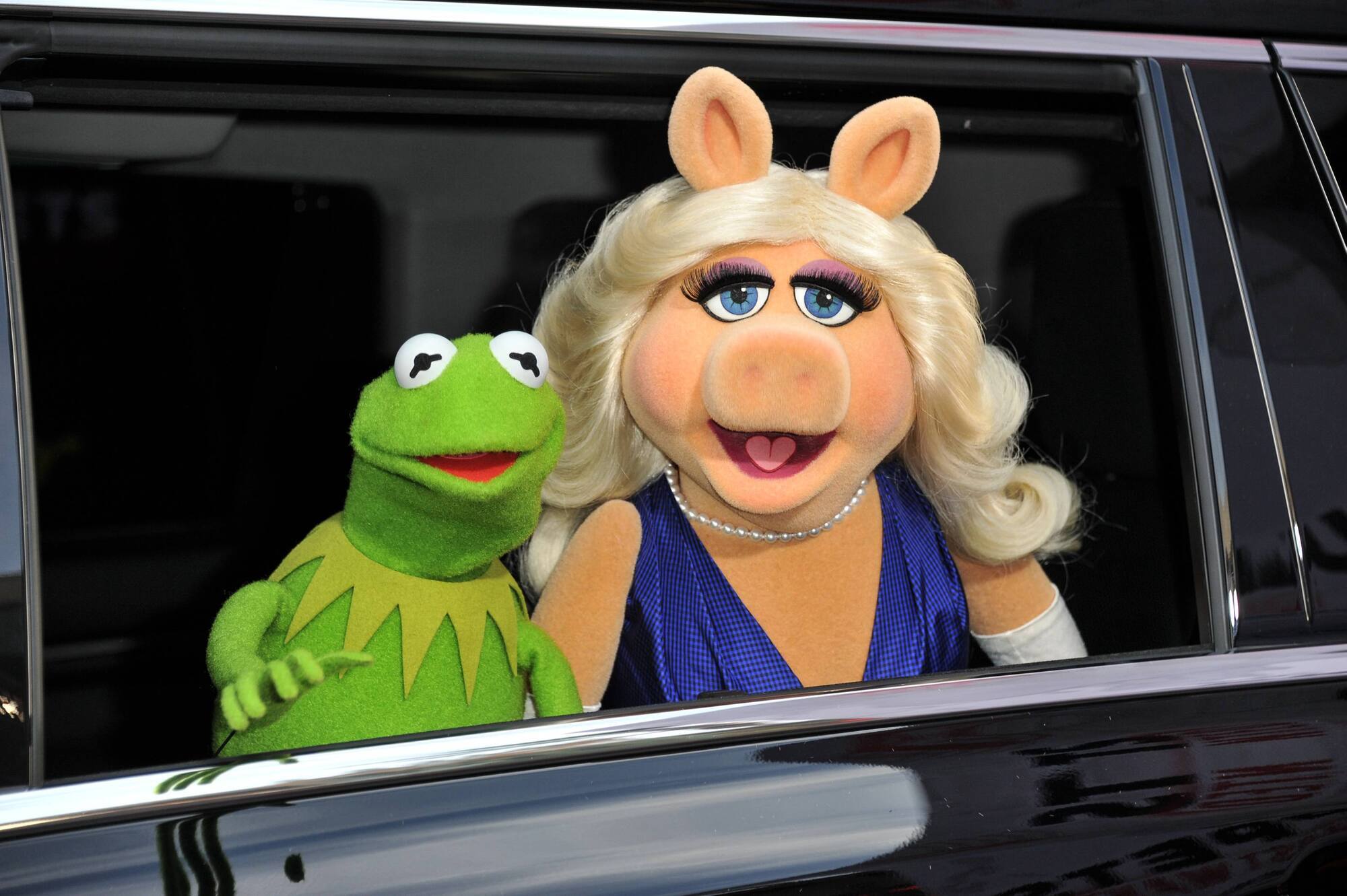
Kermit the Frog, left, and Miss Piggy arrive at the World Premiere of "Muppets Most Wanted," on Tuesday, March 11, 2014, in Los Angeles. Pic: Richard Shotwell/Invision/AP
Disney, having acquired the rights to the beloved Muppets franchise as part of its ongoing campaign of intellectual property buyouts a number of years ago, has added one-time weekend telly favourite The Muppet Show to its new-ish streaming service, Disney+.
In addition to all the original episodes of the seventies variety show, the service's editors have added a brief advisory to the start of eighteen episodes of the programme, regarding some of the stuff therein.
The advisory takes the form of a quick bit of text before the episodes in question, that acknowledges the fact that some of the stuff you used to be able to 'get away with' on telly wouldn't quite fly today.
Following on from a similar measure taken by Warner Brothers in recent times, regarding some of its legacy content and characters, Disney has taken the step of acknowledging that some of the stereotypes and dated references you'd see might not be funny to different audiences.
Disney+ has added an on-screen content advisory to films that include “negative depictions and/or mistreatment of people or cultures.”
— Scott Gustin (@ScottGustin) October 15, 2020
The message displays prior to several films including Lady and the Tramp, Jungle Book Aristocats, Dumbo, Peter Pan, and Swiss Family Robinson. pic.twitter.com/C9m2wOgQ7i
Let's be honest - stuff like Dixie flags and broad stereotypes wouldn't fly today. The Muppet Show comes from a different time, and this measure acknowledges that for two reasons.
Most obvious are the wider cultural changes that have occurred in the internet and new media era.
With social media and other online outlets allowing for a greater diversity of voices and viewpoints to reach others where they are, people have spoken up more about their culture, nationality, sexuality, way of life, and how the events of the world have impacted them and their loved ones.
A generation of viewers has, as a result, grown up with access to a far more varied array of cultural voices than perhaps others might have had access to.
Representation matters to pop culture consumers around the world, especially in a landscape that's seen certain franchises, genres and tropes attain nearly inescapable prevalence in peoples' cultural diet and formative experiences.
Well, the other, slightly more cynical factor, is how content like telly and films have had to scale up in an international streaming landscape now occupied by a few content-providing monoliths.
Audiences for streaming are potentially global in scope, notwithstanding existing copyright arrangements for different territories around the world.
This is obviously in opposition to the context of shows made primarily for one cultural or linguistic market, as per the television syndication markets.
These shows are liable to be seen by a larger audience online than was ever possible on terrestrial telly, and naturally, legacy content owners are wary of the way older stuff in their vault portrayed different cultures, and of the wider conversations that inevitably follow.
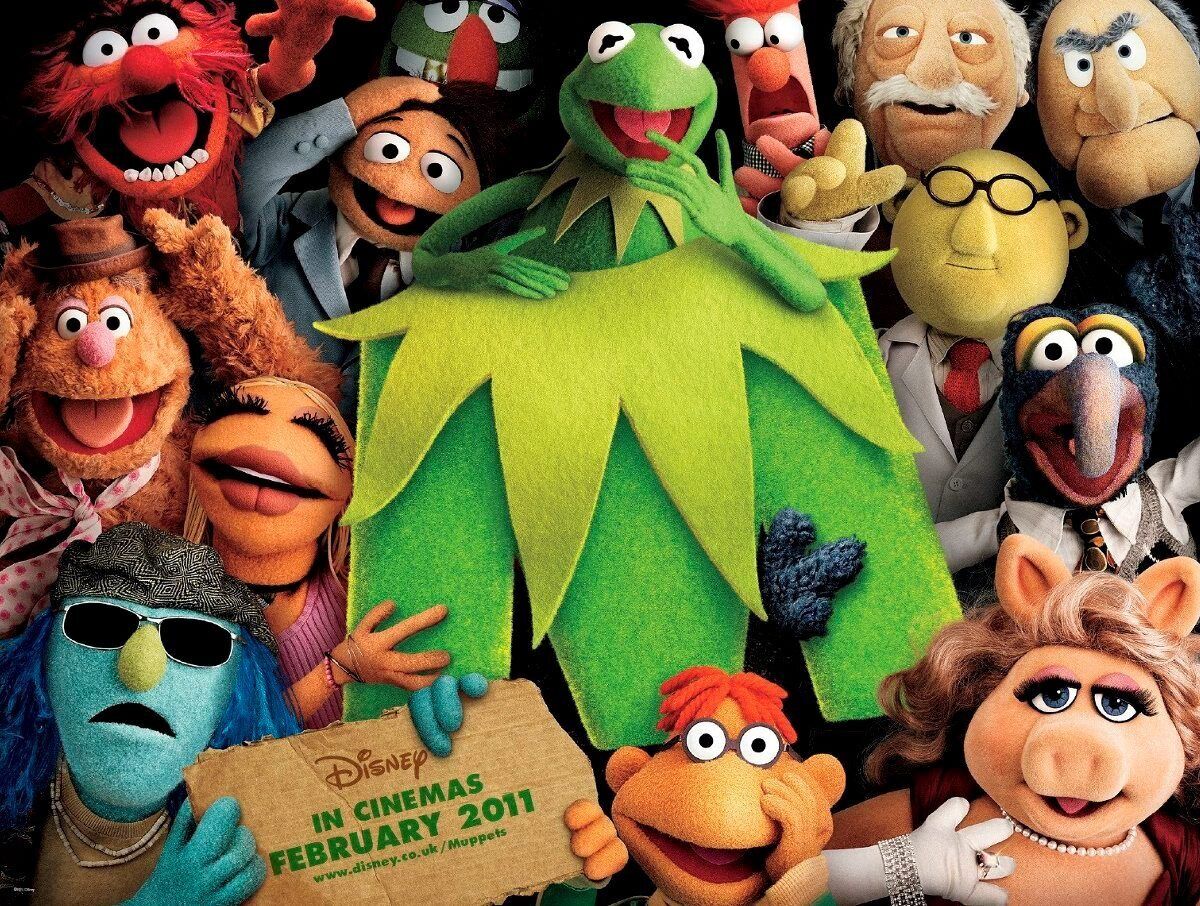
This advisory has been placed at the start of these Muppet Show episodes, as well as films and telly with heavily-dated cultural portrayals, like Dumbo, The Jungle Book, and Swiss Family Robinson.
It's intended to provide 'cultural context' for these creative decisions, and acknowledge for younger or wider audiences that such stereotypes 'were wrong then, and are wrong now'.
However, it also makes the case that cutting characters or scenes out for this reason would be the same as pretending that they never happened at all, or the attitudes informing them were never prevalent.
No. They're being presented in their original form.
As mentioned above, the advisory at the start is a means of letting viewers of different traditions or sensibilities of what they might be in for.
You can debate the innocence or guilt of Michael Jackson all day long for what it's worth, but 1991's 'Stark Raving Dad' was pulled from television syndication by request of executive producer James L. Brooks last March, in the wake of the 'Finding Neverland' documentary, which saw further allegations of sexual abuse come to light.
This decision happened prior to Disney's acquisition of the animated sitcom, and has carried over into streaming rights by the looks of things. “I’m against book-burning of any kind," said Brooks in March of 2020. "But this is our book, and we’re allowed to take out a chapter."
Hardcore Simpsons fans are likely more upset about the visual changes to the show, such as cutting off part of the screen to fit widescreen resolution, at the expense of some visual gags.
A reasonable guess is that would be on a case-by-case basis, depending on the streaming service, as conversations change around shows and the people involved.
The cultural advisory does cover a lot of ground regarding old shows and their context, but content like the infamous 'Song of the South' film, which openly engaged in crude stereotypes and painful historical circumstance, will likely never see the official light of day again.