Culture That Made Me: Anna Geary selects eight of her influences through the years
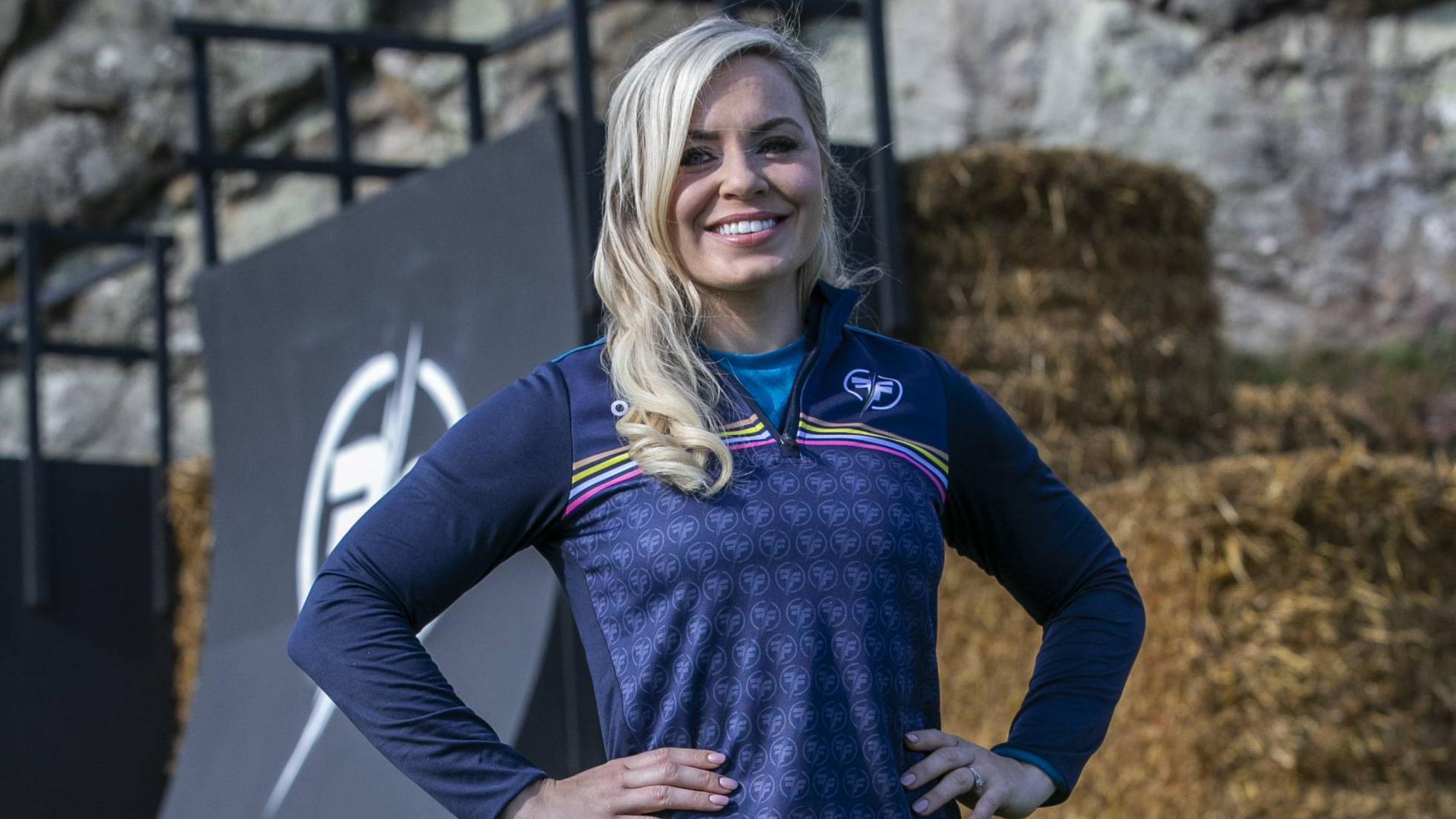
Anna Geary presents Ireland's Fittest Family
Born in 1987, Anna Geary grew up in Milford, Co Cork. She won several All-Ireland camogie medals with Cork before starting a career in broadcasting. At the moment, she presents Ireland’s Fittest Family on RTÉ One, Sundays, 6.30pm.
I grew up in a sports-orientated house. The Sunday Game was one of those shows where everyone in the family – whether you were six or 60 – sat down and watched it together. If the dinner wasn’t out of the way – and the match was coming on – it was put on a tray, gravy boat and all – and you were allowed into the sitting room with the dinner. That theme music, which is stuck in my head from childhood, signified about 60 seconds to get yourself ready.
I remember Ger Loughnane getting so irate on The Sunday Game. His face would get red with rage. He used to fly back in the chair. Now Conor Moore does an excellent impression of him. It made me realise from a young age that to these people who were talking about it, it wasn’t just a game, this was life. They lived and breathed it. They influenced the people of Ireland’s opinions because you’d have people walking around the next day complaining about “puke football” after Pat Spillane’s comment or giving out about the Cork mêlée in the tunnel with the Clare hurlers in 2007. I carried that passion through then when I played sport. It shaped me as a person.
When I think of sports broadcasting I immediately think of Mícheál Ó Muircheartaigh. When I was younger, he was the voice of GAA. What I loved about Mícheál was he was able to paint that picture for people who weren’t at the match. Those famous comments like, “Seán Óg Ó hAilpín: his father's from Fermanagh; his mother’s from Fiji. Neither are hurling strongholds.” He made a real connection with people. He brought them into his world. He built the story up. He gave little titbits of information about players. He had that way about him. It inspired me in my job in sports broadcasting. It’s about trying to get that connection with your audience.
My first sports radio broadcast was back in 2010. I was involved with the Cork senior camogie team from 2003. We were lucky enough to be in the All-Ireland final every year up until 2010 when we lost the semi-final so I got an opportunity to be involved in the commentary side of it for the final on RTÉ Radio 1 with Mícheál Ó Muircheartaigh. I was more nervous about meeting him than I was about being a co-commentator on the match. He was so meticulous. I was enthralled in how he did things. I nearly forgot I was supposed to be watching the match and co-commentating. He was so respectful of me, saying things like, “Don't be afraid now to cut in and make your point.” He was lovely. I was just a young girl yet he made me feel like an equal. It’s such a beautiful quality he has.
Mícheál Ó Muircheartaigh announced his retirement a week afterwards. I remember coming home to my dad and mam on the train, and being smug about the fact I had met one of my heroes. When the announcement came out that Mícheál had retired, my dad joked to me, “Imagine that man has given decades to broadcasting and after an hour with you he decides to call it a day.”
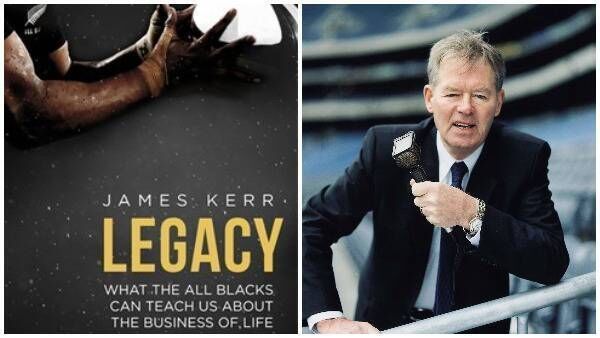
I love the book Legacy, by James Kerr. It’s about life lessons the All Blacks rugby team apply. It’s not about the nuts and bolts of sports. It’s excellent whether you’re an adult in business or a young teenager that wants to learn about sports. I use it in my job as a performance coach. There's one lesson called “sweep the sheds”. No matter how big and successful you get, you’re never too good to do basic jobs. So sometimes you’ve to roll your sleeves up and sweep out the sheds. It’s about integrity and being humble.
I love underdog stories. There's great hope in them. Even if all the odds are stacked against you, and nobody gives you a chance, if you’ve enough belief and things go right for you, you can succeed. It’s a great message to anybody that might find themselves in not such a good place or if they’ve failed a few times. It’s why we want to see the underdog succeed because deep down we can resonate with the underdog. Everybody’s been one at some stage in their life. If the underdog can do it, there’s hope for me. It’s why I love movies like Coach Carter because it’s about teams who were down and struggling, but they lifted themselves.
How to Fail With Elizabeth Day is an excellent podcast. She covers successful people, but it’s about their greatest failures. For all of us, we don't talk enough about our failures. We hide them or we can be ashamed of them. It's something I advocate for as a performance coach – that failures aren’t weaknesses. I’ve learned that from sport. You fail every time you play sports, whether you’re on a Junior D team or you’re Usain Bolt or Katie Taylor. You make mistakes. You mess up, but it's about how you use the lessons learned from those failures. One of the questions I often ask people is: what is your epic failure? It could be a relationship that went wrong that forced you to meet the love of your life. Or it could be a job you got fired from that forced you out of your comfort zone to set up your company that you now have 100 people working in.
There's a Theodore Roosevelt speech, 'The Man in the Arena'. The gist of it is that “the credit belongs to the man who is actually in the arena, whose face is marred by dust and sweat and blood”. Basically, people that sit down and criticise you aren't the ones you need to worry about. The important thing is that you're doing it, giving it a go. It doesn't matter if you fail. I have it framed downstairs in our hall at home. I try not to put myself in a box. Back in 2014, I was the Cork Rose of Tralee, and the Cork senior camogie captain. A lot of people were saying, “But sure you can’t be both”. Why not? Who says you can’t? I love that mentality in musicians, for example, when they deviate and try something new.