Pixar gets back in the groove with Soul, a film for kids and adults alike
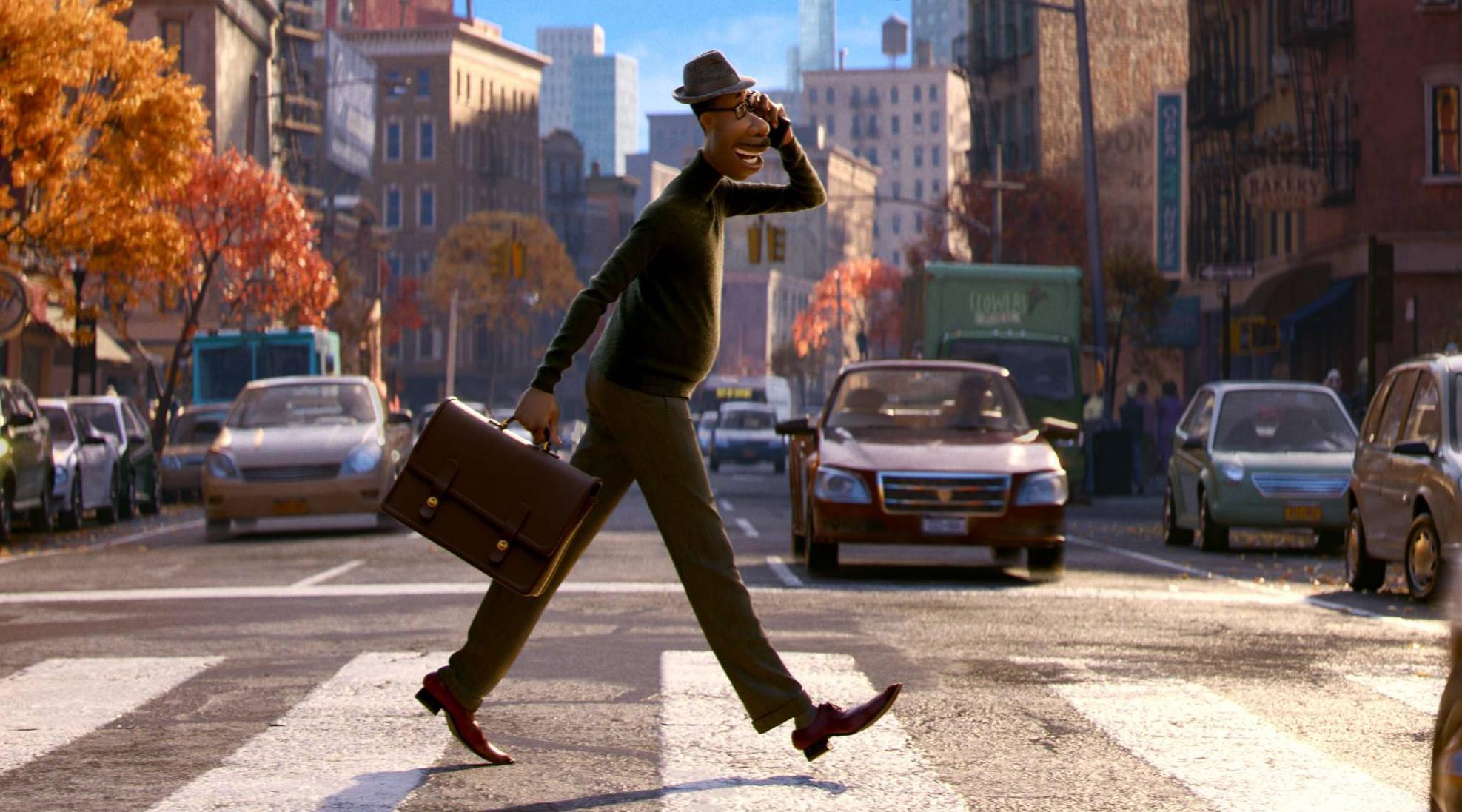
Soul is available on Disney+ from Christmas Day.
At the sound of an Irish accent during this interview, Pete Docter is quick to mention Cartoon Saloon, the Irish animation studio currently making waves with its latest feature Wolfwalkers. Pixar’s chief creative officer immediately brings up the Kilkenny studio “who do such fantastic work” adding that Pixar animators are “big fans” of their movies.
It’s an indication, as if we needed it, of just how highly respected the Irish studio is among animation’s most iconic filmmakers. And it’s very likely that Docter’s new feature, Soul, and Wolfwalkers will both be in contention for an animation Oscar when the Academy Awards shortlist is announced early next year.
Even the canniest of punters would be unwise to pick between the two among a broader field that is always strong. Wolfwalkers landed on Apple TV last week to universal praise. Docter, who co-directed Soul with Kemp Powers, has seen the same for their movie, the tale of a jazz fan who travels to another realm. It’s the latest moving tale from the filmmaker whose directorial output for Pixar includes Up, Inside Out and Monsters, Inc.
“I've never worked on a film that's exactly the same,” says Docter of the early development of Soul. “For Up, the character came first. And we didn't really know what he was going to do. In the case of Soul, it was this concept of why do we have a personality even when we're born? Where do we come from? And where were we before that?
“All those big questions were at the heart of it. Then Kemp really helped when he came on to develop the character of Joe and the specificity of all the scenes. Story and plot is the big debate. Of course, the answer is, they're both the same thing. Character is plot.”
The film, which took four years to make, employed 350 people at its peak. The intention, of course, was to release in cinemas this year, but the chaos of Covid means Soul will now arrive on the rapidly growing streaming platform Disney+ on Christmas Day.
The film, the first from the studio to feature a predominately black cast, looks at the big themes of mortality and the afterlife, as an accident sends Joe (Jamie Foxx) towards a life-or-death situation he’s not ready for.
Docter and Powers and their team did research into various religions early on before realising there were endless layers of ideas. “This Rabbi I spoke with, he said: ‘Talk to three Jews, you'll get four opinions’,” smiles Docter.
“Really what this film is about more than theological is a philosophical idea of: Why live? What's important to us in our lives? Is it about passion? (Joe is a teacher who has always dreamed of being a jazz musician). I know for me, I grew up loving animation, and I've done it for 30 years. And yet, there are days when I find myself just wondering if this is really going to satisfy me and be the best use of the time that I have on earth. This film is really an investigation into that more than anything else.”
Co-director Powers agrees.
“Not just for people who realise their dreams, but for those who don't get to do the thing they feel like they might be meant to do. I love the idea that all lives have value and that people find satisfaction through different methods. For some people, it is their job. For some, it's their family. For some, it's going fishing. In America, we tend to assign importance and value to people based on how much money they have, and also the type of jobs that they do. I just like a film that at least makes an attempt to say that those aren't the most important things.”
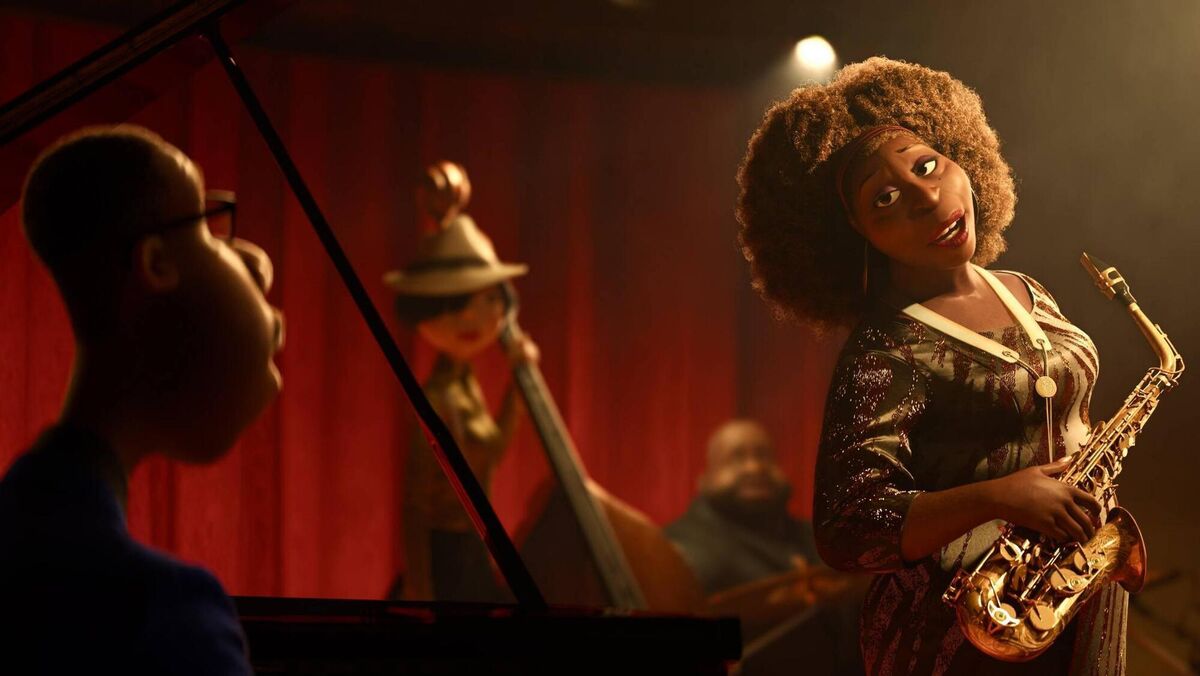
The studio also took an alternative route when it came to scoring the film. As well as contributions from Jon Batiste, Soul was scored by Nine Inch Nails’ Trent Reznor and Atticus Ross, who have scored many of David Fincher’s films.
“I think it was just the right amount of different and challenge,” says Docter. “I know it was a push for them as well as for us to work in a new way. Normally what we do is we animate the whole film, we lock it almost to the frame, and then we'll bring in our composers. In this case, the way Trent and Atticus like to work is more concurrent with the story development. So they were sending us music as we were creating the sequences, which was really cool, because then you can start to cut it to picture and be influenced by that that weird mystical thing that music does.”
Pixar’s films have often been about finding a universal audience, not just for children. Is that at the heart of why Docter is trying to do here?
“I know that was true for the Muppets. I know it was true for Walt Disney. I'll bet it's true for the guys at Cartoon Saloon over there in Ireland, who do such fantastic work, we're big fans of and I think it's the way to go because kids are as smart as us and oftentimes smarter. We had executives confused by stuff that five year olds totally got!
“We definitely strive for a film for everybody. Some people would say, when you try to do that, you make one for nobody. I do feel like, when I start, I'm just thinking about the audience as me, I want something that I'm going to be intrigued with that will sustain my interest for the four or five years that I'm going to be working on.
“Having kids I think really helps too, because as you go along, you're recognising, how do I make them engaged and interested and understand everything? I think the answer happens to be what Pixar does really well, which is make it visual. If I try to explain to you the story, using words, for Inside Out, it's horribly confusing, but if I can show it to you, then everybody gets it. I mean, we had four or five-year-old kids that were explaining the whole plot, because it's very clear to them.”
Docter and Powers completed Soul while working remotely after the world experienced the first lockdown restrictions during the spring. Generally animation has thrived globally as demand has increased for storytelling in these extraordinary times. Animation suits remote working.
“We were able to keep working when a lot of our counterparts in live action films had to stop,” says Docter. “So we're very fortunate. And it is kind of shocking, really, isn't it? When you watch movies now and people hug or even shake hands. You're like, oh, whoa, whoa. It's a strange, strange time to be living in.”