Culture that made me: Doireann Garrihy selects six of her influences through the years
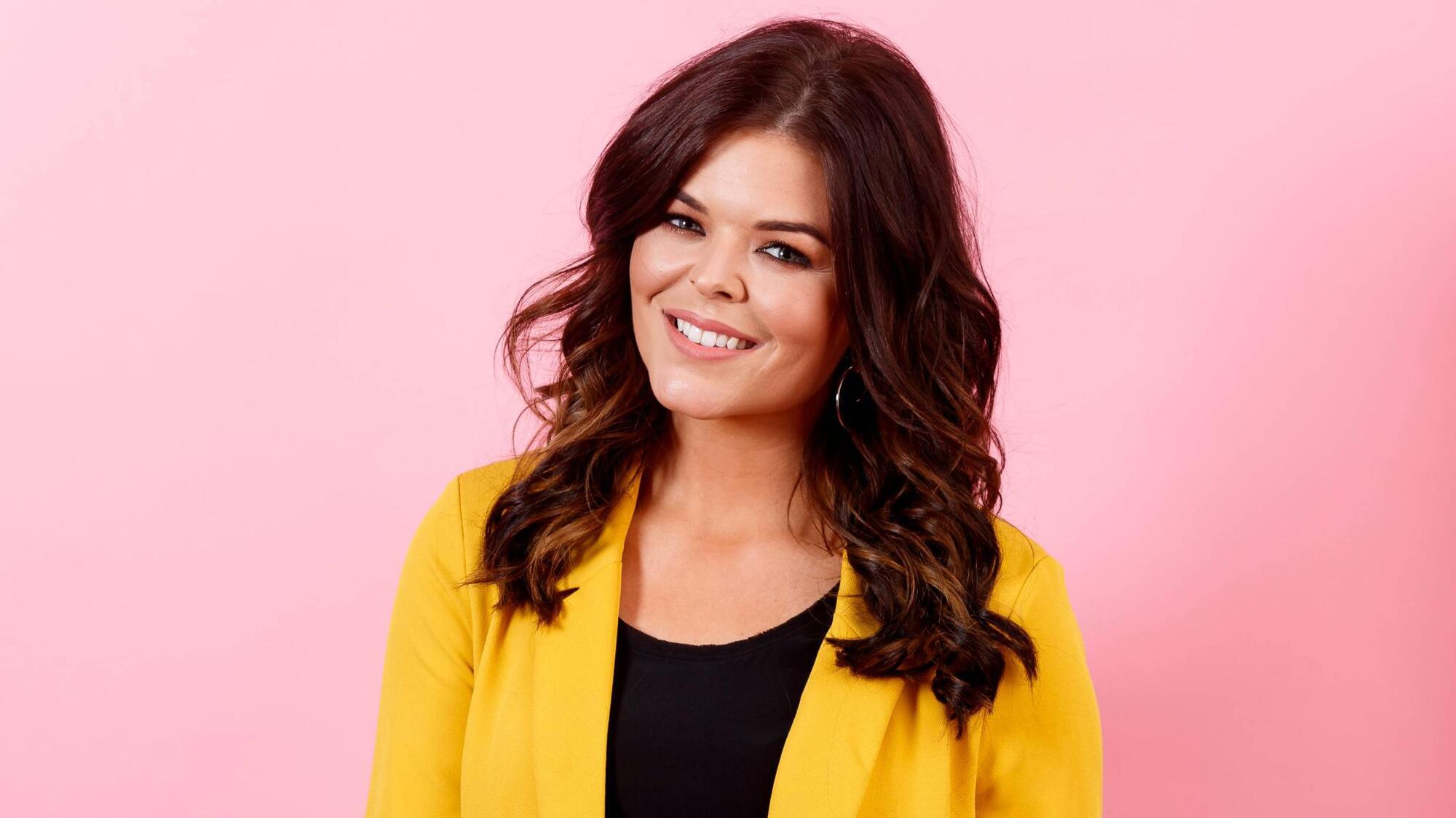
Doireann Garrihy. Picture Andres Poveda
As kids, my sisters – Aoibhín, Ailbhe – and myself loved to put on plays and shows for my parents. I think my mom saw something in me in particular and thought: 'I need to hone this and give her everything she needs to flourish'.
I remember once she went to a video shop and got a couple of Shirley Temple movies and Singin’ in the Rain. To this day, it’s one of my favourite movies. I loved the singing, dancing, colours and all the different musical numbers. I’m a Billie Barry [Dublin stage school] kid but this was long before I joined it.
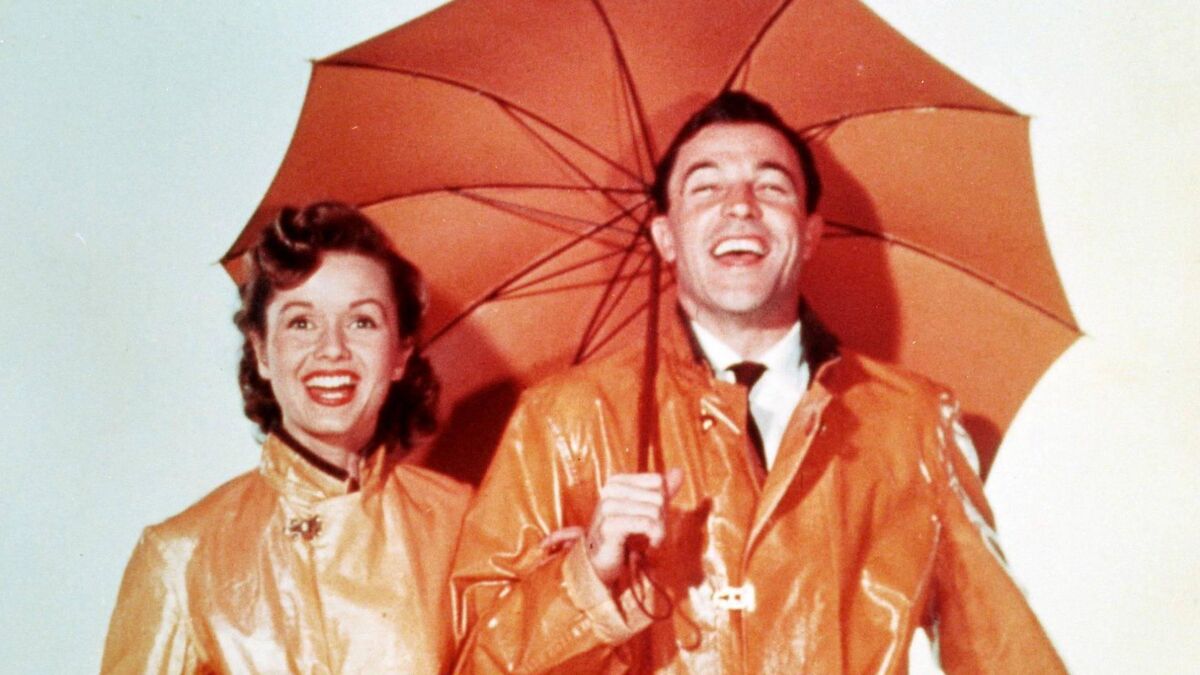
I’d say my mom loved it because I would be quiet for two and a half hours while it was on. I’d be engrossed in it. Debbie Reynolds was the lead female. She was such a powerful female character, and this is awful to say but she wasn’t textbook beautiful, but that was part of her character. She wasn’t the 'swan' of the movie, but that made her cooler. She had this confidence and swagger.
I remember thinking if I’m ever in a position to do something like this, I wanna be just like her.
One of my earliest memories of watching comedy on TV was Pat Shortt and Jon Kenny in D’Unbelievables.
I vaguely remember sitting on the sitting room floor, and my dad putting on the cassette. I remember him just belly laughing. My mom jokes that if they ever go to a comedy gig, they have to get an aisle seat because he’ll have to sit on the steps and take a breather from the laughter.
I remember the costumes, accents and the robbery in the shop with the tights on the guy’s head. I was too young to get the jokes, but I knew it was funny. When I got older, I could appreciate it – the rawness of it and the way they picked up on mundane conversations and observations.
I still search it on YouTube and almost get tips from it, to break it down. Ultimately, it’s quite simple: it’s brilliant observational comedy about every-day Irish life.
Both of my parents are from Clare so we were reared by people from rural Ireland. Although we were born and grew up in Dublin, and went to a Dublin school, all of our summers, Christmases, Easters were spent in Clare.
We’d go down every fourth or sixth weekend. It was really important to them that we never forgot where we came from. I remember when my sister Aoibhín, who’s the eldest, bought the first Ross O’Carroll-Kelly book. I remember her coming home and myself and Ailbhe sitting on her bed with Aoibhín reading extracts from it. We were in bits laughing because we were teenagers in peak Celtic Tiger.
Paul Howard hit the bullseye with his Ross O’Carroll-Kelly character. It was the accuracy of it. He writes phonetically. It was around the time that intense South Dublin accent sprung from nowhere – the kind of American-y twang that people used. Even still I meet people and think: where did she get this accent?
We used to be in stitches because in front of our very eyes in school, girls starting to talk like this. We used to joke: can you imagine if we came home to mom and dad speaking like this? They’d disown us straight away.
I re-watched Love/Hate during the lockdown. It's aged so well. A lot of it is still so relevant today. The storylines, the performances are just out of this world. The backdrop of Dublin is like a character in it. It feels exactly what it feels like to be in Dublin.
The things you see going on are exactly the things you see: hang on, that looks a bit fishy going on over there on that corner. It’s like you’re getting insight into what goes on in those moments around the city.
Tom Vaughan-Lawlor as Nidge just blows your socks off – the way he played that character. The balance he strikes. You know he's an awful person, but you kind of love him as well, which makes you question what kind of person you are. That’s the best kind of TV.
There's one scene where Trish, his wife, is in labour. He runs into hospital with her overnight bag, which has all the wrong stuff in it. Then after she’s had the baby, Trish is brought in tea and toast and he starts tucking into the toast. Little comedic moments like that – yes, he's a crime lord, but at the end of the day, he’s just a clueless dad as well.
Twitter is known – for the most part – as being a bit of a cesspit, a negative place, a scary place.
You don't know from one day to the next who’s gonna be cancelled, but I've actually found, throughout lockdown, some golden comedic moments on it, especially from Irish people.
Amy O’Connor, Justine Stafford are two girls that I would every day check in with their Twitter feed and burst out laughing. I love watching stuff by Michael Fry and Seán Burke – two sketch comedians who have really taken off throughout lockdown – too.
I suppose because I’m somebody who's on air every day on a national show, sometimes I go on Twitter with a bit of a pain in my stomach thinking, 'Oh, God, is there anything I said on air today that somebody could be trying to cancel me over?' So to go on Twitter and see these positive things is great.
When we were younger, Destiny's Child was just the dream. We were obsessed, my sisters and I. Loved everything about them. Beyoncé is the best living performer without a shadow of a doubt – from the dancing, the singing, the costumes, the transitions.

I think I've seen her live nine times now. I like to think of myself as someone in the actual Beyhive, which is her fanbase! The film she released in the summer called Black Is King was so timely with the whole Black Lives Matter movement. I've watched it maybe 15 times. I absolutely love it.
She paved the way for dropping an album as a surprise. The attitude. She had an all-female band for years. She’s such an independent woman, an original.