Dave Davies on the possibility of a Kinks reunion as he works again with brother Ray

The Kinks in 1968: (L-R) Dave Davies, Ray Davies, Peter Quaife, and Mick Avory.
The Kinks eventually called it a day in 1996 after four decades of hit records and epic fights. It seemed that Ray and Dave Davies had handed the baton over to warring brothers Noel and Liam Gallagher of Oasis.
In recent years the brothers, from Irish and Welsh descent and born in north London, have mended fences with rumours that a reunion was imminent after reports they were working on new material together. Down the line from London, Dave Davies indicates that, while he fancies the idea, it wouldn't be possible just yet.
“Ray and I have spent time working on elements of the new re-release of [1970 album] Lola such as remixes, and we also added a few conversational pieces. We grew up in a little house on Muswell Hill in a working-class family and everything happened in the kitchen. There would be a lot of fun, crying and laughter between weddings, funerals and dinners so it was nice that we did these parts in Ray’s kitchen.”
Incidentally, Ray was formerly married to Cork woman Patricia Crosbie, of the family who used to own this newspaper.
The intimate discussions about the album between Ray (76) and Dave (73) are a wistful nod to their diverse inspirations. Title-track and Irish chart-topper ‘Lola’ was almost banned by the BBC for a reference to Coca-Cola, so Ray Davies was forced to change the recording to the less problematic 'cherry cola'.
The more controversial subject of cross-dressing in 1970 went undetected.
“Even though the subject matter is unusual for its time everything was changing,” explains the guitarist. “It was a very expressive time with people searching for identity. The Kinks were touring again [after a four-year US ban following a dispute with their promoter] and going back to America so there were a lot of different influences with Andy Warhol and what we called ‘gender-bending’ groups starting up.”
While the band’s peers enjoyed transatlantic success The Kinks' late '60s lockdown allowed them to pursue and satirise every aspect of English eccentricity and character.
“The Stones and The Who were playing all over the place while we were in England but I’m glad. We would go to our local, have a pint and draw on the characters we grew up with. Although ‘Village Green Preservation Society’ was a fantasy world or like a plot from a play for film, the people were real.”
Village Green and Arthur (Or the Decline and Fall of the British Empire) set the path for the Lola album, a conceptual long-player about the music industry which Davies suggests was “fabulous but ugly at the same time.
“'Top of the Pops’ was written at the end of that singles thing. Every couple of months you had to have a single out, we wanted to express ourselves more than in a three-minute pop song. At the same time, we were very fortunate to have gone through it having all these fantastic hits like ‘Dedicated Follower of Fashion’, don’t get me wrong.”
As far as singles go, The Kinks helped define the era. ‘You Really Got Me’ provided the band with a UK No. 1 hit in September 1964. Composed in the family home, an early version leaned towards jazz before Dave Davies geared the song in a very different direction.
“It started as this jazz riff, I was experimenting with this little amp and wanted to try and get a different sound, it was the beginning of the bar-chord and I liked that style. I got so fed up with this amplifier and sliced it with a razor blade not thinking for a minute that would work. I plugged in and it made this big rasping, raucous and explosive sound. Years later I noticed that it was just at the point when an amp was about to blow up that they sounded at their best.”
Those strident power chords were seen as innovating rock, metal and punk. With the recent death of Eddie Van Halen, his band’s version of the song once again caught public attention. They also covered ‘Where Have All The Good Times Gone’.
“That was very sad. I never met him but he was obviously a very talented musician, they were influenced by our music and went on to influence younger musicians. It was fabulous what he did, but I still prefer the original.”
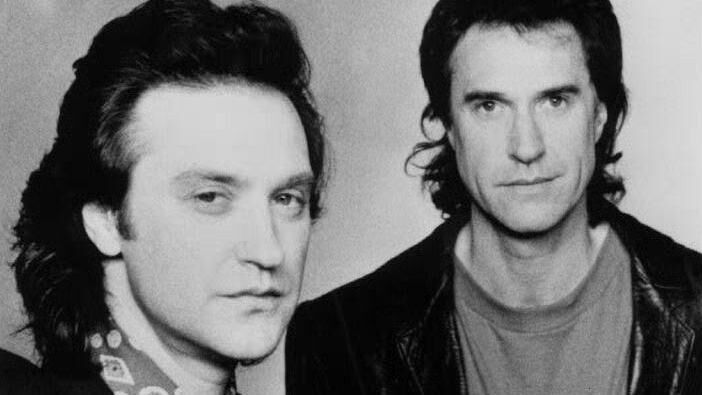
Films such as Saturday Night and Sunday Morning, starring Albert Finney; and The Loneliness of the Long Distance Runner, with Tom Courtenay further strengthened the resolve of the brothers as the spiky working-class misfits of British pop. Influenced by the Angry Young Men movement, Davies suggests working-class kids were starting to find their voice and were coming to the fore in writing, film and music.
Dave would sing lead on the incendiary ‘I’m Not Like Everybody Else’ a track he describes as “a sub-plot to The Kinks career” which first appeared as the b-side to Irish and British No. 1 hit ‘Sunny Afternoon’ in the summer of 1966.
“It was this very raw expression and emotion…we are what we are and if you don’t like it you can f**k off! We weren’t like everybody else and we didn’t want to be. It was very much like that and how we felt being working class, even my guitar sound turned people away when they first heard it until they realised what I was doing.” ‘Get Back In Line’ from the Lola album was inspired by a memory of Ray Davies watching his dad sign-on on the dole.
“The working class have all my sympathy because I know what it’s like. When I look back at most of The Kinks' catalogue it is inspired by our family in some way. Ray and I didn’t even have a telly; it was radio. Sometimes you would hear early rock'n’roll which was one of the major influences of the time but every Saturday night we would have parties where everybody sang and played their songs. I had six older sisters that played the piano, my dad played the banjo and would bring in music hall influences from the 1930s and '40s, everyone was expected to do a turn.”
It was on that same out of tune piano that Dave composed ‘Death of a Clown’, returning to the family home after nodding off at Swinging London all-nighter. “We always had a piano in the house and even started the band around the upright piano in the front room. It had a flavour because it wasn’t so out of tune to be horrible, it was beautiful in its own way.”
While Covid and other factors have put a reunion on hold, Dave is sanguine about the brothers' relationship.
“A lot of the time we don’t like each other but we have that blood connection. We do care about each other very deeply and family is very important. People forget how crucial family is growing up, that environment of love. We didn’t have money but you were safe and you knew who to trust and that love gets you through everything and anything.”
Fans will be hoping it eventually gets them back on stage together.
- The Kinks 50th Anniversary of Lola Versus Powerman and The Moneygoround Part One is released across a range of formats and editions from December 11