Hamnet author Maggie O’Farrell on the forthcoming film, and what makes a good screen adaptation
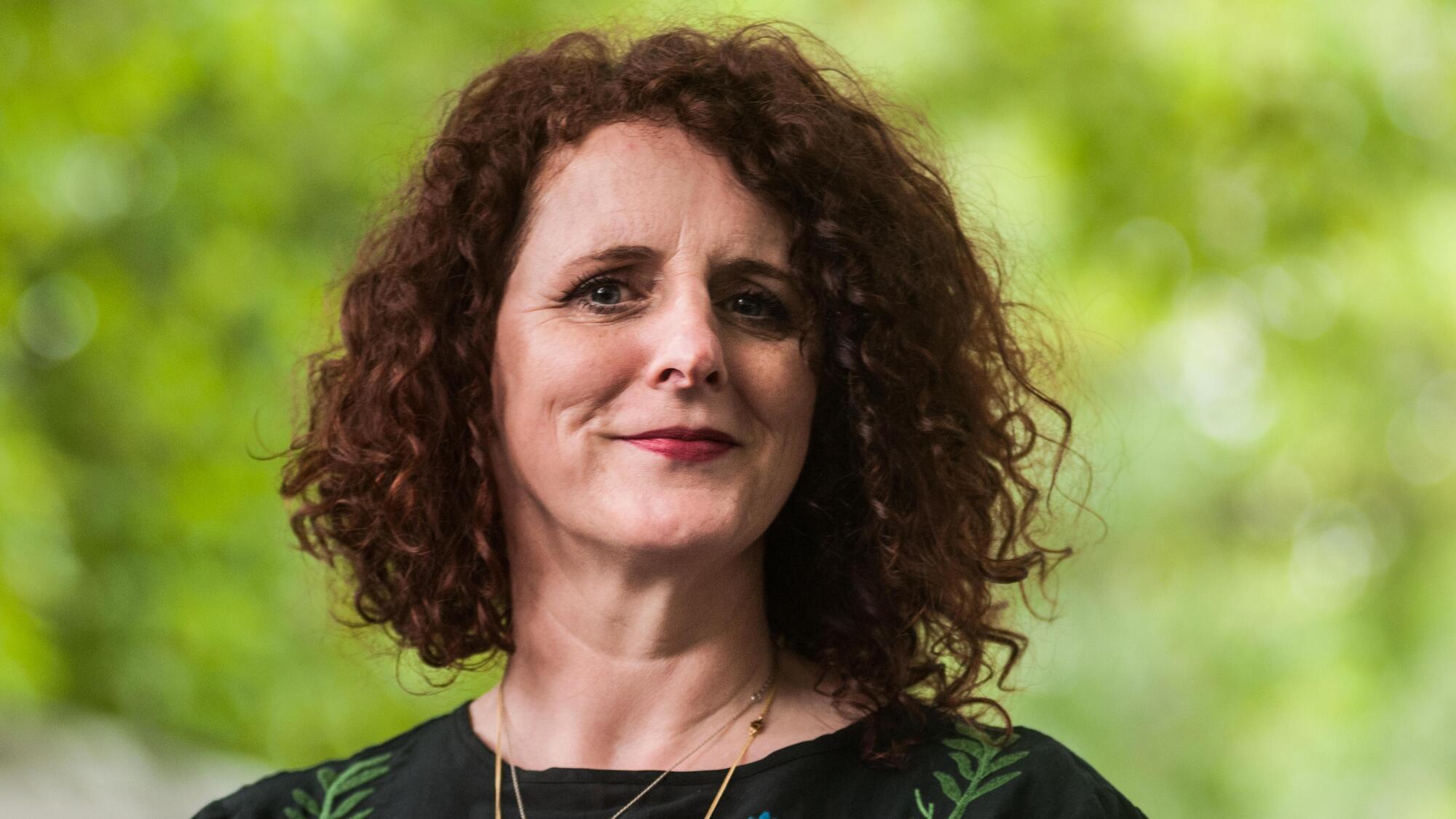
Maggie O'Farrell: The Coleraine author published Hamnet in 2019.
The world of movies is so far removed from her normal life as a novelist, but Maggie O’Farrell is clearly relishing the opportunity she had to bring her characters to the big screen as co-screenwriter for Oscar-tipped
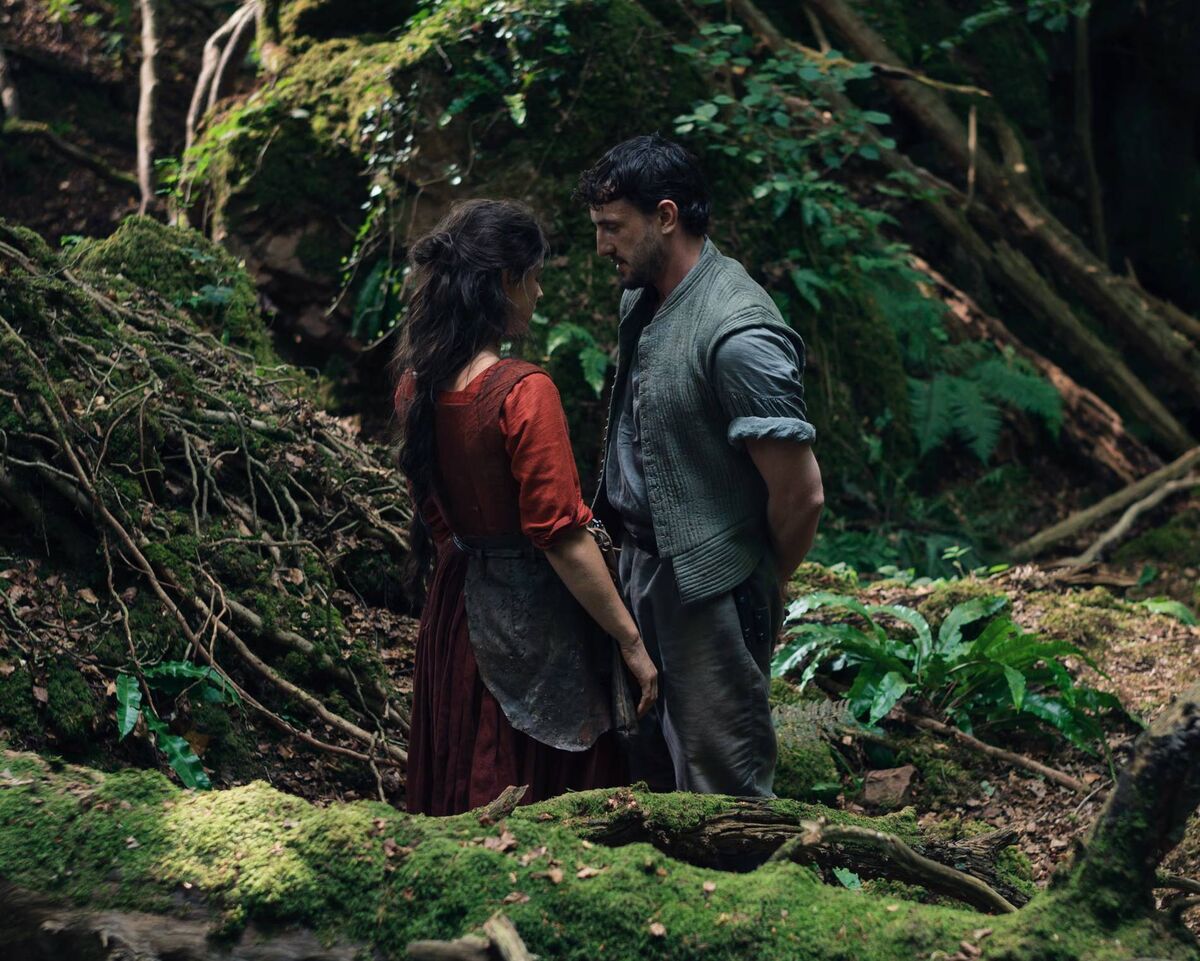
It’s a story of love, loss and grief, imagining the impact of the death of Shakespeare’s 11-year-old son on him and more specifically on his wife, Agnes, and how grief inspired the playwright’s timeless masterpiece, It stars Irish duo Paul Mescal and Jessie Buckley as the grieving parents.
Farrell, 53, co-wrote the screenplay with the film’s director, Chloé Zhao (who won an Oscar for ), watched in awe as the actors worked their magic on set and found that having a really close team helped the process hugely.
“The book feels like my baby and the film feels more like a niece or nephew for me. It’s very closely related but it’s actually someone else’s responsibility in a way,” says the Co Derry-born author.
What does O’Farrell think is the secret of a good screen adaptation?
“That’s a hard question. But I would say, I think to preserve the themes and the concerns of the book is probably important, but not necessarily slavishly sticking to everything about the book, because you can’t really.
“To make a book, which is, I don’t know, whatever takes you eight or nine hours to read, to bring it down to a screenplay, you have to lose a lot. You have to make sure that all those losses don’t feel jarring on the screenplay.”
Over the years there have been both good and bad screen versions of terrific books and 2026 has no shortage of film adaptations with even greater expectations.
Big-screen versions of and are set for 2026, but won’t be released in time for Oscar consideration until 2027.
Good collaboration is key to a successful film project, she continues. And despite the co-screenwriters being in different time zones most of the time (Zhao in California, O’Farrell at home in Edinburgh), and communicating by voice note, it just worked.
“I learned a huge amount from Chloé. Obviously Chloé and I wrote the script together but she has an enormous amount of experience in bringing stories to the screen . It felt in some ways that it uses completely different muscles to create a screenplay than it does to writing fiction.
“But in other ways it’s very similar. I mean, a sentence is still a sentence and grammar is still grammar. There wasn’t one draft that was hers and one that was mine. As we created a scene we passed it back and forth between us. But what I learned from her is the economy of screenwriting.”
The main theme of is grief and O’Farrell recalls: “When I was writing Hamnet [published in 2020], I was thinking really carefully about what grief is and how actually it’s the other side of love.
“It’s love turned inside out on itself. If you love someone a huge amount, a huge part of that love for them is fear that you might lose them, what your life would be like without them.
“I have a son and two daughters, as the Shakespeares did, so I always knew that when I wrote the book that my feelings towards my children would come into it.”
The prize-winning novelist, who is married to author William Sutcliffe, loves the cinema and she and Zhao talked a lot about movies before they started work on the screenplay, with Zhao advising her to watch a number of films to think about the way the narrative was constructed.
“In terms of adaptations, I think is very good.”
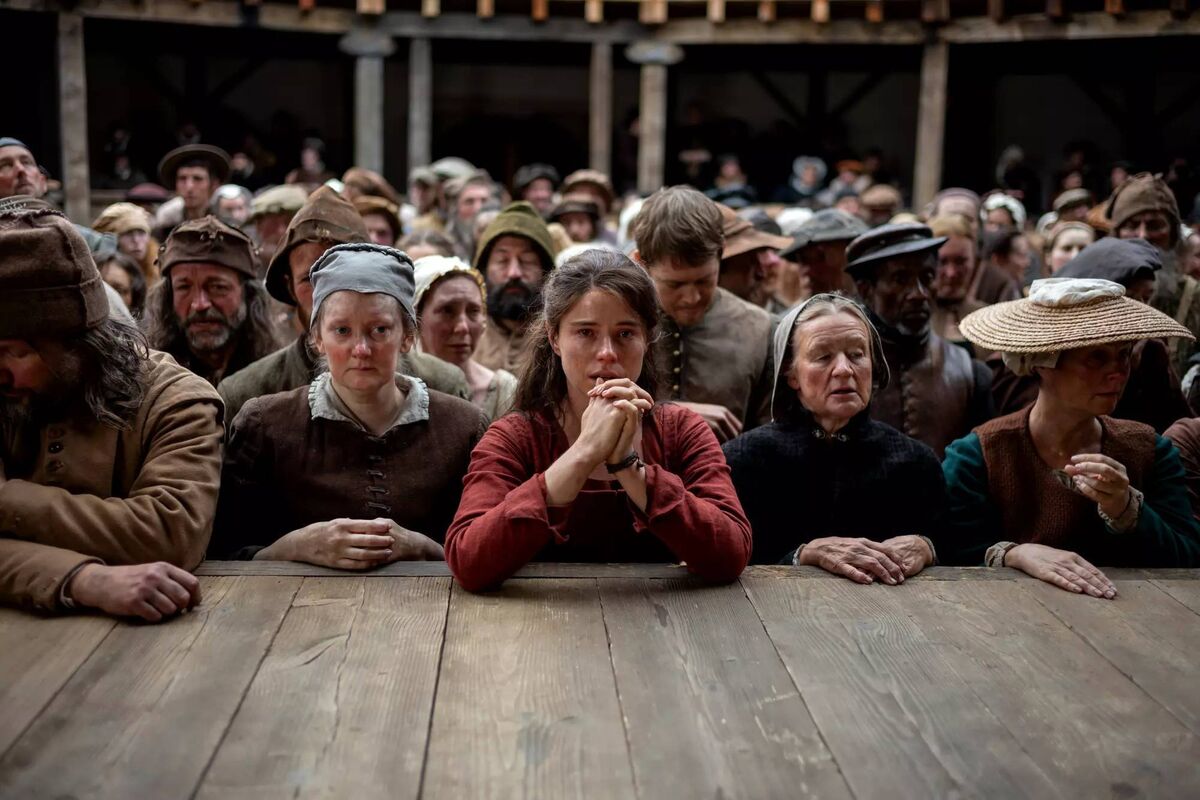
But she stresses that the book remains hers and the film is Zhao’s. “That feels absolutely right and exactly as it should be to me. There would be no point in making a film that was an exact replica of a book, because the book already exists.
“Readers interact with a narrative on the page very differently from the way a cinema audience interacts with a narrative on screen. Yes, it seems absolutely right and good that the film sits alongside the book, rather than as a replica of it.” She’d love to do more adaptations, she says.
“Having worked on this one, which was such a positive experience, I think I realised that the nature of collaboration is so important and that you have to gel with those personalities and share a vision for what it is you are trying to achieve.
“So I would only do it if I had a similar good relationship with collaborators and it was the right story.”
While some authors have appeared in cameo roles in the film adaptations of their books – Stephen King, Lee Child, Stephenie Meyer and even author Peter Benchley, who appeared as a news reporter on the beach – it’s something that fills O’Farrell with horror.
“There was one point where they asked me if I wanted a cameo [as an extra in the scenes] and I was so horrified because I’m definitely much more comfortable on the other side of the camera.”
When the hype has all calmed down, life will return to normal, she expects. She has a new historical novel, Land, coming out in June.
“I’ll just go back to what I’m normally doing, hanging out with my cats in my studio, writing a book and making dinner for my kids – and I’m really happy with that.”
- is in Irish cinemas from Friday January 9. The book, with its new film tie-in cover, is available now (Tinder Press) in paperback